
“Understanding The Relationship Between Sleep Paralysis And Panic Attacks”
Have you ever experienced the terrifying feeling of waking up from sleep unable to move your body? This phenomenon is known as sleep paralysis, and it can often be accompanied by intense feelings of fear and panic. In this article, we will explore the relationship between sleep paralysis and panic attacks in more detail to help you understand this frightening experience better.
What Is Sleep Paralysis?
Sleep paralysis is a condition that occurs when you wake up from sleep but find yourself temporarily unable to move or speak. It often happens when you are transitioning between stages of sleep, specifically during the REM (rapid eye movement) stage. During REM sleep, your brain is active, but your voluntary muscles are paralyzed to prevent you from acting out your dreams.
The Experience of Sleep Paralysis
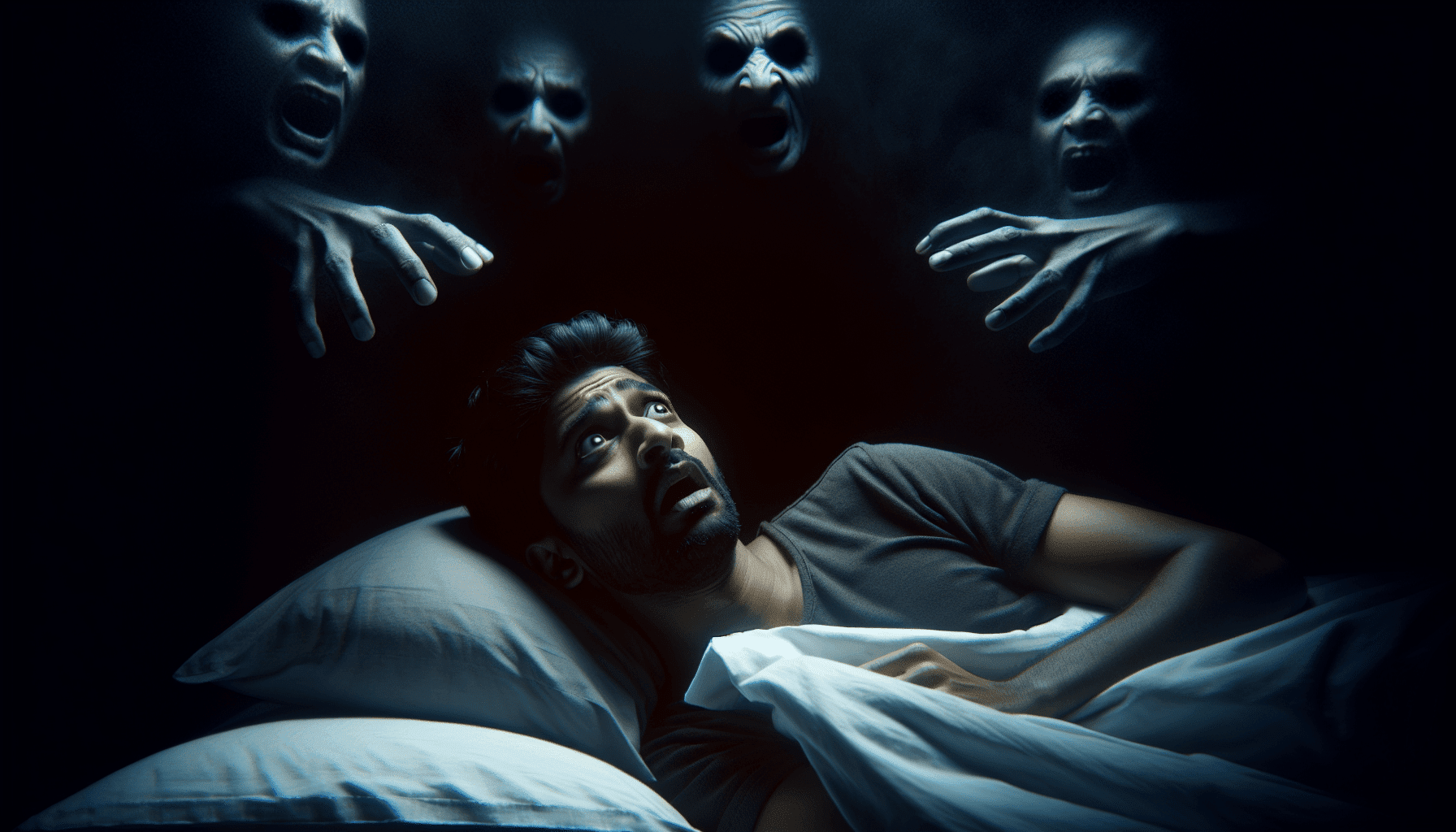
The experience of sleep paralysis can be truly frightening. You may find yourself awake and aware of your surroundings, but unable to move or speak. Some people also report feeling a pressure on their chest or the sensation of being choked. This can lead to intense feelings of fear and panic, especially if you are unaware of what is happening.
It’s important to note that sleep paralysis is a sleep disorder and not a sign of a more serious underlying medical condition. While the experience can be distressing, it is usually harmless and does not cause any physical harm.

What Are Panic Attacks?
Panic attacks are sudden, intense periods of fear or anxiety that are often accompanied by physical symptoms such as a rapid heartbeat, sweating, trembling, and shortness of breath. Panic attacks can occur in response to specific triggers, such as stress or anxiety, or they can happen unexpectedly without any apparent cause.
The Symptoms of Panic Attacks
During a panic attack, you may experience a range of physical and emotional symptoms, including:
- Rapid heartbeat
- Shortness of breath
- Chest pain
- Dizziness or lightheadedness
- Trembling or shaking
- Sweating
- Nausea or stomach discomfort
- Feeling out of control or like you are going to die
Panic attacks can be extremely frightening and overwhelming, and they can interfere with your daily life if they occur frequently or severely.

The Relationship Between Sleep Paralysis And Panic Attacks
While sleep paralysis and panic attacks are two distinct experiences, they can sometimes be connected. Some people who experience sleep paralysis may also be more prone to developing panic attacks, especially if they feel intense fear or anxiety during episodes of sleep paralysis.
Shared Symptoms
Both sleep paralysis and panic attacks can involve feelings of intense fear and helplessness. When you experience sleep paralysis, you may feel trapped and unable to move, which can trigger feelings of panic and anxiety. These feelings can carry over into your waking life and contribute to the development of panic attacks.
Disrupted Sleep Patterns
Sleep paralysis can also disrupt your sleep patterns, leading to sleep deprivation and increased stress levels. Both of these factors can contribute to the onset of panic attacks, as sleep deprivation and stress are known triggers for anxiety and panic disorders.
Overlapping Causes
The causes of sleep paralysis and panic attacks are not fully understood, but there are some overlapping factors that may contribute to both conditions. These can include:
- Genetics: Some research suggests that genetics may play a role in the development of sleep disorders and anxiety disorders.
- Stress: High levels of stress can trigger both sleep paralysis and panic attacks, making it important to manage stress effectively.
- Sleep Disorders: People with sleep disorders such as sleep apnea or narcolepsy may be more likely to experience sleep paralysis and panic attacks.
- Mental Health Conditions: Individuals with mental health conditions such as depression or PTSD may be at higher risk for both sleep paralysis and panic attacks.
Seeking Help
If you are experiencing frequent or severe episodes of sleep paralysis or panic attacks, it’s essential to seek help from a healthcare professional. They can provide you with a proper diagnosis and recommend treatment options to help manage your symptoms.

Managing Sleep Paralysis And Panic Attacks
While sleep paralysis and panic attacks can be distressing, there are several strategies you can use to help manage your symptoms and reduce the frequency of episodes.
Improve Your Sleep Hygiene
Practicing good sleep hygiene can help reduce the likelihood of experiencing sleep paralysis. This includes:
- Maintaining a regular sleep schedule
- Creating a relaxing bedtime routine
- Avoiding caffeine and electronic devices before bed
- Keeping your bedroom dark, quiet, and cool for optimal sleep conditions
Relaxation Techniques
Learning relaxation techniques such as deep breathing, meditation, or progressive muscle relaxation can help reduce feelings of anxiety and panic. These techniques can also help improve your sleep quality and overall well-being.
Cognitive-Behavioral Therapy (CBT)
CBT is a type of therapy that can help you identify and change negative thought patterns and behaviors that contribute to sleep paralysis and panic attacks. Working with a therapist who specializes in CBT can provide you with the tools and strategies to manage your symptoms effectively.
Medication
In some cases, medication may be prescribed to help manage the symptoms of sleep paralysis or panic attacks. This can include antidepressants, anti-anxiety medications, or sleep aids. It’s essential to work closely with your healthcare provider to find the right medication and dosage for your individual needs.
Conclusion
Sleep paralysis and panic attacks are both frightening experiences that can have a significant impact on your daily life. By understanding the relationship between these two conditions and seeking appropriate treatment, you can learn to manage your symptoms effectively and improve your overall well-being. Remember, you are not alone in your struggles, and there are resources available to help you navigate through these challenges.