
In this article, you will explore the intricate nuances of sleep paralysis, a phenomenon that has puzzled individuals for centuries. By delving into the various factors that contribute to the occurrence of sleep paralysis, such as disrupted sleep patterns, stress, and underlying medical conditions, you will gain a deeper understanding of this perplexing experience. Through examining these causes, you will uncover the complex interplay between the mind and body during sleep, shedding light on why some individuals may be more prone to experiencing sleep paralysis than others. Have you ever experienced the unsettling phenomenon of waking up but feeling completely unable to move? This can be a terrifying experience for many people and is known as sleep paralysis. If you’ve ever wondered what causes sleep paralysis, you’re in the right place. In this academic article, we will explore the various factors that can lead to this phenomenon and provide you with a comprehensive understanding of the causes of sleep paralysis.

What is Sleep Paralysis?
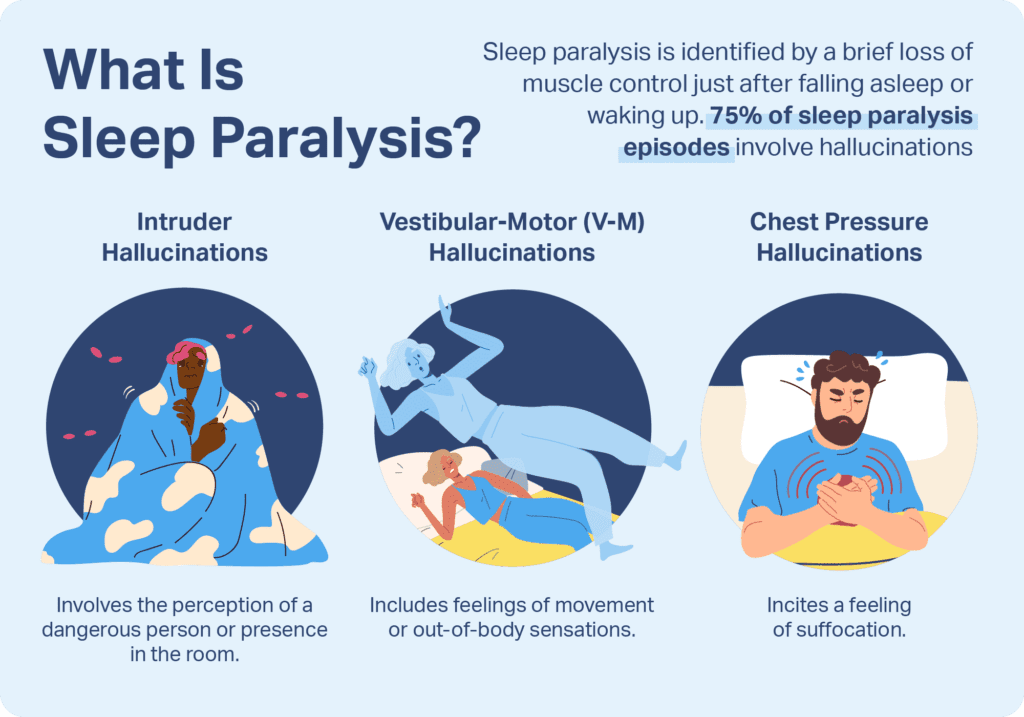
Sleep paralysis is a temporary inability to move or speak that occurs when you are waking up or falling asleep. During an episode of sleep paralysis, your mind is awake, but your body is still in a state of sleep. This can lead to a feeling of being paralyzed, as if you are trapped in your own body. Sleep paralysis is often accompanied by hallucinations, which can be visual, auditory, or sensory.
How does it feel?
Sleep paralysis can be a frightening experience as you may feel like you are unable to move or speak. You may also experience a sense of pressure on your chest or a feeling of being watched. Hallucinations during sleep paralysis can vary from person to person, but they are often vivid and realistic, making it difficult to distinguish between what is real and what is not.
The Causes of Sleep Paralysis
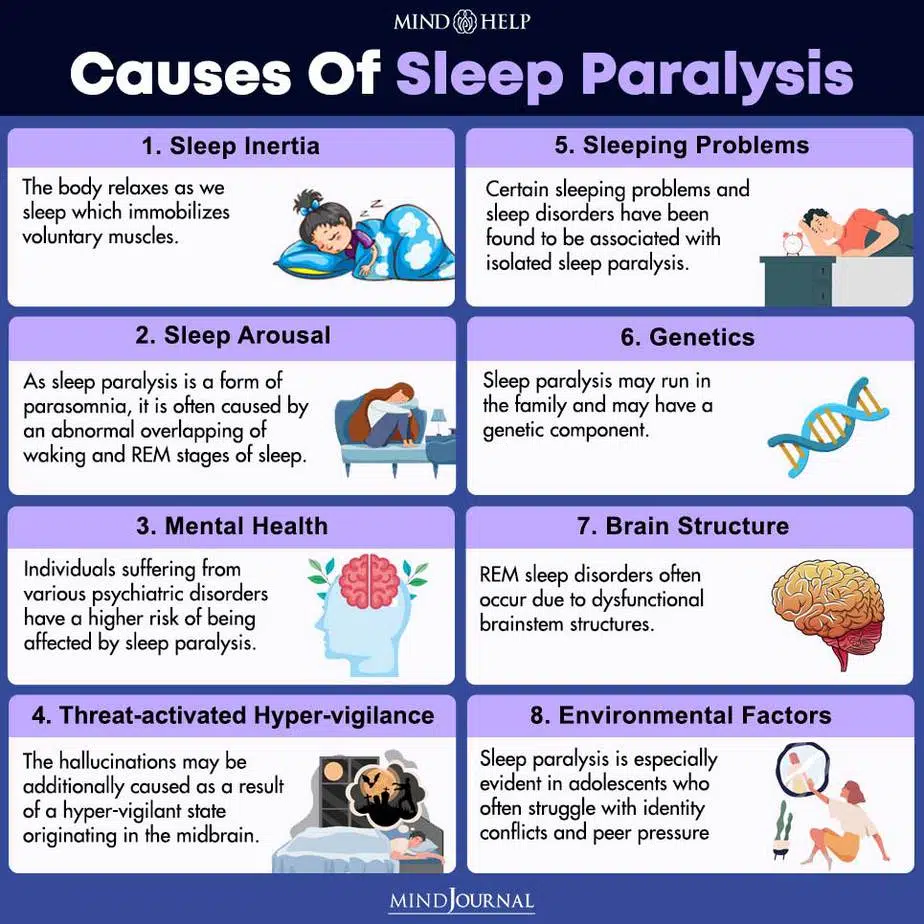
Sleep paralysis can be caused by a variety of factors, including sleep disturbances, stress, and underlying medical conditions. Let’s take a closer look at some of the common causes of sleep paralysis:
Sleep Deprivation
Lack of sleep or irregular sleep patterns can disrupt the sleep cycle and lead to episodes of sleep paralysis. When you are sleep-deprived, your brain may struggle to transition between different stages of sleep, increasing the likelihood of experiencing sleep paralysis.
Disrupted Sleep Patterns
Changes in sleep patterns, such as jet lag or working irregular hours, can disrupt your circadian rhythm and increase the risk of sleep paralysis. Disrupted sleep patterns can interfere with the normal REM sleep cycle, which is when sleep paralysis often occurs.
Stress and Anxiety
Stress and anxiety can trigger episodes of sleep paralysis by increasing arousal levels and disrupting sleep. High levels of stress can lead to poor sleep quality and increased susceptibility to sleep paralysis. Managing stress through relaxation techniques and stress-reducing activities can help reduce the frequency of sleep paralysis episodes.
Sleep Disorders
Underlying sleep disorders, such as narcolepsy or sleep apnea, can be associated with an increased risk of sleep paralysis. These disorders can disrupt the normal sleep cycle and contribute to the occurrence of sleep paralysis episodes. Treating the underlying sleep disorder may help alleviate symptoms of sleep paralysis.
Substance Use
Consumption of certain substances, such as alcohol or recreational drugs, can affect the quality of sleep and increase the likelihood of experiencing sleep paralysis. Substance use can disrupt the sleep cycle and interfere with the body’s ability to enter restful sleep stages, leading to episodes of sleep paralysis.

Diagnosis and Treatment
If you are experiencing frequent episodes of sleep paralysis, it is important to consult a healthcare professional for a proper diagnosis. A healthcare provider may conduct a physical exam, review your medical history, and recommend further testing to identify any underlying conditions that may be contributing to sleep paralysis.
Diagnosis
Diagnosing sleep paralysis involves ruling out other sleep disorders and medical conditions that may be causing similar symptoms. A healthcare provider may recommend a sleep study, also known as polysomnography, to monitor your sleep patterns and identify any abnormalities that may be contributing to sleep paralysis.
Treatment
Treatment for sleep paralysis often focuses on improving sleep hygiene and addressing any underlying conditions that may be contributing to the episodes. In some cases, medication may be prescribed to help regulate sleep patterns and reduce the frequency of sleep paralysis episodes. Cognitive-behavioral therapy (CBT) may also be recommended to address any psychological factors that may be contributing to sleep paralysis.
Coping Strategies
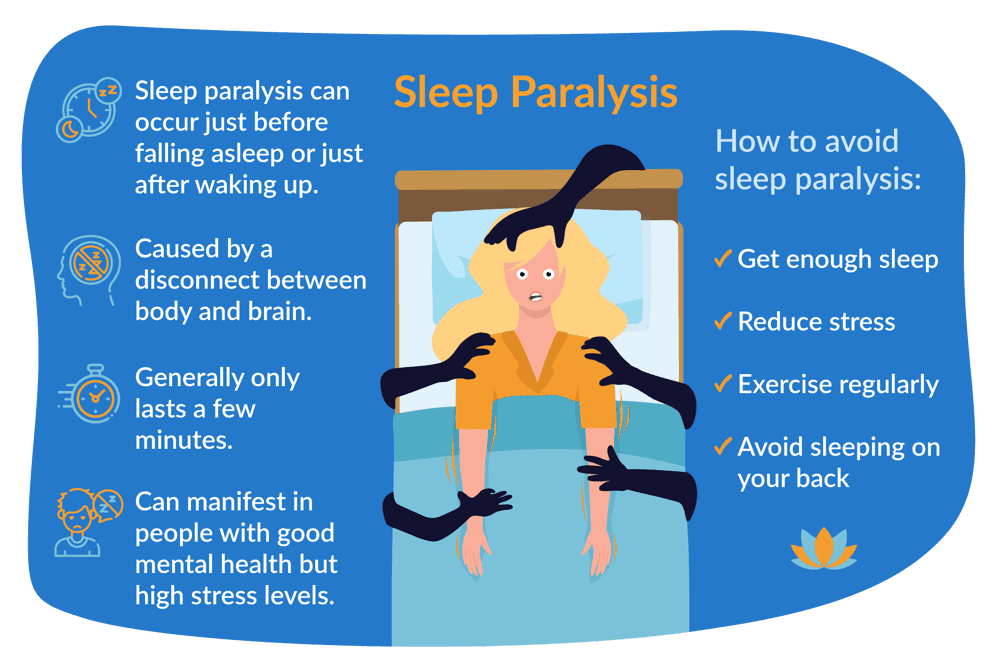
While sleep paralysis can be a frightening experience, there are coping strategies that may help alleviate symptoms and reduce the frequency of episodes. Here are some tips for coping with sleep paralysis:
Improve Sleep Hygiene
Maintaining a consistent sleep schedule, creating a relaxing bedtime routine, and creating a comfortable sleep environment can help improve sleep quality and reduce the likelihood of experiencing sleep paralysis.
Manage Stress
Practicing stress-reducing techniques, such as mindfulness meditation, deep breathing exercises, and progressive muscle relaxation, can help reduce stress levels and improve sleep quality. Managing stress through healthy coping mechanisms can help decrease the frequency of sleep paralysis episodes.
Relaxation Techniques
Engaging in relaxation techniques, such as guided imagery or visualization exercises, can help promote relaxation and reduce arousal levels before bedtime. Relaxation techniques can help calm the mind and body, making it easier to fall asleep and reducing the risk of experiencing sleep paralysis.
Conclusion
In conclusion, sleep paralysis is a common phenomenon that can be caused by a variety of factors, including sleep disturbances, stress, and underlying medical conditions. By understanding the causes of sleep paralysis and implementing coping strategies, you can alleviate symptoms and reduce the frequency of episodes. If you are experiencing frequent episodes of sleep paralysis, it is important to consult a healthcare professional for a proper diagnosis and treatment. Remember that you are not alone in experiencing sleep paralysis, and there are resources available to help you manage this phenomenon effectively.