
In “Understanding the Causes of Sleep Paralysis,” you will delve into the complex factors that contribute to this unsettling phenomenon. From exploring the influence of stress and anxiety on sleep patterns to examining the role of neurotransmitters in regulating REM sleep, this article offers a comprehensive analysis of the causes behind sleep paralysis. By shedding light on the physiological and psychological mechanisms at play, you will gain a deeper understanding of this mysterious sleep disorder.
Introduction
Have you ever woken up in the middle of the night unable to move or speak, feeling like there’s a weight on your chest, and experiencing intense fear? If so, you may have experienced sleep paralysis. This phenomenon is more common than you might think, affecting about 8% of the general population. In this article, we will explore the various causes of sleep paralysis.
What is Sleep Paralysis?
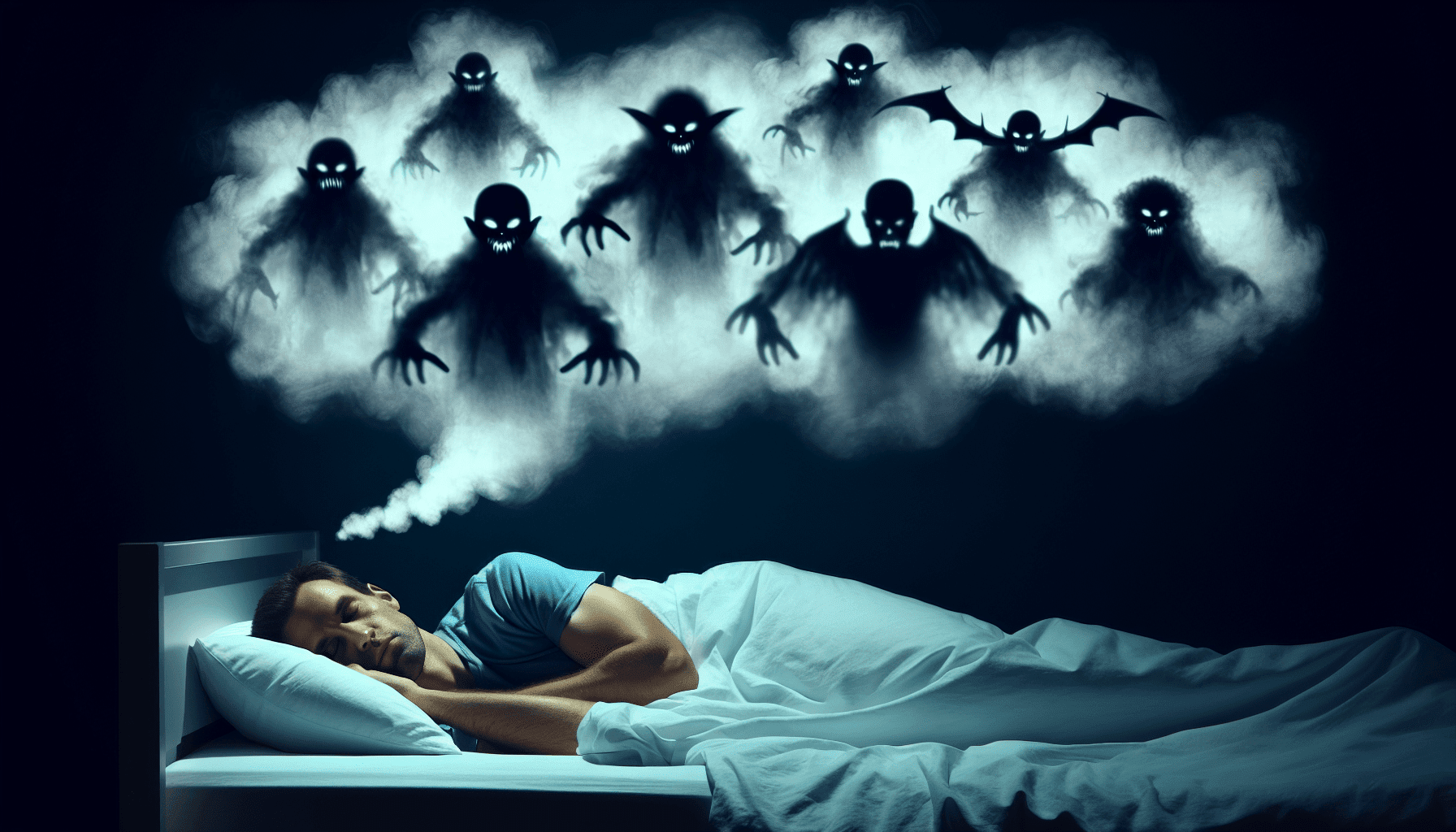
Sleep paralysis is a temporary inability to move or speak that occurs either when falling asleep or waking up. It usually lasts for a few seconds to a couple of minutes, but it can feel much longer due to the intense fear and confusion it often brings. During an episode of sleep paralysis, you may also experience hallucinations, such as seeing or hearing things that are not there.
Sleep Paralysis vs. Nightmares
While nightmares are typically associated with REM sleep, sleep paralysis occurs during the transition between sleep stages. This key difference is crucial for understanding the causes of sleep paralysis.
Understanding REM Sleep
To understand the causes of sleep paralysis, we must first understand the different stages of sleep. Rapid Eye Movement (REM) sleep is an important stage in the sleep cycle where most dreams occur. During REM sleep, your brain is active, but your muscles are relaxed to the point of almost being paralyzed.
The Role of REM Atonia
In REM sleep, a natural phenomenon called REM atonia prevents you from acting out your dreams. This muscle atonia ensures that you don’t physically respond to your dream content, which could be dangerous. However, disruptions in this process can lead to sleep paralysis.
Medical Conditions Associated with Sleep Paralysis
Several medical conditions have been linked to sleep paralysis, shedding light on the causes of this phenomenon. Let’s explore some of these conditions in more detail.
Narcolepsy
Narcolepsy is a neurological disorder that affects the brain’s ability to regulate sleep-wake cycles. People with narcolepsy often experience excessive daytime sleepiness, sudden muscle weakness or paralysis (cataplexy), and fragmented sleep patterns. Sleep paralysis is a common symptom of narcolepsy, as it involves disruptions in REM sleep.
Sleep Disorders
Other sleep disorders, such as obstructive sleep apnea (OSA) and insomnia, can contribute to the occurrence of sleep paralysis. OSA is a condition characterized by pauses in breathing during sleep, leading to fragmented sleep and disruptions in REM sleep. Insomnia, on the other hand, can cause sleep deprivation, which may trigger episodes of sleep paralysis.
Anxiety and Mental Health Disorders
Anxiety disorders, such as panic disorder and post-traumatic stress disorder (PTSD), have been associated with an increased risk of sleep paralysis. Stress and anxiety can disrupt sleep patterns and exacerbate REM-related sleep disturbances, leading to episodes of sleep paralysis.

Cultural and Environmental Factors
Cultural beliefs and environmental factors can also play a role in the prevalence of sleep paralysis. In some cultures, sleep paralysis is attributed to supernatural entities or spirits visiting individuals during the night. These beliefs can create additional fear and anxiety, further contributing to the occurrence of sleep paralysis.
Sleep Environment
The quality of your sleep environment, including factors such as noise levels, temperature, and lighting, can influence your sleep quality and the likelihood of experiencing sleep paralysis. Creating a comfortable and conducive sleep environment can help reduce the risk of sleep disturbances.
Lifestyle Factors
Certain lifestyle factors, such as irregular sleep patterns, excessive caffeine or alcohol consumption, and shift work, can disrupt your sleep cycle and increase the likelihood of experiencing sleep paralysis. Maintaining a healthy lifestyle and practicing good sleep hygiene can improve your overall sleep quality.
Genetics and Family History
Genetics may also play a role in the development of sleep paralysis. Studies have shown that individuals with a family history of sleep disorders, such as narcolepsy or restless legs syndrome, may be more susceptible to experiencing sleep paralysis. Understanding your genetic predisposition can help identify potential risk factors.
Genetic Markers
Researchers have identified genetic markers associated with REM-related sleep disorders, including sleep paralysis. These genetic variations may impact neurochemical pathways involved in regulating REM sleep and muscle atonia, contributing to disruptions in the sleep cycle.
Familial Patterns
Observing familial patterns of sleep disturbances can provide valuable insights into the genetic components of sleep paralysis. If multiple family members experience sleep paralysis or other related sleep disorders, it may indicate a hereditary predisposition to these conditions.
Psychological Factors and Stress
Psychological factors, such as stress, anxiety, and depression, can significantly impact your sleep quality and contribute to the occurrence of sleep paralysis. Understanding the psychological aspects of sleep paralysis is essential for identifying effective treatment strategies.
Hypervigilance and Anxiety
Hypervigilance, or heightened alertness to potential threats, can trigger episodes of sleep paralysis by disrupting the natural relaxation process during sleep. Anxiety and fear associated with sleep paralysis can create a vicious cycle of psychological distress, leading to more frequent episodes.
Trauma and PTSD
Individuals who have experienced trauma or post-traumatic stress disorder (PTSD) may be more prone to sleep disturbances, including sleep paralysis. Traumatic events can disrupt the brain’s ability to regulate sleep patterns and may manifest as sleep-related disorders.
Cognitive Behavioral Therapy
Cognitive-behavioral therapy (CBT) has been shown to be effective in treating sleep paralysis by addressing underlying psychological factors and promoting relaxation techniques. CBT can help individuals develop coping strategies for managing anxiety and stress, reducing the frequency of sleep paralysis episodes.
Conclusion
In conclusion, sleep paralysis is a complex phenomenon that can be influenced by a variety of factors, including medical conditions, genetic predisposition, cultural beliefs, and psychological factors. By understanding the causes of sleep paralysis, you can take proactive steps to improve your sleep quality and reduce the likelihood of experiencing episodes of sleep paralysis. If you continue to experience frequent or distressing episodes of sleep paralysis, it is essential to seek professional help from a healthcare provider or sleep specialist. Remember, you are not alone in your experience, and there are effective treatments available to help you manage sleep paralysis effectively.