
Treating Sleep Paralysis With Acupuncture
Have you ever experienced the terrifying feeling of being awake but unable to move or speak? This phenomenon is known as sleep paralysis and can be a frightening experience for those who have gone through it. If you are looking for alternative ways to manage sleep paralysis, acupuncture might be a solution worth considering.
What is Sleep Paralysis?
Sleep paralysis is a state of being conscious but unable to move or speak, often occurring when falling asleep or waking up. It may be accompanied by hallucinations, feelings of pressure on the chest, and a sense of impending doom. While the exact cause of sleep paralysis is not fully understood, factors such as sleep deprivation, stress, and irregular sleep schedules may contribute to its occurrence.
Sleep Paralysis Symptoms
Sleep paralysis can be a terrifying experience, with symptoms that may include:
- Inability to move or speak
- Hallucinations
- Feeling of pressure on the chest
- Fear or a sense of impending doom
If you have been experiencing these symptoms, it is essential to speak with a healthcare professional to rule out any underlying medical conditions.

How Does Acupuncture Work?
Acupuncture is a traditional Chinese medicine practice that involves inserting thin needles into specific points on the body. These points are believed to be connected by pathways that conduct energy, known as Qi, throughout the body. By stimulating these points, acupuncture aims to restore the balance of Qi and promote the body’s natural healing process.
Acupuncture Points for Sleep Paralysis
Acupuncture for sleep paralysis focuses on specific points that are believed to help regulate sleep patterns and relieve stress. Some common acupuncture points used for treating sleep paralysis include:
| Acupuncture Point | Location on Body | Benefits |
|---|---|---|
| HT7 (Heart 7) | On the palm side of the wrist crease, in line with the little finger | Promotes sleep and reduces anxiety |
| PC6 (Pericardium 6) | On the inner side of the forearm, two and a half finger-widths above the wrist crease | Relieves stress and promotes relaxation |
| GV20 (Governor Vessel 20) | On the top of the head, in line with the ears | Calms the mind and improves sleep quality |
If you are considering acupuncture for sleep paralysis, consult with a licensed acupuncturist to determine the best treatment plan tailored to your specific needs.

Benefits of Acupuncture for Sleep Paralysis
Acupuncture is a holistic approach to health that seeks to address the root cause of the issue rather than just treating the symptoms. When it comes to sleep paralysis, acupuncture offers several benefits that may help alleviate the condition.
Promotes Relaxation
Acupuncture sessions can promote relaxation by releasing endorphins, the body’s natural painkillers, and reducing stress levels. By targeting specific points that help regulate the nervous system, acupuncture may help calm the mind and body, making it easier to fall asleep without experiencing episodes of sleep paralysis.
Improves Sleep Quality
Sleep paralysis can disrupt the normal sleep cycle and lead to poor sleep quality. Acupuncture aims to rebalance the body’s energy flow and regulate the sleep-wake cycle, potentially leading to improved sleep patterns and a more restful night’s sleep.
Reduces Anxiety and Stress
Stress and anxiety are common triggers for sleep paralysis episodes. Acupuncture can help reduce cortisol levels, the body’s stress hormone, and promote relaxation. By creating a sense of calm and well-being, acupuncture may help alleviate the emotional stress associated with sleep paralysis.
What to Expect During an Acupuncture Session
If you have never tried acupuncture before, you may be wondering what to expect during a session. Here is a general overview of what a typical acupuncture session entails:
Consultation
During your first visit, the acupuncturist will conduct a thorough consultation to assess your health history, symptoms, and any underlying conditions that may be contributing to your sleep paralysis. This information will help the acupuncturist develop a personalized treatment plan tailored to your specific needs.
Treatment
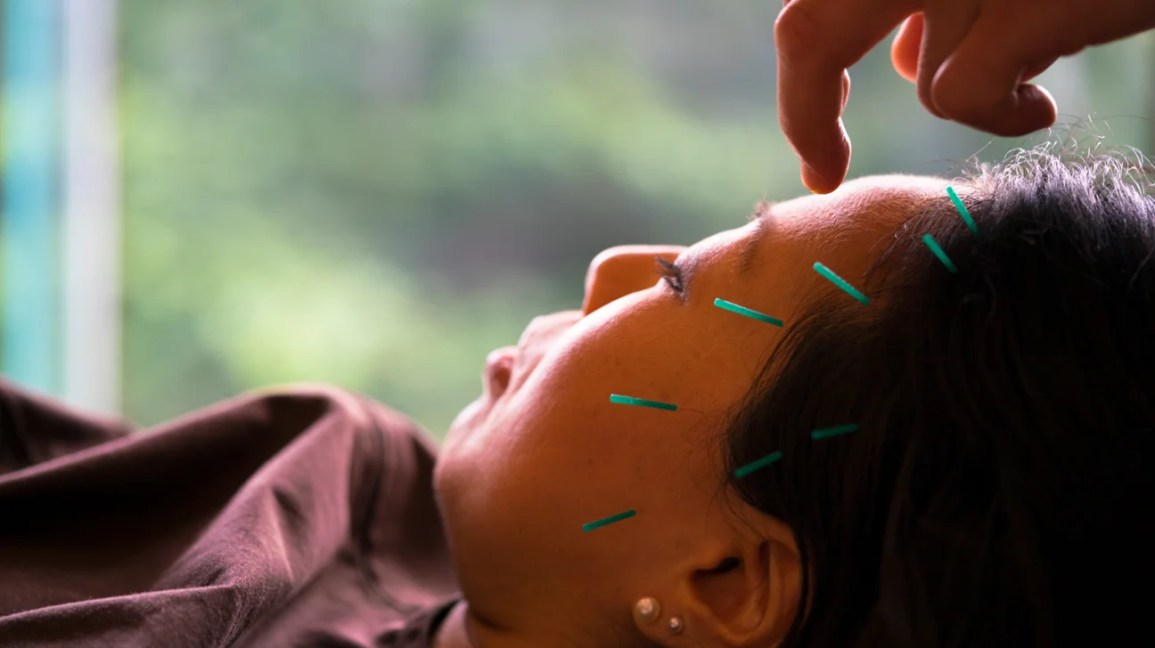
The acupuncturist will insert thin needles into specific points on your body, based on the treatment plan developed during the consultation. You may feel a mild sensation or tingling when the needles are inserted, but acupuncture is generally a painless procedure. The needles will be left in place for a certain period, usually around 20-30 minutes, while you relax on the treatment table.
Follow-Up
After the session, the acupuncturist may recommend follow-up sessions to maintain the effects of the treatment and address any lingering symptoms. It is essential to communicate openly with your acupuncturist about your progress and any changes you may be experiencing to ensure the best possible outcome.

Is Acupuncture Safe for Treating Sleep Paralysis?
Acupuncture is considered a safe and minimally invasive treatment option for various conditions when performed by a licensed and experienced practitioner. The risk of adverse effects is low, as acupuncture does not involve the use of medications or invasive procedures.
Safety Precautions
To ensure the safety and effectiveness of acupuncture for treating sleep paralysis, consider the following precautions:
- Seek treatment from a licensed acupuncturist with proper training and credentials.
- Inform your acupuncturist about any medical conditions, medications, or allergies you may have.
- Follow the recommended treatment plan and attend scheduled follow-up sessions for optimal results.
By following these safety precautions and working closely with your acupuncturist, you can experience the potential benefits of acupuncture in managing sleep paralysis.

Conclusion
Acupuncture offers a holistic and natural approach to treating sleep paralysis by addressing the root causes of the condition and promoting overall well-being. By targeting specific acupuncture points related to sleep patterns and stress relief, acupuncture may help alleviate the symptoms of sleep paralysis and improve sleep quality.
If you are considering acupuncture as a complementary therapy for sleep paralysis, consult with a licensed acupuncturist to develop a personalized treatment plan that meets your individual needs. With proper guidance and care, acupuncture may offer a safe and effective way to manage sleep paralysis and promote better sleep hygiene.