Can Sleep Paralysis Be Triggered By Certain Foods Or Drinks?
Can sleep paralysis be triggered by certain foods or drinks? If you have ever experienced this unsettling phenomenon, you may be wondering if your diet could be playing a role. In this article, we will explore the potential link between sleep paralysis and certain foods or drinks.
What Is Sleep Paralysis?
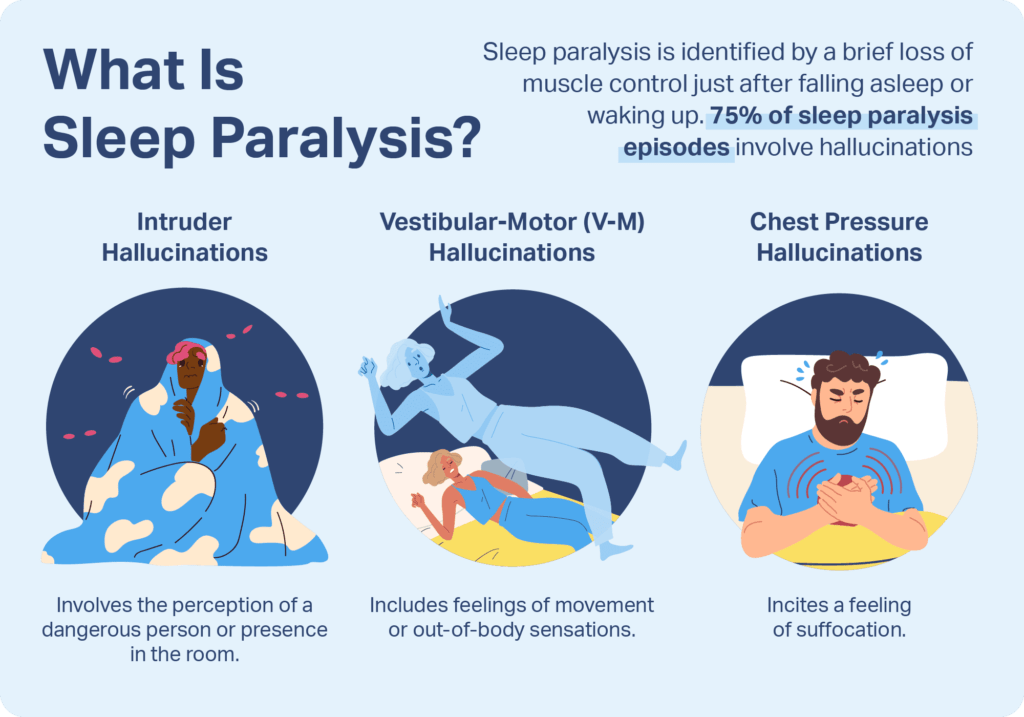
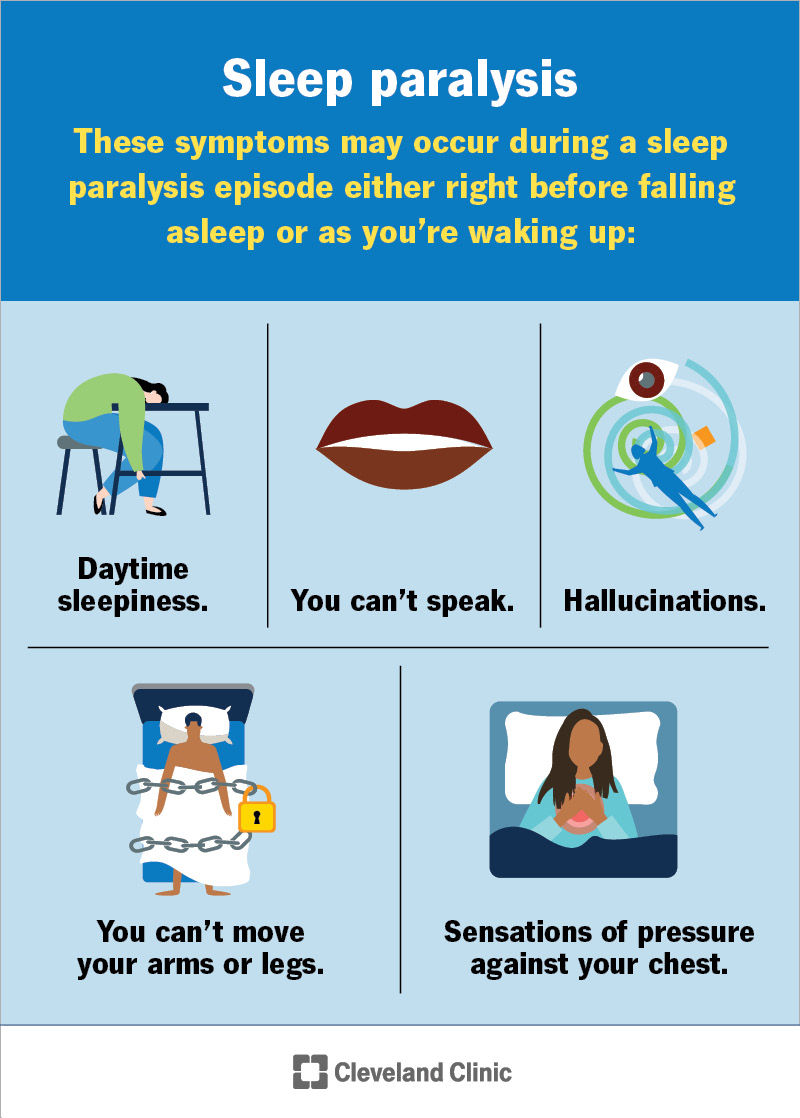
First things first, let’s discuss what exactly sleep paralysis is. Sleep paralysis is a phenomenon that occurs when a person feels conscious but is unable to move their muscles. It often happens when transitioning between sleep stages, such as falling asleep or waking up. This experience can be accompanied by hallucinations, feelings of pressure on the chest, and a sense of dread.
What Causes Sleep Paralysis?
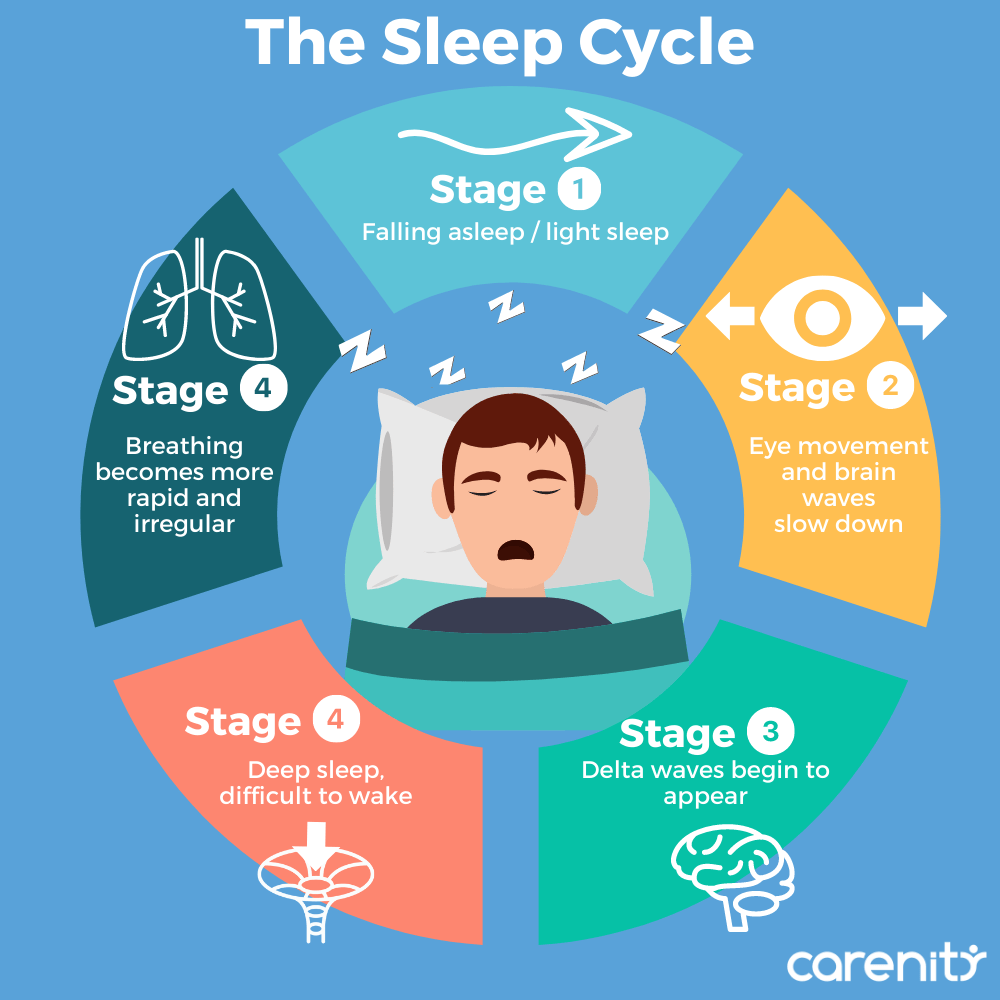
Sleep paralysis is thought to occur when the normal REM (rapid eye movement) stage of sleep is disrupted. During REM sleep, the body is essentially paralyzed to prevent you from acting out your dreams. When this process is interrupted, it can lead to sleep paralysis. Factors such as sleep deprivation, irregular sleep patterns, stress, and certain medications can contribute to the occurrence of sleep paralysis.

The Role of Foods and Drinks in Sleep Paralysis
Now, let’s delve into the potential connection between certain foods or drinks and sleep paralysis. While research on this topic is limited, some anecdotal evidence suggests that diet may indeed influence the occurrence of sleep paralysis. Certain foods and beverages may impact sleep quality and sleep cycles, potentially increasing the likelihood of experiencing sleep paralysis.
Foods That May Trigger Sleep Paralysis
There are several foods that are believed to potentially trigger sleep paralysis. These foods often contain high levels of caffeine, sugar, or other stimulating substances that can disrupt sleep patterns. Some common culprits include:
| Food | Potential Effect on Sleep Paralysis |
|---|---|
| Coffee | High caffeine content can interfere with sleep |
| Energy drinks | High sugar and caffeine levels can disrupt sleep patterns |
| Spicy foods | Can cause indigestion and discomfort, leading to sleep disturbances |
| Processed foods | High levels of additives and preservatives can negatively impact sleep quality |
Avoiding these foods, especially close to bedtime, may help reduce the risk of experiencing sleep paralysis.
Drinks That May Trigger Sleep Paralysis
In addition to food, certain drinks may also play a role in triggering sleep paralysis. Similarly to food, these beverages often contain stimulants or substances that can disrupt sleep patterns. Some drinks to be cautious of include:
| Drink | Potential Effect on Sleep Paralysis |
|---|---|
| Tea | Contains caffeine, can interfere with sleep |
| Alcohol | Disrupts sleep patterns and can lead to fragmented sleep |
| Soda | High sugar content and caffeine can negatively impact sleep quality |
| Energy drinks | High levels of both sugar and caffeine can disrupt sleep patterns |
Being mindful of your consumption of these drinks, particularly in the hours leading up to bedtime, may help improve your overall sleep quality and reduce the likelihood of experiencing sleep paralysis.

Other Factors Influencing Sleep Paralysis
While diet may play a role in triggering sleep paralysis, it is essential to recognize that other factors can also contribute to this phenomenon. Factors such as sleep hygiene, stress levels, and underlying medical conditions can all influence the occurrence of sleep paralysis.
Sleep Hygiene
Maintaining good sleep hygiene is crucial for promoting healthy sleep patterns and reducing the risk of sleep paralysis. This includes establishing a consistent sleep schedule, creating a relaxing bedtime routine, and optimizing your sleep environment. Practices like avoiding screens before bed, keeping your bedroom dark and quiet, and engaging in relaxation techniques can all contribute to better sleep quality.
Stress Levels
High levels of stress and anxiety can contribute to sleep disturbances, including sleep paralysis. Finding ways to manage stress, such as practicing mindfulness, exercise, or seeking therapy, can help improve your sleep quality and reduce the likelihood of experiencing sleep paralysis.
Underlying Medical Conditions
Certain medical conditions, such as narcolepsy or sleep apnea, can increase the likelihood of experiencing sleep paralysis. If you have concerns about your sleep health or suspect an underlying medical issue, it is essential to consult with a healthcare professional for proper evaluation and treatment.
Tips for Preventing Sleep Paralysis
While there is no guaranteed way to prevent sleep paralysis, there are steps you can take to reduce the risk of experiencing it. Here are some tips to help promote healthy sleep patterns and minimize the occurrence of sleep paralysis:
- Maintain a consistent sleep schedule by going to bed and waking up at the same time each day.
- Create a relaxing bedtime routine to signal to your body that it is time to wind down and prepare for sleep.
- Avoid consuming stimulating foods and drinks, especially close to bedtime.
- Practice good sleep hygiene by keeping your bedroom dark, quiet, and at a comfortable temperature.
- Manage stress through mindfulness, exercise, or other relaxation techniques.
- Consult with a healthcare professional if you are experiencing frequent episodes of sleep paralysis or if you have concerns about your sleep health.
By incorporating these tips into your daily routine, you can help improve your sleep quality and reduce the likelihood of experiencing sleep paralysis.
Conclusion
In conclusion, while the link between foods or drinks and sleep paralysis is not extensively studied, there is anecdotal evidence to suggest that certain dietary choices may impact sleep quality and sleep cycles, potentially triggering sleep paralysis. By being mindful of your diet, maintaining good sleep hygiene, managing stress levels, and addressing any underlying medical conditions, you can reduce the risk of experiencing sleep paralysis and promote better overall sleep health.
Remember, everyone’s experience with sleep paralysis is unique, and what triggers it for one person may not affect another. If you have concerns about your sleep health or are experiencing frequent episodes of sleep paralysis, it is essential to consult with a healthcare professional for proper evaluation and guidance. Your doctor can help identify any underlying issues and recommend appropriate treatment to improve your sleep quality and overall well-being.