
Did you know that sleep paralysis is a phenomenon that is recognized in different cultures around the world, yet is often misunderstood? In this article, we will explore some common misconceptions about sleep paralysis in various cultures. From ancient folklore to modern beliefs, you will discover the fascinating and sometimes eerie misconceptions that surround this mysterious state of being unable to move while asleep. So grab a warm cup of tea, get cozy, and let’s unravel the myths and misconceptions surrounding sleep paralysis together.
Sleep Paralysis: A Universal Phenomenon
Sleep paralysis is a fascinating and often perplexing experience that has been reported by individuals across the globe. Regardless of cultural background or geographical location, sleep paralysis is a common phenomenon that has been experienced by many. It is a unique state where the mind is awake, but the body remains in a temporary state of paralysis, making it impossible to move or speak. In this article, we will explore the cultural variations and interpretations of sleep paralysis, as well as the misconceptions that surround this phenomenon.
Sleep Paralysis as a Worldwide Experience
Sleep paralysis is not limited to a specific culture or region. It is a worldwide experience that has been documented in various countries and continents. Regardless of whether you reside in the United States, Europe, Asia, or Africa, sleep paralysis can affect anyone. This shared experience underscores the universal nature of sleep paralysis and highlights the importance of understanding and addressing it from a global perspective.
Understanding the Basics of Sleep Paralysis
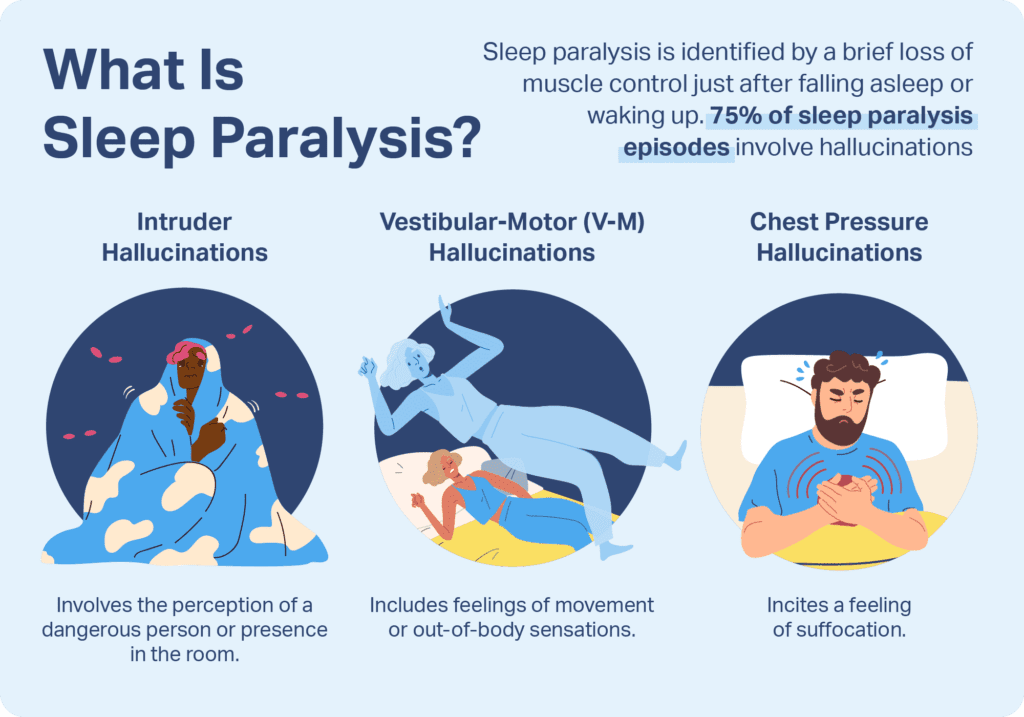
Before delving into the cultural beliefs and interpretations of sleep paralysis, it is important to have a basic understanding of this phenomenon. Sleep paralysis occurs when the brain and body are out of sync during the transition between wakefulness and sleep stages. Normally, during Rapid Eye Movement (REM) sleep, the body experiences a natural state of muscle paralysis known as atonia. This paralysis prevents us from enacting our dreams and potentially harming ourselves. However, in the case of sleep paralysis, this muscle paralysis persists even when the individual is fully awake and conscious. This mismatch between the brain and body can result in feelings of helplessness and fear.
Cultural Variations and Interpretations
Although the experience of sleep paralysis is universal, the interpretations and cultural beliefs surrounding it vary from one culture to another. These beliefs are shaped by cultural experiences, religious beliefs, and traditional folklore. Let’s explore some of the cultural variations and interpretations of sleep paralysis.
Folklore and Supernatural Entities
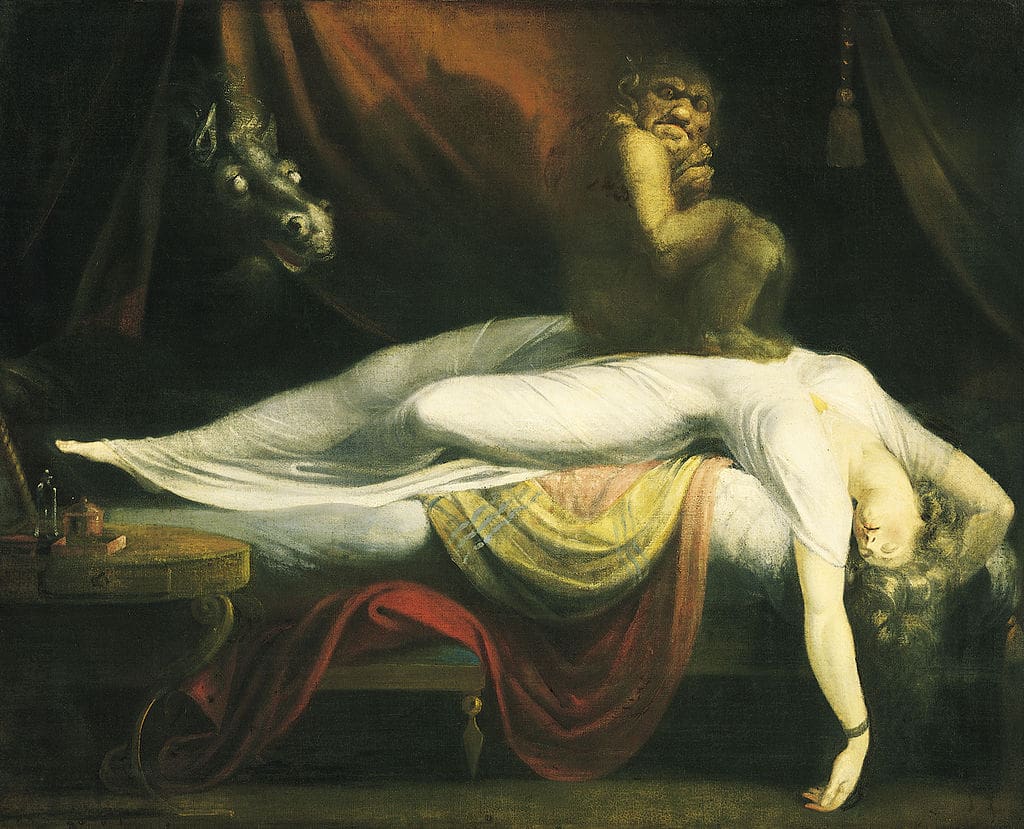
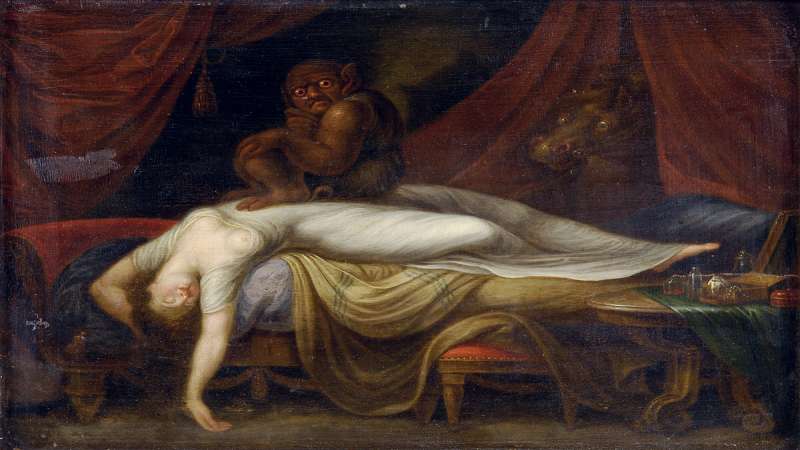
In many cultures, sleep paralysis is often associated with supernatural entities and folklore. In some regions, it is believed that sleep paralysis is caused by malevolent spirits or demons who visit individuals during their sleep. These entities are said to sit on the chest of the affected person, making it difficult to breathe and move. Folklore and legends surrounding these entities vary from culture to culture, but the underlying belief in supernatural interference is a common thread.
Religious Interpretations
Religious interpretations of sleep paralysis are also prevalent in various cultures. Some religious beliefs explain sleep paralysis as a spiritual battle between good and evil, with the paralyzed person being caught in the crossfire. In certain religious contexts, sleep paralysis is considered a test of faith or a punishment for wrongdoing. The interpretations in different religious frameworks add another layer of complexity to the understanding of this phenomenon.
Spiritual and Metaphysical Explanations
In addition to supernatural and religious interpretations, some cultures embrace spiritual and metaphysical explanations for sleep paralysis. These explanations often revolve around concepts such as astral projection or out-of-body experiences. Some cultures believe that during sleep paralysis, the soul or consciousness temporarily separates from the physical body, traveling to different realms or dimensions. These interpretations view sleep paralysis as a window into the spiritual or metaphysical realms.

Sleep Paralysis in Western Cultures
In Western cultures, sleep paralysis has been largely approached from a scientific and medical perspective. Let’s explore the scientific understanding and medical explanations that prevail in these cultures.
Scientific Understanding and Medical Explanations
In Western cultures, sleep paralysis is primarily viewed as a physiological phenomenon with scientific explanations. Sleep researchers and experts attribute sleep paralysis to disruptions in the sleep cycle, particularly during the transition between REM sleep and wakefulness. The brain, in sleep paralysis, remains partially in a dreaming state, leading to vivid hallucinations and a sense of being trapped. This scientific understanding focuses on the neurological and physiological aspects of sleep paralysis, shedding light on the underlying mechanisms behind this phenomenon.
Misconception: Sleep Paralysis as a Hallucination or Nightmare
Unfortunately, in Western cultures, there is a common misconception that sleep paralysis is simply a hallucination or nightmare. This misconception overlooks the physical aspect of sleep paralysis and fails to acknowledge the real experience of paralysis that individuals go through. It is essential to dispel this misconception and recognize that sleep paralysis is a genuine and often distressing experience for those who encounter it.
Psychological Perspectives
Psychological perspectives on sleep paralysis also play a role in Western cultures. Some psychologists believe that the intense fear and hallucinations experienced during sleep paralysis may stem from underlying psychological factors such as anxiety or trauma. These perspectives explore the potential connection between sleep paralysis and mental health, offering valuable insights into the psychological aspects of this phenomenon.
Sleep Paralysis in Eastern Cultures
In contrast to the scientific and medical approach of Western cultures, Eastern cultures often offer interpretations of sleep paralysis rooted in ancient philosophical and spiritual beliefs. Let’s explore some of these Eastern perspectives on sleep paralysis.
Eastern Philosophies and Sleep Paralysis
Eastern cultures, particularly those influenced by philosophies such as Buddhism and Hinduism, view sleep paralysis as a spiritual and transformative experience. These philosophies emphasize the importance of meditation, self-realization, and the exploration of the mind. In this context, sleep paralysis can be seen as a pathway to self-discovery, spiritual awakening, and profound insight. Eastern cultures often encourage individuals to embrace and explore the spiritual dimensions of sleep paralysis.
Misconception: Sleep Paralysis as an Encounter with Demonic Beings
Similar to the supernatural interpretations in other cultures, some Eastern cultures have misconceptions that sleep paralysis involves encounters with demonic or malevolent beings. These beings are believed to test one’s spiritual strength or provoke fear. However, it is important to note that these misconceptions stem from misunderstandings and often fail to capture the full range of experiences and interpretations within Eastern cultures.
Alternative Therapies and Practices
In Eastern cultures, there are alternative therapies and practices that are believed to alleviate sleep paralysis or provide protection from its occurrences. Some individuals turn to traditional medicine and herbal remedies to prevent and treat sleep paralysis. Furthermore, practices such as meditation, yoga, and energy healing are often utilized as a means of cultivating spiritual balance and addressing the underlying spiritual aspects of sleep paralysis.

Traditional Remedies and Protective Measures
Across cultures, traditional remedies and protective measures have emerged as ways to mitigate the effects of sleep paralysis and prevent future occurrences. These remedies often draw upon ancient knowledge and traditional practices. Let’s explore some of these remedies and protective measures from different cultures.
Herbal and Natural Remedies
Herbal and natural remedies have been utilized for centuries in the treatment of sleep disorders, including sleep paralysis. Traditional healing systems, such as Ayurveda in India, recommend specific herbs and formulations to promote deep and restful sleep, reducing the likelihood of experiencing sleep paralysis. These remedies often include herbs like valerian root, chamomile, lavender, and passionflower, which have calming and sleep-inducing properties.
Amulets and Talismans
Amulets and talismans have long been used in various cultures as protective objects against spiritual harm. In the context of sleep paralysis, individuals may wear or keep specific amulets or talismans near their sleeping spaces to ward off negative entities or influences. These objects are imbued with spiritual or symbolic significance and are believed to offer protection during sleep.
Sleeping Positions and Rituals
Certain cultures have identified specific sleeping positions and rituals that are thought to prevent or alleviate sleep paralysis. For example, in some cultures, sleeping on your side rather than on your back is believed to reduce the likelihood of experiencing sleep paralysis. Additionally, performing ritualistic actions before bedtime, such as reciting prayers, can offer a sense of spiritual protection and peace of mind.
Modern Approaches to Sleep Paralysis
In addition to traditional remedies and protective measures, modern approaches to sleep paralysis have also emerged. Medical interventions, psychological therapy, and lifestyle changes play a significant role in addressing and managing sleep paralysis in contemporary society.
Medical Interventions
In cases where sleep paralysis is persistent or severely affecting an individual’s quality of life, medical interventions may be recommended. Sleep specialists may prescribe medications to help regulate sleep cycles and reduce the occurrence of sleep paralysis. It is important to consult with a qualified healthcare professional to determine the appropriate medical interventions based on individual circumstances.
Psychological Therapy
For individuals who experience significant psychological distress or anxiety due to sleep paralysis, psychological therapy can be beneficial. Therapy sessions can provide a safe space to explore and address any underlying emotional or psychological factors that may contribute to sleep paralysis. Techniques such as cognitive-behavioral therapy (CBT) can equip individuals with coping strategies to manage and alleviate the fear associated with sleep paralysis.
Lifestyle Changes and Sleep Hygiene
Adopting healthy sleep habits and promoting better sleep hygiene can be effective in managing sleep paralysis. Establishing a consistent sleep schedule, creating a peaceful sleep environment, avoiding caffeine and stimulating activities before bedtime, and practicing relaxation techniques are some lifestyle changes that can contribute to better sleep quality and reduce the occurrence of sleep paralysis.
Shared Experiences and Online Communities
The power of shared narratives and the support networks formed within online communities have proven to be invaluable for individuals experiencing sleep paralysis. Online platforms serve as safe spaces for individuals to share their experiences, seek validation, and exchange information and coping strategies. These communities foster a sense of belonging and understanding, making individuals feel less alone in their sleep paralysis journey.
The Power of Shared Narratives
Sharing personal experiences of sleep paralysis can be a powerful way to raise awareness and reduce the stigma associated with this phenomenon. When individuals come together to share their stories, they create a collective voice that validates the experiences of others, fostering a sense of community and empathy. Shared narratives help normalize sleep paralysis and highlight its prevalence as a universal experience.
Support Networks and Information Sharing
Online communities dedicated to sleep paralysis provide a platform for individuals to connect with others who have similar experiences. These communities offer support, reassurance, and a space for information sharing. Individuals can find comfort in knowing that others have faced similar challenges and have found ways to cope and overcome sleep paralysis.
Global Awareness and Research
The existence of online communities dedicated to sleep paralysis has contributed to increased global awareness and understanding of this phenomenon. Through information sharing and collective efforts, individuals and researchers from diverse cultural backgrounds can contribute to the body of knowledge surrounding sleep paralysis. This global awareness informs research and encourages collaboration across cultures to unravel the complexities of sleep paralysis.
Culture Clash: When Beliefs Collide
When different cultural beliefs and interpretations of sleep paralysis intersect, it can lead to challenges and misunderstandings. Cross-cultural understanding requires respectful engagement and open-mindedness to bridge the gaps in perspectives and combat misconceptions.
Challenges in Cross-Cultural Understanding
Due to the diverse interpretations of sleep paralysis across cultures, there can be challenges in cross-cultural understanding. Miscommunication, misinterpretation, and stereotypes can hinder the appreciation and exploration of different perspectives. It is crucial to approach cross-cultural understanding with an open heart and a willingness to learn and respect diverse perspectives.
Misinterpretations and Stereotypes
Misinterpretations and stereotypes often arise when cultural beliefs clash. Judging or dismissing cultural interpretations of sleep paralysis can perpetuate misunderstanding and reinforce harmful stereotypes. Respecting and acknowledging cultural diversity fosters a more inclusive and collaborative approach to understanding sleep paralysis.
Bridging the Gap through Education
Education plays a vital role in bridging the gap between cultures and fostering cross-cultural understanding. By promoting cultural sensitivity and inclusivity in educational settings, individuals can develop a broader perspective and appreciation for different cultural interpretations of sleep paralysis. Encouraging dialogue and the exchange of ideas enables individuals to challenge their own beliefs and broaden their understanding of this universal phenomenon.
The Future of Sleep Paralysis Research
The study of sleep paralysis has evolved over time, and advancements in neuroscience have shed light on the underlying mechanisms of this phenomenon. As researchers continue to explore sleep paralysis from various cultural perspectives, the integration of cultural factors in scientific studies becomes increasingly important.
Advancements in Neuroscience
Modern advancements in neuroscience have allowed researchers to gain a deeper understanding of the neurological processes involved in sleep paralysis. These advancements have provided valuable insights into the brain’s activity during sleep paralysis and its connection to the experiences reported by individuals. Further research in neuroscience holds the potential to unravel the intricacies of sleep paralysis and enhance our understanding of this phenomenon.
Cultural Integration in Scientific Studies
In order to develop a more comprehensive understanding of sleep paralysis, it is crucial to integrate cultural perspectives into scientific studies. This integration involves engaging with individuals from diverse cultural backgrounds, considering cultural beliefs and interpretations, and conducting cross-cultural studies. By taking cultural diversity into account, scientific studies can provide a more nuanced and holistic understanding of sleep paralysis.
Promoting Cultural Sensitivity in Sleep Medicine
Promoting cultural sensitivity within the field of sleep medicine is essential for providing comprehensive and inclusive care for individuals experiencing sleep paralysis. Healthcare providers should be trained in cultural competence and strive to understand the unique beliefs and interpretations of sleep paralysis within different cultures. Culturally sensitive care ensures that individuals receive appropriate and respectful support based on their specific cultural contexts.
Conclusion
Sleep paralysis is a universal phenomenon that transcends cultural boundaries. While cultural beliefs and interpretations vary, the underlying experience of sleep paralysis is shared by people worldwide. Through a deeper understanding and appreciation for cultural variations, we can debunk misconceptions, bridge gaps in understanding, and foster cross-cultural dialogue. By integrating diverse perspectives into scientific research and promoting cultural sensitivity in sleep medicine, we can provide individuals with the support and care they need when encountering this intriguing and sometimes unsettling phenomenon.