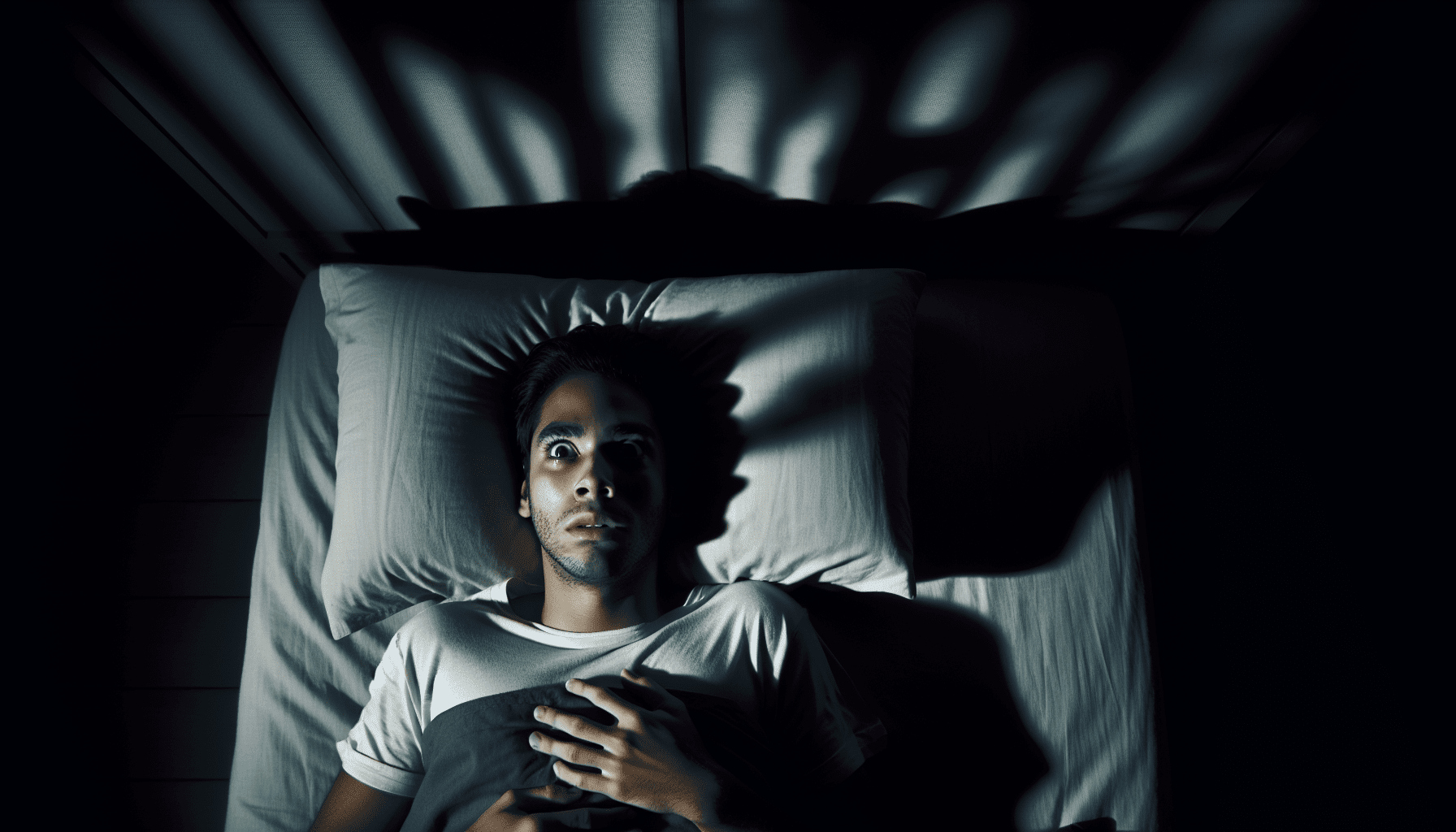
Have you ever woken up in the middle of the night unable to move or speak, feeling a heavy weight on your chest? If so, you might have experienced sleep paralysis. This phenomenon can be quite frightening and lead to anxiety and fear of sleeping. In this article, you will learn the top tips for dealing with sleep paralysis anxiety, so you can get a good night’s sleep without worrying about experiencing it again.
Understanding Sleep Paralysis
Sleep paralysis is a phenomenon where your mind is awake, but your body is still in a state of sleep, leading to a temporary inability to move or speak. It often occurs when transitioning between wakefulness and sleep, and can be accompanied by vivid hallucinations or a sense of impending doom. Understanding what sleep paralysis is and why it happens is the first step in managing the anxiety it can cause.
What Causes Sleep Paralysis?
Sleep paralysis is believed to occur when the body is unable to move during REM (rapid eye movement) sleep, which is when most dreaming occurs. This is a normal part of the sleep cycle to prevent you from acting out your dreams. However, in cases of sleep paralysis, you may become conscious while your body is still in this state of “paralysis.” Factors such as sleep deprivation, irregular sleep patterns, stress, and anxiety can increase the likelihood of experiencing sleep paralysis.

Coping Strategies for Dealing with Sleep Paralysis Anxiety
Dealing with sleep paralysis anxiety can be challenging, but there are several coping strategies you can implement to help manage and reduce your fear of experiencing it. By incorporating these tips into your daily routine, you can minimize the impact that sleep paralysis has on your overall mental well-being.
Establish a Consistent Sleep Schedule
Maintaining a regular sleep schedule is crucial in reducing the occurrence of sleep paralysis episodes. Going to bed and waking up at the same time every day helps regulate your body’s internal clock, making it easier to fall asleep and stay asleep throughout the night. Aim for at least 7-9 hours of sleep each night to ensure you are well-rested and less prone to experiencing sleep paralysis.
Create a Relaxing Bedtime Routine
Creating a calming bedtime routine can help signal to your body that it is time to wind down and prepare for sleep. Avoiding stimulating activities like watching TV or using electronic devices before bed can disrupt your natural sleep cycle and increase the likelihood of sleep paralysis. Instead, opt for relaxing activities such as reading a book, taking a warm bath, or practicing deep breathing exercises to promote relaxation and better sleep quality.
Manage Stress and Anxiety
Stress and anxiety are common triggers for sleep paralysis, so finding healthy ways to manage these emotions is essential in reducing your risk of experiencing it. Incorporating stress-relief techniques such as meditation, yoga, or journaling into your daily routine can help lower your overall stress levels and promote better sleep hygiene. Prioritize self-care practices that help you relax and unwind, especially before bedtime, to create a more peaceful sleep environment.
Improve Your Sleep Environment
Creating a comfortable and relaxing sleep environment is key in promoting restful sleep and minimizing the occurrence of sleep paralysis. Make sure your bedroom is cool, dark, and quiet to support a good night’s rest. Invest in a comfortable mattress and pillows that provide adequate support for your body. Consider using white noise machines or earplugs to block out any disruptive sounds that may interfere with your sleep. By optimizing your sleep environment, you can create the perfect conditions for a peaceful and uninterrupted night of sleep.

Seeking Professional Help
If you continue to experience severe anxiety or distress related to sleep paralysis, it may be beneficial to seek support from a mental health professional. Therapists or counselors trained in anxiety disorders can help you address and cope with your fears surrounding sleep paralysis. They can provide tools and techniques to manage anxiety, improve sleep quality, and develop healthy coping mechanisms for dealing with stressful situations. Remember that you are not alone in your experience, and seeking help is a brave and proactive step towards overcoming your fears.
Therapy and Counseling
Engaging in therapy or counseling sessions can be an effective way to address the underlying causes of your sleep paralysis anxiety and learn practical strategies to manage your symptoms. Cognitive-behavioral therapy (CBT) is a common approach used to treat anxiety and phobias by helping individuals identify and challenge negative thought patterns. By working with a therapist, you can explore your fears in a safe and supportive environment and develop coping mechanisms to reduce your anxiety levels.
Medication and Treatment Options
In some cases, medication may be recommended to help manage severe anxiety or insomnia associated with sleep paralysis. Your healthcare provider may prescribe antidepressants, anti-anxiety medications, or sleep aids to help regulate your sleep-wake cycle and reduce symptoms of anxiety. It is important to consult with a medical professional before starting any medication to ensure it is safe and appropriate for your specific needs. Additionally, exploring alternative treatments such as acupuncture, mindfulness meditation, or relaxation techniques can provide additional support in managing your sleep paralysis anxiety.

Conclusion
Dealing with sleep paralysis anxiety can be a challenging and distressing experience, but with the right strategies and support, you can overcome your fears and improve your overall sleep quality. By understanding the causes of sleep paralysis, implementing coping strategies to reduce anxiety, and seeking professional help when needed, you can regain control over your sleep and mental well-being. Remember to prioritize self-care, establish healthy sleep habits, and create a relaxing bedtime routine to promote restful and rejuvenating sleep. You deserve to feel safe and peaceful during your nights, free from the worry of sleep paralysis anxiety.