
Ever experienced the terrifying feeling of being unable to move or speak just after waking up or falling asleep? Don’t worry, you’re not alone. Sleep paralysis affects millions of people worldwide. But fear not, because we’ve got you covered with our top 10 ways to treat sleep paralysis. These simple and effective strategies will help you take control of your sleep experience and finally conquer those sleepless nights. So, get ready to bid farewell to those terrifying moments and say hello to a blissful night’s sleep.
Understand Sleep Paralysis
What is sleep paralysis?
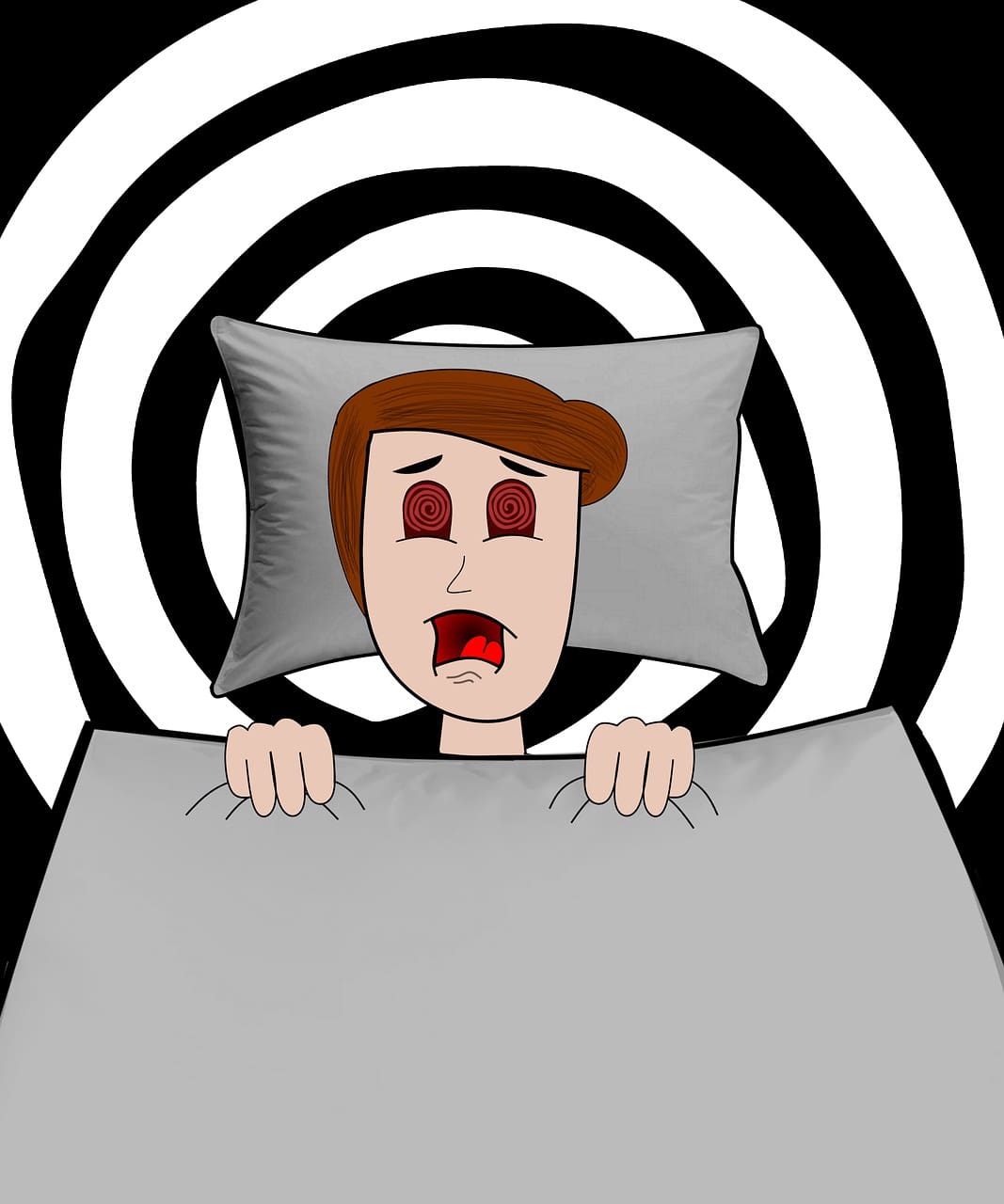
Sleep paralysis is a phenomenon where you experience a temporary inability to move or speak while transitioning between sleep and wakefulness. It can be a frightening experience as you may feel trapped within your own body, unable to control your movements. Sleep paralysis usually occurs when you are just waking up or falling asleep. It is a relatively common occurrence and can happen to anyone at some point in their lives.
Causes of sleep paralysis
Sleep paralysis can be caused by various factors, including sleep deprivation, irregular sleep patterns, and sleep disorders such as narcolepsy. Other potential causes include stress, anxiety, and sleep disturbances due to external factors like noise or uncomfortable sleeping conditions. The exact mechanism behind sleep paralysis is not fully understood, but it is believed to occur when the brain transitions between sleep stages too quickly.
Symptoms of sleep paralysis
The main symptom of sleep paralysis is the temporary inability to move or speak. During an episode, you may also experience a sense of pressure or weight on your chest, as well as hallucinations or a feeling of being watched. These hallucinations can be visual, auditory, or sensory in nature. Sleep paralysis episodes generally last for a few seconds to a couple of minutes, but they can feel much longer due to the distress they cause.
Ensure a Proper Sleep Schedule
Establish a consistent sleep routine
One of the key factors in promoting healthy sleep and reducing the occurrence of sleep paralysis is establishing a consistent sleep routine. Try to go to bed and wake up at the same time every day, even on weekends. This helps regulate your body’s internal clock, making it easier to fall asleep and wake up naturally.
Maintain a regular sleep schedule
In addition to sticking to a consistent sleep routine, it is important to maintain a regular sleep schedule throughout the week. Avoid staying up late or oversleeping on certain days, as this can disrupt your body’s natural sleep-wake cycle. Consistency is key when it comes to getting quality sleep and reducing the likelihood of sleep paralysis episodes.
Ensure adequate sleep duration
Getting enough sleep is crucial for overall well-being, and it can also help manage sleep paralysis. Aim for seven to nine hours of sleep per night, as this is the recommended duration for most adults. By prioritizing sleep and ensuring that you are getting enough rest, you can minimize the chances of experiencing sleep paralysis and improve your overall sleep quality.
Create a Sleep-Friendly Environment
Make your bedroom comfortable and relaxing
Creating a sleep-friendly environment is essential for promoting restful sleep and reducing the risk of sleep paralysis. Start by making your bedroom a comfortable and relaxing space. Choose a mattress and pillows that provide adequate support and comfort for your body. Consider using blackout curtains or an eye mask to block out any unwanted light that may interfere with your sleep.
Eliminate distractions and disruptive noises
In order to create an optimal sleep environment, it is important to eliminate distractions and disruptive noises. Turn off electronic devices such as televisions, computers, and smartphones that emit blue light and can disrupt your sleep patterns. Use earplugs or white noise machines to mask any external sounds that may disturb your sleep.
Keep the room cool, dark, and quiet
The temperature, lighting, and noise level in your bedroom can greatly impact your sleep quality and potentially contribute to sleep paralysis. Keep your bedroom cool, ideally between 60 and 67 degrees Fahrenheit, to promote better sleep. Use curtains or blinds to block out any outside light and ensure that your room is as dark as possible. Additionally, minimize any sources of noise or use earplugs to create a quieter sleep environment.
Manage Stress and Anxiety
Practice stress-reducing techniques
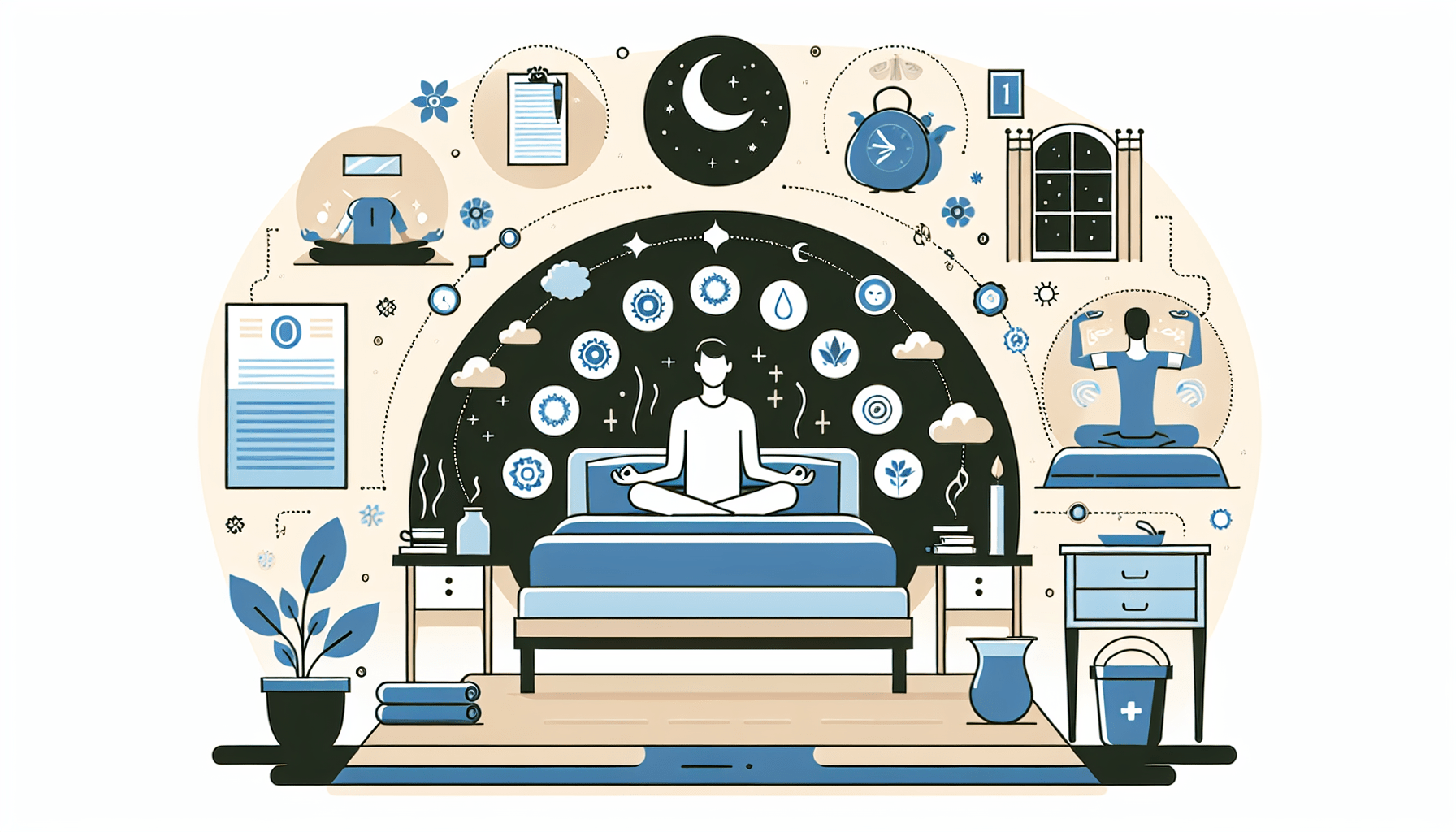
Stress and anxiety can disrupt your sleep patterns and increase the likelihood of experiencing sleep paralysis. To manage stress, incorporate stress-reducing techniques into your daily routine. This may include engaging in activities such as yoga, deep breathing exercises, or journaling. Find what works best for you and make it a regular part of your self-care routine.
Engage in relaxation exercises
Relaxation exercises can calm your mind and body, helping to reduce the occurrence of sleep paralysis. Experiment with techniques such as progressive muscle relaxation, guided imagery, or meditation to relax before bedtime. These practices can help alleviate stress and promote a more peaceful state of mind, enhancing your overall sleep quality.
Seek professional help if needed
If you find that stress and anxiety are significantly impacting your sleep and contributing to sleep paralysis, it may be beneficial to seek professional help. Consider reaching out to a therapist or counselor who specializes in sleep-related issues. They can provide guidance and support in managing stress and anxiety, ultimately helping you achieve better sleep and reducing the occurrence of sleep paralysis.
Improve Sleep Hygiene
Avoid stimulants close to bedtime
Certain substances can interfere with your ability to fall asleep and stay asleep, increasing the likelihood of sleep paralysis. Avoid consuming stimulants such as caffeine, nicotine, and alcohol close to bedtime. These substances can disrupt your sleep patterns and prevent you from achieving deep, restorative sleep. Instead, opt for herbal tea or other decaffeinated beverages in the evening.
Limit screen time before sleep
The blue light emitted by electronic devices like smartphones, tablets, and computers can suppress the production of melatonin, a hormone that promotes sleep. To improve sleep hygiene and reduce the risk of sleep paralysis, limit your screen time before bed. Ideally, avoid using electronic devices at least an hour before you plan to sleep to give your body a chance to wind down.
Create a bedtime routine
Establishing a consistent bedtime routine can signal to your body that it is time to relax and prepare for sleep. Engage in calming activities such as reading a book, taking a warm bath, or practicing relaxation exercises before bed. Avoid stimulating or mentally demanding activities that can make it harder for you to fall asleep. By creating a soothing bedtime routine, you can promote better sleep and decrease the likelihood of sleep paralysis.
Build Healthy Sleep Habits
Exercise regularly
Regular physical activity is not only beneficial for overall health but also plays a crucial role in improving sleep quality. Engaging in moderate-intensity exercise, such as brisk walking or cycling, for at least 30 minutes a day can help regulate your sleep-wake cycle and reduce the occurrence of sleep paralysis. Just make sure to complete your workout at least a few hours before bedtime to allow your body to wind down.
Maintain a balanced diet
Your eating habits can also influence your sleep quality. Aim for a balanced diet that includes whole foods, fruits, vegetables, and lean proteins. Avoid heavy, greasy meals close to bedtime, as they can cause discomfort and disrupt your sleep. Additionally, be mindful of your fluid intake, especially in the evening, to prevent waking up frequently to use the bathroom.
Avoid napping during the day
While a short power nap during the day can be refreshing, excessive daytime napping can interfere with your ability to fall asleep at night and disrupt your sleep schedule. If you struggle with sleep paralysis, try to avoid napping during the day or limit it to no more than 20 minutes. By maintaining a consistent sleep schedule and reducing daytime sleepiness, you can minimize the chances of experiencing sleep paralysis.
Consider Medication Options
Consult a healthcare professional
If sleep paralysis persists despite implementing lifestyle changes, it may be prudent to consult a healthcare professional. They can assess your specific situation and provide guidance on potential medication options. It is essential to address any underlying sleep disorders or medical conditions that may be contributing to your sleep paralysis.
Discuss potential medication options
There are certain medications that can be prescribed to manage sleep disorders or alleviate symptoms of sleep paralysis. These may include antidepressants, anti-anxiety medications, or sleep aids. However, medication should always be discussed and prescribed by a healthcare professional based on your individual needs and medical history.
Follow medical advice and guidelines
If your healthcare professional recommends medication as part of your treatment plan, it is important to follow their advice and guidelines precisely. Take the prescribed medication as directed and inform your healthcare provider of any side effects or concerns you may have. Continued communication and regular follow-ups with your healthcare professional are crucial in managing sleep paralysis effectively.
Try Relaxation Techniques
Practice deep breathing exercises
Deep breathing exercises can help calm your mind and body, preparing you for a restful night’s sleep and reducing the occurrence of sleep paralysis. Try taking slow, deep breaths in through your nose and exhaling through your mouth. Focus on your breath, allowing it to become slower and deeper with each inhalation and exhalation. This simple technique can help you relax and promote better sleep.
Explore mindfulness and meditation
Mindfulness and meditation can be effective tools for managing stress and anxiety, ultimately reducing the likelihood of sleep paralysis. Incorporate mindfulness techniques into your daily routine, such as focusing on the present moment and cultivating a non-judgmental awareness of your thoughts and emotions. Consider trying guided meditation apps or attending meditation classes to learn and develop your meditation practice.
Use calming scents or aromatherapy
Certain scents, such as lavender or chamomile, are known for their calming properties and can help create a relaxing atmosphere in your bedroom. Use essential oils or aromatherapy diffusers to infuse your sleep environment with these soothing scents. Alternatively, you can try incorporating these scents into your pre-sleep routine by using scented candles or pillow sprays. Experiment with different scents to find what works best for you.
Explore Cognitive Behavioral Therapy
Find a qualified therapist
Cognitive Behavioral Therapy (CBT) is a form of therapy that can be beneficial for managing sleep disorders, including sleep paralysis. It focuses on identifying and changing negative thought patterns and behaviors that contribute to sleep disturbances. Look for a qualified therapist or sleep specialist who specializes in CBT for insomnia or sleep-related issues.
Participate in CBT sessions
During CBT sessions, you will work with a therapist to develop effective coping strategies and techniques to address sleep paralysis. The goal is to change negative thought patterns and behaviors that may be contributing to your sleep difficulties. CBT can help you better understand your sleep patterns, manage stress, and develop healthy sleep habits that promote better overall sleep quality.
Learn coping strategies and techniques
Through CBT, you will learn various coping strategies and techniques to manage sleep paralysis effectively. These may include relaxation exercises, sleep scheduling, and cognitive restructuring. By incorporating these tools into your daily routine, you can reduce the frequency and intensity of sleep paralysis episodes, leading to improved sleep quality and overall well-being.
Seek Medical Evaluation
Consult a sleep specialist
If sleep paralysis persists or significantly interferes with your daily life, it is advisable to consult a sleep specialist. They are experts in diagnosing and treating sleep disorders and can help determine if there are any underlying conditions that may be causing your sleep paralysis. A sleep specialist will perform a comprehensive evaluation, which may involve a sleep study or other diagnostic tests.
Undergo medical tests if necessary
In some cases, medical tests may be necessary to identify and address potential underlying conditions contributing to sleep paralysis. These tests may include a polysomnogram (sleep study) to monitor your brain waves, heart rate, and breathing patterns during sleep. By undergoing medical tests, you can gain valuable insights into your sleep patterns and receive appropriate treatment for any underlying conditions.
Explore potential underlying conditions
Sleep paralysis can be associated with other sleep disorders, such as narcolepsy or sleep apnea. Your sleep specialist can help determine if you have any underlying conditions that require additional treatment. By addressing these conditions, you can effectively manage sleep paralysis and improve your overall sleep quality.
In conclusion, sleep paralysis can be a distressing experience, but there are effective ways to manage and reduce its occurrence. By understanding sleep paralysis, maintaining a proper sleep schedule, creating a sleep-friendly environment, managing stress and anxiety, improving sleep hygiene, building healthy sleep habits, considering medication options, trying relaxation techniques, exploring cognitive behavioral therapy, and seeking medical evaluation, you can take control of your sleep and minimize the impact of sleep paralysis on your overall well-being. Remember, it’s important to consult healthcare professionals and specialists for personalized guidance and support to find the most effective treatment plan for you.