
Are you tired of feeling trapped in your own bed, unable to move despite being fully awake? Sleep paralysis can be a terrifying experience that leaves many feeling anxious and overwhelmed. However, there is hope. With professional support, you can learn to manage the psychological impact of sleep paralysis and regain control over your sleep. In this article, we will explore the various ways in which mental health professionals can help you navigate this challenging phenomenon and provide you with the tools and techniques to overcome its effects. Say goodbye to sleepless nights and hello to a peaceful slumber!
Understanding Sleep Paralysis
What is Sleep Paralysis?
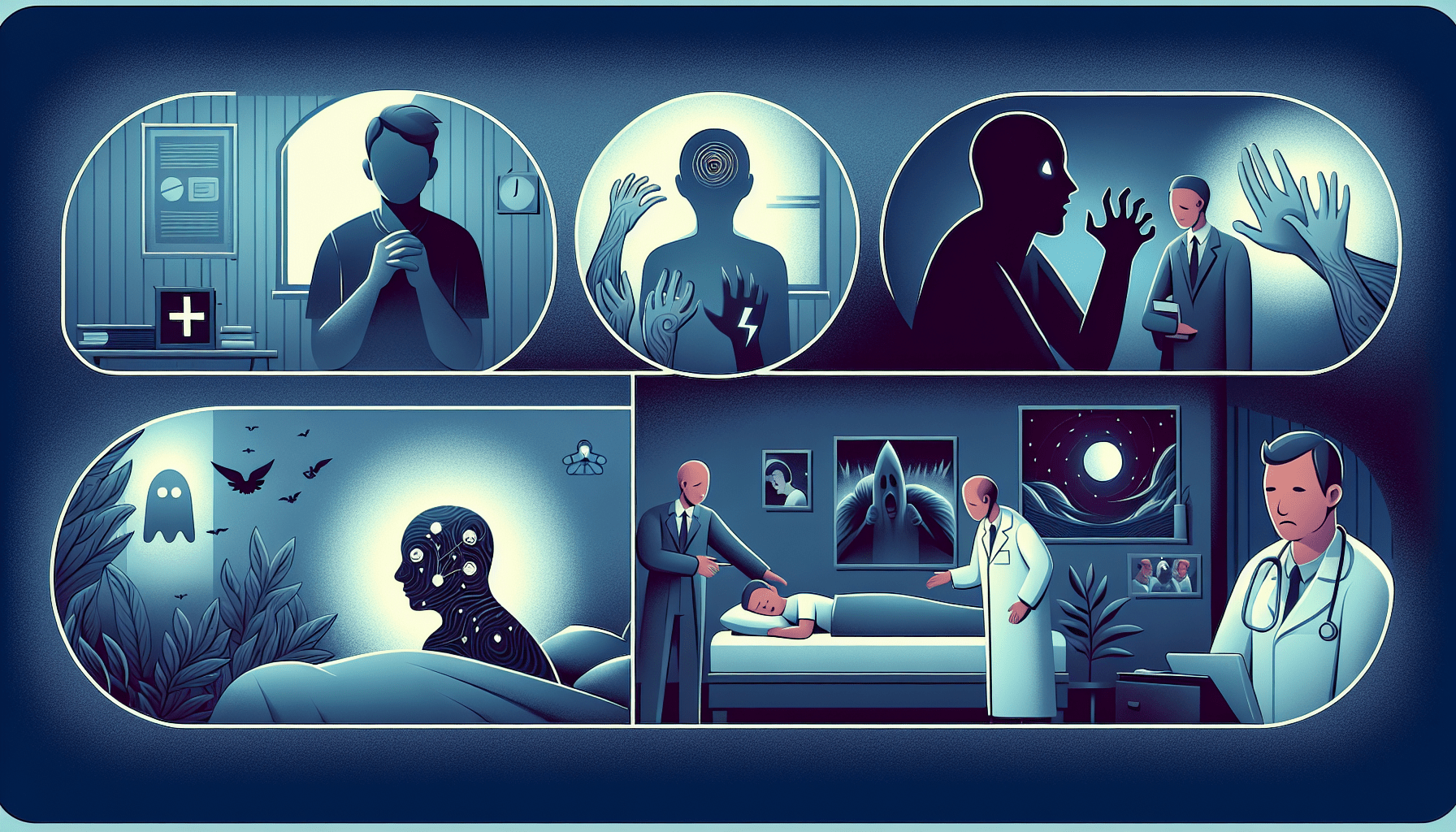
Sleep paralysis is a phenomenon that occurs during the transition between sleep and wakefulness. It involves a temporary inability to move or speak, often accompanied by vivid hallucinations and a feeling of pressure on the chest. While sleep paralysis typically lasts only a few seconds to a couple of minutes, it can be a frightening and distressing experience for those who regularly experience it.
Causes of Sleep Paralysis
Sleep paralysis can be caused by various factors, including sleep deprivation, irregular sleep schedules, disrupted sleep cycles, and underlying sleep disorders such as narcolepsy. It can also be triggered by stress, anxiety, and certain medications. Research suggests that genetics may play a role in predisposing some individuals to sleep paralysis, but more studies are needed to fully understand its origins.
Symptoms of Sleep Paralysis
The main symptom of sleep paralysis is the inability to move or speak upon waking up or falling asleep. This paralysis is often accompanied by hallucinations that can be visual, auditory, or tactile in nature. People experiencing sleep paralysis may also report a feeling of pressure on their chest, as if someone or something is sitting on them. The fear and anxiety associated with these experiences can further intensify the symptoms.
Psychological Impact of Sleep Paralysis
Anxiety and Fear
Sleep paralysis can provoke intense feelings of anxiety and fear. The inability to move or talk, coupled with hallucinations, can create a sense of helplessness and vulnerability. Many individuals who experience sleep paralysis report feeling as if they are being watched or attacked by malevolent entities. These distressing emotions can lead to increased anxiety and fear surrounding sleep, making it difficult to relax and fall asleep.
Depression and Mood Disorders
The recurrent nature of sleep paralysis and the associated distress can contribute to the development of depression and mood disorders. The disruption of sleep, as well as the psychological impact of the experiences themselves, can negatively affect one’s mood and overall well-being. Constant fear of experiencing sleep paralysis or the consequences of it can lead to a diminished quality of life and a persistent sense of sadness or hopelessness.
Post-Traumatic Stress Disorder (PTSD)
In some cases, the psychological impact of sleep paralysis can be severe enough to result in post-traumatic stress disorder (PTSD). Individuals who frequently experience terrifying hallucinations and feelings of helplessness may develop symptoms commonly associated with PTSD, such as intrusive thoughts, flashbacks, and heightened states of arousal. These symptoms can significantly impact daily functioning and require professional intervention.
Professional Support for Sleep Paralysis
Seeking Help from a Mental Health Professional
If you are struggling with the psychological impact of sleep paralysis, it is important to seek help from a mental health professional. A qualified therapist or counselor can provide guidance, support, and evidence-based treatments to help you manage and cope with your experiences. Consulting with a mental health professional can also help address any underlying anxiety or mood disorders that may be exacerbating sleep paralysis symptoms.
Cognitive Behavioral Therapy (CBT)
Cognitive Behavioral Therapy (CBT) is a widely used and effective approach for managing sleep paralysis and its associated psychological impact. CBT aims to identify and challenge negative thoughts and beliefs surrounding sleep paralysis, helping individuals develop healthier coping strategies and reduce anxiety. Techniques such as cognitive restructuring, exposure therapy, and stress management are commonly employed in CBT sessions for sleep paralysis.
Medication Management
In some cases, medication may be prescribed by a mental health professional to help manage the psychological symptoms of sleep paralysis. Antidepressants and anti-anxiety medications can be used to alleviate mood-related symptoms and reduce anxiety. Sleep medications may also be prescribed to regulate sleep patterns and minimize the occurrence of sleep paralysis episodes. It is crucial to consult with a medical professional before starting any medication.
Support Groups and Peer Counseling
Joining a support group or engaging in peer counseling can provide a helpful source of understanding and connection for individuals experiencing sleep paralysis. Support groups offer a space to share experiences, exchange coping strategies, and receive emotional support from others who can relate to the challenges of living with sleep paralysis. Online communities and forums can also serve as valuable resources for connecting with others who share similar experiences.
Finding the Right Mental Health Professional
Psychiatrist
A psychiatrist is a medical doctor specializing in diagnosing and treating mental health disorders. They are qualified to prescribe medication and can offer a comprehensive evaluation and treatment plan for individuals experiencing sleep paralysis and its psychological impact. Consulting with a psychiatrist can be particularly beneficial for those with underlying psychiatric conditions that may contribute to sleep paralysis.
Psychologist
Psychologists are professionals trained in the field of psychology and are equipped to provide psychological assessments, counseling, and therapy. They often specialize in specific areas of mental health, including sleep disorders and trauma. A psychologist can help individuals explore the psychological impact of sleep paralysis and implement evidence-based interventions to alleviate distressing symptoms.
Mental Health Counselor
Mental health counselors focus on providing counseling services and support to individuals experiencing psychological difficulties. They may use various therapeutic techniques to address sleep paralysis and its impact on mental well-being. Mental health counselors can help individuals develop coping strategies, improve sleep hygiene, and manage anxiety associated with sleep paralysis.
Sleep Specialist
A sleep specialist, often a neurologist or pulmonologist, specializes in diagnosing and treating sleep disorders. They can conduct sleep studies and provide comprehensive evaluations to determine the underlying causes of sleep paralysis. Sleep specialists are well-equipped to offer guidance on sleep hygiene, develop personalized treatment plans, and recommend interventions to manage sleep paralysis effectively.

Cognitive Behavioral Therapy (CBT)
CBT for Sleep Paralysis
Cognitive Behavioral Therapy (CBT) can be highly effective in reducing the psychological distress caused by sleep paralysis. In CBT sessions, a trained therapist will help you understand the underlying thought patterns and beliefs contributing to your anxiety and fear surrounding sleep paralysis. By identifying and challenging these negative thoughts, you can develop healthier perspectives and coping mechanisms for managing sleep paralysis.
Identifying and Challenging Negative Thoughts
One of the primary goals of CBT for sleep paralysis is to identify and challenge negative thoughts associated with the experience. For example, an individual may believe that sleep paralysis is dangerous and that they are powerless to protect themselves during such episodes. Through therapy, these negative thoughts can be examined and replaced with more realistic and positive beliefs, reducing anxiety and fear.
Exposure Therapy
Exposure therapy is a technique commonly used in CBT for sleep paralysis. It involves gradually exposing individuals to situations or stimuli that trigger their fear and anxiety, in this case, sleep paralysis-related experiences. Under the guidance of a therapist, individuals learn to confront and tolerate their fears, ultimately reducing the distress associated with sleep paralysis.
Stress Management Techniques
Stress management techniques, such as deep breathing exercises, progressive muscle relaxation, and meditation, can be incorporated into CBT for sleep paralysis. These techniques help individuals reduce overall stress levels, promoting relaxation and better sleep quality. By developing effective stress management strategies, individuals can improve their ability to cope with sleep paralysis episodes and the associated psychological impact.
Medication Management for Sleep Paralysis
Prescription Medications
Prescription medications may be recommended by a mental health professional to manage the psychological symptoms of sleep paralysis. These medications are typically used to alleviate anxiety and depression, which can often accompany sleep paralysis. It is important to work closely with a medical professional to determine the most appropriate medication and dosage based on individual needs and medical history.
Antidepressants
Antidepressants, such as selective serotonin reuptake inhibitors (SSRIs), can be prescribed to individuals experiencing depression or anxiety related to sleep paralysis. These medications work to regulate mood and reduce symptoms of anxiety, improving overall mental well-being. It is essential to follow the prescribed dosage and consult with a medical professional regarding any potential side effects or interactions with other medications.
Anti-anxiety Medications
Anti-anxiety medications, such as benzodiazepines, may be prescribed on a short-term basis to help manage acute episodes of anxiety associated with sleep paralysis. These medications act quickly to reduce anxiety and promote relaxation. However, they are generally not recommended for long-term use due to the potential for dependence and other side effects. Regular follow-ups with a medical professional are crucial when using anti-anxiety medications.
Sleep Medications
Sleep medications, such as sedatives or hypnotics, may be prescribed to individuals struggling with sleep disturbances caused by sleep paralysis. These medications can help regulate sleep patterns and improve sleep quality, potentially reducing the occurrence of sleep paralysis episodes. However, it is important to use sleep medications strictly as prescribed and under the supervision of a medical professional, as they can have side effects and may not be suitable for everyone.
Support Groups and Peer Counseling
Benefits of Support Groups
Support groups can provide a wealth of benefits for individuals experiencing sleep paralysis. Connecting with others who share similar experiences can decrease feelings of isolation and provide a sense of validation and understanding. Support groups offer a safe space to discuss challenges, share coping strategies, and seek advice from individuals who have firsthand knowledge of living with sleep paralysis. Participants often report increased feelings of support and improved well-being.
Online Communities and Forums
The internet provides a vast array of online communities and forums dedicated to sleep disorders, including sleep paralysis. These virtual spaces allow individuals to connect with others from around the world, sharing their experiences, concerns, and coping mechanisms. Online communities can be particularly valuable for those who may have limited access to in-person support groups or prefer the anonymity of online interactions.
Peer-to-Peer Counseling
Peer-to-peer counseling involves seeking support from individuals who have successfully managed their own sleep paralysis experiences. These individuals can offer guidance, share personal strategies, and provide encouragement to help others navigate their own challenges. Peer-to-peer counseling can be an excellent complement to professional support, offering additional perspectives and real-life examples of effective coping techniques.
Sharing Experiences and Coping Strategies
One of the most significant benefits of support groups and peer counseling is the opportunity to share experiences and coping strategies. Individuals can discuss what has worked for them, offer suggestions, and provide emotional support to others facing similar difficulties. Through these interactions, individuals can gain a sense of empowerment and develop a toolkit of strategies to manage sleep paralysis and its psychological impact.
Self-Help Techniques for Managing Sleep Paralysis
Improving Sleep Hygiene
Maintaining good sleep hygiene is crucial for individuals experiencing sleep paralysis. This includes establishing a regular sleep schedule, creating a comfortable sleep environment, avoiding stimulating activities before bed, and practicing relaxation techniques. By optimizing sleep hygiene, individuals can improve the quality and consistency of their sleep, potentially reducing the occurrence of sleep paralysis episodes.
Relaxation Techniques
Relaxation techniques, such as deep breathing, progressive muscle relaxation, and guided imagery, can help calm the mind and body before sleep. These techniques promote relaxation, reduce stress levels, and enhance overall sleep quality. Incorporating relaxation practices into a bedtime routine can help individuals relax and alleviate anxiety, potentially minimizing the psychological distress associated with sleep paralysis.
Lucid Dreaming
Lucid dreaming involves becoming aware that you are dreaming while in the midst of a dream. Some individuals have reported being able to manipulate their dreams and overcome the paralysis experienced during sleep paralysis episodes by practicing lucid dreaming techniques. Although research in this area is limited, exploring lucid dreaming with the guidance of a mental health professional or sleep specialist may offer potential benefits for some individuals.
Maintaining a Regular Sleep Schedule
Establishing a consistent sleep schedule can help regulate sleep patterns and reduce the incidence of sleep paralysis. Going to bed and waking up at the same time each day, even on weekends, can help synchronize the body’s internal clock and promote better sleep quality. Maintaining a regular sleep schedule may also contribute to reducing anxiety and improving overall mental well-being.
Educating Yourself and Loved Ones
Understanding Sleep Paralysis
Educating yourself about sleep paralysis is an important step in managing its psychological impact. By learning about the underlying causes, symptoms, and available treatments, you can gain a better understanding of your experiences and develop strategies for coping. There are numerous resources available, including books, research articles, and online materials, that can provide valuable insights into sleep paralysis.
Explaining Sleep Paralysis to Others
Explaining sleep paralysis to your loved ones can be beneficial for both you and them. Sharing accurate information about the condition can help dispel any misconceptions or fears they may have. It can also provide a platform for discussing your experiences and the support you need. By fostering open and honest communication, you can strengthen your relationships and build a network of support.
Supportive Family and Friends
Having a supportive network of family and friends can greatly impact your ability to manage the psychological impact of sleep paralysis. Lean on your loved ones for emotional support, understanding, and encouragement. Educate them about sleep paralysis and communicate your needs effectively. Knowing that you have people in your corner who believe and support you can make a significant difference in your overall well-being.
Reducing Stigma and Misconceptions
Sleep paralysis is still widely misunderstood and stigmatized. By sharing your experiences and educating others, you can help reduce the stigma surrounding the condition. Encourage open conversations about sleep disorders and mental health, helping to create a more empathetic and supportive society. By challenging misconceptions and fostering understanding, you can pave the way for improved awareness and acceptance of sleep paralysis.
Creating a Supportive Sleep Environment
Creating a Calm Bedroom Atmosphere
Creating a calm and relaxing bedroom atmosphere can contribute to better sleep quality for individuals with sleep paralysis. Minimize noise, reduce clutter, and create a visually soothing environment. Consider using calming colors, such as blues or neutrals, and incorporating elements such as soft lighting or nature-inspired decor. Designing a peaceful space can help promote relaxation and enhance the overall sleep experience.
Optimizing Bedding and Sleep Essentials
Investing in comfortable bedding and sleep essentials can significantly contribute to improving sleep quality for those with sleep paralysis. Choose a supportive mattress and pillows that suit your individual needs. Consider using bedding materials that regulate temperature, such as breathable fabrics or cooling mattresses. Additionally, exploring sleep aids, such as weighted blankets or white noise machines, may offer additional comfort and promote a restful sleep.
Using Nightlights or Dim Lighting
For individuals who experience fear or anxiety during sleep paralysis episodes, incorporating nightlights or dim lighting can help create a sense of security. Soft lighting can help alleviate fear and make it easier to orient oneself upon waking during an episode. Experiment with different levels of lighting to find what works best for you and promotes a calming environment.
Avoiding Stimulants Before Bed
Stimulants such as caffeine, nicotine, and alcohol can interfere with sleep quality and potentially trigger sleep paralysis episodes. Avoid consuming stimulants in the hours leading up to bedtime to optimize your sleep and reduce the likelihood of experiencing sleep paralysis. Opt for calming beverages like herbal tea instead and establish a relaxing bedtime routine that promotes healthy sleep habits.
In conclusion, sleep paralysis can have a significant psychological impact on individuals who experience it regularly. It is essential to seek professional support to manage the anxiety, fear, and potential mood disorders associated with sleep paralysis. Cognitive Behavioral Therapy, medication management, support groups, and self-help techniques can provide effective strategies for coping with sleep paralysis and reducing its psychological impact. Educating oneself and loved ones about the condition is crucial for creating a supportive network and reducing stigma. By implementing self-help techniques and creating a supportive sleep environment, individuals can take steps towards managing sleep paralysis and improving their overall well-being. Remember, you don’t have to face sleep paralysis alone – reach out for professional help and connect with others who understand your experiences. Together, we can navigate the challenges of sleep paralysis and find ways to thrive.