

Sleep paralysis is a phenomenon that many people experience at some point in their lives, yet it remains an enigma for those who have never encountered it. During sleep paralysis, you find yourself awake but unable to move, as if trapped within your own body. This unsettling experience can evoke a range of emotions and psychological effects, such as fear, anxiety, and even hallucinations. Understanding the psychological effects of sleep paralysis is crucial in demystifying this peculiar occurrence and finding ways to cope with its impact.

1. Understanding Sleep Paralysis
1.1 Definition
Sleep paralysis is a phenomenon that occurs during the transition between wakefulness and sleep, characterized by the temporary inability to move or speak. It is often accompanied by a sense of pressure on the chest and a feeling of being completely immobilized. During sleep paralysis, individuals may also experience vivid hallucinations, making it a truly unnerving experience.
1.2 Causes
The exact cause of sleep paralysis is still unclear, but it is believed to be triggered by a disruption in the sleep cycle. This disruption can be caused by various factors such as sleep deprivation, irregular sleep patterns, stress, and even certain medications. Sleep paralysis is also more commonly experienced by individuals who have a history of sleep disorders, such as narcolepsy.
1.3 Symptoms
The primary symptom of sleep paralysis is the temporary inability to move or speak, often lasting for a few seconds to a few minutes. During this time, individuals may also experience hallucinations, which can range from mildly unsettling to downright terrifying. It is important to note that sleep paralysis is not physically harmful and does not cause any lasting physical damage.
2. Impact on Mental Health
2.1 Anxiety
Sleep paralysis can have a significant impact on mental health, particularly in terms of anxiety. The experience of being unable to move or speak while experiencing vivid, often unsettling hallucinations can be incredibly distressing. This can lead to heightened levels of anxiety, as individuals may fear the onset of future episodes of sleep paralysis, causing them to worry about falling asleep.
2.2 Depression
The recurrent episodes of sleep paralysis can also contribute to feelings of depression. The unsettling nature of the experience, coupled with the potential disruption of sleep patterns, can leave individuals feeling emotionally drained. Over time, this can lead to a sense of hopelessness and sadness, making it difficult for individuals to find enjoyment in their daily lives.
2.3 Post-Traumatic Stress Disorder (PTSD)
In some cases, the psychological impact of sleep paralysis can be severe enough to result in symptoms of post-traumatic stress disorder (PTSD). The intense fear and helplessness experienced during sleep paralysis episodes can cause individuals to develop a heightened sensitivity to potential triggers and reminders of the experience, leading to flashbacks, nightmares, and hyperarousal.

3. Sleep Disturbances
3.1 Insomnia
Sleep paralysis can often coexist with insomnia, a sleep disorder characterized by difficulty falling asleep or staying asleep. The anxiety and fear associated with sleep paralysis can disrupt normal sleep patterns, leading to increased difficulty in getting a good night’s sleep. This can create a vicious cycle, as the lack of sleep can exacerbate the frequency and intensity of sleep paralysis episodes.
3.2 Disrupted Sleep Patterns
Sleep paralysis can also lead to disrupted sleep patterns beyond insomnia. The fear of experiencing another episode can cause individuals to avoid sleep or develop irregular sleep schedules, further exacerbating the disruption of their sleep patterns. This can result in chronic sleep deprivation, which can have numerous negative effects on physical and mental health.
3.3 Excessive Daytime Sleepiness
Due to the frequent disruptions in sleep caused by sleep paralysis, individuals may experience excessive daytime sleepiness. The inability to get proper restorative sleep can result in persistent fatigue, lack of energy, and difficulties in maintaining focus throughout the day. This can significantly impact daily functioning and productivity.
4. Hallucinations and Distorted Perceptions
4.1 Hypnagogic Hallucinations
One of the most unsettling aspects of sleep paralysis is the occurrence of hallucinations, known as hypnagogic hallucinations. These hallucinations can involve vivid and often disturbing images, sounds, or sensations that appear to be real to the individual experiencing them. The line between the dream world and reality becomes blurred, adding to the overall confusion and fear associated with sleep paralysis.
4.2 Out-of-Body Experiences
Another common hallucination experienced during sleep paralysis is the sensation of having an out-of-body experience. Individuals may feel as if they are floating above their own bodies, observing themselves from a distance. This can be a disorienting and frightening experience, adding to the psychological distress caused by sleep paralysis.
4.3 Sensory Changes
During episodes of sleep paralysis, individuals may also experience sensory changes, such as heightened sensitivity to light, sound, or touch. These sensory distortions can further contribute to feelings of anxiety and fear, as they can intensify the overall intensity of the sleep paralysis experience.

5. Fear and Panic
5.1 Dread and Intense Fear
The experience of sleep paralysis is often associated with a profound sense of dread and intense fear. The combination of being physically immobilized while experiencing hallucinations can be extremely distressing. This fear can be so overwhelming that individuals may develop a fear of falling asleep, leading to significant anxiety and sleep disturbances.
5.2 Fear of Going to Sleep
As sleep paralysis episodes tend to occur during the transition between wakefulness and sleep, individuals may develop a heightened fear of going to bed. The possibility of experiencing another episode can cause significant anxiety, making it difficult for individuals to relax and fall asleep. This fear can further contribute to the development of insomnia and disrupted sleep patterns.
5.3 Panic Attacks
In some cases, the fear associated with sleep paralysis can trigger panic attacks. The intense feelings of terror and helplessness can overwhelm individuals to the point where they experience symptoms such as rapid heartbeat, shortness of breath, chest pain, and a sense of impending doom. Panic attacks occurring in the context of sleep paralysis can further heighten the psychological impact of the experience.
6. Impact on Daily Functioning
6.1 Daytime Fatigue
The disrupted sleep patterns and excessive daytime sleepiness caused by sleep paralysis can severely impact an individual’s daily functioning. Persistent fatigue can make it challenging to perform well at work or school, affecting productivity and overall quality of life. The constant struggle with sleepiness can also increase the risk of accidents and injuries.
6.2 Impaired Concentration
Sleep paralysis can significantly impair concentration and cognitive function. The persistent tiredness and the psychological effects of the experience can make it difficult to focus on tasks and sustain attention. This can have a negative impact on work or academic performance and make it challenging to perform even simple daily activities.
6.3 Memory Problems
The disrupted sleep associated with sleep paralysis can also lead to memory problems. Sleep plays a vital role in memory consolidation, and the lack of quality sleep caused by sleep paralysis can impair the brain’s ability to properly store and retrieve information. This can result in difficulties with remembering new information and events, further adding to the challenges faced in daily functioning.
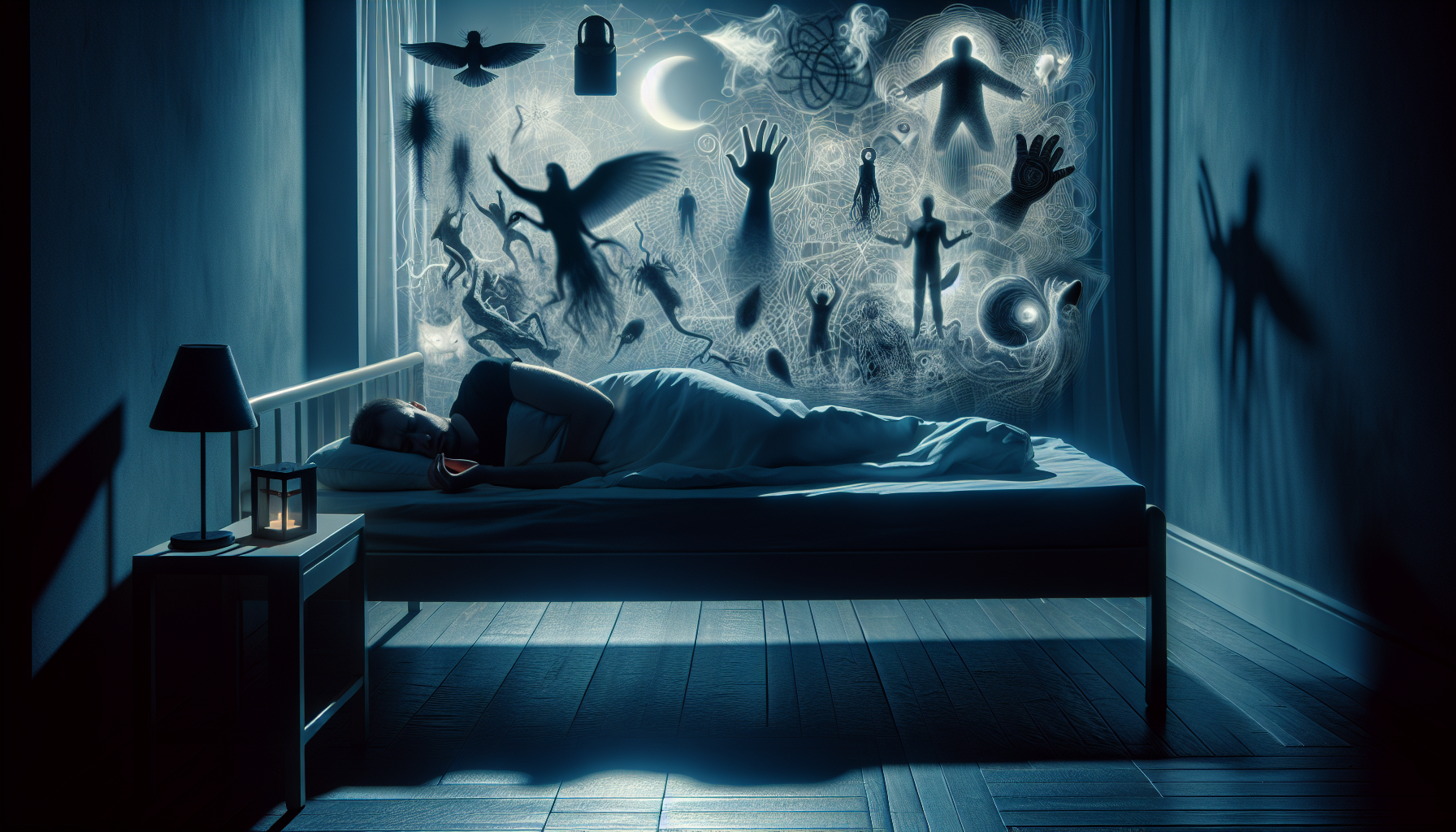
7. Relationship with Sleep Disorders
7.1 Sleep Apnea
Sleep paralysis has been found to have a significant association with sleep apnea, a sleep disorder characterized by interruptions in breathing during sleep. The frequent awakenings caused by sleep apnea can disrupt the sleep cycle and increase the likelihood of experiencing sleep paralysis episodes. Furthermore, the anxiety and fear associated with sleep paralysis can exacerbate the symptoms of sleep apnea, creating a detrimental cycle between the two conditions.
7.2 Narcolepsy
Sleep paralysis is commonly associated with narcolepsy, a chronic sleep disorder characterized by excessive daytime sleepiness and sudden episodes of sleep. Individuals with narcolepsy often experience sleep paralysis as they transition between wakefulness and sleep. The overlap between the two conditions can intensify the psychological and physical challenges faced by individuals living with narcolepsy.
7.3 REM Sleep Behavior Disorder
REM sleep behavior disorder (RBD) is characterized by the loss of muscle atonia during REM sleep, which can lead to individuals acting out their dreams physically. Sleep paralysis can be a feature of RBD and commonly occurs as individuals wake up from a REM sleep episode. The coexistence of sleep paralysis and RBD can result in a range of complex sleep-related issues and psychological distress.
8. Coping Strategies
8.1 Sleep Hygiene
Maintaining good sleep hygiene is essential for managing sleep paralysis and its psychological effects. This includes establishing a regular sleep schedule, creating a calming bedtime routine, and ensuring a comfortable sleep environment. Additionally, avoiding stimulants, such as caffeine and nicotine, close to bedtime can help promote better sleep quality.
8.2 Relaxation Techniques
Learning and practicing relaxation techniques, such as deep breathing exercises, progressive muscle relaxation, and meditation, can help alleviate anxiety and promote relaxation before sleep. These techniques can help individuals relax their minds and bodies, reducing the likelihood of sleep paralysis episodes and improving overall sleep quality.
8.3 Therapy and Counseling
Seeking therapy or counseling can be beneficial for individuals experiencing significant psychological distress due to sleep paralysis. Cognitive-behavioral therapy (CBT) can help individuals address anxiety, improve coping mechanisms, and challenge any negative thought patterns associated with sleep paralysis. Additionally, counseling can provide a safe space for individuals to express their fears and concerns, offering support and guidance through the management of sleep paralysis.

9. Seeking Professional Help
9.1 Importance of Diagnosis
Considering the significant impact sleep paralysis can have on an individual’s mental health and daily functioning, seeking a proper diagnosis is crucial. It is important to differentiate sleep paralysis from other sleep disorders or medical conditions that may present similar symptoms. A healthcare professional can perform a comprehensive evaluation and determine the underlying factors contributing to sleep paralysis.
9.2 Consulting a Sleep Specialist
In some cases, individuals may benefit from consulting a sleep specialist who has expertise in sleep disorders. Sleep specialists can conduct specialized sleep studies, such as polysomnography, to monitor brain activity, breathing patterns, and muscle movements during sleep. These investigations can provide valuable insights into the factors contributing to sleep paralysis and guide appropriate treatment strategies.
9.3 Medical Interventions
In severe cases of sleep paralysis or when coexisting sleep disorders are present, medical interventions may be necessary. Medications, such as selective serotonin reuptake inhibitors (SSRIs) or certain anti-anxiety medications, may be prescribed to help manage underlying anxiety or depression. Additionally, treating any coexisting sleep disorders, such as sleep apnea or narcolepsy, can also alleviate the frequency and intensity of sleep paralysis episodes.
10. Research and Future Perspectives
10.1 Ongoing Studies
Researchers continue to investigate the underlying causes and mechanisms of sleep paralysis to develop a better understanding of this phenomenon. Ongoing studies focus on exploring the relationship between sleep paralysis and neurological conditions, as well as the impact of various treatment approaches on reducing the frequency and severity of sleep paralysis episodes.
10.2 Advancements in Treatment Options
Advancements in treatment options are being actively explored to better manage sleep paralysis and its psychological effects. These include the development of targeted therapies and medications that can help regulate sleep cycles and reduce the occurrence of sleep paralysis episodes. Additionally, innovative techniques such as transcranial magnetic stimulation (TMS) are being investigated as potential treatments for severe cases of sleep paralysis.
10.3 Awareness and Education
Increasing awareness and education about sleep paralysis is vital to help individuals understand the phenomenon and reduce associated fear and anxiety. By fostering a better understanding of sleep paralysis in the general population, individuals affected by it can feel more supported and empowered to seek appropriate help and implement effective coping strategies.