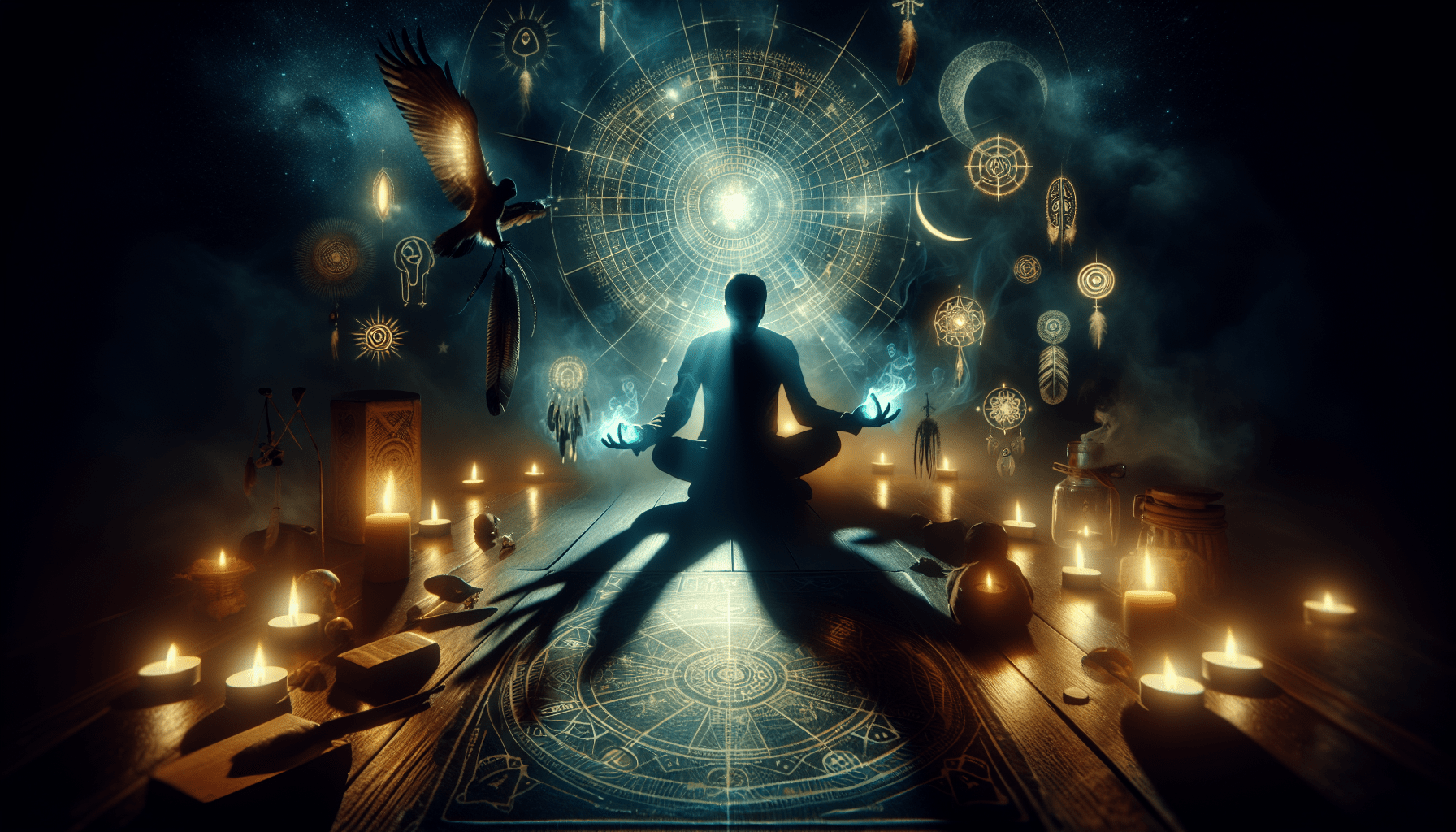
Welcome to our discussion about the role of sleep paralysis in indigenous cultures. It may surprise you to learn that sleep paralysis is not just a frightening phenomenon experienced by people worldwide, but also holds significant cultural and spiritual significance for many indigenous communities. In some cultures, sleep paralysis is viewed as a doorway to the spirit world, allowing individuals to connect with their ancestors or receive important messages. Join us as we explore the unique perspectives and beliefs surrounding sleep paralysis in various indigenous cultures around the world. Have you ever experienced sleep paralysis? You wake up unable to move, feeling a presence in the room, and a sense of dread washes over you. Sleep paralysis is a phenomenon that has been experienced by people around the world, including those in indigenous cultures. In this article, we will explore the role of sleep paralysis in various indigenous cultures and how it is perceived and understood within these communities.
Understanding Sleep Paralysis
Sleep paralysis is a phenomenon that occurs when a person wakes up during the REM (rapid eye movement) stage of sleep and is temporarily unable to move or speak. It can be a frightening experience, often accompanied by hallucinations and a feeling of pressure on the chest. While scientists attribute sleep paralysis to disruptions in the REM sleep cycle, different cultures have their own interpretations of this phenomenon.
In indigenous cultures, sleep paralysis is often seen as a spiritual experience rather than a medical one. The belief is that during sleep paralysis, a person’s soul is vulnerable and susceptible to spiritual forces. This belief has led to various rituals and practices in indigenous cultures to protect against or cope with sleep paralysis.
Sleep Paralysis in Native American Cultures
In Native American cultures, sleep paralysis is often viewed as a visitation from spirits or a form of communication from the spirit world. It is believed that during sleep paralysis, the individual’s spirit leaves their body and is free to roam the spiritual realm. This can be a terrifying experience, as the individual may encounter malevolent spirits or entities.
To protect against sleep paralysis, Native American tribes have developed rituals and ceremonies to ward off negative energies and protect the soul during sleep. These rituals often involve the burning of herbs such as sage or sweetgrass, chanting of prayers, and the creation of protective talismans.
Sleep Paralysis in Aboriginal Cultures
In Aboriginal cultures in Australia, sleep paralysis is interpreted as an encounter with the “old man spirit,” a malevolent entity that preys on vulnerable souls during sleep. It is believed that the old man spirit is responsible for causing illness and misfortune in individuals who are visited during sleep paralysis.
To protect against the old man spirit, Aboriginal communities often perform purification ceremonies and rituals to cleanse the body and spirit of negative energies. These ceremonies may involve the use of smoke, dance, and chanting to drive away evil spirits and protect against sleep paralysis.
Sleep Paralysis in Maori Culture
In Maori culture in New Zealand, sleep paralysis is known as “whiro” and is believed to be caused by the presence of malevolent spirits in the sleeping environment. It is said that during whiro, the individual’s soul is vulnerable to attack from these spirits, leading to feelings of fear and helplessness.
To protect against whiro, Maori communities employ various rituals and practices to ward off evil spirits and protect the soul during sleep. These rituals often involve the use of protective charms, prayers, and the invoking of ancestors for guidance and protection.
Coping with Sleep Paralysis
While sleep paralysis can be a terrifying experience, there are ways to cope with and reduce its occurrence. In indigenous cultures, coping mechanisms often involve a combination of spiritual practices, rituals, and community support to protect against negative energies and spiritual attacks during sleep paralysis.
Spiritual Protection
One common method of coping with sleep paralysis in indigenous cultures is the use of spiritual protection. This can involve the creation of protective talismans, the burning of sacred herbs, or the chanting of prayers to ward off negative energies and protect the soul during sleep.
Community Support
In many indigenous cultures, community support plays a vital role in coping with sleep paralysis. Individuals who experience sleep paralysis are often encouraged to seek guidance from elders, spiritual leaders, or community healers who can offer support, advice, and protection against malevolent spirits.
Rituals and Ceremonies
Rituals and ceremonies are an integral part of coping with sleep paralysis in indigenous cultures. These rituals often involve the use of traditional practices such as chanting, drumming, dance, and storytelling to cleanse the body and spirit of negative energies and protect against spiritual attacks during sleep paralysis.
Seeking Help
If you are experiencing frequent episodes of sleep paralysis and are struggling to cope with its effects, it is essential to seek help from a medical professional or mental health provider. While spiritual practices and rituals can offer comfort and support, it is crucial to address any underlying medical or psychological issues that may be contributing to sleep paralysis.
Medical Evaluation
A medical evaluation can help identify any underlying medical conditions or sleep disorders that may be contributing to sleep paralysis. A healthcare provider can conduct a thorough assessment and recommend treatments or interventions to help manage and reduce the frequency of sleep paralysis episodes.
Counseling and Therapy
Counseling and therapy can be beneficial for individuals experiencing distressing episodes of sleep paralysis. A mental health provider can offer counseling, cognitive-behavioral therapy, or other therapeutic interventions to help address anxiety, fear, and other emotional issues associated with sleep paralysis.
Conclusion
Sleep paralysis is a phenomenon that transcends cultural boundaries and has been experienced by people around the world, including those in indigenous cultures. While the scientific explanation for sleep paralysis focuses on disruptions in the REM sleep cycle, indigenous cultures have their own spiritual interpretations and coping mechanisms for this phenomenon.
In Native American, Aboriginal, Maori, and other indigenous cultures, sleep paralysis is often seen as a spiritual experience that requires protection and support from the community. Rituals, ceremonies, and spiritual practices are used to ward off negative energies and protect the soul during sleep paralysis.
If you are experiencing sleep paralysis and are struggling to cope with its effects, remember that you are not alone. Seek help from a medical professional, mental health provider, or community support network to address any underlying issues and find ways to manage and reduce the frequency of sleep paralysis episodes. Remember, there is power in seeking help and support.