
Have you ever woken up in the middle of the night unable to move? You may have experienced sleep paralysis. In this article, we will explore the latest studies on the connection between sleep paralysis and sleep disorders. Let’s dive into the fascinating world of sleep science together!

What is Sleep Paralysis?
Sleep paralysis is a phenomenon that occurs when your mind is awake, but your body is still asleep. It usually happens during the transition between wakefulness and sleep. During an episode of sleep paralysis, you may feel like you cannot move or speak, which can be incredibly frightening. Many people also report experiencing hallucinations during these episodes.
Feeling Trapped in Your Own Body
Imagine waking up in the middle of the night, unable to move a muscle. You try to shout for help, but no sound comes out. This feeling of being trapped in your own body is a common experience for those who suffer from sleep paralysis. It can be a terrifying and disorienting sensation, leading to feelings of helplessness and fear.
Types of Sleep Paralysis
There are two main types of sleep paralysis: isolated sleep paralysis and recurrent isolated sleep paralysis. Isolated sleep paralysis occurs sporadically and may happen once or twice in your lifetime. Recurrent isolated sleep paralysis, on the other hand, is when these episodes happen more frequently.
Isolated Sleep Paralysis
For some people, sleep paralysis is a one-time occurrence that may never happen again. This isolated sleep paralysis can be triggered by stress, lack of sleep, changes in sleep schedule, or even sleeping on your back. While it can be a frightening experience, it is not necessarily a cause for concern if it happens infrequently.
Recurrent Isolated Sleep Paralysis
If you experience sleep paralysis on a regular basis, you may have recurrent isolated sleep paralysis. This chronic condition can be more distressing and disruptive to your sleep patterns. It is important to seek help from a healthcare professional if you are experiencing recurrent episodes of sleep paralysis.

Sleep Disorders and Sleep Paralysis
Sleep paralysis is often associated with other sleep disorders, such as narcolepsy and sleep apnea. Understanding the connection between sleep paralysis and these conditions can help in proper diagnosis and treatment.
Narcolepsy
Narcolepsy is a neurological disorder that affects the brain’s ability to regulate sleep-wake cycles. One of the hallmark symptoms of narcolepsy is excessive daytime sleepiness, but it can also be accompanied by sleep paralysis. People with narcolepsy may experience sleep paralysis when falling asleep or waking up.
Sleep Apnea
Sleep apnea is a sleep disorder characterized by pauses in breathing during sleep. These interruptions in breathing can lead to poor sleep quality and daytime fatigue. Some individuals with sleep apnea may also experience episodes of sleep paralysis as a result of disrupted sleep patterns.
The Role of REM Sleep
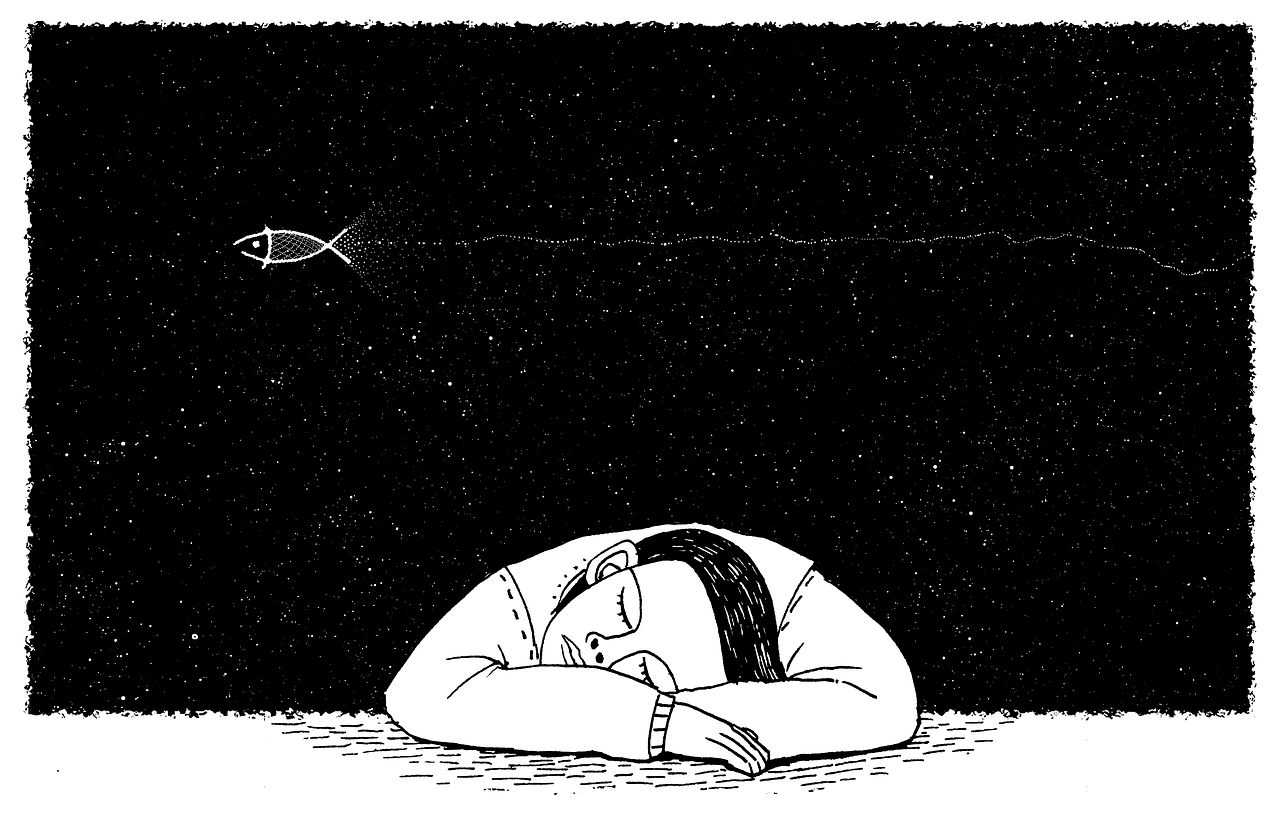
Rapid Eye Movement (REM) sleep is a stage of sleep where most dreaming occurs. During REM sleep, your brain is active, but your body is mostly immobile to prevent you from acting out your dreams. Sleep paralysis can occur when there is a disruption in the normal REM sleep cycle.
REM Sleep Behavior Disorder
REM Sleep Behavior Disorder is a condition where the paralysis that normally occurs during REM sleep is incomplete or absent. This can result in individuals physically acting out their dreams, which can be dangerous. Understanding the relationship between REM sleep and sleep paralysis can provide insight into the underlying causes of these episodes.

Treatment Options for Sleep Paralysis
There is no specific treatment for sleep paralysis, but managing stress, improving sleep hygiene, and treating underlying sleep disorders can help reduce the frequency of episodes.
Stress Management
Stress can trigger episodes of sleep paralysis, so finding effective ways to manage stress can be beneficial. Techniques such as mindfulness meditation, deep breathing exercises, and progressive muscle relaxation can help reduce stress levels and improve sleep quality.
Improving Sleep Hygiene
Good sleep hygiene practices, such as maintaining a consistent sleep schedule, creating a relaxing bedtime routine, and ensuring your sleep environment is conducive to sleep, can help prevent episodes of sleep paralysis. Avoiding stimulants like caffeine and electronic devices before bedtime can also improve sleep quality.
Treating Underlying Sleep Disorders
If you have an underlying sleep disorder, such as narcolepsy or sleep apnea, treating these conditions with medication, continuous positive airway pressure (CPAP) therapy, or other interventions can help alleviate symptoms of sleep paralysis. Consulting with a sleep specialist can provide insight into the best treatment options for your specific situation.

Conclusion
In conclusion, sleep paralysis is a fascinating yet unsettling phenomenon that affects many people. Understanding the connection between sleep paralysis and sleep disorders is essential for proper diagnosis and treatment. By exploring the latest studies in sleep science, we can further our knowledge of this mysterious sleep disorder. Remember, if you are experiencing frequent episodes of sleep paralysis, seek help from a healthcare professional to address any underlying issues. Sweet dreams!