
Have you ever experienced the terrifying sensation of being unable to move when you wake up, also known as sleep paralysis? Or perhaps you’ve heard of lucid dreaming and wondered how you could experience it for yourself. In this article, we will explore the fascinating intersection of sleep paralysis and lucid dreaming techniques, and how you can navigate this unique state of consciousness.

Understanding Sleep Paralysis
Sleep paralysis is a phenomenon that occurs when you wake up from sleep but are unable to move your body. It often comes with a feeling of pressure on your chest, making it difficult to breathe. While this experience can be frightening, it is actually a common occurrence and typically lasts for a few seconds to a few minutes.
What Causes Sleep Paralysis?
Sleep paralysis occurs when your brain wakes up from the rapid eye movement (REM) stage of sleep but your body remains temporarily paralyzed. This is a natural mechanism that prevents you from acting out your dreams and potentially harming yourself while asleep. However, when this process is disrupted, it can result in the phenomenon of sleep paralysis.
Tips for Coping with Sleep Paralysis
If you experience sleep paralysis, it’s important to remain calm and remind yourself that it is temporary. Focus on controlling your breathing and try to slowly move your fingers or toes to help break the paralysis. Keeping a regular sleep schedule and creating a relaxing bedtime routine can also help reduce the frequency of sleep paralysis episodes.
Exploring Lucid Dreaming
Lucid dreaming is a state of consciousness where you are aware that you are dreaming and can actively participate in and manipulate the dream experience. This phenomenon opens up a world of possibilities for exploring your subconscious mind, facing fears, and even improving real-life skills.
How to Achieve Lucid Dreaming
There are various techniques you can use to train your brain to achieve lucid dreaming. One popular method is reality checks, where you perform routine checks throughout the day to determine whether you are dreaming or awake. Another technique is keeping a dream journal to improve dream recall and increase awareness of when you are dreaming.
Benefits of Lucid Dreaming
Lucid dreaming can offer a range of benefits, including enhanced creativity, problem-solving skills, and emotional healing. By engaging in lucid dreaming, you can confront fears, explore new experiences, and gain insights into your subconscious mind. It can also be a tool for practicing real-life scenarios, such as public speaking or athletic performance.
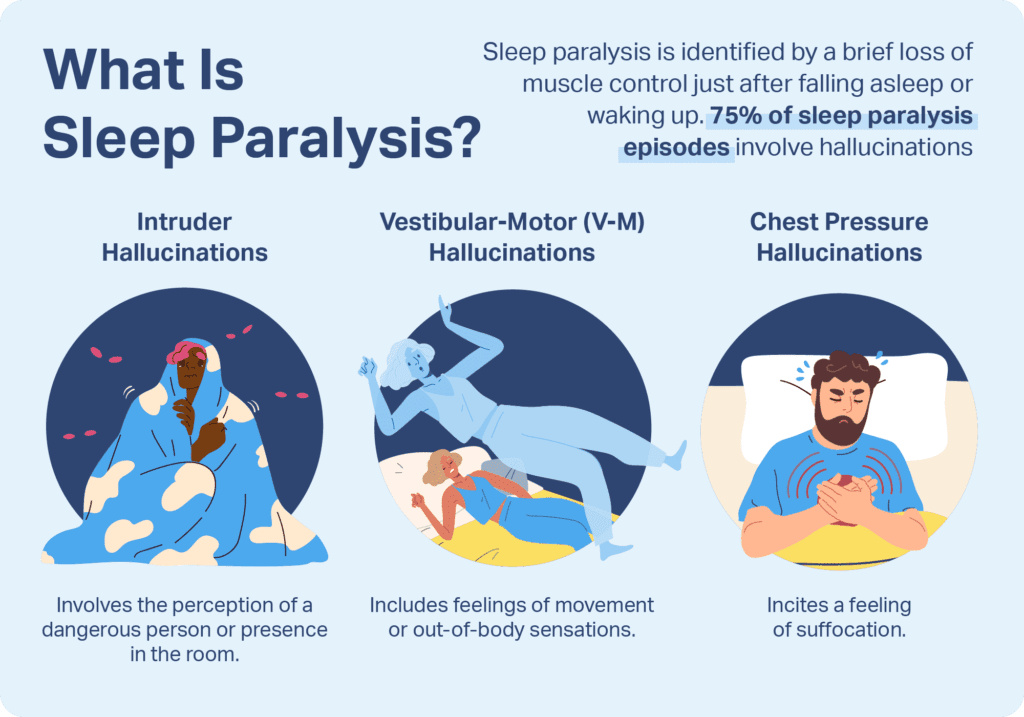
The Connection Between Sleep Paralysis and Lucid Dreaming
While sleep paralysis and lucid dreaming are often viewed as separate phenomena, they are actually closely interconnected. Both states involve a unique awareness of your consciousness during altered states of sleep, allowing for a deeper exploration of your inner experiences.
Overcoming Fear in Sleep Paralysis
One of the common themes in both sleep paralysis and lucid dreaming is the presence of fear. In sleep paralysis, this fear can be overwhelming due to the sensation of being trapped and unable to move. However, by recognizing the transient nature of sleep paralysis and viewing it as a gateway to lucid dreaming, you can transform fear into curiosity and empowerment.
Using Sleep Paralysis as a Gateway to Lucid Dreaming
Many experienced lucid dreamers have found that sleep paralysis can serve as a stepping stone to entering a lucid dream. By remaining calm during sleep paralysis and focusing on transitioning into a dream state, you can harness the altered consciousness to enter a lucid dream and explore a world limited only by your imagination.

Lucid Dreaming Techniques to Enhance Sleep Paralysis Experiences
If you are interested in utilizing sleep paralysis as a gateway to lucid dreaming, there are several techniques you can use to enhance your experiences.
Wake-Induced Lucid Dreaming (WILD)
Wake-Induced Lucid Dreaming (WILD) is a technique that involves transitioning from a waking state directly into a lucid dream. To achieve this, you can practice relaxation techniques such as progressive muscle relaxation or deep breathing to enter a state of calm awareness. By maintaining focus and intention, you can guide yourself into a lucid dream from sleep paralysis.
Mnemonic Induction of Lucid Dreams (MILD)
The Mnemonic Induction of Lucid Dreams (MILD) technique involves setting intentions before sleep to become aware that you are dreaming. By repeating a mantra such as “I will be aware that I am dreaming” before falling asleep, you can program your subconscious mind to recognize dream states and trigger lucidity. This technique is especially effective when combined with reality checks and dream journaling.
Visualization and Reality Testing
Visualization techniques can also be helpful in enhancing lucid dreaming experiences through sleep paralysis. By visualizing yourself transitioning from sleep paralysis into a lucid dream, you can create a mental framework for navigating the dream environment. Reality testing, such as regularly questioning your surroundings to determine if you are dreaming, can reinforce your awareness and trigger lucidity during dreams.

Creating a Lucid Dreaming Routine
To maximize your chances of experiencing lucid dreams through sleep paralysis, it is important to establish a consistent lucid dreaming routine. By incorporating the following practices into your daily life, you can increase your awareness of dream states and enhance your ability to engage in lucid dreaming.
Reality Checks
Reality checks are a fundamental aspect of lucid dreaming that involve questioning your state of wakefulness throughout the day. By regularly performing reality checks, such as trying to push your finger through your palm or reading the time on a clock, you can condition yourself to recognize dream signs and trigger lucidity during dreams.
Dream Journaling
Keeping a dream journal is a valuable tool for improving dream recall and increasing awareness of your dream environment. By writing down details of your dreams immediately upon waking, you can train your brain to pay closer attention to dream content and identify recurring themes or symbols that may indicate a dream state.
Mindfulness Meditation
Mindfulness meditation is a practice that involves cultivating awareness of the present moment without judgment. By incorporating mindfulness into your daily routine, you can enhance your ability to stay present during sleep paralysis and transition into lucid dreaming states. Practicing mindfulness meditation before bed can also promote relaxation and reduce stress, creating an optimal environment for lucid dreaming.

Conclusion
The intersection of sleep paralysis and lucid dreaming techniques offers a unique opportunity to explore your consciousness and expand your understanding of your dream world. By understanding the relationship between these states and incorporating proven techniques into your routine, you can enhance your sleep experiences and unlock the potential for profound self-discovery. Embrace the journey of navigating the realm of sleep paralysis and lucid dreaming, and let your inner explorer guide you through the limitless landscapes of your mind.