

Treatment Options For Sleep Paralysis: A Complete Overview
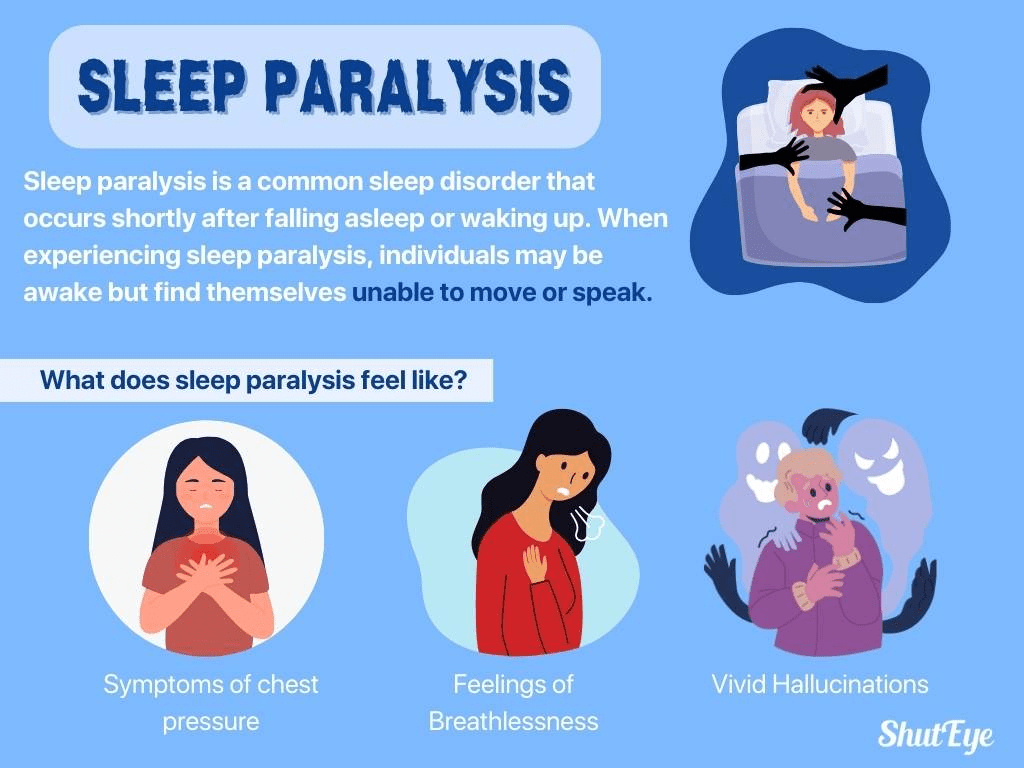
Have you ever experienced the terrifying sensation of waking up unable to move or speak, feeling a heavy pressure on your chest, and sensing a presence in the room? If so, you may have experienced sleep paralysis. This phenomenon affects a significant portion of the population, causing distress and fear. Fortunately, there are various treatment options available to help manage and alleviate the symptoms of sleep paralysis. In this comprehensive guide, we will explore the different methods and strategies that can be employed to address this unsettling condition.
Understanding Sleep Paralysis
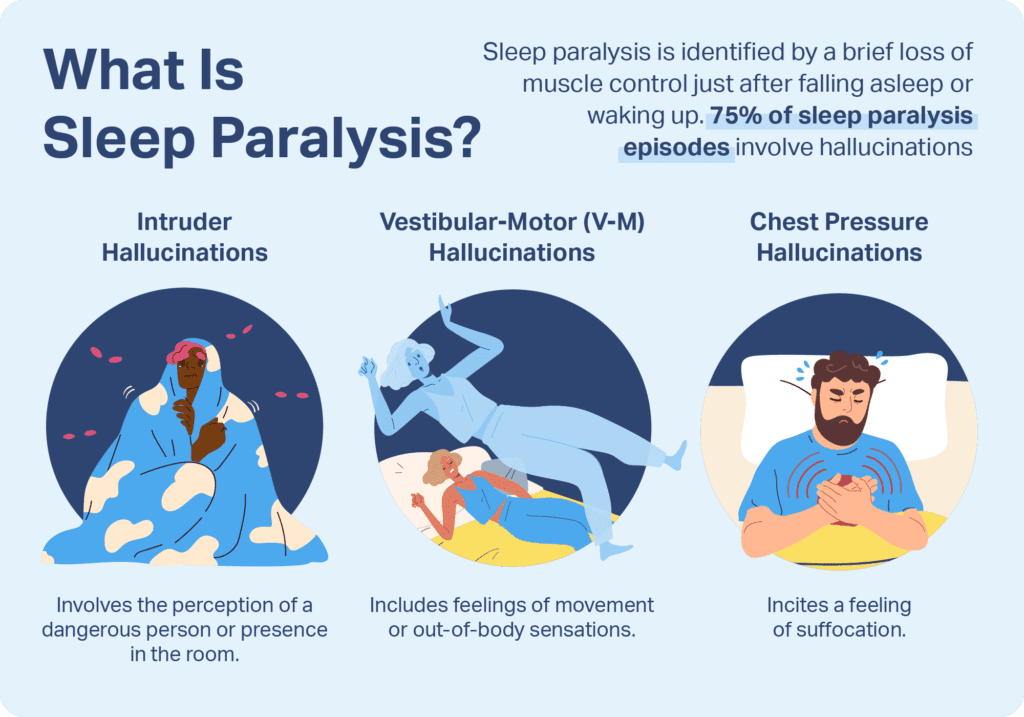
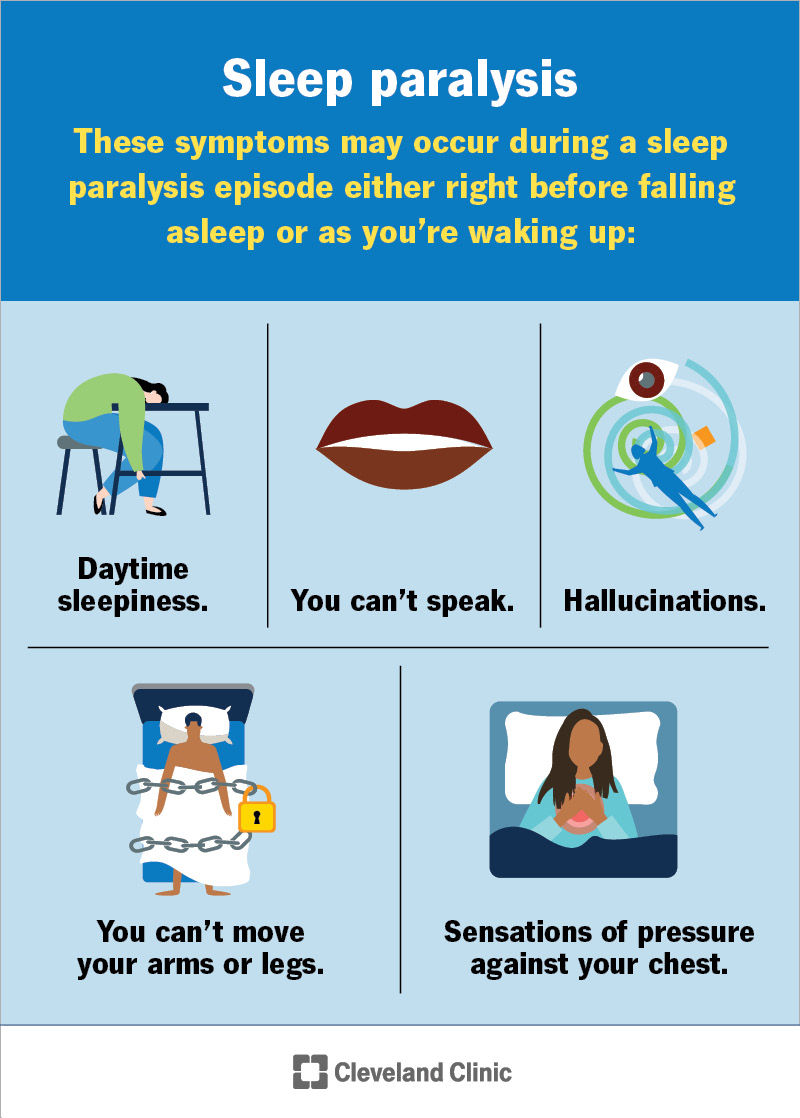
Before delving into the treatment options for sleep paralysis, it is essential to understand the nature of this phenomenon. Sleep paralysis occurs when a person is temporarily unable to move, speak, or react while falling asleep or waking up. This can be accompanied by hallucinations and a feeling of pressure on the chest, leading to a sense of fear and confusion.
One of the key factors that contribute to sleep paralysis is disrupted REM (rapid eye movement) sleep. During REM sleep, the body is immobilized to prevent acting out dreams. However, in the case of sleep paralysis, this immobilization persists even after the person has woken up, causing them to be aware of their surroundings but unable to move.
Seeking Professional Help
If you are experiencing recurring episodes of sleep paralysis that are causing significant distress or impacting your daily life, it is crucial to seek the guidance of a healthcare professional. A doctor or sleep specialist can conduct a thorough evaluation to determine the underlying causes of your sleep paralysis and recommend appropriate treatment options.
Consultation with a Sleep Specialist
A sleep specialist is a medical professional who specializes in the diagnosis and treatment of sleep disorders. During a consultation with a sleep specialist, you can discuss your symptoms, medical history, and any potential triggers or contributing factors to your sleep paralysis. The specialist may recommend further testing, such as a sleep study, to gather more information about your sleeping patterns and identify any underlying sleep disorders.
Psychological Evaluation
In some cases, sleep paralysis can be linked to psychological factors such as stress, anxiety, or trauma. A psychological evaluation conducted by a mental health professional can help uncover any emotional or psychological factors that may be contributing to your sleep paralysis. Therapy or counseling may be recommended as part of a comprehensive treatment plan to address these issues.
Lifestyle Modifications
In addition to seeking professional help, making lifestyle modifications can also play a significant role in managing sleep paralysis. By implementing healthy habits and creating a conducive sleep environment, you can improve the quality of your sleep and reduce the frequency of sleep paralysis episodes.
Establishing a Consistent Sleep Schedule
Maintaining a regular sleep schedule can help regulate your body’s internal clock and improve the quality of your sleep. Aim to go to bed and wake up at the same time every day, even on weekends. Consistency in your sleep routine can minimize disruptions to your sleep cycle and reduce the likelihood of experiencing sleep paralysis.
Creating a Relaxing Bedtime Routine
Engaging in calming activities before bedtime can signal to your body that it is time to relax and prepare for sleep. Consider incorporating relaxation techniques such as deep breathing, meditation, or gentle stretching into your nightly routine. Avoid stimulating activities such as watching TV or using electronic devices in the hour leading up to bedtime.
Improving Sleep Environment
Creating a sleep-conducive environment can contribute to better sleep quality and reduce the occurrence of sleep paralysis. Keep your bedroom dark, cool, and quiet to promote restful sleep. Invest in a comfortable mattress and pillows that support your sleeping position and help prevent discomfort during the night.
Medications
In some cases, medication may be prescribed to help manage the symptoms of sleep paralysis. It is important to consult with a healthcare provider before taking any medications to ensure their safety and effectiveness in treating your condition.
Antidepressants
Antidepressants such as selective serotonin reuptake inhibitors (SSRIs) or tricyclic antidepressants are sometimes prescribed to help regulate sleep patterns and reduce the occurrence of sleep paralysis episodes. These medications can also address underlying anxiety or depression that may be contributing to your symptoms.
Muscle Relaxants
Muscle relaxants may be recommended to help alleviate the sensation of paralysis and stiffness that can occur during sleep paralysis. These medications work by reducing muscle tension and promoting relaxation, making it easier for the body to transition in and out of sleep stages.
Stimulants
In some cases, stimulant medications may be prescribed to help regulate the sleep-wake cycle and promote alertness during the day. By enhancing wakefulness and reducing daytime drowsiness, stimulants can help improve overall sleep quality and reduce the risk of experiencing sleep paralysis.
Behavioral Therapy
Behavioral therapy techniques can be effective in managing sleep paralysis by addressing underlying issues and promoting healthy sleep habits. Working with a therapist or counselor can provide you with the skills and strategies needed to cope with sleep paralysis and reduce its impact on your life.
Cognitive-Behavioral Therapy (CBT)
Cognitive-behavioral therapy is a type of therapy that focuses on identifying and challenging negative thought patterns and behaviors. CBT can help you reframe your beliefs about sleep paralysis and develop coping mechanisms to reduce fear and anxiety associated with the condition. By addressing underlying psychological factors, CBT can lead to lasting improvements in sleep quality and overall well-being.
Relaxation Techniques
Learning relaxation techniques such as progressive muscle relaxation, guided imagery, or mindfulness meditation can help reduce stress and promote relaxation before bedtime. By incorporating these techniques into your daily routine, you can create a sense of calm and tranquility that can improve sleep quality and reduce the likelihood of experiencing sleep paralysis.
Sleep Hygiene Education
Educating yourself about the principles of good sleep hygiene can empower you to make positive changes to your sleep habits and environment. By practicing good sleep hygiene, such as avoiding caffeine and alcohol before bedtime, maintaining a comfortable sleep environment, and establishing a relaxing bedtime routine, you can improve the quality of your sleep and minimize the occurrence of sleep paralysis.
Alternative Therapies
In addition to conventional treatments, some people find relief from sleep paralysis symptoms by exploring alternative therapies and complementary approaches. While not scientifically proven to cure sleep paralysis, these therapies can provide additional support and help manage the condition.
Acupuncture
Acupuncture is a traditional Chinese medicine practice that involves inserting thin needles into specific points on the body to restore balance and promote healing. Some individuals report relief from sleep paralysis symptoms after undergoing acupuncture treatments. By stimulating energy flow and promoting relaxation, acupuncture may help reduce the frequency and severity of sleep paralysis episodes.
Herbal Remedies
Certain herbal remedies and supplements are believed to have calming and sedative effects that can promote better sleep quality. Common herbs used to address sleep disorders include valerian root, chamomile, and passionflower. However, it is essential to consult with a healthcare provider before taking any herbal remedies to ensure their safety and efficacy.
Yoga and Meditation
Yoga and meditation practices can help reduce stress, promote relaxation, and improve sleep quality. By incorporating gentle yoga poses, breathing exercises, and mindfulness meditation into your daily routine, you can create a sense of peace and tranquility that can enhance your overall well-being and reduce the likelihood of experiencing sleep paralysis.
Conclusion
Sleep paralysis can be a frightening and unsettling experience, but there are various treatment options available to help manage and alleviate its symptoms. By seeking professional help, making lifestyle modifications, exploring medication options, engaging in behavioral therapy, and exploring alternative therapies, you can take proactive steps to address sleep paralysis and improve your overall sleep quality. Remember that finding the right combination of treatments may require time and patience, so it is essential to work closely with healthcare providers to develop a comprehensive treatment plan that meets your individual needs. With the proper support and guidance, you can effectively manage sleep paralysis and enjoy restful and rejuvenating sleep.