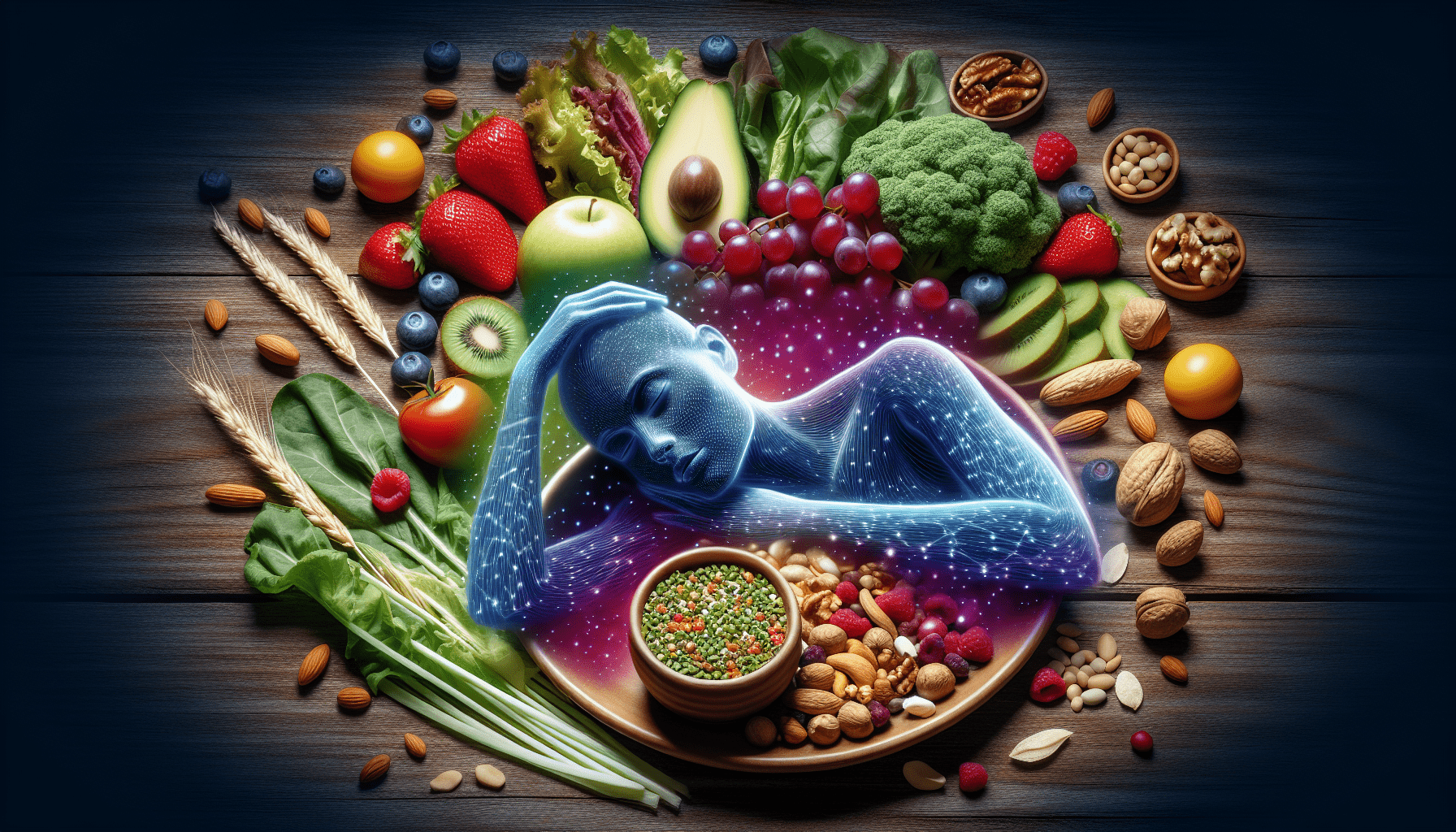
Welcome to an informative article about the important role that diet and nutrition play in preventing sleep paralysis. By making simple changes to your diet and focusing on nutritious foods, you can potentially reduce the occurrence of this unsettling experience. From incorporating more magnesium-rich foods to avoiding caffeine and heavy meals before bedtime, the choices you make in your daily diet can have a significant impact on your sleep quality and overall well-being. Let’s explore the ways in which you can improve your sleep health through healthy eating habits. Have you ever experienced the terrifying sensation of being awake but unable to move during sleep paralysis? This unsettling experience can be caused by a variety of factors, including stress, sleep deprivation, and even your diet and nutrition. In this article, we will explore the role that diet and nutrition play in preventing sleep paralysis, and provide you with tips on how to make dietary changes to promote better sleep and overall health.
Understanding Sleep Paralysis
Sleep paralysis is a phenomenon in which a person experiences temporary paralysis of the body during sleep or upon waking up. This condition is often accompanied by hallucinations or a sense of impending doom, making it a frightening and disorienting experience. While sleep paralysis is typically harmless and not a sign of any serious underlying medical condition, it can have a significant impact on a person’s mental and emotional well-being.
What causes sleep paralysis?
Sleep paralysis is believed to occur when the body is unable to smoothly transition between the stages of sleep. During the rapid eye movement (REM) stage of sleep, the brain is highly active, while the body remains immobile to prevent acting out dreams. In individuals with sleep paralysis, this paralysis persists even after waking up, leading to a frightening sensation of being trapped in one’s own body.
The Connection Between Diet and Sleep Paralysis
While the exact causes of sleep paralysis are not fully understood, research suggests that certain dietary habits and nutrient deficiencies may play a role in its development. Poor diet and inadequate nutrition can disrupt the delicate balance of neurotransmitters and hormones in the brain, impacting sleep quality and increasing the risk of sleep disorders such as sleep paralysis.
How does diet impact sleep quality?
The foods and beverages you consume can have a profound impact on the quality of your sleep. A diet high in processed foods, sugar, caffeine, and alcohol can disrupt the circadian rhythm, the body’s internal clock that regulates sleep-wake cycles. These substances can interfere with the production of melatonin, a hormone that promotes sleep, leading to difficulty falling asleep and staying asleep throughout the night.
The role of nutrition in sleep disorders
Nutrient deficiencies, such as magnesium, vitamin D, and iron, have been linked to various sleep disorders, including sleep paralysis. These essential nutrients play a crucial role in the regulation of neurotransmitters and hormones involved in the sleep-wake cycle. Inadequate intake of these nutrients can disrupt the body’s ability to achieve restful sleep, increasing the likelihood of experiencing sleep paralysis episodes.

Foods to Include in Your Diet to Prevent Sleep Paralysis
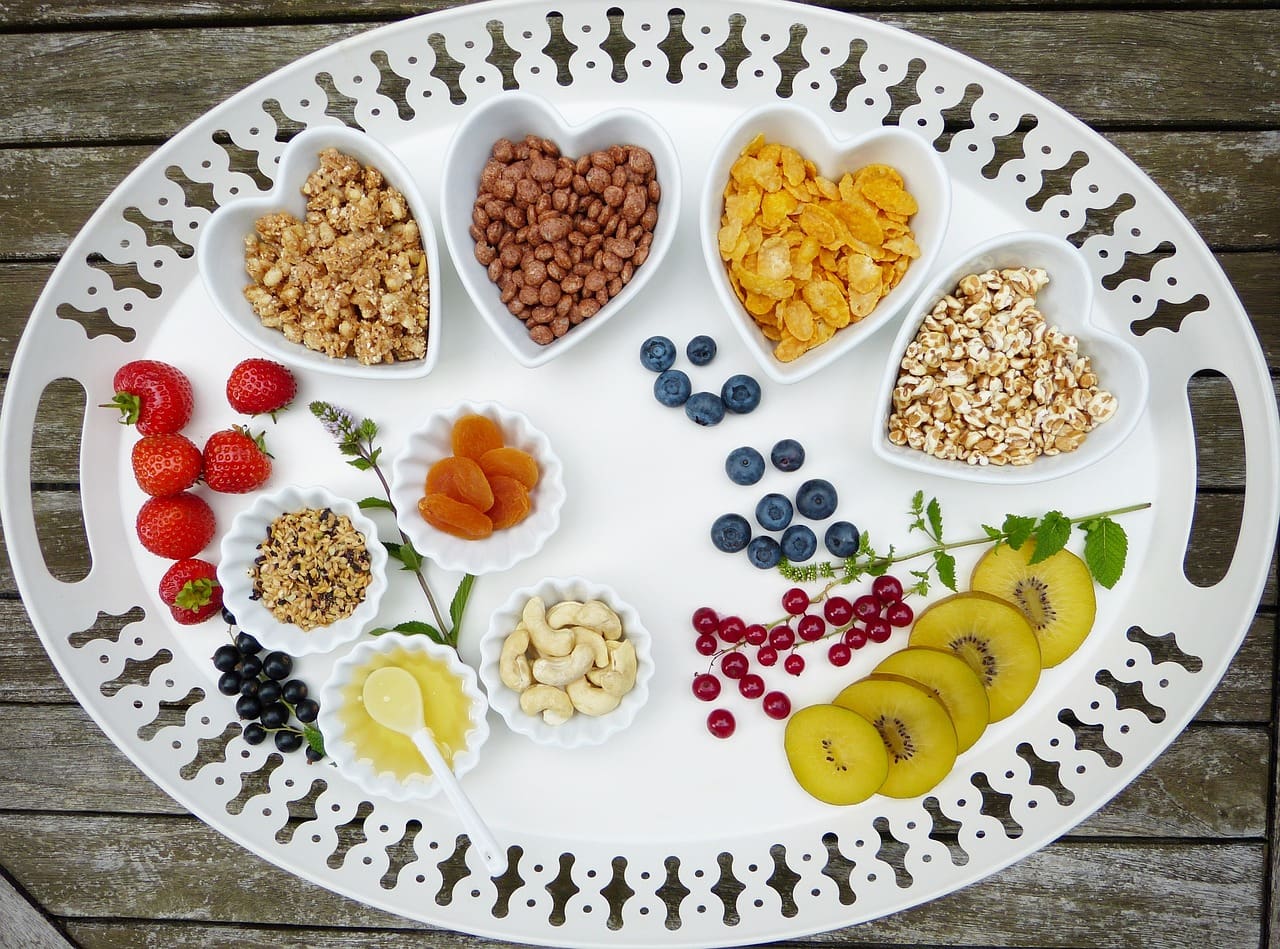
Making simple changes to your diet can help support healthy sleep patterns and reduce the risk of experiencing sleep paralysis. By incorporating nutrient-dense foods that promote relaxation and sleep quality, you can create a more conducive environment for restful nights and minimize the occurrence of sleep paralysis episodes.
1. Magnesium-rich foods
Magnesium is an essential mineral that plays a key role in muscle relaxation and the regulation of the neurotransmitter GABA, which promotes sleep and relaxation. Including magnesium-rich foods such as leafy greens, nuts and seeds, whole grains, and legumes in your diet can help support a healthy sleep cycle and reduce the likelihood of experiencing sleep paralysis.
2. Foods high in tryptophan
Tryptophan is an amino acid that is converted into serotonin and melatonin in the body, both of which are important for promoting relaxation and sleep. Foods rich in tryptophan, such as turkey, chicken, nuts, seeds, and dairy products, can help increase the production of these sleep-inducing hormones and improve sleep quality.
3. Foods rich in vitamin D
Vitamin D plays a crucial role in the regulation of sleep-wake cycles and the production of serotonin, a neurotransmitter that influences mood and sleep. Including vitamin D-rich foods such as fatty fish, egg yolks, and fortified dairy products in your diet can help support healthy sleep patterns and reduce the risk of sleep disorders like sleep paralysis.
Foods to Avoid to Prevent Sleep Paralysis
In addition to including sleep-promoting foods in your diet, it is important to avoid certain foods and beverages that can disrupt sleep quality and increase the risk of experiencing sleep paralysis. By minimizing the consumption of stimulants, processed foods, and foods high in sugar and caffeine, you can create a more conducive environment for restful sleep and reduce the likelihood of sleep paralysis episodes.
1. Caffeine and sugary foods
Caffeine is a stimulant that can interfere with the production of melatonin and disrupt the sleep-wake cycle, leading to difficulty falling asleep and staying asleep throughout the night. Avoiding caffeinated beverages such as coffee, tea, and soda, as well as sugary foods and desserts, close to bedtime can help promote better sleep quality and reduce the risk of sleep paralysis.
2. Processed and high-fat foods
Processed foods and foods high in saturated fats can lead to inflammation in the body and disrupt the balance of neurotransmitters and hormones involved in the sleep-wake cycle. Limiting the consumption of processed meats, fried foods, and high-fat dairy products can help support a healthy sleep environment and reduce the likelihood of experiencing sleep paralysis episodes.
3. Alcohol
While alcohol may initially have a sedative effect and help you fall asleep faster, it can disrupt the quality of your sleep and lead to fragmented sleep patterns. Avoiding alcohol consumption close to bedtime can help promote restful sleep and minimize the risk of experiencing sleep paralysis during the night.
Conclusion
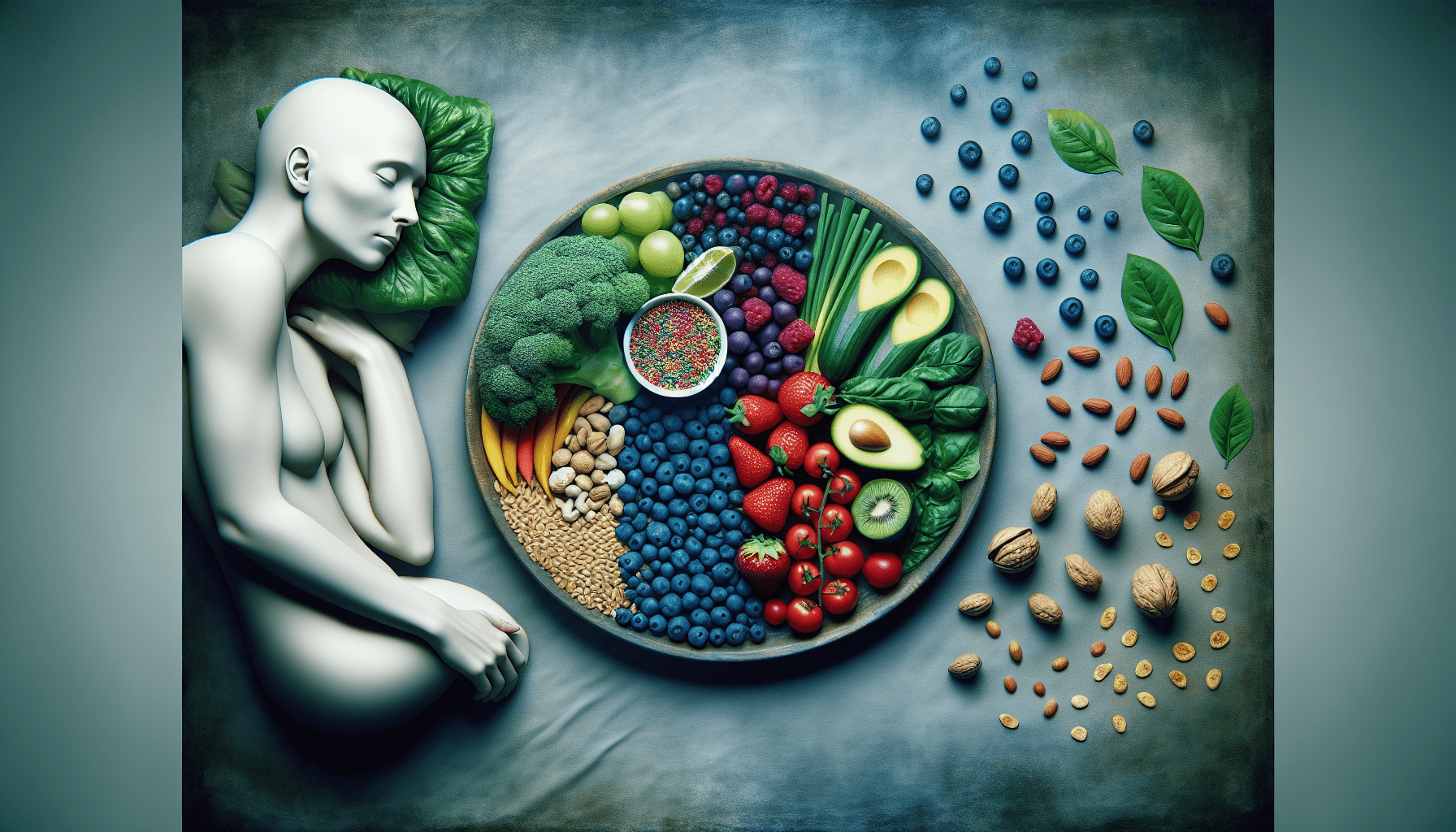
In conclusion, diet and nutrition play a significant role in the prevention of sleep paralysis and the promotion of healthy sleep patterns. By making simple changes to your diet and lifestyle, such as incorporating nutrient-dense foods and avoiding sleep-disrupting substances, you can create a more conducive environment for restful sleep and reduce the likelihood of experiencing sleep paralysis episodes. Prioritizing a balanced and healthy diet rich in essential nutrients can help support your overall well-being and improve the quality of your sleep, leading to a more restful and rejuvenating night’s rest. Remember, small dietary changes can make a big difference in your sleep quality and overall health. Take care of yourself, and sleep well!