Have you ever experienced the terrifying sensation of sleep paralysis? It can be a truly frightening and disorienting experience, leaving you feeling helpless and trapped. But did you know that sleep deprivation can actually increase your likelihood of experiencing sleep paralysis? Let’s explore the relationship between sleep deprivation and sleep paralysis.
What is Sleep Paralysis?
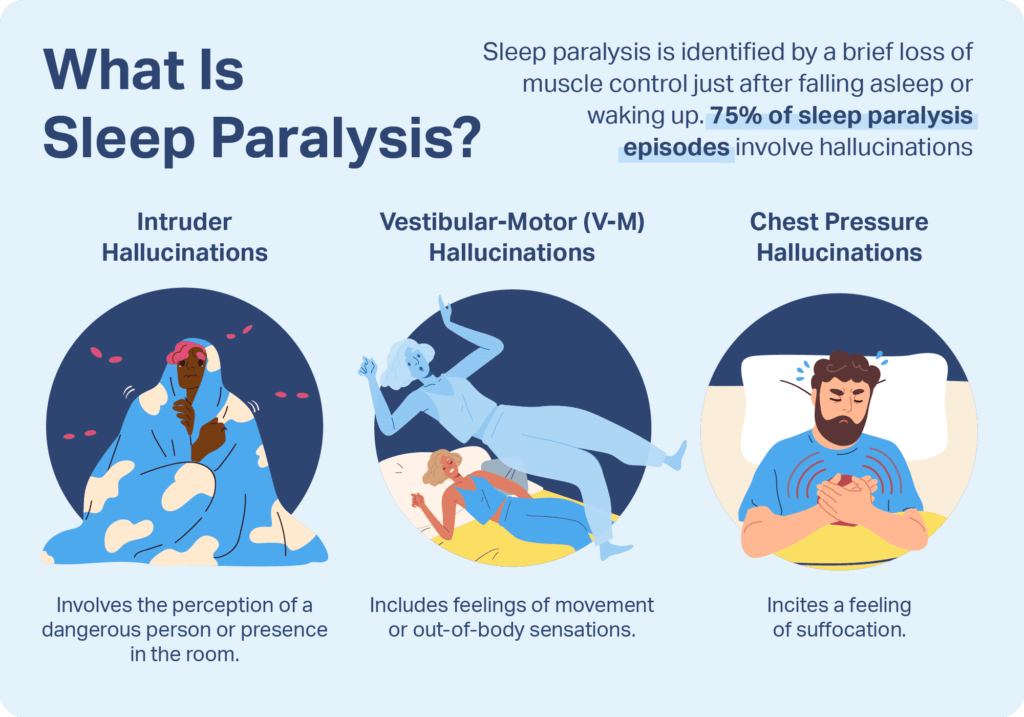
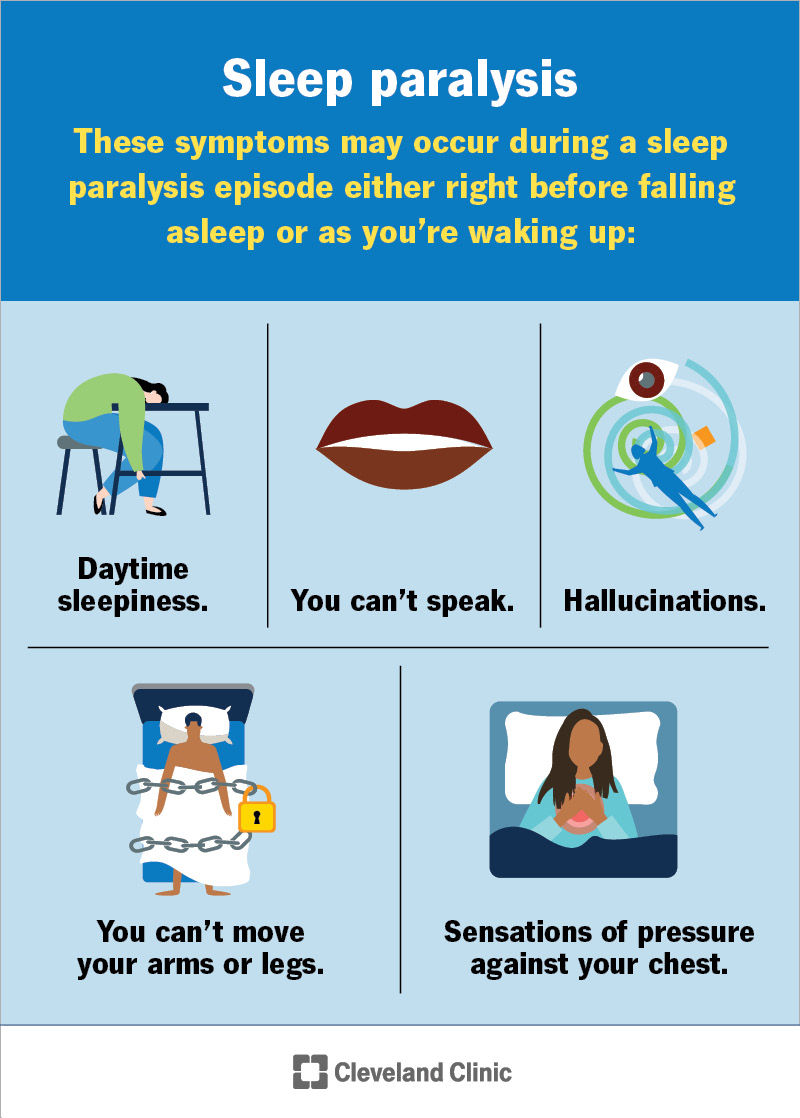
Sleep paralysis is a phenomenon in which a person is temporarily unable to move, speak, or react during the transition between wakefulness and sleep. It can be accompanied by hallucinations, sensations of pressure or choking, and an overwhelming sense of fear. The experience is often described as feeling like being awake in a dream, as your body is paralyzed but your mind is fully conscious.
What Causes Sleep Paralysis?
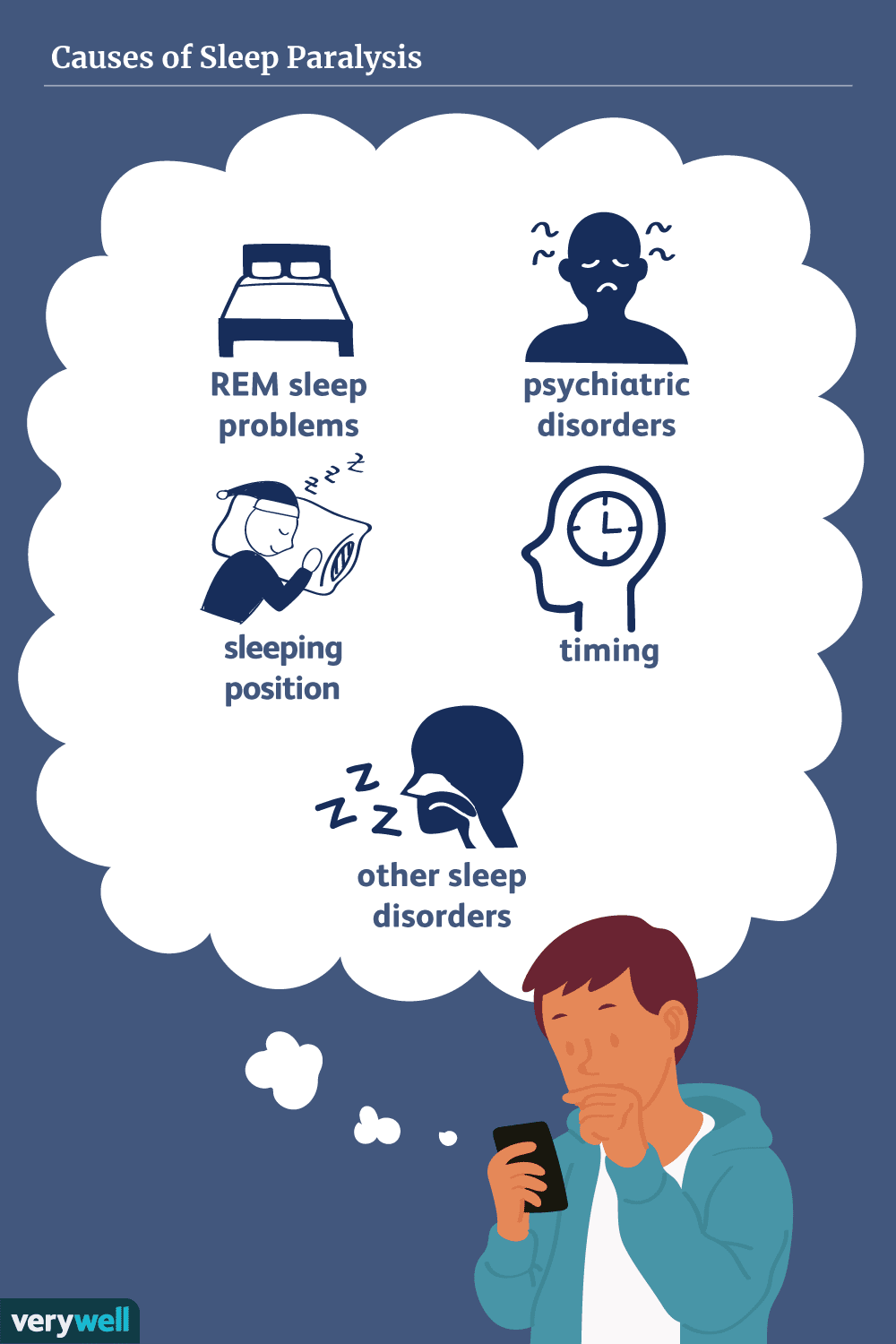
Sleep paralysis occurs when the normal REM (rapid eye movement) sleep cycle is interrupted or disturbed. During REM sleep, your body is essentially paralyzed to prevent you from acting out your dreams. However, in cases of sleep paralysis, this paralysis persists even as you begin to wake up. This can be caused by a variety of factors, including stress, disrupted sleep patterns, and underlying sleep disorders.
How Does Sleep Deprivation Impact Sleep Paralysis?
Sleep deprivation is a common cause of sleep paralysis, as it disrupts the normal sleep cycle and can lead to REM sleep disturbances. When you don’t get enough sleep, your body is unable to fully engage in the restorative processes that occur during sleep, including the proper cycling through the various stages of sleep. This can result in fragmented sleep, increased awakenings during the night, and ultimately, an increased risk of experiencing sleep paralysis.
The Role of REM Sleep in Sleep Paralysis
REM sleep is a crucial stage of the sleep cycle during which most dreaming occurs. It is also the stage in which your body is normally paralyzed to prevent you from acting out your dreams. When REM sleep is disrupted or shortened due to sleep deprivation, this can lead to a dysregulation of the normal sleep cycle, increasing the risk of experiencing sleep paralysis.
The Impact of Fragmented Sleep on Sleep Paralysis
Sleep deprivation often results in fragmented sleep, meaning that you may wake up multiple times throughout the night and struggle to fall back asleep. This can prevent you from entering deeper stages of sleep, including REM sleep, and can disrupt the normal cycling through the various sleep stages. Fragmented sleep is a common risk factor for sleep paralysis, as it can lead to irregularities in the sleep cycle that increase the likelihood of experiencing this phenomenon.
Tips for Improving Sleep Quality and Reducing Sleep Paralysis
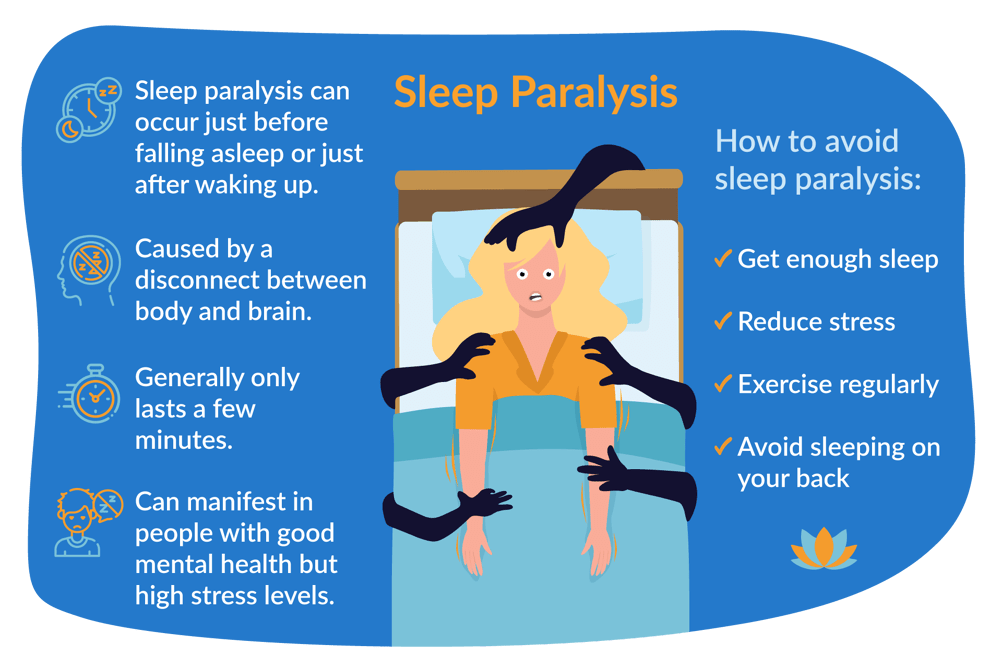
If you’re struggling with sleep paralysis due to sleep deprivation, there are steps you can take to improve your sleep quality and reduce your risk of experiencing this phenomenon. Here are some tips to help you get a better night’s sleep:
Establish a Consistent Sleep Schedule
One of the most important factors in improving sleep quality is maintaining a consistent sleep schedule. Try to go to bed and wake up at the same time every day, even on weekends. This can help regulate your body’s internal clock and improve the quality of your sleep.
Create a Relaxing Bedtime Routine
Developing a relaxing bedtime routine can help signal to your body that it’s time to wind down and prepare for sleep. This could include activities such as reading, taking a warm bath, or practicing relaxation techniques like deep breathing or meditation. Avoid screens and stimulating activities close to bedtime, as these can interfere with your body’s ability to fall asleep.
Create a Comfortable Sleep Environment
Your sleep environment plays a significant role in the quality of your sleep. Make sure your bedroom is cool, dark, and quiet, and invest in a comfortable mattress and pillows. Consider using white noise machines or earplugs if outside noise is a problem, and block out light with curtains or blinds. Creating a peaceful and calming sleep environment can help improve the quality of your sleep and reduce the risk of sleep paralysis.
Practice Good Sleep Hygiene
Good sleep hygiene practices can significantly impact the quality of your sleep. This includes avoiding caffeine, nicotine, and alcohol close to bedtime, as well as engaging in regular physical activity during the day. Limit screen time before bed, as the blue light emitted by screens can interfere with your body’s natural sleep-wake cycle. Establishing a regular bedtime routine and maintaining a comfortable sleep environment are also key components of good sleep hygiene.
Seeking Professional Help for Sleep Disorders
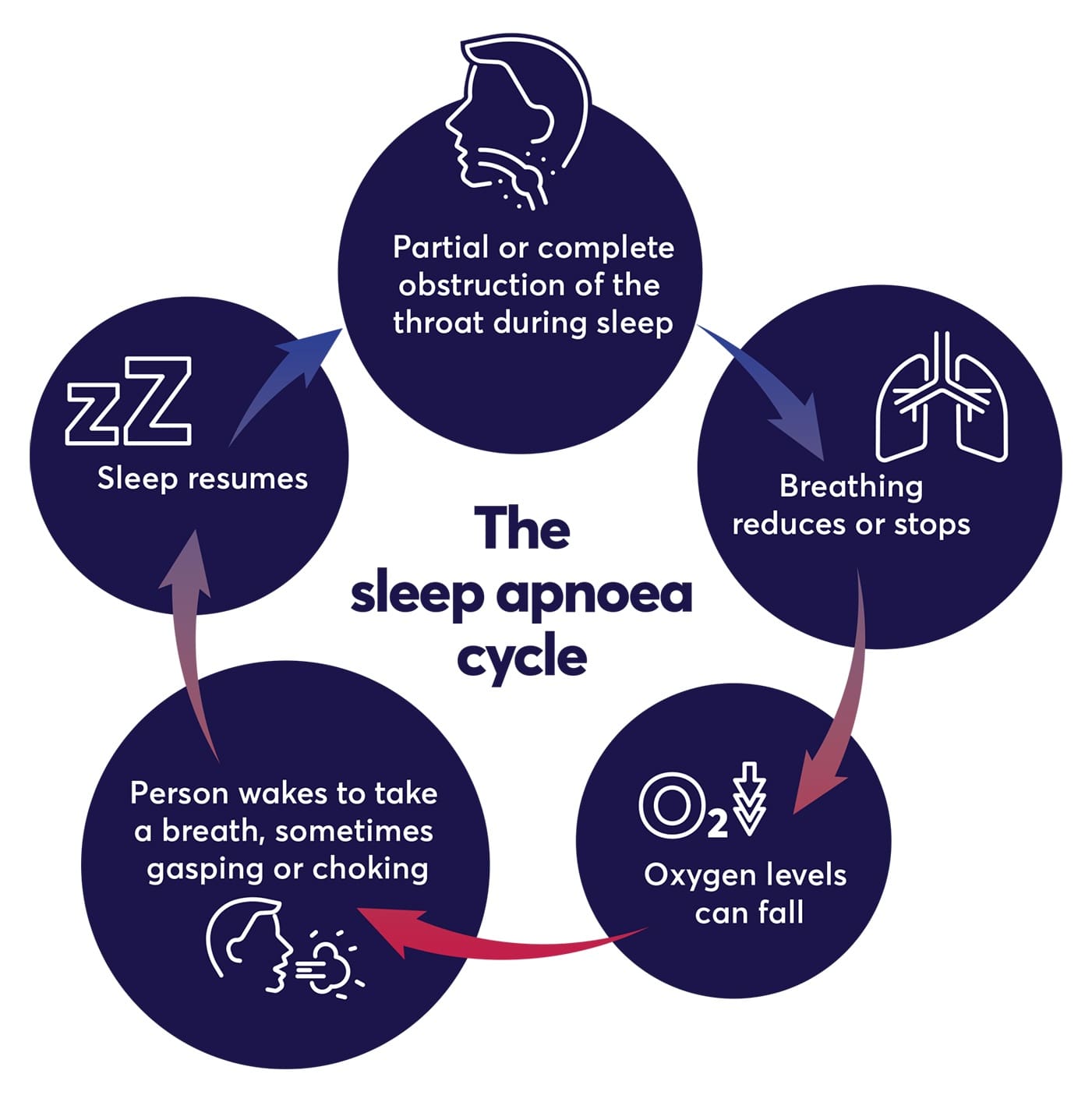
If you consistently experience sleep paralysis or other sleep disturbances, it may be a sign of an underlying sleep disorder that requires professional treatment. Sleep disorders such as sleep apnea, narcolepsy, and insomnia can contribute to disrupted sleep patterns and increase the risk of experiencing sleep paralysis. If you suspect you may have a sleep disorder, it’s important to seek help from a healthcare provider or sleep specialist who can properly diagnose and treat your condition.
Consult a Sleep Specialist
A sleep specialist can help diagnose and treat a variety of sleep disorders, including sleep paralysis. They may recommend undergoing a sleep study to monitor your sleep patterns and identify any underlying issues that may be contributing to your symptoms. Based on the results of the sleep study, they can recommend appropriate treatment options to improve the quality of your sleep and reduce the frequency of sleep paralysis episodes.
Explore Treatment Options
Depending on the underlying cause of your sleep paralysis, your sleep specialist may recommend a variety of treatment options. This could include lifestyle changes, such as improving your sleep habits and addressing any underlying medical conditions that may be contributing to your sleep disturbances. In some cases, medication or therapy may be recommended to help manage your symptoms and improve the quality of your sleep.
Importance of Proper Diagnosis and Treatment
Proper diagnosis and treatment of sleep disorders are essential for improving your overall sleep quality and reducing the risk of experiencing sleep paralysis. Left untreated, sleep disorders can have serious consequences for your health and well-being, impacting your cognitive function, mood, and overall quality of life. Seeking professional help for sleep-related issues is an important step in improving your sleep and overall health.
Conclusion
In conclusion, sleep deprivation can have a significant impact on your risk of experiencing sleep paralysis. By understanding the relationship between sleep deprivation and sleep paralysis and taking steps to improve your sleep quality, you can reduce the likelihood of experiencing this frightening phenomenon. Establishing a consistent sleep schedule, creating a relaxing bedtime routine, and practicing good sleep hygiene are all important factors in improving your sleep and reducing the risk of sleep paralysis. If you consistently experience sleep paralysis or other sleep disturbances, it’s important to seek help from a healthcare provider or sleep specialist who can properly diagnose and treat any underlying sleep disorders. Prioritizing your sleep health is essential for overall well-being and quality of life.