
Have you ever experienced sleep paralysis?
Sleep paralysis can be a frightening experience that occurs when you are waking up or falling asleep. During this phenomenon, you are aware of your surroundings but unable to move or speak. It often lasts a few seconds to a few minutes but can feel much longer. If you have ever experienced sleep paralysis, you may be wondering what causes it and if your lifestyle choices have an impact on its occurrence.
What is sleep paralysis?
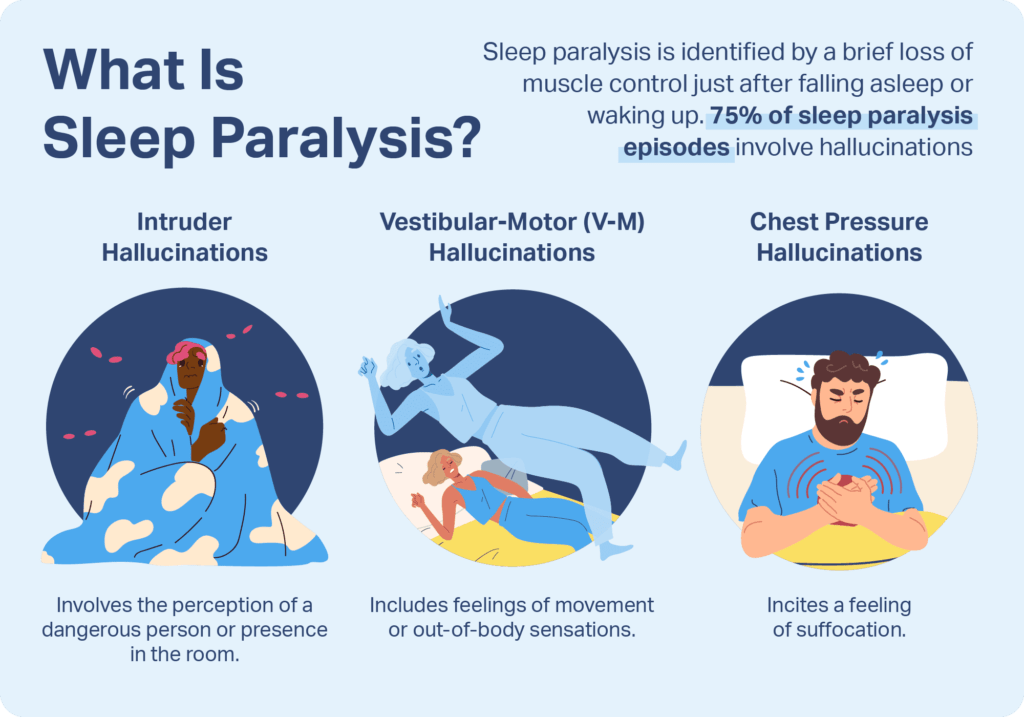
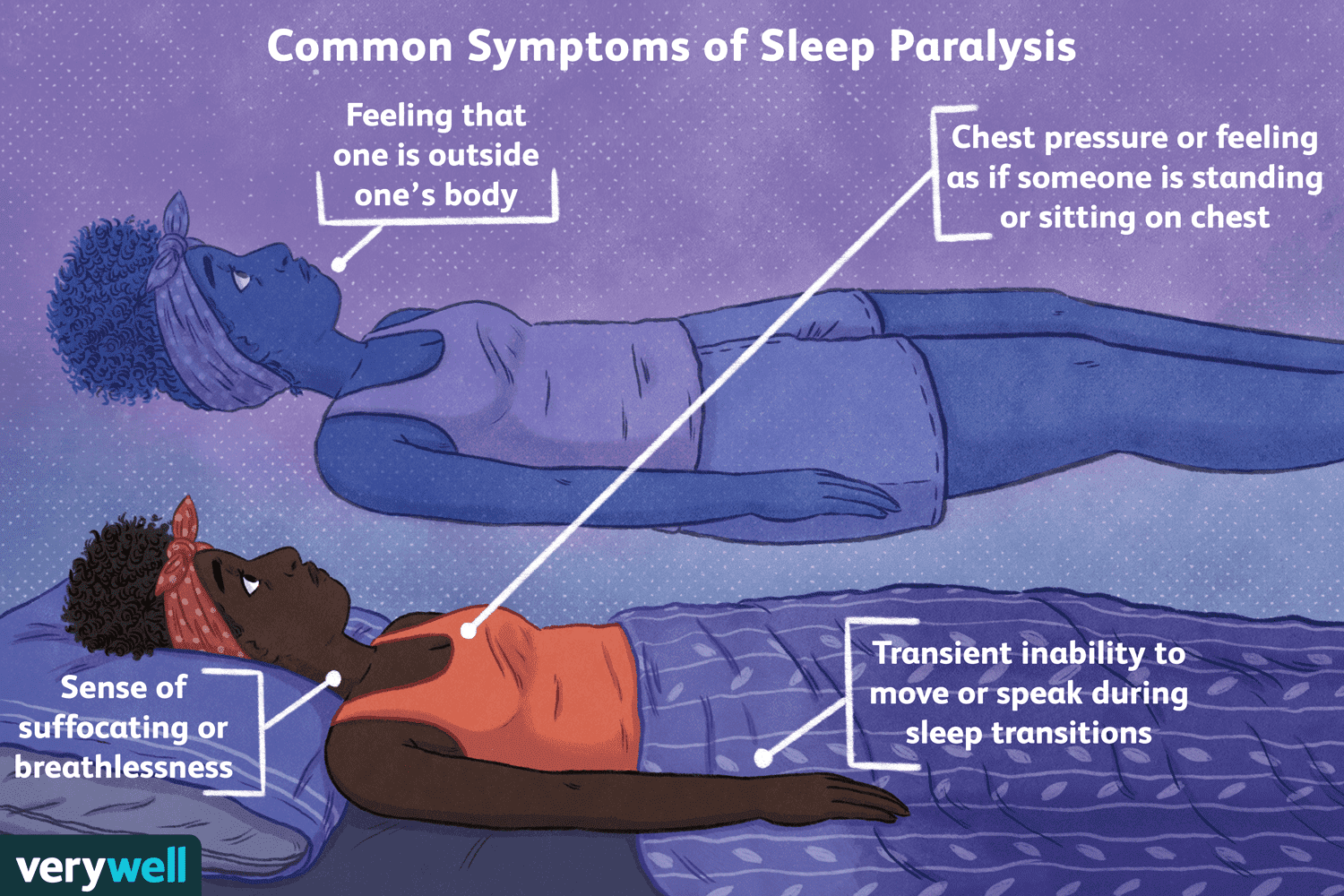
Before diving into the impact of lifestyle choices on sleep paralysis, let’s first understand what sleep paralysis is. Sleep paralysis is a temporary inability to move or speak that occurs when you are either falling asleep or waking up. During this time, you may feel like you are conscious but unable to move your body. It can be accompanied by hallucinations or a sense of pressure on your chest. Sleep paralysis is a relatively common experience, with around 8% of the general population experiencing it at some point in their lives.
The role of lifestyle choices in sleep paralysis
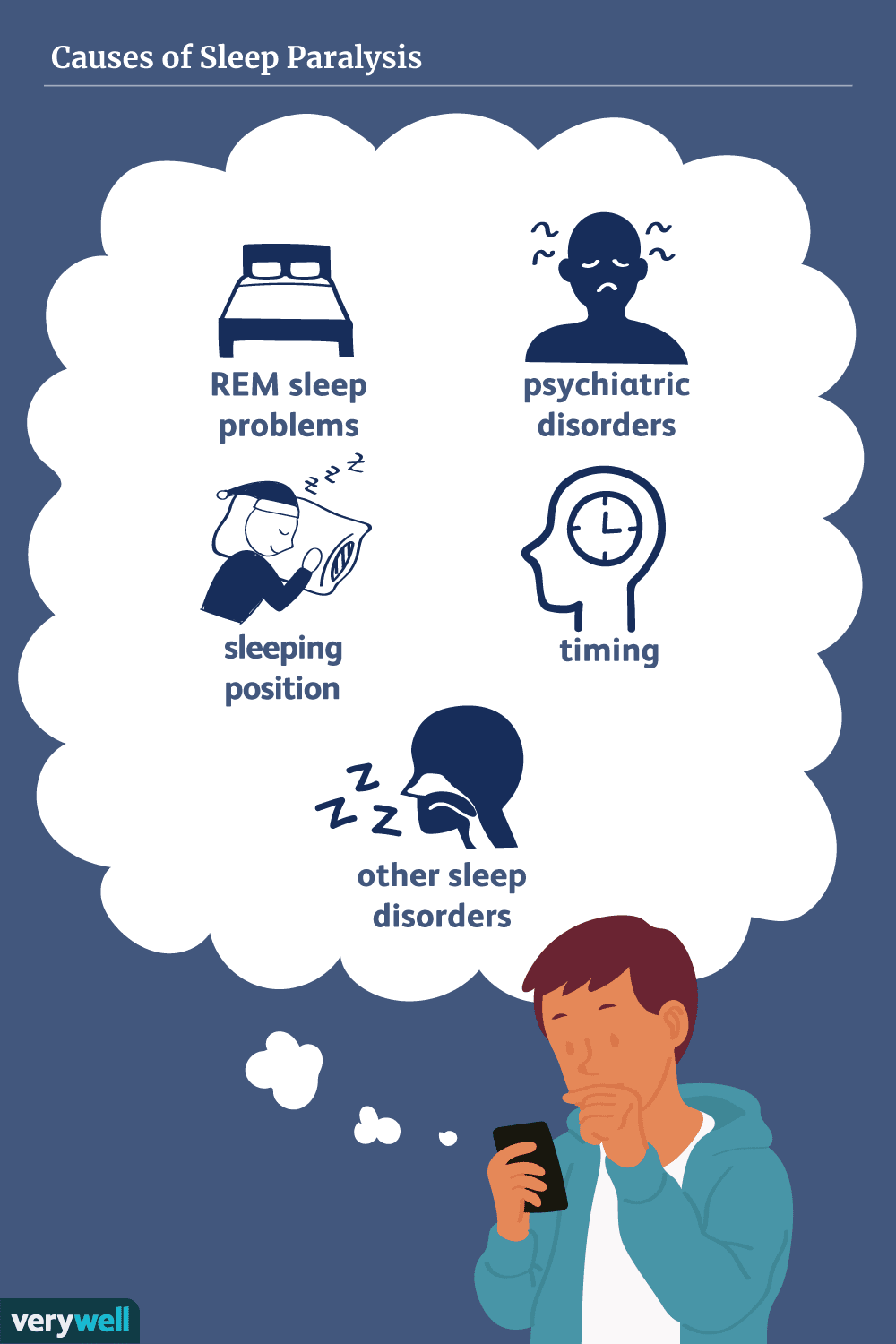
Your lifestyle choices can significantly impact your overall health and well-being, including your sleep quality. Factors such as diet, exercise, stress levels, and sleep habits can all influence the occurrence of sleep paralysis. By making informed choices and prioritizing your health, you may be able to reduce the frequency of sleep paralysis episodes. Let’s take a closer look at how various lifestyle choices can impact sleep paralysis:
Diet and sleep paralysis
The food and drinks you consume can have a direct impact on your sleep quality and overall health. Consuming a diet high in sugar, caffeine, and processed foods can disrupt your sleep patterns and increase the likelihood of experiencing sleep paralysis. On the other hand, incorporating nutrient-rich foods such as fruits, vegetables, whole grains, and lean proteins into your diet can promote better sleep quality and reduce the occurrence of sleep paralysis episodes.
How to improve your diet for better sleep
Making small changes to your diet can have a positive impact on your sleep quality and overall health. Here are some tips to help you improve your diet for better sleep:
- Limit caffeine and sugar intake, especially in the afternoon and evening.
- Incorporate more fruits and vegetables into your meals to increase your intake of vitamins and minerals.
- Choose whole grains over processed foods for sustained energy throughout the day.
- Include lean proteins such as chicken, fish, and tofu in your diet to support muscle health and overall well-being.
Exercise and sleep paralysis
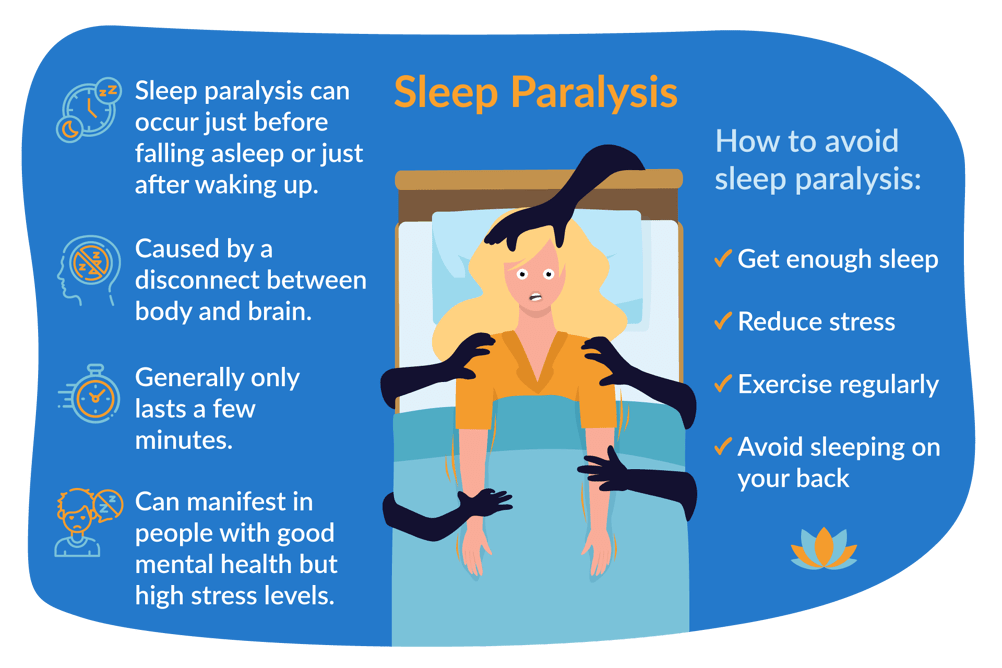
Regular physical activity is essential for maintaining good health and quality sleep. Exercise can help reduce stress, improve mood, and promote better sleep quality. By incorporating regular exercise into your routine, you may be able to reduce the frequency of sleep paralysis episodes and enjoy more restful sleep. However, it’s essential to find a balance and avoid exercising too close to bedtime, as intense physical activity can make it harder to fall asleep.
How to incorporate exercise into your routine
Finding ways to stay active throughout the day can have a significant impact on your overall health and sleep quality. Here are some tips to help you incorporate exercise into your routine:
- Aim for at least 150 minutes of moderate-intensity exercise per week, such as brisk walking, cycling, or swimming.
- Incorporate strength training exercises into your routine to build muscle and support overall health.
- Choose activities that you enjoy to make exercise more enjoyable and sustainable in the long term.
- Avoid exercising too close to bedtime, as this can interfere with your sleep quality.
Stress management and sleep paralysis
Stress is a common trigger for sleep paralysis and can significantly impact your overall sleep quality. High levels of stress can disrupt your sleep patterns, making it more difficult to fall asleep and stay asleep. By implementing stress management techniques into your daily routine, you may be able to reduce the occurrence of sleep paralysis episodes and enjoy more restful sleep.
How to manage stress for better sleep
Finding healthy ways to manage stress can improve your sleep quality and overall well-being. Here are some stress management techniques to help you reduce the likelihood of experiencing sleep paralysis:
- Practice relaxation techniques such as deep breathing, meditation, or yoga to calm your mind and body.
- Prioritize self-care activities such as reading, listening to music, or taking a warm bath to unwind and relax before bed.
- Establish a regular bedtime routine to signal to your body that it’s time to wind down and prepare for sleep.
- Seek support from friends, family, or a mental health professional if you are struggling to manage stress on your own.
Sleep habits and sleep paralysis
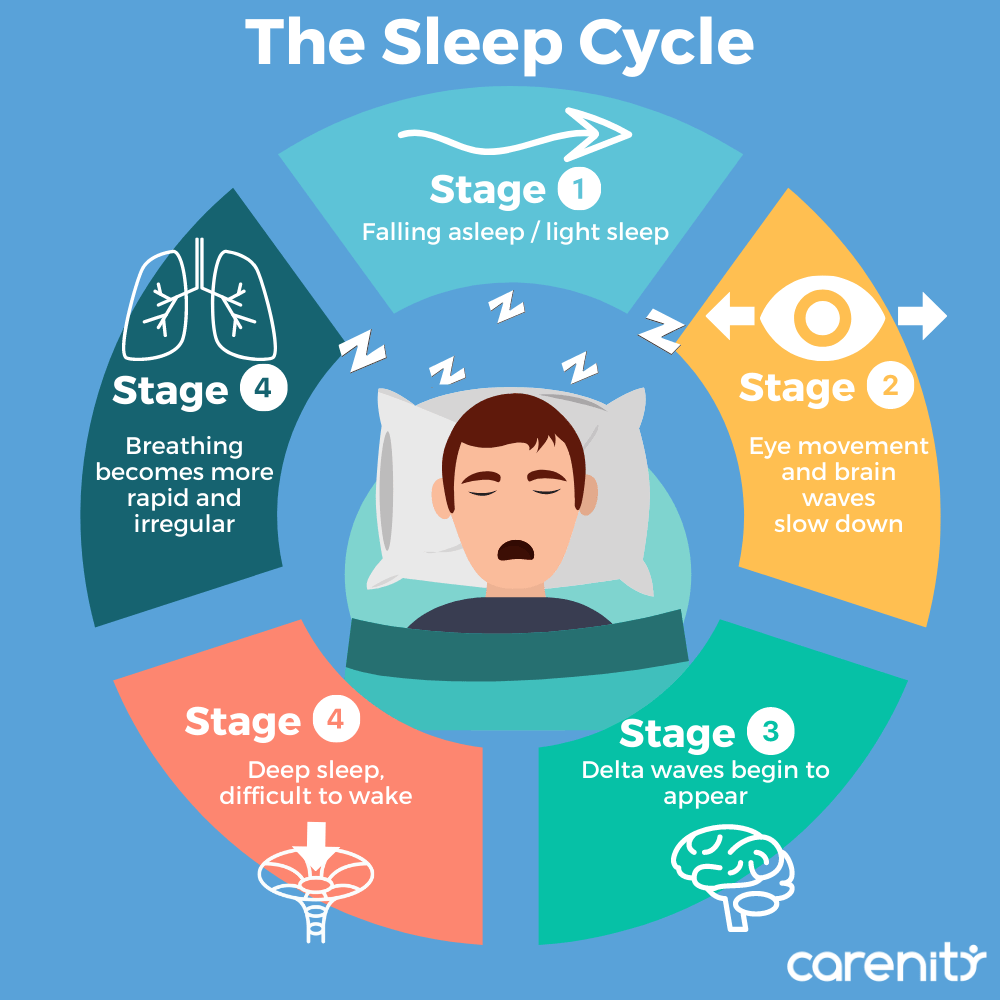
Your sleep habits play a crucial role in determining the quality of your sleep and overall health. Disrupted sleep patterns, irregular sleep schedules, and poor sleep hygiene can all contribute to the occurrence of sleep paralysis. By prioritizing good sleep habits and creating a sleep-friendly environment, you may be able to reduce the frequency of sleep paralysis episodes and enjoy more restful sleep.
How to improve your sleep habits
Establishing healthy sleep habits can improve your sleep quality and overall well-being. Here are some tips to help you improve your sleep habits for better rest:
- Create a bedtime routine that includes relaxing activities such as reading, listening to music, or taking a warm bath.
- Establish a regular sleep schedule by going to bed and waking up at the same time every day, even on weekends.
- Create a sleep-friendly environment by keeping your bedroom dark, cool, and quiet.
- Avoid electronics before bed, as the blue light emitted from screens can disrupt your body’s natural sleep-wake cycle.
Conclusion
In conclusion, your lifestyle choices can have a significant impact on the occurrence of sleep paralysis. By making informed decisions about your diet, exercise routine, stress management techniques, and sleep habits, you may be able to reduce the frequency of sleep paralysis episodes and enjoy more restful sleep. Prioritizing your health and well-being can improve your overall quality of life and help you achieve a better night’s sleep. Remember that it’s essential to listen to your body, prioritize self-care, and seek support if you are struggling to manage sleep paralysis on your own. By taking proactive steps to improve your lifestyle choices, you can promote better sleep quality and reduce the likelihood of experiencing sleep paralysis.