
Imagine waking up in the middle of the night, unable to move or speak, and feeling an overwhelming presence in the room. You try to scream for help, but only a feeble whisper escapes your lips. This phenomenon, known as sleep paralysis, is experienced by people all around the world. But here’s the twist – is the interpretation of sleep paralysis influenced by cultural beliefs and folklore? In this article, we will explore the fascinating question of whether different cultures have different interpretations of sleep paralysis. So grab a cozy blanket, get comfortable, and let’s embark on a journey through these diverse interpretations that will leave you pondering the mysteries of the night.

Sleep Paralysis
Sleep paralysis is a fascinating phenomenon that has intrigued and puzzled people from all walks of life. It is a temporary inability to move or speak that occurs during the transition between wakefulness and sleep. While it may only last a few seconds to a couple of minutes, it can feel like an eternity to those who experience it. Sleep paralysis can be a frightening and disorienting experience, but it is important to understand that it is a natural occurrence that happens to nearly everyone at least once in their lives.
Definition
Sleep paralysis is a condition in which a person is temporarily unable to move or speak while falling asleep or waking up. It occurs during the REM (rapid eye movement) stage of sleep, when our brains are most active and dreaming occurs. During this stage, the brain sends signals to temporarily paralyze the muscles in order to prevent us from acting out our dreams. However, in sleep paralysis, these signals continue even after we have become fully awake or are in the process of waking up.
Symptoms
The most noticeable symptom of sleep paralysis is the inability to move or speak. This can be accompanied by a feeling of pressure on the chest and a sense of impending doom. Some people also report hallucinations, where they see or hear things that are not actually present. These hallucinations can range from benign to extremely terrifying, and often contribute to the fear and anxiety associated with sleep paralysis.
Causes
The exact cause of sleep paralysis is not fully understood, but there are several factors that are believed to contribute to its occurrence. One of the primary factors is disrupted sleep patterns or sleep deprivation. When we do not get enough sleep or our sleep is interrupted, our brains can become more prone to sleep paralysis. Other factors that may increase the likelihood of sleep paralysis include stress, anxiety, sleep disorders such as narcolepsy, and certain medications.
Cultural Perspectives on Sleep Paralysis
Sleep paralysis is not only a universal human experience, but it is also something that is interpreted differently across various cultures around the world. Throughout history, different societies and belief systems have developed their own unique explanations and interpretations of sleep paralysis.
Historical Beliefs
In many ancient cultures, sleep paralysis was often attributed to supernatural beings or spirits. For example, in ancient Egypt, sleep paralysis was thought to be caused by demons or evil spirits that would visit people during the night. Similar beliefs were held in ancient Greece, where sleep paralysis was associated with the visitation of demons or ghosts from the underworld. These historical beliefs reflect the lack of scientific understanding at the time and the tendency to attribute unexplained phenomena to supernatural forces.
Spiritual Interpretations
In some spiritual traditions, sleep paralysis is seen as a spiritual experience or a form of communication from the spiritual realm. For example, in certain Native American cultures, sleep paralysis is interpreted as a visitation from ancestors or other spiritual beings. Similarly, in some African cultures, sleep paralysis is believed to be a result of being possessed by spirits or being visited by ancestors. These spiritual interpretations highlight the cultural significance of sleep paralysis and its connection to larger belief systems.
Supernatural Explanations
Alongside spiritual interpretations, many cultures also have supernatural explanations for sleep paralysis. For example, in Icelandic folklore, sleep paralysis is attributed to the “nightmare” creature known as the “mara.” The mara is said to sit on the chest of sleeping individuals, causing the feeling of pressure and the inability to move. These supernatural explanations demonstrate the human tendency to create myths and legends as a way of explaining the unexplainable.
Folklore and Legends
Sleep paralysis has been woven into the fabric of folklore and legends in many cultures. These stories often serve as cautionary tales or narratives that explain the origins and nature of sleep paralysis. In Japanese folklore, sleep paralysis is associated with the supernatural entity known as the “kanashibari,” a spirit that immobilizes its victims. In Norse mythology, sleep paralysis is connected to the giantess known as “Skadi,” who paralyzes her victims with her magical powers. These cultural narratives add depth and richness to the experiences of sleep paralysis and provide context for understanding its cultural significance.
Interpretations in Western Cultures
In Western cultures, sleep paralysis is primarily understood through scientific and psychological explanations. The emphasis is on understanding the physiological and psychological mechanisms that underlie sleep paralysis.
Scientific Explanation
From a scientific perspective, sleep paralysis is seen as a natural result of the sleep cycle and the biology of the human brain. The brain sends signals to the muscles to temporarily paralyze them during REM sleep to prevent us from acting out our dreams. In sleep paralysis, these signals continue even after waking up, causing the temporary paralysis. This physiological understanding provides a rational and logical explanation for sleep paralysis and helps dispel some of the fear and superstitions associated with it.
Psychological Understanding
Psychologically, sleep paralysis is often linked to heightened levels of stress, anxiety, and other mental health factors. It is believed that these psychological factors can contribute to the occurrence and severity of sleep paralysis episodes. For example, individuals with anxiety disorders may be more prone to experiencing sleep paralysis due to the heightened activation of the fight-or-flight response. Understanding the psychological underpinnings of sleep paralysis can help individuals manage and cope with their experiences.
Medical Approaches
In Western medicine, sleep paralysis is primarily treated as a symptom of underlying sleep disorders such as narcolepsy or insomnia. Treatment options may include medications to regulate sleep patterns, lifestyle changes to promote better sleep hygiene, and therapy to address any underlying mental health issues. The medical approach focuses on addressing the root causes of sleep paralysis and providing relief for those who experience it regularly.
Interpretations in Eastern Cultures
In Eastern cultures, sleep paralysis is often understood through the lens of traditional medicine and spiritual beliefs. These interpretations focus on holistic approaches to healing and understanding the mind-body connection.
Traditional Chinese Medicine
In Traditional Chinese Medicine (TCM), sleep paralysis is believed to result from an imbalance in the body’s energy or “Qi.” According to TCM, sleep paralysis may occur when the body’s Yin and Yang energies are out of harmony. Treatment typically involves herbal remedies, acupuncture, and lifestyle modifications to restore balance and promote overall well-being.
Ayurveda
In Ayurveda, an ancient Indian system of medicine, sleep paralysis is seen as a disruption in the body’s Doshas, or energies. It is believed that imbalances in the Vata Dosha, which governs movement, can lead to sleep paralysis. Ayurvedic treatments may include herbal remedies, dietary changes, and lifestyle practices aimed at bringing the Doshas back into balance.
Buddhist and Hindu Beliefs
In Buddhist and Hindu traditions, sleep paralysis is often viewed as a spiritual experience or a result of past-life karma. It is seen as an opportunity for spiritual growth and self-reflection. Practitioners may engage in meditation, prayer, or other spiritual practices to understand and navigate these experiences. Sleep paralysis is seen as a part of the spiritual journey and a stepping stone towards enlightenment.

Indigenous Perspectives
Indigenous cultures around the world offer unique and diverse interpretations of sleep paralysis that are deeply rooted in their specific cultural beliefs and practices.
Native American Interpretations
In Native American cultures, sleep paralysis is often interpreted as a visitation from ancestors or spirit guides. It is seen as a time when the veil between the physical and spiritual realms is lifted, allowing for communication with the spirit world. Native American rituals and ceremonies may be performed to honor these experiences and seek guidance from the spiritual realm.
African Cultural Beliefs
In various African cultures, sleep paralysis is often associated with spiritual possession or the influence of malevolent spirits. It is believed that these spirits may take control of an individual’s body during sleep paralysis, causing paralysis and other distressing experiences. Rituals and ceremonies are performed to ward off these spirits and protect against their influence.
Aboriginal Australian Views
In Aboriginal Australian cultures, sleep paralysis is viewed as a form of spiritual travel or “soul flight.” It is seen as a time when the spirit leaves the body and embarks on a journey through the Dreaming, a sacred realm of creation and spirituality. Aboriginal Australians may interpret sleep paralysis as an opportunity for divine communication and cultural connection.
Historical Influences on Interpretations
The interpretation of sleep paralysis in different cultures has been shaped by historical influences such as colonization, religious conversions, and cross-cultural exchanges.
Colonization
The arrival of European colonizers in many parts of the world brought with it new beliefs and cultural paradigms that influenced the interpretation of sleep paralysis. Indigenous interpretations were often suppressed or dismissed as superstitious and primitive, as European cultures sought to impose their own religious and scientific worldviews.
Religious Conversions
Religious conversions also played a significant role in shaping interpretations of sleep paralysis. When indigenous cultures adopted new religions, their understanding of sleep paralysis often shifted to align with the beliefs and practices of the dominant religion. This led to a blending of traditional interpretations with the new religious frameworks.
Cross-Cultural Exchanges
Throughout history, cultures have come into contact with one another through trade, migration, and exploration. These cross-cultural exchanges have led to the sharing and assimilation of ideas, beliefs, and practices. In the context of sleep paralysis, this meant that interpretations from one culture could influence and merge with interpretations from another, creating unique syncretic understandings.

Cultural Factors Shaping Interpretations
Cultural factors such as religious and spiritual practices, mythology and folktales, symbolism, and social and familial influences greatly shape how sleep paralysis is interpreted and understood within a given cultural context.
Religious and Spiritual Practices
Religious and spiritual practices play a crucial role in shaping the interpretation of sleep paralysis. Beliefs and rituals associated with specific religious traditions can provide a framework for understanding and navigating these experiences. For example, prayer, meditation, or other spiritual practices may be employed to seek protection or guidance during sleep paralysis.
Mythology and Folktales
Mythology and folklore often contain stories and legends that provide cultural explanations for sleep paralysis. These narratives draw upon cultural symbols and archetypes to explain the nature and origin of sleep paralysis. By incorporating these cultural stories, individuals can make sense of their experiences and find comfort in the shared understanding of their community.
Symbolism and Dream Interpretation
Symbols and dream interpretation also play a role in shaping interpretations of sleep paralysis. Dreams and visions experienced during sleep paralysis may be seen as symbolic or prophetic, providing insight into one’s inner state or future events. The cultural significance and meaning assigned to these symbols can greatly influence the interpretation of sleep paralysis.
Social and Familial Influence
The interpretation of sleep paralysis within a cultural context is often influenced by social and familial factors. Cultural norms, family beliefs, and collective experiences shape how individuals perceive and explain their own experiences of sleep paralysis. Social support and validation from others who share similar beliefs can play a significant role in how sleep paralysis is experienced and interpreted.
Common Themes and Variances
While the interpretations of sleep paralysis may differ across cultures, there are some common themes that emerge as well as variances that reflect the unique cultural contexts.
Nightmares and Evil Spirits
Across diverse cultures, sleep paralysis is often associated with nightmares and the presence of malicious spirits or entities. The experience of being immobilized and the accompanying feelings of fear and distress contribute to the belief that malevolent forces are at work during sleep paralysis.
Visits by Supernatural Entities
Many cultural interpretations of sleep paralysis involve the idea of supernatural entities visiting the individual during this state. These entities may be seen as spirits, demons, or even deities. The nature and intentions of these entities vary depending on cultural beliefs and folklore.
Psychological Distress and Trauma
In both Western and non-Western cultures, sleep paralysis is often associated with psychological distress and trauma. The fear and anxiety that accompany sleep paralysis can have a profound impact on an individual’s mental well-being and can contribute to the development or exacerbation of mental health conditions.
Transcendental and Mystical Experiences
In some cultures, sleep paralysis is seen as a doorway to transcendental and mystical experiences. It is viewed as a state of heightened consciousness or a spiritual journey. These interpretations reflect a belief in the ability to access higher realms of existence through sleep paralysis.
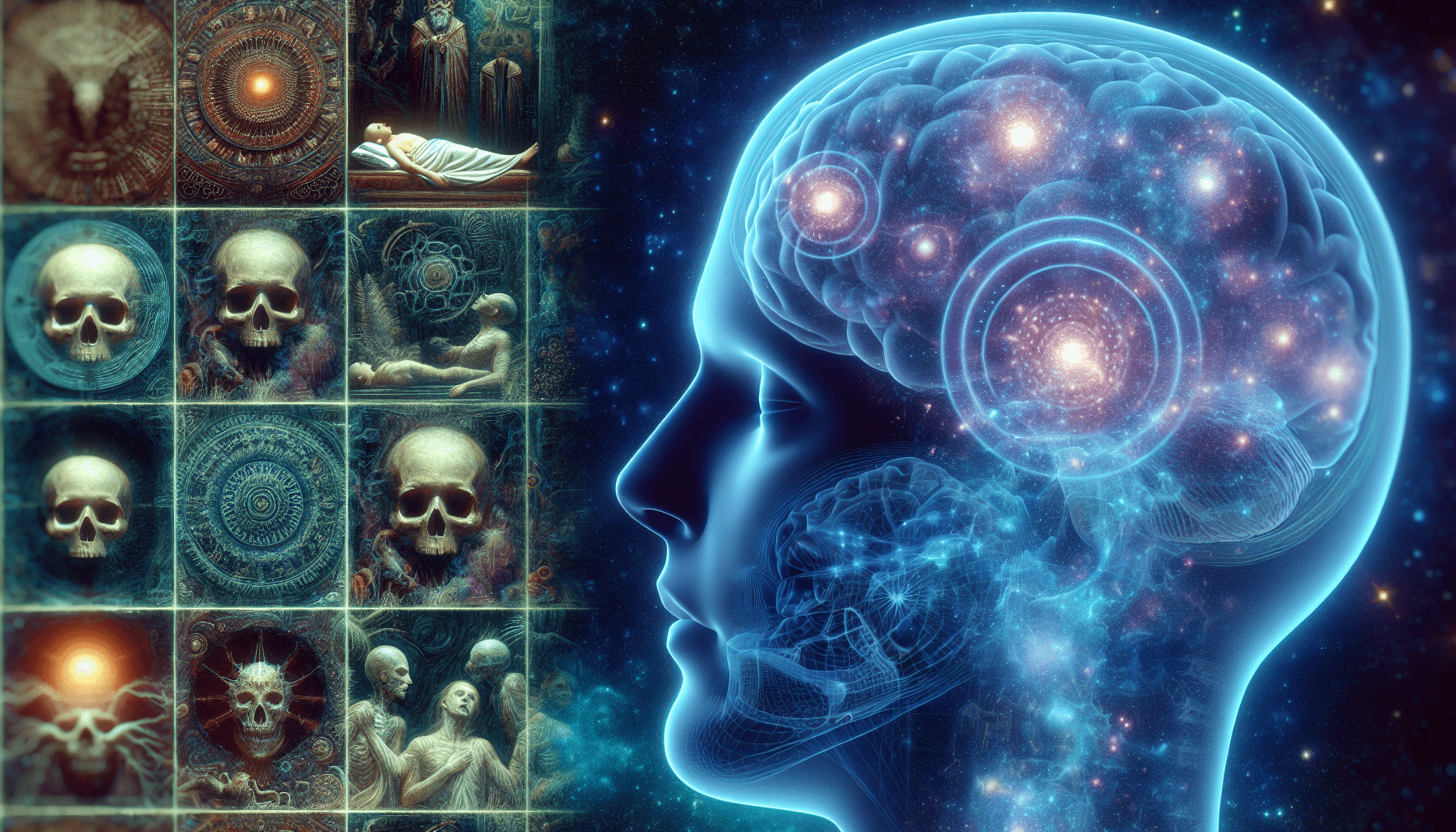
Scientific Understanding vs. Cultural Interpretations
The scientific understanding of sleep paralysis provides a rational and logical explanation for this phenomenon. However, cultural interpretations offer a more holistic and nuanced perspective that acknowledges the interconnectedness of the mind, body, and spirit.
Discrepancies and Conflicts
There are often discrepancies and conflicts between scientific understanding and cultural interpretations of sleep paralysis. Scientific explanations may dismiss or overlook cultural beliefs and experiences, while cultural interpretations may be seen as irrational or superstitious from a scientific standpoint. These discrepancies can create tension and a sense of disconnect between different cultural perspectives.
Integration and Coexistence
While there may be conflicts, there is also the potential for integration and coexistence between scientific and cultural interpretations of sleep paralysis. By recognizing and validating the diverse cultural experiences and beliefs surrounding sleep paralysis, a more comprehensive understanding can be achieved. This integration allows for a more holistic and inclusive approach to sleep paralysis research and treatment.
Implications for Sleep Paralysis Research
The cultural interpretations of sleep paralysis have important implications for sleep paralysis research, particularly in the areas of cross-cultural studies, incorporating cultural context, and therapeutic approaches.
Cross-Cultural Studies
More cross-cultural studies are needed to explore the similarities and differences in the experiences and interpretations of sleep paralysis across diverse cultures. This research can contribute to a greater understanding of sleep paralysis as a universal human experience and shed light on the cultural factors that shape its interpretation.
Incorporating Cultural Context
Cultural context should be considered when conducting research on sleep paralysis. Researchers should take into account the specific cultural beliefs, practices, and experiences that influence how individuals perceive and interpret sleep paralysis. By incorporating cultural context, researchers can gain a more comprehensive understanding of sleep paralysis and its impact on different cultural communities.
Therapeutic Approaches
Therapeutic approaches for sleep paralysis should take into consideration the cultural beliefs and practices of the individual experiencing it. Understanding the cultural interpretations of sleep paralysis can inform the development of culturally sensitive and inclusive therapeutic interventions. This can help individuals feel validated, supported, and empowered in their experiences of sleep paralysis.
In conclusion, sleep paralysis is a complex and multifaceted phenomenon that is interpreted differently across cultures. Historical, spiritual, psychological, and medical perspectives offer unique insights into the nature and interpretation of sleep paralysis. By recognizing and embracing the diversity of cultural interpretations, we can gain a deeper understanding of sleep paralysis and broaden our approach to research and treatment.
