
Have you ever wondered how sleep paralysis affects individuals in different cultures? Let’s explore how gender roles play a role in the experience of sleep paralysis across various cultural backgrounds.

Understanding Sleep Paralysis
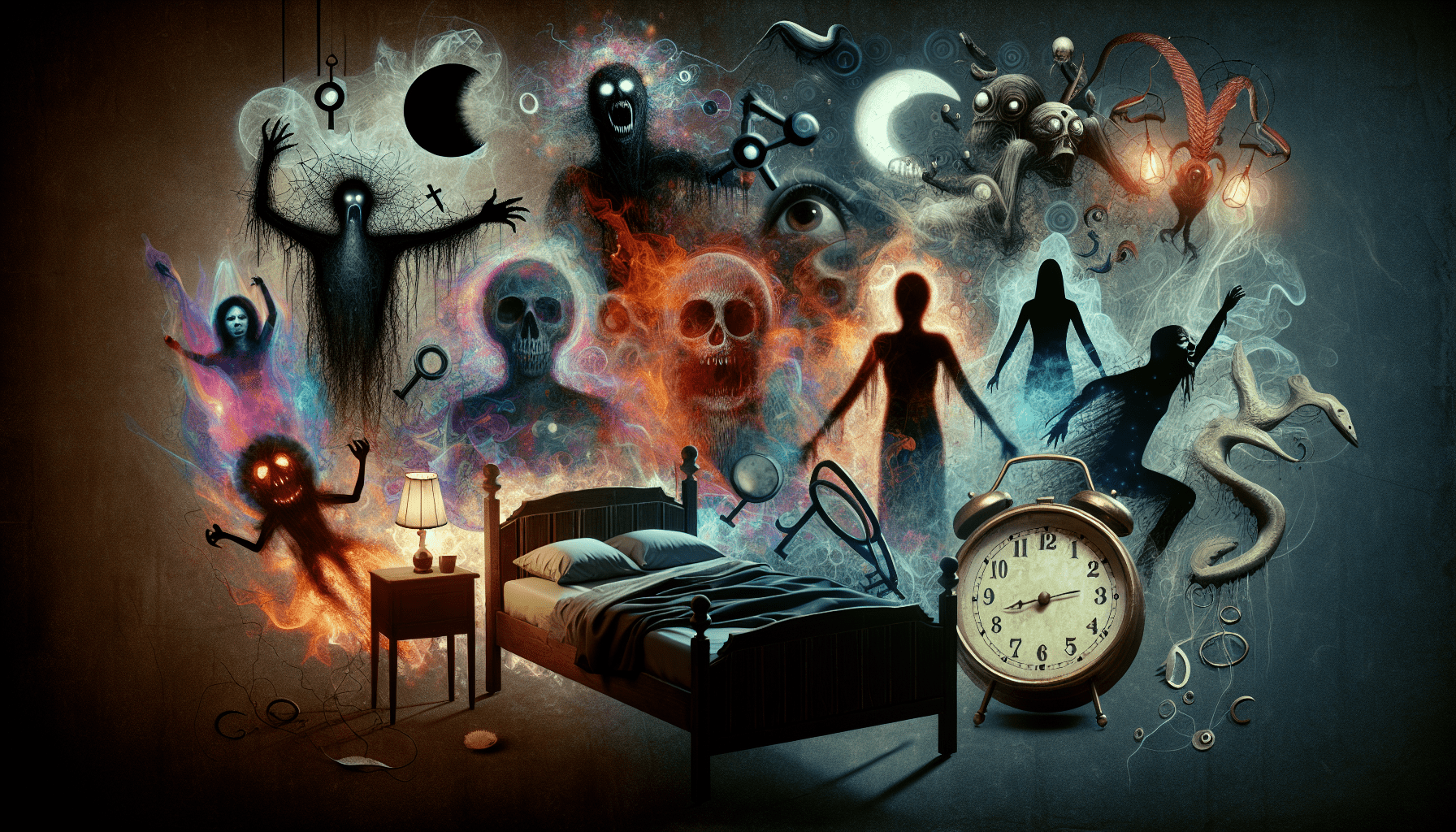
Sleep paralysis is a phenomenon where individuals experience a temporary inability to move or speak while falling asleep or waking up. This can occur for a few seconds to a few minutes and is often accompanied by a sense of looming dread or the presence of a supernatural entity.
The Science Behind Sleep Paralysis
During REM (rapid eye movement) sleep, your body is typically paralyzed to prevent you from acting out your dreams. However, in sleep paralysis, this paralysis persists even as you wake up, leading to a feeling of being trapped in your own body.
Cultural Interpretations of Sleep Paralysis
Across different cultures, sleep paralysis has been interpreted in various ways. Some see it as a medical condition, while others view it as a spiritual or supernatural encounter. These cultural beliefs can influence how individuals perceive and cope with their experiences of sleep paralysis.
Gender Roles in Sleep Paralysis
Gender roles play a significant role in how individuals experience and interpret sleep paralysis. Let’s explore how these roles differ across cultures and influence the perception of this phenomenon.
Gender Disparities in Sleep Paralysis
Research has shown that women are more likely to experience sleep paralysis than men. This gender difference may be due to hormonal fluctuations, stress levels, or other biological factors that impact sleep quality.
Cultural Stereotypes and Sleep Paralysis
In some cultures, there are stereotypes and beliefs surrounding gender that can influence how sleep paralysis is perceived. For example, in societies where women are seen as weaker or more susceptible to supernatural forces, their experiences of sleep paralysis may be attributed to these gender roles.
Gendered Responses to Sleep Paralysis
Gendered responses to sleep paralysis can vary widely across cultures. In some societies, men may be more likely to seek medical help for their sleep paralysis episodes, while women may turn to spiritual or religious practices for relief. Understanding these gendered responses can provide insight into the cultural dynamics at play.
Cultural Perspectives on Sleep Paralysis
Different cultures have unique beliefs and interpretations of sleep paralysis. Let’s take a closer look at how gender roles intersect with cultural perspectives on this phenomenon.
Western Culture
In Western cultures, sleep paralysis is often viewed as a purely medical condition related to sleep disorders such as narcolepsy. Gender roles in the West may influence how individuals seek treatment for sleep paralysis, with women being more likely to discuss their experiences with healthcare providers.
Eastern Culture
In Eastern cultures, sleep paralysis is sometimes perceived as a supernatural or spiritual experience. Gender roles in these cultures may dictate how individuals cope with sleep paralysis, with men and women turning to different rituals or practices based on their traditional roles.
Indigenous Cultures
In indigenous cultures, sleep paralysis may be attributed to ancestral spirits or other supernatural entities. Gender roles in these cultures can shape how individuals interpret and respond to sleep paralysis episodes, with distinct differences between male and female experiences.
Coping Strategies for Sleep Paralysis
Regardless of cultural background, coping with sleep paralysis can be challenging. Here are some strategies that individuals of all genders and cultures can use to manage their experiences.
Maintaining a Consistent Sleep Schedule
Establishing a regular bedtime routine and sticking to a consistent sleep schedule can help reduce the frequency and intensity of sleep paralysis episodes. This can also improve overall sleep quality and promote better mental health.
Practicing Stress-Relief Techniques
Stress and anxiety are common triggers for sleep paralysis. Engaging in activities such as mindfulness meditation, deep breathing exercises, or yoga can help alleviate stress and promote relaxation, reducing the likelihood of experiencing sleep paralysis.
Seeking Professional Help
If sleep paralysis is causing significant distress or impacting your daily life, it may be beneficial to seek help from a healthcare provider or sleep specialist. They can assess your symptoms, provide a proper diagnosis, and recommend appropriate treatment options.
Conclusion
Sleep paralysis is a complex phenomenon that can be influenced by gender roles and cultural beliefs. By understanding the intersection of gender, culture, and sleep paralysis, we can gain insight into how individuals perceive and cope with this experience. By exploring these connections, we can better support those who are affected by sleep paralysis across different cultures and gender identities.