
Have you ever experienced the terrifying sensation of waking up from a deep sleep, only to find that you are completely unable to move or speak? This phenomenon, known as sleep paralysis, can be a recurring nightmare for those who suffer from it. In this article, we will explore the personal struggle of someone who battles with recurring sleep paralysis, shedding light on the challenges they face and the strategies they have employed to cope with this haunting condition. Join us as we delve into the depths of their ongoing battle with sleep paralysis.
Understanding Sleep Paralysis
Sleep paralysis is a phenomenon characterized by a temporary inability to move or speak while falling asleep or waking up. During these episodes, the mind is awake and alert, but the body remains paralyzed. It is a fascinating and often frightening experience that has intrigued scientists and researchers for years.
Definition of sleep paralysis
Sleep paralysis occurs when the transition between sleep stages is disrupted, specifically during the rapid eye movement (REM) stage of sleep. REM sleep is a phase of sleep associated with vivid dreams and increased brain activity. Normally, the brain sends signals to temporarily paralyze the body during REM sleep to prevent acting out dreams. In sleep paralysis, these signals persist even as the mind awakens, leading to a sense of being trapped in one’s body.
Causes of sleep paralysis
Sleep paralysis can occur spontaneously or be triggered by various factors. Sleep deprivation, irregular sleep patterns, and a lack of quality sleep are common causes. Other contributing factors include sleep disorders such as narcolepsy or insomnia, stress and anxiety, and certain medications or substances. Additionally, there is evidence to suggest a genetic predisposition to sleep paralysis.
Prevalence and demographics
Sleep paralysis is more common than one might think. Research suggests that up to 8% of the general population experiences sleep paralysis at some point in their lives. It can affect people of all ages and genders, although it is more frequently reported in young adults and women. Cultural beliefs and experiences may influence how sleep paralysis is perceived and interpreted.
My Personal Experience
As someone who has experienced recurring sleep paralysis, I understand firsthand the impact it can have on daily life. Episodes of sleep paralysis can vary in frequency and duration, ranging from occasional episodes to more frequent occurrences. Personally, I have experienced sleep paralysis episodes several times a month, with each episode lasting a few minutes.
Frequency and duration of sleep paralysis episodes
Sleep paralysis episodes can vary greatly among individuals. Some may experience it infrequently, while others, like myself, may have to face it more frequently. The duration of each episode can also vary, with some lasting only a few seconds, while others may persist for several minutes. The frequency and duration of episodes can greatly impact one’s quality of sleep and overall well-being.
Emotional and physical impact on daily life
Living with sleep paralysis can take a toll on both emotional and physical well-being. The fear and helplessness experienced during episodes can lead to increased anxiety and stress. Furthermore, the disrupted sleep caused by sleep paralysis can result in daytime fatigue, difficulty concentrating, and overall reduced productivity. It is not uncommon for individuals to develop a fear of going to sleep, anticipating the next episode.
Seeking medical help
If sleep paralysis significantly impacts your daily life and quality of sleep, it may be beneficial to seek medical help. A healthcare professional can evaluate your symptoms, rule out any underlying sleep disorders or medical conditions, and provide appropriate guidance and treatment options. It is important to remember that you are not alone in this battle and there are resources available to support you.
Common Symptoms
Sleep paralysis is characterized by several common symptoms that accompany the feeling of paralysis. These symptoms can vary in intensity and frequency from person to person.
Inability to move or speak
During sleep paralysis episodes, individuals often find themselves unable to move any part of their body or speak. This sensation of being trapped can be incredibly distressing, leading to feelings of helplessness and panic.
Sense of pressure or weight on the chest
Many people also report a sensation of pressure or weight on their chest during sleep paralysis episodes. This sensation can contribute to feelings of constriction and difficulty breathing.
Hallucinations and vivid nightmares
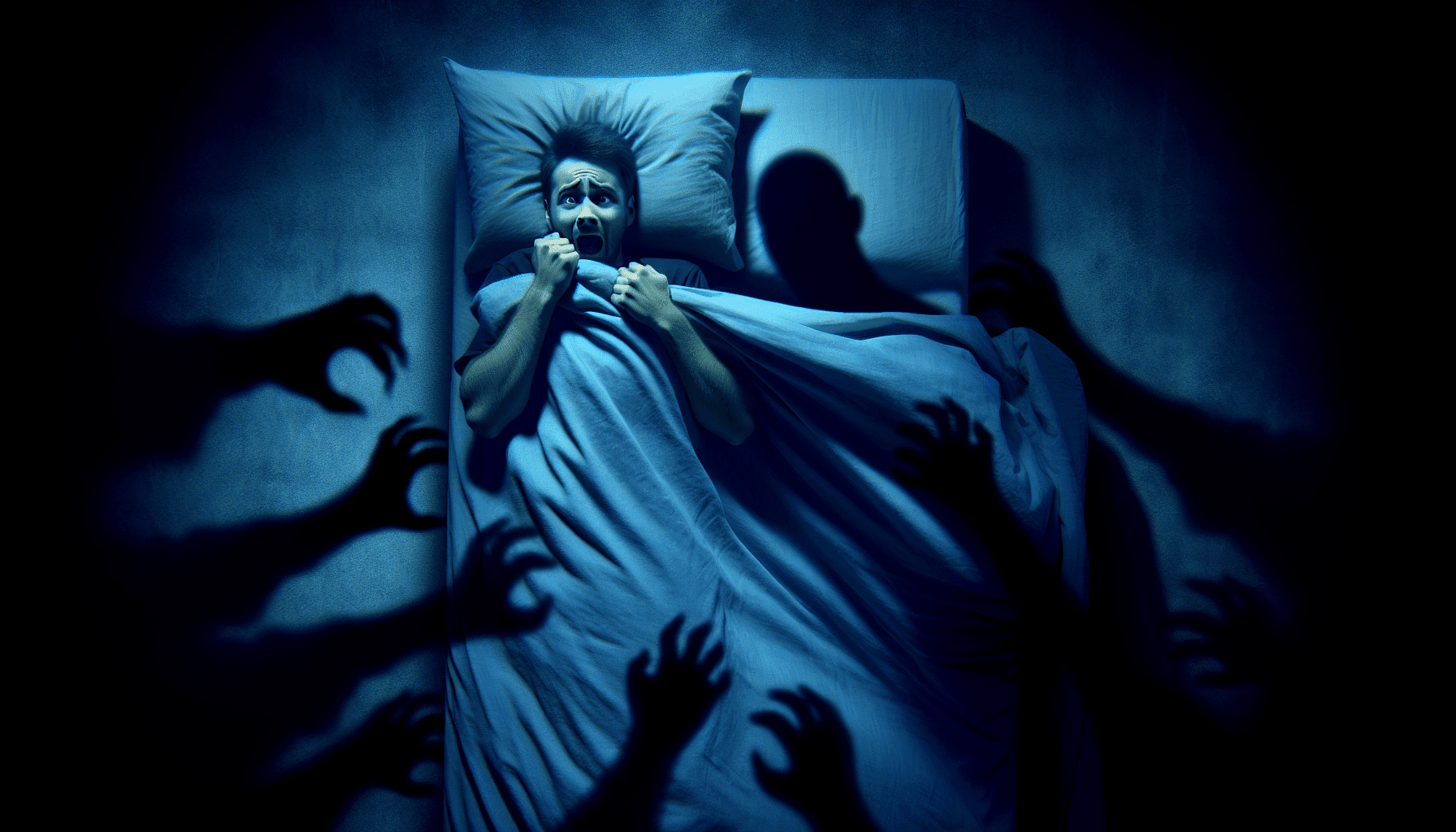
Sleep paralysis is often accompanied by hallucinations and vivid nightmares. These hallucinations can take various forms, from seeing shadowy figures in the room to experiencing a sense of being watched or touched. These experiences can be extremely realistic and terrifying.
Feeling of impending doom or a presence in the room
One of the most unsettling aspects of sleep paralysis is the intense feeling of impending doom or the presence of an unseen entity in the room. This feeling of being watched or accompanied adds to the overall fear and unease associated with the experience.
The Science Behind Sleep Paralysis
Understanding the scientific mechanisms behind sleep paralysis can shed light on why it occurs and help demystify the experience.
Sleep cycles and REM sleep
Sleep follows a cyclical pattern, alternating between non-rapid eye movement (NREM) sleep and REM sleep. During REM sleep, vivid dreaming occurs, and the muscles of the body are naturally paralyzed to prevent acting out dreams. Sleep paralysis happens when the brain transitions between REM sleep and wakefulness, and the temporary paralysis continues.
Role of the brain and neurotransmitters
The intricate workings of the brain play a significant role in sleep paralysis. Neurotransmitters, such as serotonin and dopamine, are involved in regulating sleep and wakefulness. Imbalances or dysfunctions in these neurotransmitters may contribute to sleep paralysis. Additionally, irregularities in the brain regions responsible for REM sleep regulation have been observed in individuals experiencing sleep paralysis.
Sleep disorders associated with sleep paralysis
Sleep paralysis can occur on its own or as a symptom of other sleep disorders. Narcolepsy, a neurological disorder characterized by excessive daytime sleepiness, is strongly associated with sleep paralysis. Other sleep disorders, such as insomnia and sleep apnea, may also increase the likelihood of experiencing sleep paralysis.
Managing Sleep Paralysis
While sleep paralysis can be frightening, there are ways to manage and reduce its occurrence.
Establishing a regular sleep schedule
Maintaining a consistent sleep schedule can be beneficial in managing sleep paralysis. Going to bed and waking up at the same time each day helps regulate the sleep-wake cycle and promotes better overall sleep quality.
Improving sleep hygiene
Practicing good sleep hygiene can contribute to better sleep and potentially reduce the frequency of sleep paralysis episodes. This includes creating a relaxing bedtime routine, ensuring a comfortable sleep environment, and avoiding stimulants such as caffeine before bed.
Reducing stress and anxiety
Stress and anxiety can exacerbate sleep paralysis. Engaging in stress-reducing activities such as exercise, meditation, or deep breathing exercises can help relax both the mind and body, making sleep paralysis less likely to occur.
Seeking professional help
If sleep paralysis persists or significantly impacts your well-being, it may be beneficial to seek professional help. A healthcare provider or sleep specialist can provide further guidance, evaluate any underlying sleep disorders, and propose appropriate treatment options.
Exploring Treatment Options
When sleep paralysis significantly affects daily life, various treatment options can be considered.
Medications for sleep disorders
In some cases, medications may be prescribed to manage sleep disorders that contribute to sleep paralysis. These medications can help regulate sleep patterns, improve sleep quality, and reduce the frequency of sleep paralysis episodes.
Therapeutic interventions and counseling
Therapeutic interventions, such as cognitive-behavioral therapy for insomnia or counseling, can help individuals cope with sleep paralysis. These approaches aim to address any underlying anxiety or fears associated with sleep paralysis and provide strategies for managing the condition.
Alternative therapies and holistic approaches
Some individuals find relief through alternative therapies and holistic approaches. Techniques such as acupuncture, aromatherapy, or herbal supplements may be explored. However, it is important to consult with a healthcare professional before pursuing any alternative therapies to ensure they are safe and effective.
Coping Strategies
While managing sleep paralysis is crucial, implementing coping strategies can be equally helpful in navigating this condition.
Recognizing triggers
Understanding the triggers that precede sleep paralysis episodes can be empowering. Keeping a sleep diary and noting any patterns or factors that may contribute to episodes can help identify triggers. Once identified, steps can be taken to minimize exposure to these triggers.
Relaxation techniques and meditation
Practicing relaxation techniques, such as deep breathing exercises or progressive muscle relaxation, can help alleviate anxiety and promote a calm state of mind before sleep. Meditation and mindfulness practices may also help reduce stress levels and enhance overall well-being.
Creating a safe sleep environment
Creating a sleep environment that feels safe and comfortable can contribute to a more restful sleep. This can include reducing sources of noise or light, using soothing sounds or aromas, and ensuring a supportive mattress and pillows.
Support groups and online communities
Connecting with others who share similar experiences can help individuals feel less alone and provide a platform for sharing coping strategies and support. Joining support groups or engaging with online communities dedicated to sleep paralysis can be beneficial and foster a sense of camaraderie.
Impact on Mental Health
Sleep paralysis can have significant impacts on mental health, contributing to conditions such as depression and anxiety.
Depression and anxiety
The fear and anxiety experienced during sleep paralysis episodes can seep into waking life, leading to increased levels of depression and anxiety. This can manifest as a fear of sleeping, avoidance of certain environments, and overall emotional distress.
Sleep deprivation and its consequences
The disrupted sleep caused by sleep paralysis can result in chronic sleep deprivation. Sleep deprivation, in turn, can lead to cognitive impairment, decreased productivity, and an increased risk of mental health disorders.
Importance of self-care
Taking care of one’s mental health is crucial when dealing with sleep paralysis. Engaging in self-care practices, such as maintaining a healthy lifestyle, seeking professional help when needed, and practicing stress management techniques, can all contribute to overall well-being.
Sharing Stories and Raising Awareness
Sharing personal narratives and raising awareness about sleep paralysis can help combat the stigma surrounding this condition and provide support to those who are affected.
Personal narratives and testimonials
Sharing personal experiences of sleep paralysis can help others better understand the condition and recognize that they are not alone in their struggles. Personal narratives and testimonials can inspire hope, spark conversations, and foster a sense of community.
Connecting with others
Connecting with individuals who have experienced sleep paralysis can provide a sense of validation and understanding. Engaging in discussions, participating in support groups, or attending sleep paralysis-focused events can facilitate these connections and offer a platform for support and empathy.
Advocacy and education initiatives
Advocating for increased awareness and understanding of sleep paralysis is crucial. Education initiatives, through media outlets, social media campaigns, or community events, can help dispel myths, provide accurate information, and reduce the stigma surrounding this condition.
Hope for the Future
Although sleep paralysis can be challenging, there is hope for improved management and treatment options.
Ongoing scientific research
Scientists and researchers continue to study the mechanisms and underlying causes of sleep paralysis. Ongoing research aims to uncover more insights into this condition, leading to advancements in prevention and treatment strategies.
Advancements in sleep medicine
As our understanding of sleep disorders grows, so does the development of improved diagnostic tools and treatment options. Advancements in sleep medicine offer hope for individuals seeking relief from sleep paralysis and related conditions.
Promising treatments on the horizon
Emerging treatments, such as novel medications or technological interventions, show promise in managing sleep paralysis. While these treatments are still in development, their potential to provide relief and improve overall well-being is an encouraging prospect for those affected by sleep paralysis.
In conclusion, sleep paralysis is a fascinating and often challenging condition that deserves understanding, compassion, and effective management strategies. By dispelling misconceptions, raising awareness, and supporting those affected, we can foster a community that empowers individuals to navigate their ongoing battle with sleep paralysis. With ongoing research and advancements in sleep medicine, there is hope for a brighter future where the impact of sleep paralysis can be minimized, and individuals can find relief and restful sleep.