Are You a Shift Worker Experiencing Sleep Paralysis?
If you work irregular hours or night shifts, you may be familiar with the unsettling feeling of waking up unable to move or speak. This phenomenon is known as sleep paralysis, and it can be a terrifying experience. In this article, we will discuss what sleep paralysis is, why it might be more common among shift workers, and most importantly, how you can prevent it from happening to you.
Understanding Sleep Paralysis
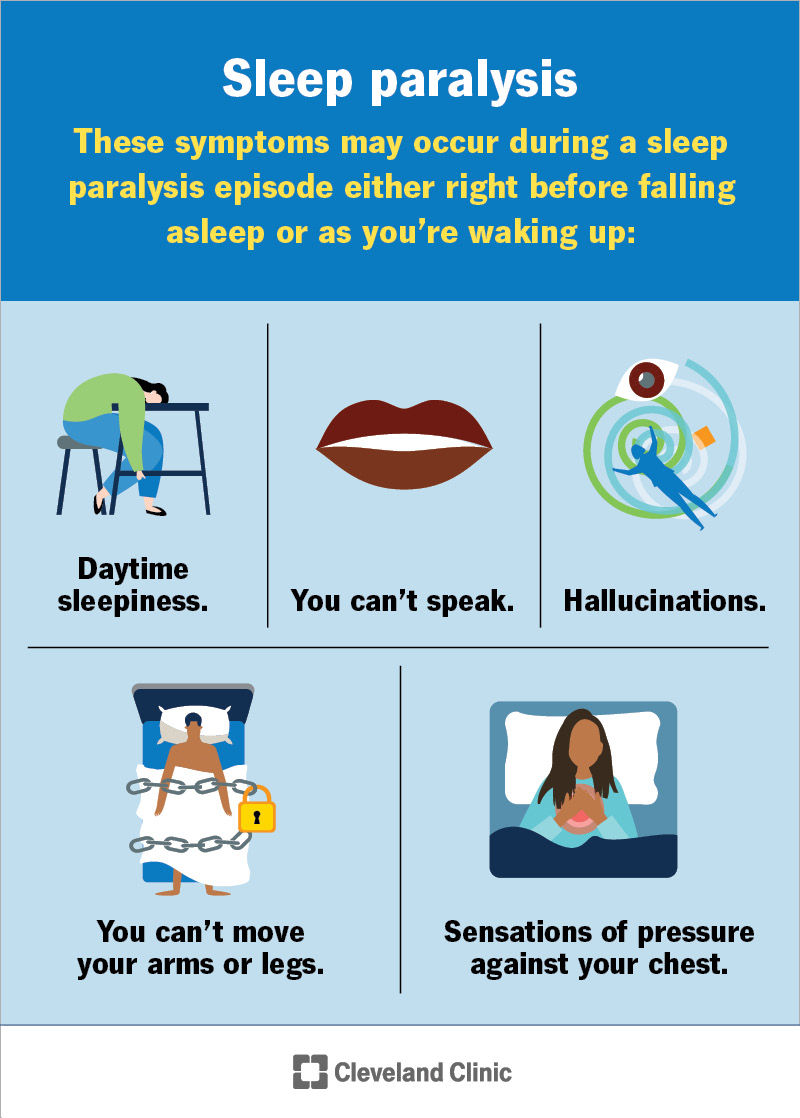
Sleep paralysis occurs when you wake up during REM (rapid eye movement) sleep, a stage of the sleep cycle where your brain is active but your body is temporarily paralyzed to prevent you from acting out your dreams. During sleep paralysis, your mind is awake, but your body remains frozen, leading to feelings of helplessness, fear, and panic.
Why Shift Workers are at Higher Risk
If you work irregular hours, night shifts, or rotating shifts, you may be more prone to experiencing sleep paralysis. These schedules disrupt your body’s natural circadian rhythm, the internal clock that regulates your sleep-wake cycle. As a result, your brain and body may become out of sync, increasing the likelihood of sleep disturbances such as sleep paralysis.
Tips for Preventing Sleep Paralysis
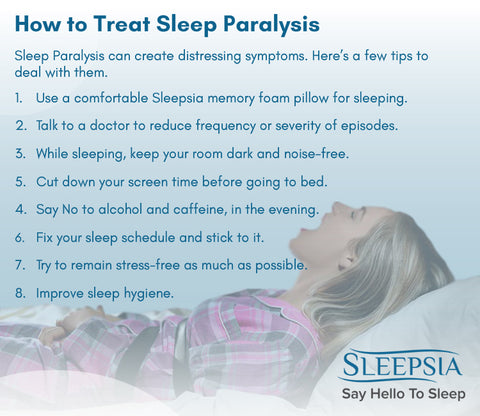
Fortunately, there are several strategies you can implement to reduce the chances of experiencing sleep paralysis as a shift worker. By incorporating these tips into your daily routine, you can improve the quality of your sleep and minimize the risk of this unsettling phenomenon.
Establish a Consistent Sleep Schedule
One of the most effective ways to prevent sleep paralysis is to establish a consistent sleep schedule, even if you work irregular hours. Try to go to bed and wake up at the same time every day, including weekends, to regulate your body’s internal clock. This will help synchronize your sleep-wake cycle and reduce the likelihood of experiencing sleep disturbances.
Create a Relaxing Bedtime Routine
Create a calming bedtime routine to signal to your body that it’s time to wind down and prepare for sleep. Avoid stimulating activities like watching TV, using electronic devices, or working right before bed, as they can interfere with your body’s ability to relax and fall asleep. Instead, opt for soothing activities like reading a book, taking a warm bath, or practicing relaxation techniques like deep breathing or meditation.
Optimize Your Sleep Environment
Make your bedroom a sleep-friendly environment by keeping it dark, quiet, and cool. Invest in light-blocking curtains or a sleep mask to block out external light, use earplugs or a white noise machine to drown out noise disturbances, and set the temperature to a comfortable level to promote restful sleep. Creating a peaceful sleep environment can help you fall asleep faster and stay asleep longer, reducing the risk of sleep paralysis.
Limit Caffeine and Alcohol Consumption
While coffee or energy drinks may seem essential to get you through the night shift, it’s important to limit your caffeine intake, especially close to bedtime. Caffeine is a stimulant that can interfere with your ability to fall asleep and stay asleep, increasing the likelihood of sleep disturbances like sleep paralysis. Similarly, alcohol may disrupt your sleep cycle and lead to fragmented sleep, making you more susceptible to experiencing sleep paralysis.
Stay Active and Exercise Regularly
Regular physical activity can improve the quality of your sleep and help regulate your circadian rhythm, reducing the risk of experiencing sleep paralysis. Incorporate moderate exercise into your daily routine, such as walking, jogging, yoga, or strength training, to promote better sleep quality and overall well-being. However, avoid vigorous exercise close to bedtime, as it may have a stimulating effect on your body and make it harder to fall asleep.
Maintain a Healthy Diet
Eating a balanced diet rich in fruits, vegetables, whole grains, and lean proteins can support your overall health and improve the quality of your sleep. Avoid heavy or spicy meals close to bedtime, as they can cause indigestion and disrupt your sleep. Additionally, try to limit your intake of sugary or fatty foods, as they may interfere with your body’s ability to relax and fall asleep. By nourishing your body with nutrient-dense foods, you can support restful sleep and reduce the likelihood of experiencing sleep paralysis.
Seek Professional Help if Necessary
If you continue to experience sleep paralysis despite implementing these strategies, it may be beneficial to seek professional help from a healthcare provider or sleep specialist. They can assess your sleep patterns, identify any underlying sleep disorders or medical conditions that may be contributing to your symptoms, and recommend appropriate treatment options to help you get the restful sleep you need. Don’t hesitate to reach out for support if you are struggling with sleep paralysis as a shift worker.

Conclusion
Sleep paralysis can be a frightening and uncomfortable experience, especially for shift workers who may already be more susceptible to sleep disturbances. By understanding the causes of sleep paralysis, implementing preventive strategies, and prioritizing healthy sleep habits, you can reduce the likelihood of experiencing this unsettling phenomenon. Remember to take care of yourself, listen to your body’s needs, and seek assistance if you need it. With the right approach, you can minimize the risk of sleep paralysis and enjoy restful, rejuvenating sleep as a shift worker.