Have you ever felt paralyzed and unable to move or speak when waking up or falling asleep? You may be experiencing sleep paralysis, a phenomenon that affects many people around the world. This article will explore ways to overcome the isolation that can come with experiencing sleep paralysis and how connecting with others who have similar experiences can provide support and understanding.
Understanding Sleep Paralysis
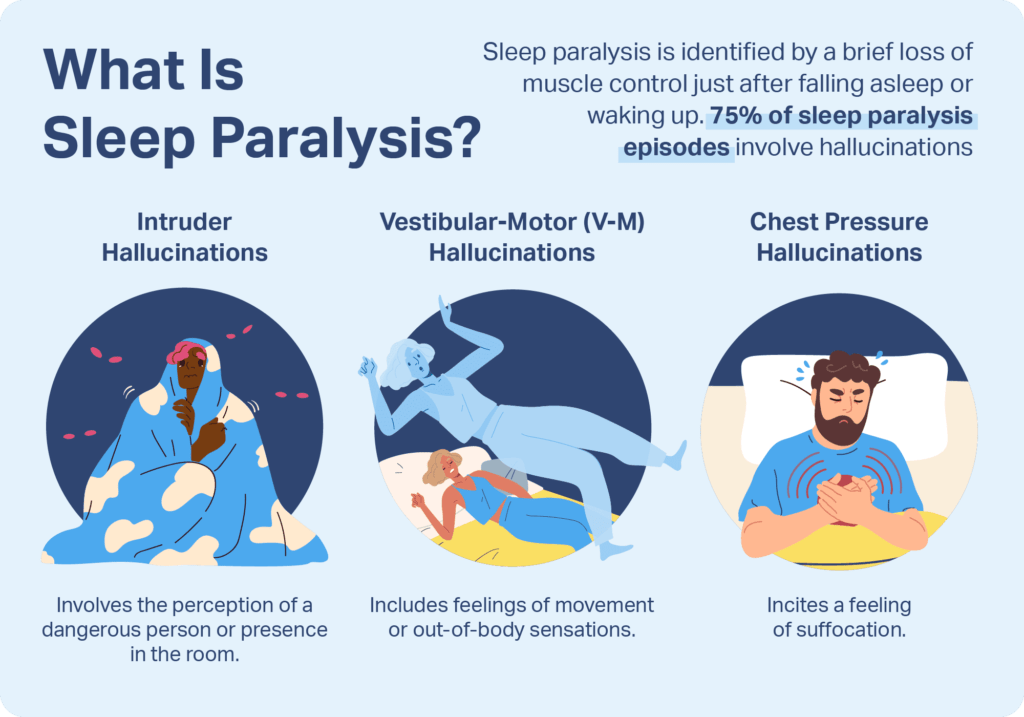
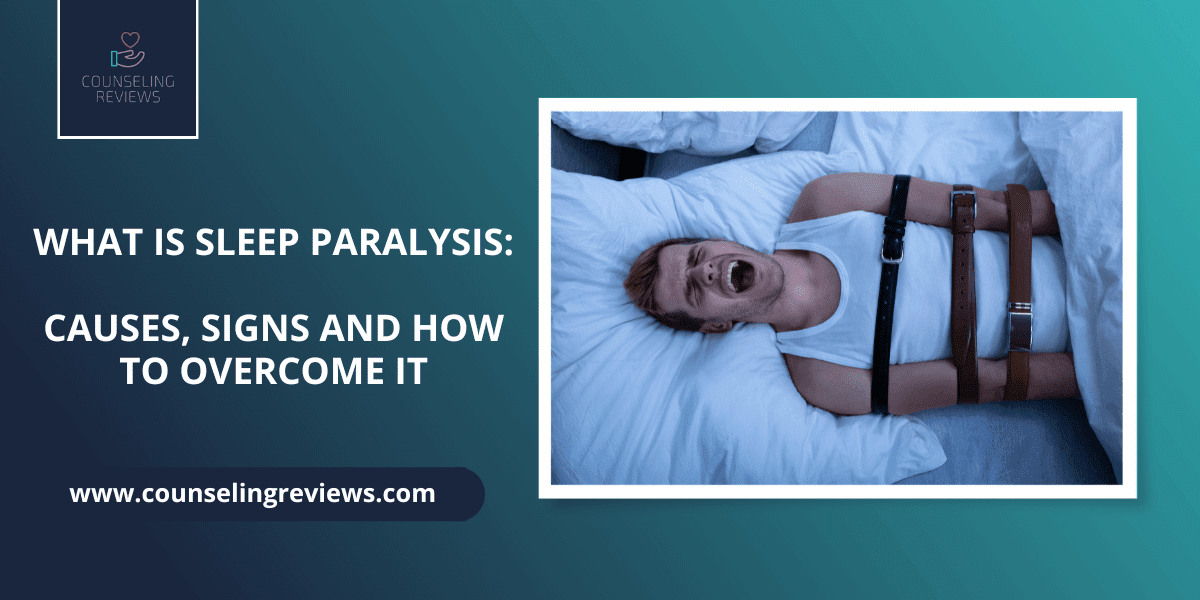
Sleep paralysis is a state in which a person is conscious but unable to move or speak. It typically occurs when falling asleep or waking up, during the transition between phases of sleep. This phenomenon can be accompanied by hallucinations and a feeling of pressure on the chest, making it a terrifying experience for those who go through it.
What Causes Sleep Paralysis?
Sleep paralysis is believed to occur when the body is transitioning between stages of sleep. During rapid eye movement (REM) sleep, the body experiences muscle atonia, a natural state of paralysis that prevents individuals from acting out their dreams. If you awaken suddenly from REM sleep, your body may still be in a state of paralysis, leading to the sensation of being unable to move.
Who is at Risk for Sleep Paralysis?
Sleep paralysis can affect anyone, but certain factors may increase the likelihood of experiencing it. These factors include:
- Sleep Deprivation: Lack of sleep or irregular sleep patterns can increase the risk of sleep paralysis episodes.
- Stress and Anxiety: High levels of stress and anxiety can trigger sleep paralysis in some individuals.
- Mental Health Conditions: Conditions such as depression and anxiety disorders are associated with higher rates of sleep paralysis.
- Sleep Disorders: People with conditions like narcolepsy or insomnia may be more prone to experiencing sleep paralysis.
Coping with Sleep Paralysis
While sleep paralysis can be frightening and disruptive, there are strategies you can use to cope with and reduce the frequency of episodes. It’s essential to find ways to manage your sleep paralysis to improve your quality of life and overall well-being.
Improve Your Sleep Hygiene
Maintaining good sleep hygiene is crucial for managing sleep paralysis. This includes:
- Establishing a regular sleep schedule: Go to bed and wake up at the same time every day to regulate your sleep cycle.
- Creating a restful sleep environment: Make sure your bedroom is dark, quiet, and cool to promote restful sleep.
- Avoiding stimulants: Limit caffeine and nicotine intake, especially close to bedtime, as they can interfere with sleep quality.
Manage Stress and Anxiety
Since stress and anxiety can exacerbate sleep paralysis, finding healthy ways to manage these emotions is essential. Consider:
- Practicing relaxation techniques: Meditation, deep breathing exercises, and progressive muscle relaxation can help reduce stress levels.
- Engaging in regular exercise: Physical activity is a great way to combat stress and anxiety while promoting better sleep.
Seek Professional Help
If you experience frequent or severe episodes of sleep paralysis, it’s crucial to consult a healthcare professional. A doctor or sleep specialist can evaluate your symptoms, provide a diagnosis, and recommend appropriate treatment options.

Connecting with Others Who Experience Sleep Paralysis
One of the most significant challenges of dealing with sleep paralysis is the sense of isolation that often accompanies it. Connecting with others who have similar experiences can provide support, validation, and a sense of community. Here are some ways to connect with others who experience sleep paralysis:
Online Support Groups
Joining online support groups dedicated to sleep paralysis can be a valuable resource for those seeking connection and understanding. Websites like Reddit, Facebook, or dedicated forums offer platforms for individuals to share their experiences, ask questions, and offer support to one another.
Attend Workshops or Support Groups
Look for local workshops or support groups focused on sleep disorders or mental health. These in-person gatherings provide opportunities to meet others who are going through similar challenges and to learn coping strategies from experts in the field.
Participate in Research Studies
Consider participating in research studies on sleep paralysis or related sleep disorders. Research institutions often recruit participants to better understand these conditions and develop effective treatments. By getting involved in research, you not only contribute to scientific knowledge but also connect with others who share your experiences.
Benefits of Connecting with Others
Connecting with others who experience sleep paralysis can offer numerous benefits, including:
- Validation: Sharing your experiences with others who understand can validate your feelings and reduce feelings of isolation.
- Support: Connecting with a supportive community can provide comfort, encouragement, and reassurance during difficult times.
- Resources: Through connections with others, you may discover new coping strategies, treatment options, and valuable information on managing sleep paralysis.
- Empowerment: By connecting with others, you can empower yourself to take control of your condition and work towards improving your overall well-being.

In Conclusion
Experiencing sleep paralysis can be a frightening and isolating experience, but it’s essential to remember that you are not alone. By connecting with others who share your struggles, you can gain valuable support, understanding, and resources to help you cope with and overcome sleep paralysis. Remember, reaching out and seeking connections can be a powerful step towards overcoming isolation and taking control of your well-being.