Sleep paralysis can be a terrifying experience for those who suffer from it. In this article, we will explore the role of medication in managing sleep paralysis and how it can help alleviate symptoms for those affected. If you have ever experienced sleep paralysis or are looking for ways to manage it, this article is for you!
What is Sleep Paralysis?
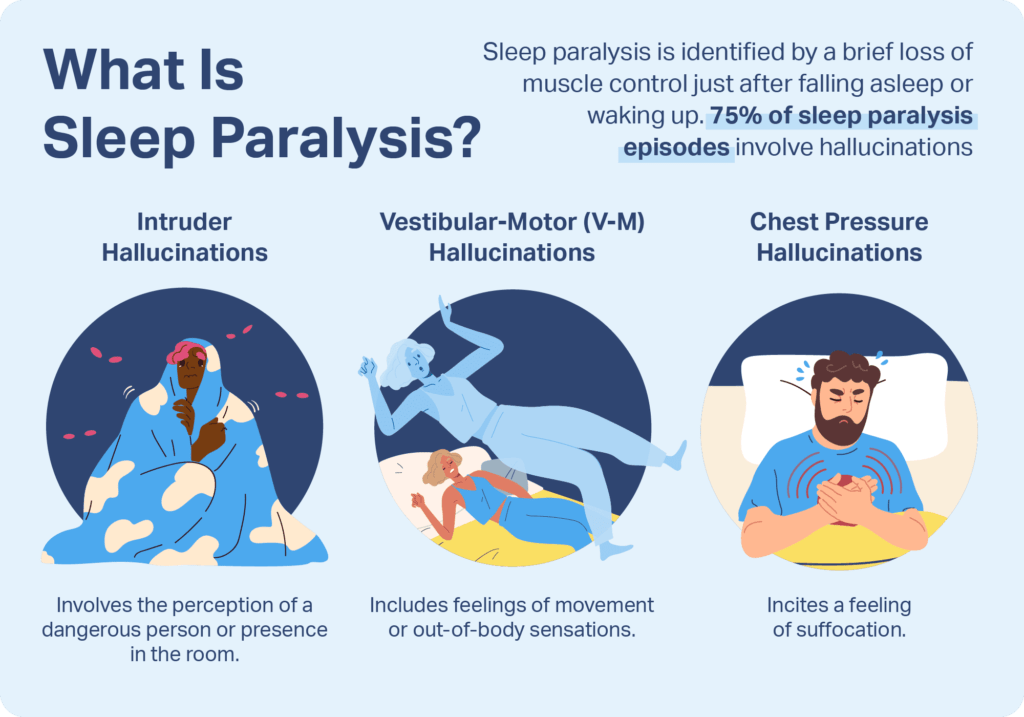
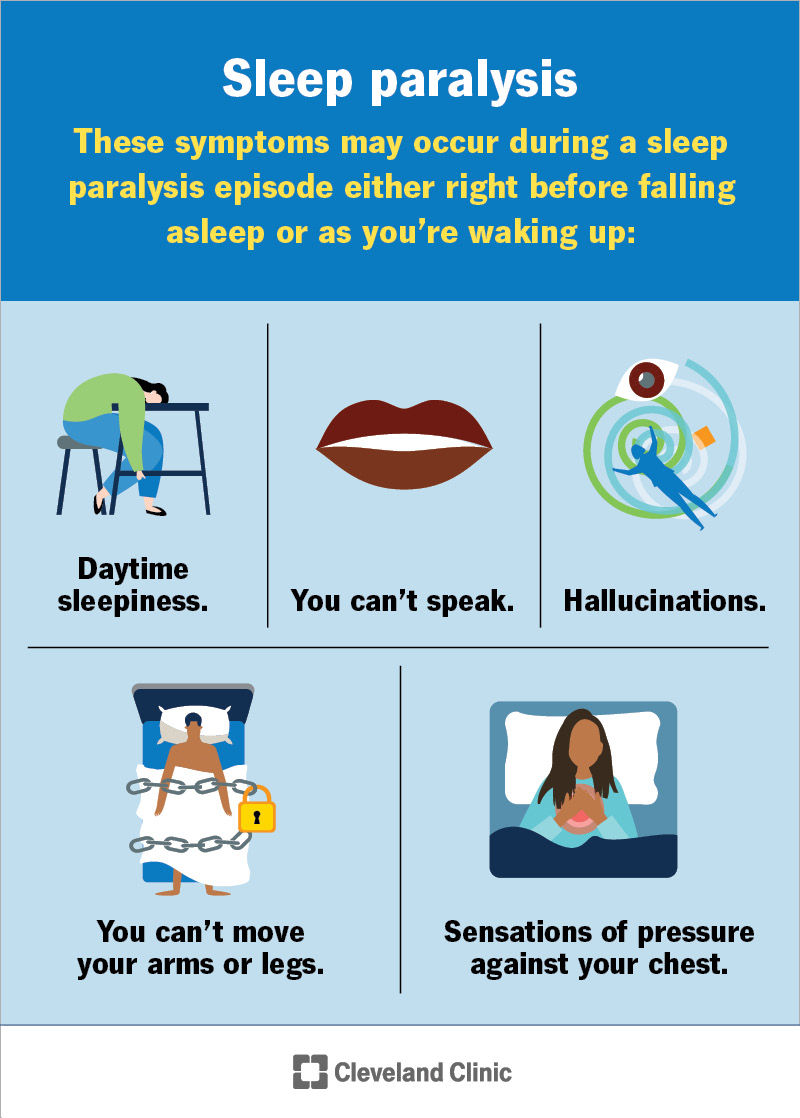
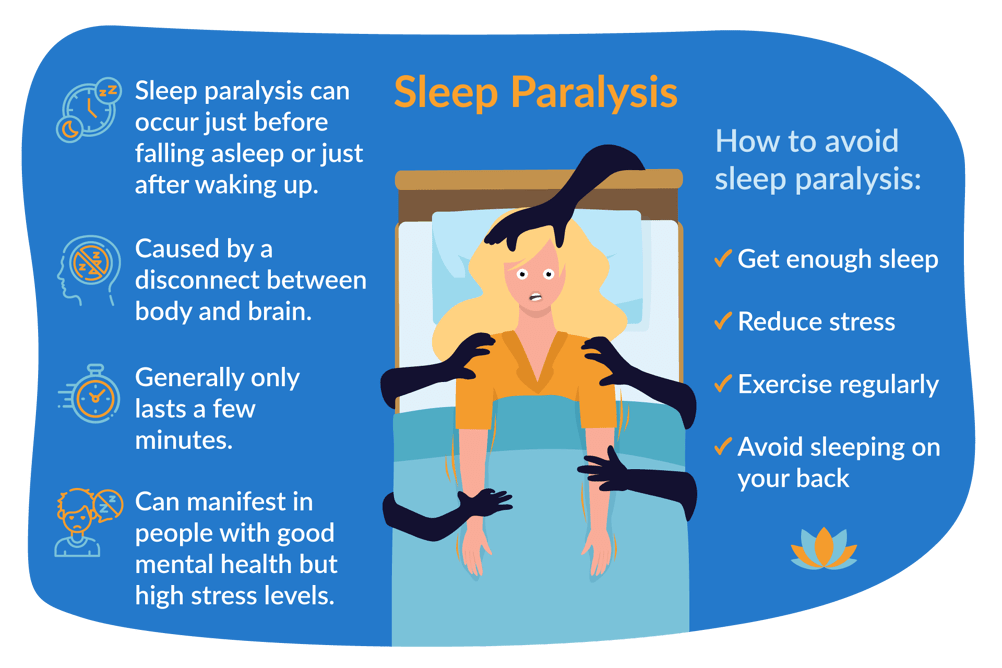
Sleep paralysis is a phenomenon in which a person temporarily experiences an inability to move or speak while falling asleep or waking up. This can be accompanied by hallucinations and a sense of fear or dread. It is believed to occur when a person is unable to transition smoothly between the stages of sleep.
Understanding Sleep Paralysis
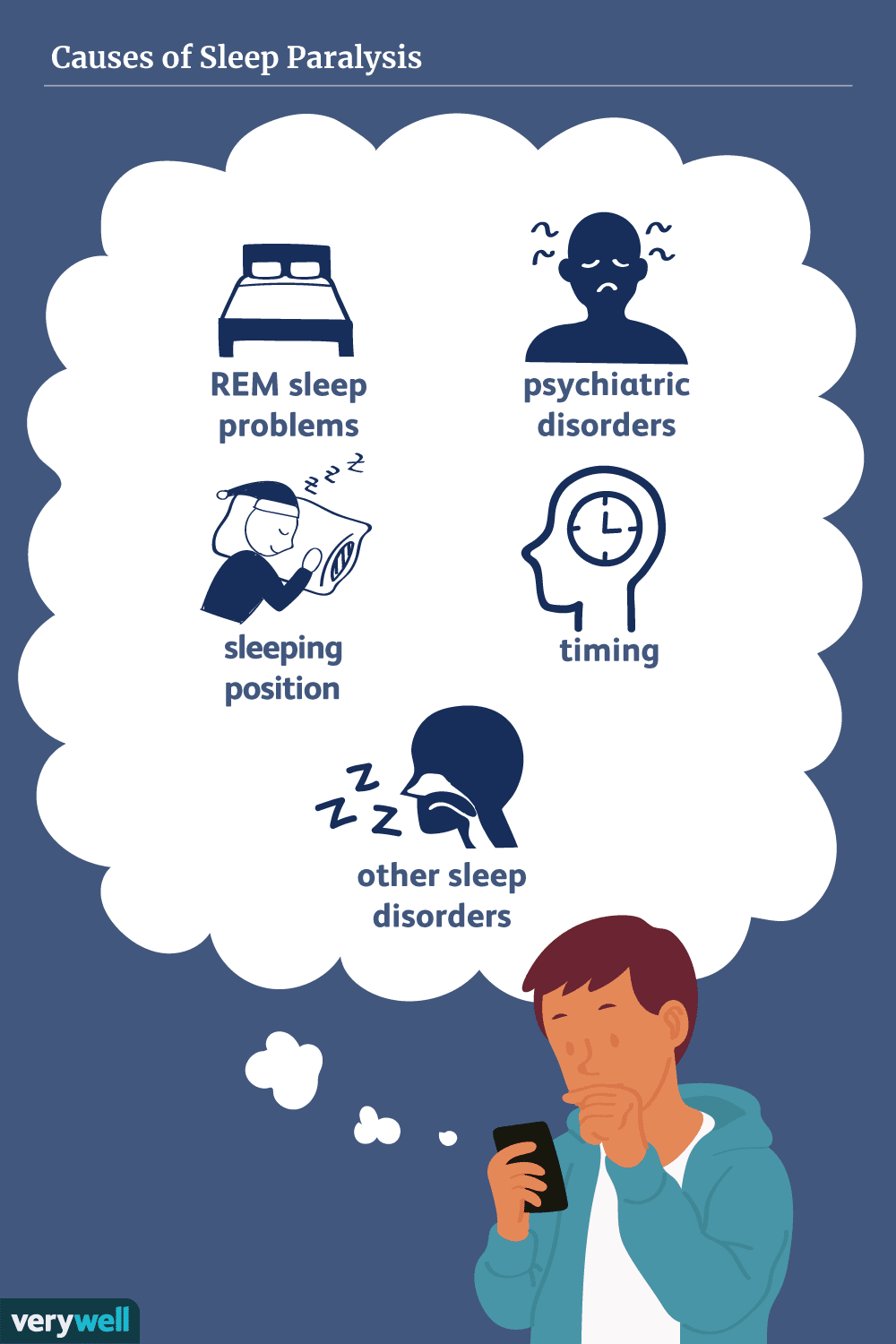
Sleep paralysis typically occurs when a person is in a state of either falling asleep or waking up. It is thought to be caused by disrupted REM (rapid eye movement) sleep, during which dreams occur and muscles are temporarily paralyzed to prevent acting out dreams. When this process is interrupted, a person may become aware of their surroundings but unable to move or speak. This can be a frightening experience and lead to anxiety about falling asleep.
Non-Medication Approaches to Managing Sleep Paralysis
Before considering medication, there are non-medication approaches to managing sleep paralysis that can be effective for some individuals. These approaches focus on improving overall sleep hygiene and addressing any underlying factors that may contribute to sleep disturbances.
Improving Sleep Hygiene
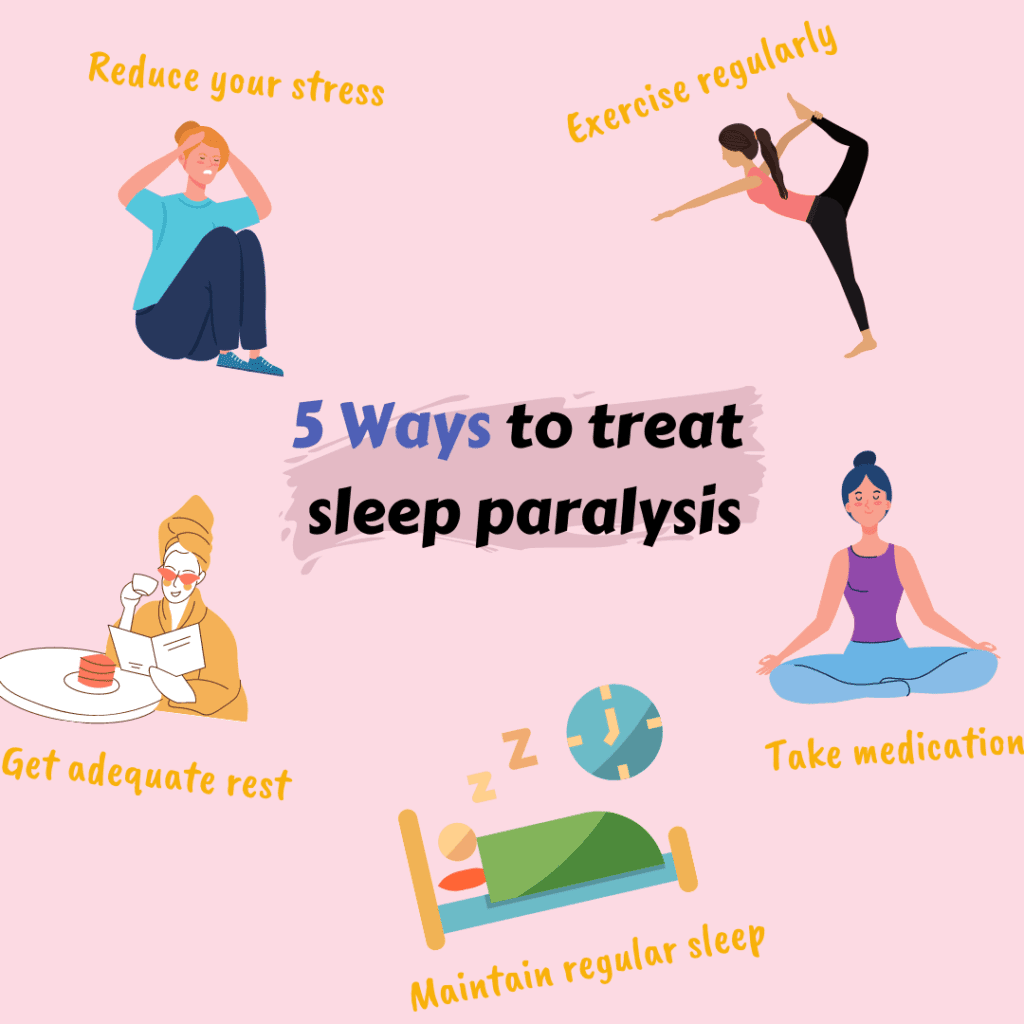
Good sleep hygiene practices can help improve the quality of sleep and reduce the likelihood of experiencing sleep paralysis. This includes maintaining a consistent sleep schedule, creating a relaxing bedtime routine, and ensuring a comfortable sleep environment. Avoiding caffeine, alcohol, and heavy meals close to bedtime can also be beneficial in promoting restful sleep.
Stress Reduction Techniques
Stress and anxiety can contribute to sleep disturbances, including sleep paralysis. Practicing stress reduction techniques such as mindfulness meditation, deep breathing exercises, and yoga can help relax the mind and body before bedtime. Engaging in regular physical activity during the day can also promote better sleep and reduce stress levels.
Cognitive Behavioral Therapy
Cognitive Behavioral Therapy (CBT) can be beneficial for those experiencing sleep paralysis. This type of therapy focuses on changing negative thought patterns and behaviors that may contribute to sleep disturbances. A therapist can work with individuals to address any underlying anxiety or fear associated with sleep paralysis and develop coping strategies to manage symptoms effectively.
Medication Options for Managing Sleep Paralysis
While non-medication approaches can be helpful for some individuals, medication may be necessary for those who continue to experience frequent episodes of sleep paralysis. There are several medication options that can be prescribed to help manage symptoms and improve sleep quality.
Antidepressants
Antidepressants are commonly prescribed for the treatment of sleep paralysis, especially for individuals who also experience anxiety or depression. Selective Serotonin Reuptake Inhibitors (SSRIs) such as fluoxetine or sertraline can help regulate sleep patterns and reduce the frequency of sleep paralysis episodes. These medications may take several weeks to reach full effectiveness, so it is important to consult with a healthcare provider to determine the appropriate dosage and treatment plan.
Benzodiazepines
Benzodiazepines are a class of medications that can be prescribed to help promote relaxation and reduce anxiety, which may contribute to sleep paralysis. These medications work by enhancing the effects of neurotransmitters in the brain that promote calmness and relaxation. However, benzodiazepines can be habit-forming and may cause side effects such as drowsiness and impaired coordination, so they should be used with caution and under the guidance of a healthcare provider.
Melatonin Supplements
Melatonin is a hormone that regulates the sleep-wake cycle and can be taken as a supplement to help promote sleep. Some individuals with sleep paralysis may benefit from melatonin supplements, as they can help regulate sleep patterns and improve overall sleep quality. It is important to consult with a healthcare provider before taking melatonin supplements, as they can interact with other medications and may not be suitable for everyone.
Hypnotic Medications
Hypnotic medications are prescribed to help induce sleep and improve sleep quality in individuals with sleep disturbances. These medications work by slowing down brain activity and promoting relaxation, which can help reduce the occurrence of sleep paralysis episodes. However, hypnotic medications are usually prescribed for short-term use due to the risk of dependency and potential side effects, so they should be used under the guidance of a healthcare provider.
Consultation with a Healthcare Provider
If you are experiencing frequent episodes of sleep paralysis or are concerned about your sleep quality, it is important to consult with a healthcare provider. A healthcare provider can perform a thorough evaluation to determine the underlying factors contributing to sleep paralysis and recommend appropriate treatment options, which may include medication or other interventions. It is essential to follow the guidance of a healthcare provider and communicate any concerns or side effects experienced while taking medication for sleep paralysis.
Conclusion
Managing sleep paralysis can be a challenging experience, but there are treatment options available to help alleviate symptoms and improve sleep quality. Non-medication approaches such as improving sleep hygiene, stress reduction techniques, and cognitive behavioral therapy can be effective for some individuals. However, if these approaches are not successful in managing sleep paralysis, medication options such as antidepressants, benzodiazepines, melatonin supplements, and hypnotic medications may be considered. It is important to consult with a healthcare provider to determine the most appropriate treatment plan for your individual needs and to monitor for any potential side effects or concerns. By exploring the role of medication in managing sleep paralysis, you can take proactive steps to improve your sleep quality and overall well-being.