

Are you struggling with sleepless nights due to anxiety caused by sleep paralysis? Let’s explore some ways to overcome insomnia brought on by this unsettling phenomenon.
Understanding Sleep Paralysis and its Connection to Anxiety
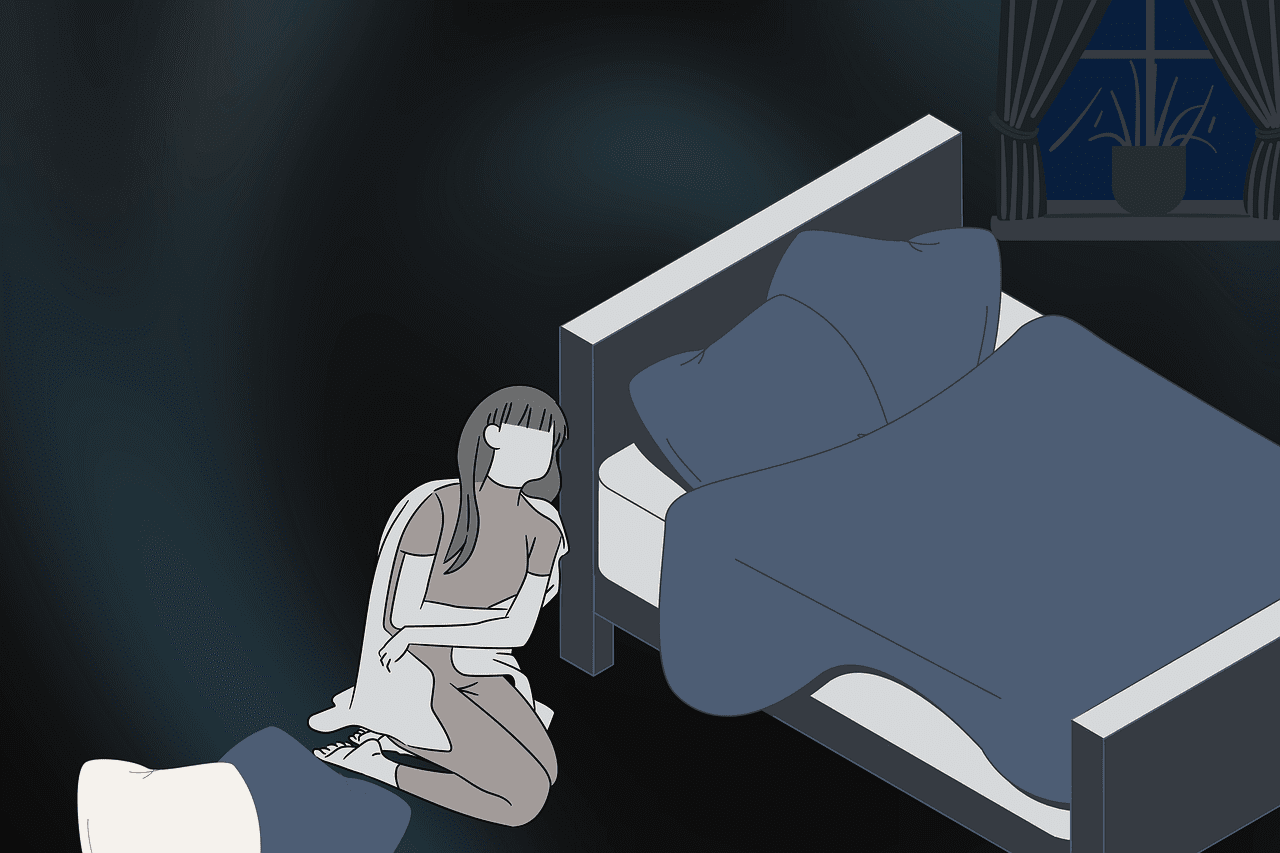
Have you ever woken up from sleep unable to move or speak, accompanied by a feeling of intense fear? This is likely a case of sleep paralysis, a phenomenon in which your mind is awake, but your body remains in a state of sleep-induced paralysis. Sleep paralysis is often associated with anxiety, as the experience can be terrifying and lead to heightened feelings of stress and fear.
The Relationship Between Sleep Paralysis and Anxiety
When you experience episodes of sleep paralysis, your body is essentially caught between the stages of wakefulness and REM sleep. This can trigger a fight-or-flight response in your brain, leading to elevated anxiety levels. The fear and dread associated with sleep paralysis can further exacerbate existing anxiety issues, creating a vicious cycle that contributes to insomnia.
Recognizing the Signs of Sleep Paralysis-Related Anxiety
Do you find yourself unable to fall asleep due to fear of experiencing sleep paralysis? It’s important to recognize the signs of anxiety related to sleep paralysis so that you can address them effectively.
Common Symptoms of Sleep Paralysis-Related Anxiety
- Persistent fear of going to sleep
- Difficulty falling asleep or staying asleep
- Waking up frequently during the night
- Increased heart rate and feelings of panic before bedtime
- Daytime fatigue and irritability due to lack of quality sleep
Recognizing these symptoms can help you identify if your insomnia is linked to anxiety caused by sleep paralysis.
Coping Strategies for Overcoming Insomnia
Are you tired of constantly battling insomnia caused by sleep paralysis-related anxiety? There are several coping strategies you can implement to improve your sleep quality and overcome your fear of the nighttime.
Establishing a Relaxing Bedtime Routine
Creating a calming bedtime routine can help signal to your body and mind that it’s time to wind down and prepare for sleep. This can include activities such as taking a warm bath, practicing meditation or deep breathing exercises, or reading a book in bed. Avoiding stimulating activities or screens close to bedtime can also contribute to a more restful night’s sleep.
Practicing Mindfulness and Relaxation Techniques
Mindfulness techniques, such as progressive muscle relaxation or guided imagery, can help alleviate anxiety and promote relaxation before bedtime. By focusing on your breath and being present in the moment, you can reduce stress levels and quiet your mind, making it easier to drift off to sleep.
Seeking Support from a Mental Health Professional
If your anxiety and insomnia are significantly impacting your daily life, it may be beneficial to seek help from a mental health professional. Therapists specializing in cognitive-behavioral therapy (CBT) can work with you to address and overcome your anxiety triggers, including those related to sleep paralysis. Medication may also be prescribed in severe cases to help manage anxiety and improve sleep quality.
Lifestyle Changes to Improve Sleep Quality
In addition to coping strategies and professional help, making certain lifestyle changes can also have a positive impact on your sleep quality and overall well-being.
Maintaining a Consistent Sleep Schedule
Going to bed and waking up at the same time every day, even on weekends, helps regulate your body’s internal clock and promote better sleep quality. Irregular sleep patterns can disrupt your circadian rhythm, making it harder to fall asleep and stay asleep.
Creating a Sleep-Conducive Environment
Make your bedroom a sanctuary for sleep by keeping it cool, dark, and quiet. Investing in a comfortable mattress and pillows, and using soothing bedding and sleepwear, can also contribute to creating a restful sleep environment. Limiting noise and light disturbances by using earplugs or a white noise machine can help you stay asleep throughout the night.
Practicing Healthy Sleep Habits
Engaging in regular exercise, maintaining a healthy diet, and avoiding caffeine and alcohol close to bedtime can all positively impact your sleep quality. Physical activity can help reduce anxiety and promote relaxation, while a balanced diet and limiting stimulants can support a good night’s sleep.

Tips for Managing Anxiety During Sleep Paralysis
Are you feeling overwhelmed by anxiety during episodes of sleep paralysis? Here are some tips to help you manage and alleviate your anxiety during these unsettling experiences.
Focus on Controlling Your Breathing
During a bout of sleep paralysis, focus on regulating your breathing to help calm your mind and body. Take slow, deep breaths and try to relax your muscles as much as possible. This can help reduce the intensity of fear and anxiety you may be experiencing.
Remind Yourself that Sleep Paralysis is Temporary
While it may feel like an eternity, episodes of sleep paralysis typically last only a few seconds to a few minutes. Remind yourself that the experience is temporary and will pass, allowing your body to fully wake up shortly. This can help alleviate some of the anxiety and fear associated with sleep paralysis.
Visualization and Positive Affirmations
Using visualization techniques or repeating positive affirmations in your mind during sleep paralysis can help shift your focus away from fear and anxiety. Picture yourself in a calming and safe environment, or repeat phrases such as “This too shall pass” to help ground yourself and reduce feelings of panic.
Improving Sleep Hygiene for Better Rest
Improving your sleep hygiene can play a significant role in overcoming insomnia caused by anxiety related to sleep paralysis. By establishing healthy sleep habits and creating a conducive sleep environment, you can improve the quality of your sleep and reduce the impact of anxiety on your nighttime rest.
Setting Boundaries with Electronic Devices
Avoid using electronic devices, such as smartphones or laptops, close to bedtime, as the blue light emitted can disrupt your body’s production of melatonin, a hormone that regulates sleep. Establish boundaries for screen time and create a digital curfew to allow your mind to prepare for sleep naturally.
Limiting Stressful Activities Before Bed
Engage in relaxing activities before bed, such as reading a book, taking a warm bath, or practicing gentle yoga. Avoid stimulating or stressful activities that can increase anxiety levels and make it harder to fall asleep. Creating a calming pre-sleep routine can help signal to your body that it’s time to wind down and relax.
Utilizing Sleep Aids and Relaxation Techniques
If anxiety continues to interfere with your ability to fall asleep, consider incorporating sleep aids or relaxation techniques into your bedtime routine. This can include herbal supplements like valerian root or chamomile tea, as well as soothing music or meditation apps to promote relaxation and reduce stress before sleep.
Conclusion
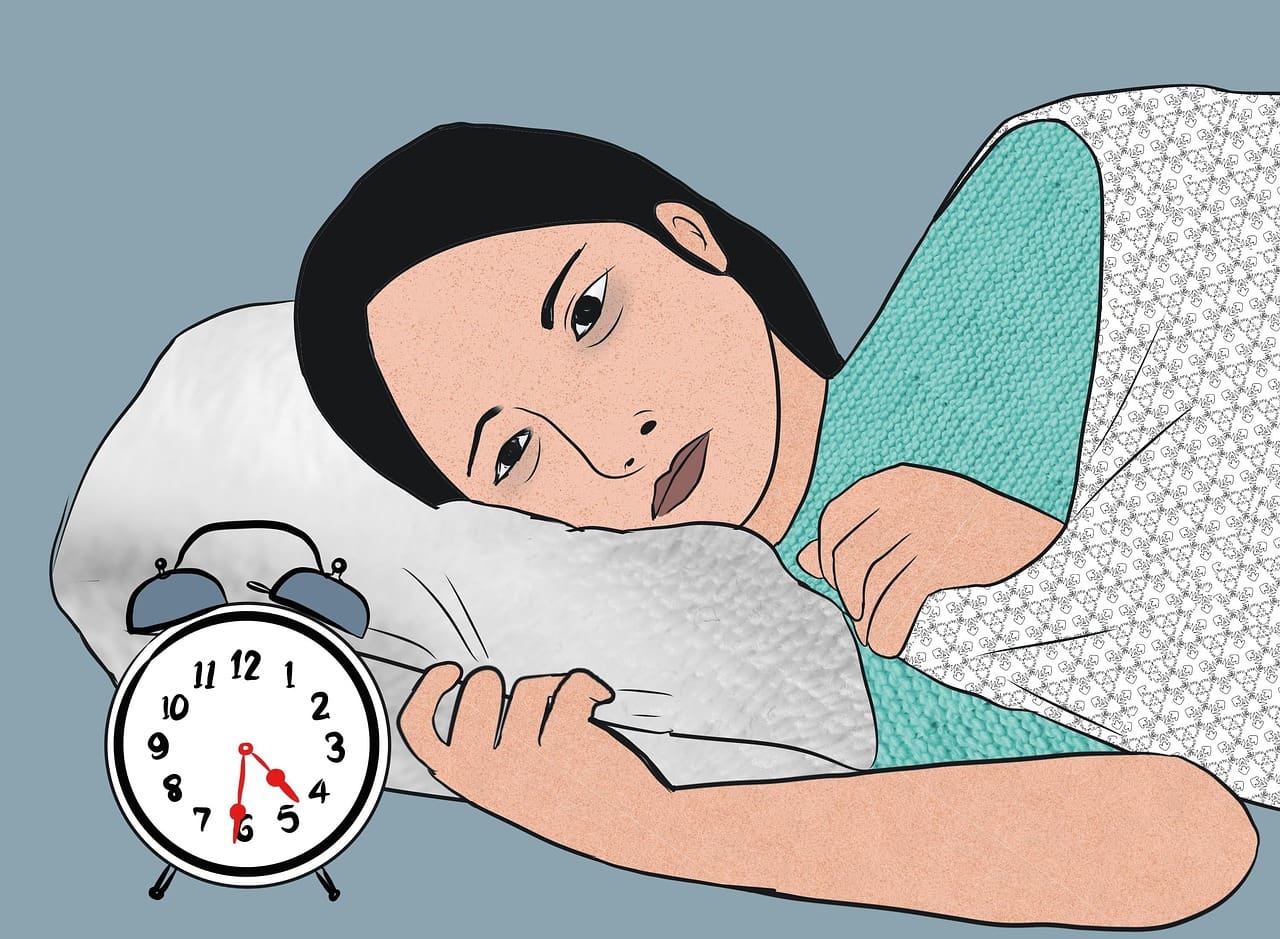
Insomnia caused by anxiety related to sleep paralysis can be a challenging and distressing experience, but with the right coping strategies and lifestyle changes, you can improve your sleep quality and overcome your nighttime fears. By focusing on improving sleep hygiene, managing anxiety during sleep paralysis episodes, and seeking professional help if needed, you can take control of your insomnia and enjoy restful nights once again. Remember, you are not alone in this struggle, and there are resources and support available to help you overcome insomnia caused by sleep paralysis-related anxiety. So take charge of your sleep health and prioritize your well-being for a brighter, more rejuvenated tomorrow.