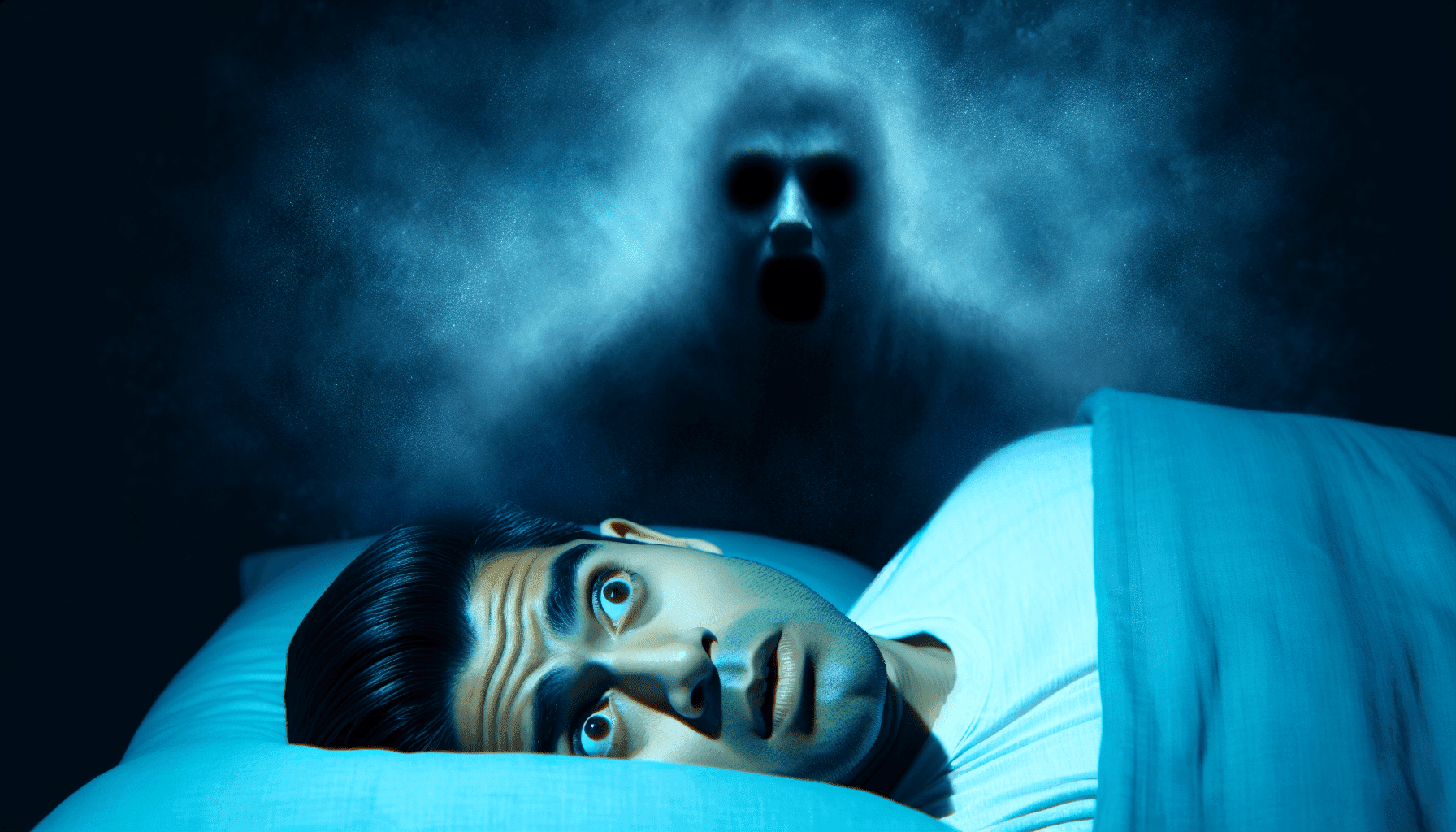
Have you ever experienced the terrifying sensation of being awake but unable to move, with a feeling of pressure on your chest and a sense of impending doom? If so, you may have experienced sleep paralysis. This phenomenon can be incredibly frightening and can lead to significant anxiety for those who experience it. In this article, we will discuss how to manage sleep paralysis-related anxiety without the use of medication.

Understanding Sleep Paralysis
Sleep paralysis is a phenomenon that occurs when a person is in a state between wakefulness and sleep. During this state, the person is aware of their surroundings but unable to move their muscles. This can be accompanied by hallucinations, such as seeing or hearing things that are not actually there. Sleep paralysis can last anywhere from a few seconds to a few minutes, but it can feel like an eternity to those experiencing it.
What Causes Sleep Paralysis?
Sleep paralysis is thought to occur when the body does not transition smoothly between the stages of sleep. It often happens during two stages of sleep: when falling asleep (hypnagogic) or when waking up (hypnopompic). While the exact cause of sleep paralysis is not completely understood, there are several factors that are believed to contribute to its occurrence:
- Disrupted sleep patterns
- Narcolepsy
- Sleep deprivation
- Stress and anxiety
- Sleeping on your back
How Common is Sleep Paralysis?
Sleep paralysis is more common than you might think, with estimates suggesting that up to 8% of the population will experience it at some point in their lives. It can happen to people of all ages, but it is most common in adolescents and young adults.
Effects of Sleep Paralysis-Related Anxiety
The experience of sleep paralysis can be incredibly frightening and can have a significant impact on an individual’s mental health. In addition to the fear and anxiety that can accompany an episode of sleep paralysis, some people may develop long-term anxiety related to the fear of experiencing it again. This can lead to sleep disturbances, fatigue, and a decreased quality of life.
The Vicious Cycle of Anxiety
When someone experiences sleep paralysis and becomes anxious about the possibility of it happening again, they may inadvertently make it more likely to occur. Anxiety and stress can disrupt normal sleep patterns, making sleep paralysis more likely to happen. This can create a vicious cycle of anxiety and sleep paralysis that can be difficult to break.

Managing Sleep Paralysis-Related Anxiety
While it may seem like a daunting task, there are steps you can take to manage sleep paralysis-related anxiety without the use of medication. By making some simple lifestyle changes and incorporating relaxation techniques into your daily routine, you can reduce the likelihood of experiencing sleep paralysis and alleviate the anxiety associated with it.
Improving Sleep Hygiene
One of the most important factors in managing sleep paralysis-related anxiety is improving your sleep hygiene. This includes creating a relaxing bedtime routine, making sure your sleep environment is conducive to restful sleep, and going to bed and waking up at the same time every day. By establishing good sleep habits, you can reduce the chances of experiencing sleep paralysis.
| Tips for Improving Sleep Hygiene |
|---|
| – Create a calming bedtime routine |
| – Make your bedroom a comfortable and relaxing environment |
| – Avoid screens and stimulating activities before bed |
| – Limit caffeine and alcohol intake close to bedtime |
Stress Management Techniques
Stress and anxiety are common triggers for sleep paralysis, so finding ways to manage and reduce stress can be an effective strategy for preventing episodes. There are many relaxation techniques that can help you unwind and reduce anxiety, such as deep breathing, meditation, yoga, and progressive muscle relaxation. By incorporating these practices into your daily routine, you can lower your overall stress levels and decrease the likelihood of experiencing sleep paralysis.
| Stress Management Techniques |
|---|
| – Deep breathing exercises |
| – Mindfulness meditation |
| – Yoga or tai chi |
| – Progressive muscle relaxation |
Cognitive Behavioral Therapy (CBT)
Cognitive Behavioral Therapy (CBT) is a type of therapy that focuses on changing negative thought patterns and behaviors. It has been shown to be effective in treating anxiety disorders, including those related to sleep paralysis. By working with a therapist who specializes in CBT, you can learn new coping skills and strategies for managing anxiety and reducing the frequency of sleep paralysis episodes.
| Benefits of Cognitive Behavioral Therapy |
|---|
| – Helps change negative thought patterns |
| – Teaches coping skills for managing anxiety |
| – Reduces the frequency of sleep paralysis episodes |
| – Provides tools for long-term anxiety management |

Conclusion
While experiencing sleep paralysis can be a terrifying and anxiety-inducing experience, it is possible to manage the associated anxiety without the use of medication. By improving your sleep hygiene, practicing stress management techniques, and seeking therapy if needed, you can reduce the frequency of sleep paralysis episodes and alleviate the anxiety that comes with them. Remember, you are not alone in experiencing sleep paralysis, and there are effective strategies available to help you manage this challenging phenomenon.