
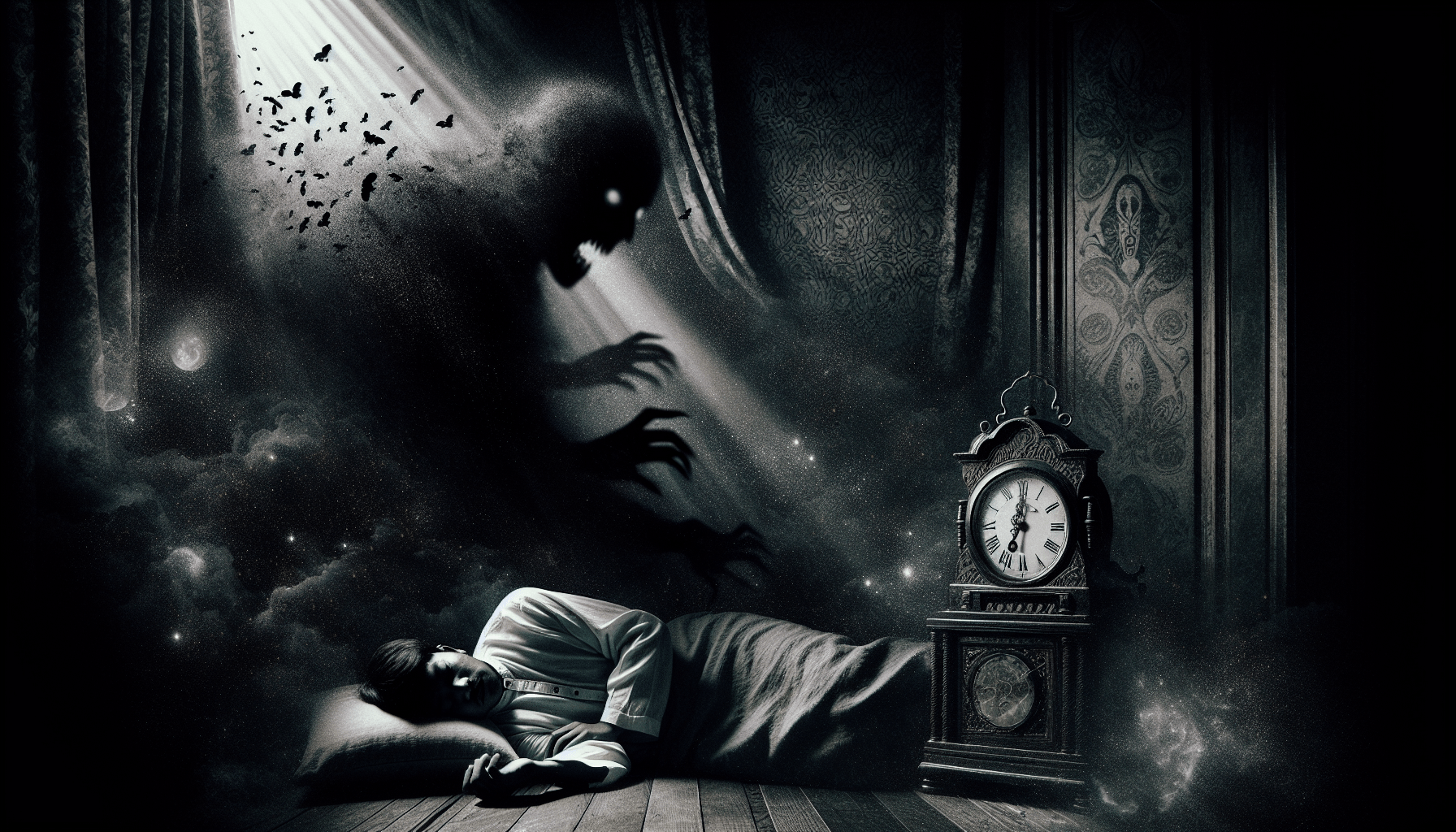
In the realm of sleep, lies a haunting phenomenon known as sleep paralysis. Imagine finding yourself in a state of complete immobility, unable to move your body or even utter a single word, whilst being encompassed by an overwhelming feeling of terror. This is the reality experienced by those who are held hostage by the malevolent forces of sleep paralysis. Unseen entities emerge from the shadows, taking the form of grotesque figures, suffocating their victims with fear. This article will delve into the horrors of sleep paralysis, exploring the psychological and physiological aspects that contribute to this surreal and terrifying ordeal.

Understanding Sleep Paralysis
Sleep paralysis is a fascinating phenomenon that has perplexed humans throughout history. Defined as the temporary inability to move or speak while falling asleep or upon waking, it often comes with vivid hallucinations and intense fear. This article delves into the various aspects of sleep paralysis, including its definition, common symptoms, frequency and duration, as well as its connection to different sleep stages.
Defining Sleep Paralysis
Sleep paralysis can be best described as a state where you find yourself awake but unable to move or speak. This immobilization can last from a few seconds to several minutes, and it commonly occurs during the transitional period between wakefulness and sleep. What sets sleep paralysis apart from other conditions is the presence of hallucinations, which can range from mild visual distortions to terrifying, otherworldly figures.
Common Symptoms
When experiencing sleep paralysis, there are several symptoms that commonly manifest. These include the inability to move or speak, a sense of pressure on the chest, a feeling of being watched or pursued, and a profound sense of fear or terror. These symptoms may vary in intensity and frequency from person to person, but they often contribute to the distressing nature of this sleep disorder.
Frequency and Duration
Sleep paralysis episodes can occur sporadically or persistently, and their frequency and duration can vary greatly. Some individuals may experience sleep paralysis only once or twice in their lifetime, while others may suffer from frequent episodes that disrupt their sleep and daily life. The duration of sleep paralysis episodes typically ranges from a few seconds to a few minutes, but the perceived time can feel much longer due to the accompanying fear and hallucinations.
Sleep Stages and Paralysis
To understand the occurrence of sleep paralysis, it is crucial to have a basic understanding of the sleep cycle and its stages. Sleep is divided into several stages, including rapid eye movement (REM) sleep and non-rapid eye movement (NREM) sleep. During REM sleep, which is the stage associated with vivid dreaming, the brain becomes highly active, while the body enters a state of muscle atonia or paralysis. This paralysis serves as a protective measure to prevent movement and injury during dreams. However, in individuals with sleep paralysis, this muscle atonia may persist even as they regain consciousness, leading to the immobilizing and frightening episodes commonly associated with the condition.
The Science Behind Sleep Paralysis
Sleep paralysis is a multifaceted phenomenon that involves intricate interactions within the brain. Several key factors contribute to the occurrence of sleep paralysis, including brain activity during sleep, the role of neurotransmitters, and the occurrence of hypnagogic and hypnopompic hallucinations.
Brain Activity during Sleep
The brain undergoes various changes as it transitions through different sleep stages. During REM sleep, the brain becomes highly active, resembling wakefulness in many aspects. This heightened brain activity is believed to be responsible for the vivid dreams experienced during this stage. However, the precise mechanisms underlying the occurrence of sleep paralysis within this context remain a topic of ongoing scientific inquiry.
REM Sleep and Muscle Atonia
Muscle atonia, or paralysis, is a protective mechanism that occurs during REM sleep. This paralysis prevents individuals from physically acting out their dreams and potentially causing harm to themselves or others. In sleep paralysis, this muscle atonia persists beyond the usual REM sleep period, leading to the incapacitating and distressing experiences associated with the condition.
Hypnagogic and Hypnopompic Hallucinations
One of the defining characteristics of sleep paralysis is the presence of hallucinations, which can occur during the transition into sleep (hypnagogic) or upon awakening (hypnopompic). Hypnagogic hallucinations often involve strange visual images, while hypnopompic hallucinations can manifest as vivid and terrifying experiences, such as the feeling of an intruder in the room or the presence of shadowy figures. These hallucinations are believed to be a result of the brain’s mixed state of wakefulness and REM sleep, leading to the blending of dream-like imagery with the perception of the real world.
Role of Neurotransmitters
The intricate balance of neurotransmitters in the brain also plays a role in sleep paralysis. GABA (gamma-aminobutyric acid), a neurotransmitter involved in inhibitory processes, is thought to contribute to the muscle atonia experienced during REM sleep. Imbalances in other neurotransmitters, such as serotonin and dopamine, have also been proposed as potential contributors to the occurrence of sleep paralysis. Further research is needed to fully elucidate the role of neurotransmitters in this intriguing phenomenon.
Exploring the Horrors of Sleep Paralysis
Sleep paralysis is often associated with intense fear and unsettling hallucinations. Understanding the specific experiences and sensations that individuals may encounter during sleep paralysis sheds light on the distressing nature of this condition.
Feeling Trapped and Powerless
One of the most distressing aspects of sleep paralysis is the sensation of being trapped within your own body. Unable to move or speak, the feeling of powerlessness can be overwhelming, leading to a sense of entrapment and vulnerability. This perceived loss of control can contribute to the fear and anxiety that accompany sleep paralysis episodes.
Suffocating Sensations
Individuals experiencing sleep paralysis may also report a sensation of pressure or constriction on their chest, as if an invisible force is suffocating them. This sensation can be both physically uncomfortable and psychologically distressing, intensifying the already terrifying nature of the episode.
Intruder Hallucinations
One of the most common hallucinations during sleep paralysis is the perception of an intruder in the room. This intruder may take on various forms, such as a shadowy figure, an imposing presence, or even a demonic entity. The vividness of these hallucinations, coupled with the inability to move or speak, can evoke immense fear and a sense of imminent danger.
Shadow Figures and Demonic Creatures
Shadow figures are among the most frequently reported hallucinations during sleep paralysis episodes. These shadowy, humanoid figures typically evoke a deep sense of dread and malevolence. They may hover over the bed, approach the individual, or simply observe from a distance, intensifying the already terrifying experience of sleep paralysis.
Persistent Fear and Anxiety
The psychological impact of sleep paralysis cannot be underestimated. Individuals who experience sleep paralysis episodes often develop a persistent fear of falling asleep, fearing the dreadful hallucinations and immobility that may await them. This fear and anxiety can have a profound impact on their overall well-being and quality of life.
Cultural Interpretations of Sleep Paralysis
Throughout history, sleep paralysis has been interpreted through various cultural lenses, giving rise to folklore, legends, and supernatural explanations. Exploring these cultural interpretations offers insight into the diverse ways in which societies have tried to understand and cope with this perplexing phenomenon.
Historical Folklore and Legends
Sleep paralysis has featured in folklore around the world, with different cultures providing their unique explanations and interpretations. For example, in Japanese folklore, sleep paralysis is associated with “kanashibari,” believed to be caused by malevolent spirits or demons restraining the individual. Similarly, in Nigerian culture, the Yoruba people attribute sleep paralysis to the nocturnal visits of malevolent spirits known as “the pressing one.”
Supernatural Entities
Supernatural beings have long been associated with sleep paralysis experiences. In many cultures, the presence of witches, demons, or other malevolent entities is believed to be responsible for the immobilizing and terrifying episodes of sleep paralysis. These supernatural explanations often seek to address the unexplainable and provide a framework for understanding the phenomena.
Nightmares and Demonic Encounters
Sleep paralysis is often accompanied by terrifying nightmares and visions of demonic encounters. These vivid and distressing experiences can blur the line between wakefulness and dreaming, leaving individuals questioning the reality of their encounters. Such hallucinations and nightmares have often been attributed to malevolent forces or spiritual entities in various cultural beliefs.
Medically Explained Sleep Paralysis
While cultural interpretations provide intriguing insights into the phenomenon of sleep paralysis, it is essential to explore the medical and scientific explanations for the condition. Understanding the relationship between sleep disorders, sleep deprivation, mental health conditions, and sleep paralysis sheds light on the underlying factors contributing to its occurrence.
Sleep Disorders and Paralysis
Sleep paralysis often coexists with other sleep disorders, such as narcolepsy or sleep apnea. Individuals diagnosed with these conditions are more prone to experiencing sleep paralysis due to the disruptions in sleep architecture and abnormalities in REM sleep. Sleep disorders can exacerbate sleep paralysis episodes, making it crucial to address and manage these underlying conditions for effective treatment.
Sleep Deprivation
Sleep deprivation can significantly impact the occurrence of sleep paralysis. When the body and mind are deprived of adequate rest, the sleep cycle can become disrupted, leading to an increased likelihood of sleep paralysis episodes. Establishing healthy sleep hygiene practices and prioritizing sufficient sleep can help mitigate the frequency and intensity of sleep paralysis experiences.
Narcolepsy and Sleep Paralysis
Sleep paralysis is a prevalent symptom of narcolepsy, a neurological disorder characterized by excessive daytime sleepiness and a disruption in the sleep-wake cycle. Narcolepsy often involves abnormalities in REM sleep, leading to frequent transitions between wakefulness and REM sleep, creating ripe conditions for sleep paralysis to occur.
Associated Mental Health Conditions
There is a notable overlap between sleep paralysis and mental health conditions such as anxiety and depression. Individuals with these conditions are more likely to experience sleep paralysis, which can further exacerbate underlying psychological distress. Addressing and managing these mental health conditions can contribute to the overall improvement in sleep quality and the reduction of sleep paralysis symptoms.
Seeking Help: Diagnosis and Treatment
If you are regularly experiencing sleep paralysis and the accompanying distress, seeking professional help is essential. Consulting a healthcare professional who specializes in sleep disorders can provide valuable insights and guidance for diagnosis and treatment.
Consulting a Healthcare Professional
When experiencing sleep paralysis, it is crucial to consult a healthcare professional who specializes in sleep medicine. They possess the expertise necessary to conduct a thorough evaluation of your sleep patterns, assess any underlying sleep disorders, and develop an appropriate treatment plan tailored to your specific needs.
Diagnostic Criteria and Sleep Studies
Diagnosing sleep paralysis often involves a comprehensive evaluation of your medical history, sleep patterns, and reported symptoms. A healthcare professional may also recommend undergoing a sleep study, such as a polysomnography, to assess your sleep architecture, brain activity, and muscle movements during sleep. These diagnostic tools contribute to a better understanding of the underlying causes of sleep paralysis.
Treating Underlying Sleep Disorders
In cases where sleep paralysis is linked to an underlying sleep disorder, treating the underlying condition is essential to reducing the frequency and intensity of sleep paralysis episodes. For example, if you are diagnosed with narcolepsy, medications and behavioral interventions specific to managing narcolepsy can be employed to regulate the sleep-wake cycle and minimize the occurrence of sleep paralysis.
Medications and Therapies
In some instances, medications and therapies may be recommended to manage the symptoms of sleep paralysis. Medications such as selective serotonin reuptake inhibitors (SSRIs) or antidepressants may be prescribed to alleviate associated anxiety and depression. Additionally, cognitive-behavioral therapy (CBT) can provide effective coping strategies and tools to mitigate the distressing effects of sleep paralysis.
Coping Strategies and Prevention
While treatment options are available, incorporating coping strategies and adopting preventive measures in your daily life can significantly contribute to managing sleep paralysis and reducing its impact on your overall well-being.
Maintaining a Regular Sleep Schedule
Establishing a regular sleep schedule is crucial for maintaining healthy sleep patterns and reducing the occurrence of sleep paralysis. Aim to maintain a consistent bedtime and wake-up time, even on weekends, to regulate your body’s internal clock and promote a more stable sleep-wake cycle.
Relaxation Techniques
Engaging in relaxation techniques before bedtime can help reduce anxiety and promote a calm state of mind conducive to sleep. Practices such as deep breathing exercises, progressive muscle relaxation, or meditation can be beneficial in alleviating stress and promoting a sense of relaxation.
Creating a Comfortable Sleep Environment
Your sleep environment plays a crucial role in promoting restful sleep. Create a comfortable and conducive sleep environment by ensuring your bedroom is free from excessive noise, maintaining a cool and dark room temperature, and investing in a comfortable mattress and pillows that support your body.
Stress Reduction and Sleep Hygiene
Managing stress levels and practicing good sleep hygiene can greatly impact the occurrence and intensity of sleep paralysis. Engage in stress-reducing activities such as exercise, engaging hobbies, or journaling before bedtime. Additionally, practicing good sleep hygiene, such as avoiding stimulants close to bedtime and minimizing screen time, can promote the quality of your sleep and reduce the likelihood of experiencing sleep paralysis.
Personal Experiences and Coping Stories
Many individuals who have experienced sleep paralysis have found solace and support in sharing their personal experiences and coping strategies. Connecting with others who have undergone similar experiences can provide a sense of validation and relief.
Overcoming Fear and Anxiety
Individuals who have successfully overcome their fear and anxiety surrounding sleep paralysis have often reported the importance of education and self-reflection. Learning more about the condition, its causes, and common experiences can help demystify sleep paralysis and reduce the associated distress. Engaging in self-reflection, such as journaling or seeking therapy, can also contribute to a deeper understanding of personal triggers and coping mechanisms.
Sharing Support Groups and Communities
Online support groups and communities dedicated to sleep paralysis can serve as invaluable resources for individuals seeking understanding and support. Connecting with others who share similar struggles can alleviate feelings of isolation and provide opportunities for sharing coping strategies and personal stories. These communities create a safe space to discuss the psychological and emotional impacts of sleep paralysis while fostering a sense of belonging.
Empowering Self-Care Practices
Self-care practices play a vital role in managing sleep paralysis and its associated distress. Engaging in activities that promote self-care, such as managing stress, prioritizing mental well-being, and engaging in relaxation techniques, can help build resilience and empower individuals in their journey toward overcoming the challenges posed by sleep paralysis.
Alternative Explanations and Perspectives
While scientific and medical explanations form the foundation of our understanding of sleep paralysis, alternative explanations and perspectives offer additional insights into this complex phenomenon.
Paranormal and Supernatural Beliefs
Many paranormal and supernatural beliefs attribute sleep paralysis experiences to external spiritual or supernatural entities. Belief systems such as astral projection, demonic possession, or encounters with otherworldly beings are prevalent in various societies. These perspectives place sleep paralysis within the broader context of the spiritual realm, offering alternative explanations for its occurrence.
Spiritual and Metaphysical Interpretations
Some individuals interpret sleep paralysis experiences through a spiritual or metaphysical lens. They view these episodes as signs of spiritual growth, awakening, or even opportunities for exploring altered states of consciousness. These interpretations emphasize the potential for personal transformation and mystical experiences within the realm of sleep paralysis.
Lucid Dreaming and Conscious Sleep Experiences
Lucid dreaming, the ability to be aware and conscious within a dream, is interrelated with sleep paralysis. Some individuals who practice lucid dreaming techniques report frequent sleep paralysis episodes as they strive to maintain consciousness during the dream state. The overlap between lucid dreaming and sleep paralysis opens up possibilities for exploring the boundaries between waking reality, dreams, and altered states of consciousness.
Conclusion: Shedding Light on Sleep Paralysis
Sleep paralysis, a perplexing phenomenon that has plagued individuals for centuries, encompasses a complex interplay of brain activity, sleep stages, and cultural interpretations. By understanding the underlying science, seeking appropriate medical help, and adopting coping strategies, individuals can navigate the challenges posed by sleep paralysis and improve their overall well-being. Promoting awareness, empathy, and further research is essential in debunking misconceptions, breaking the stigma surrounding sleep paralysis, and offering support for those who experience this enigmatic disorder.