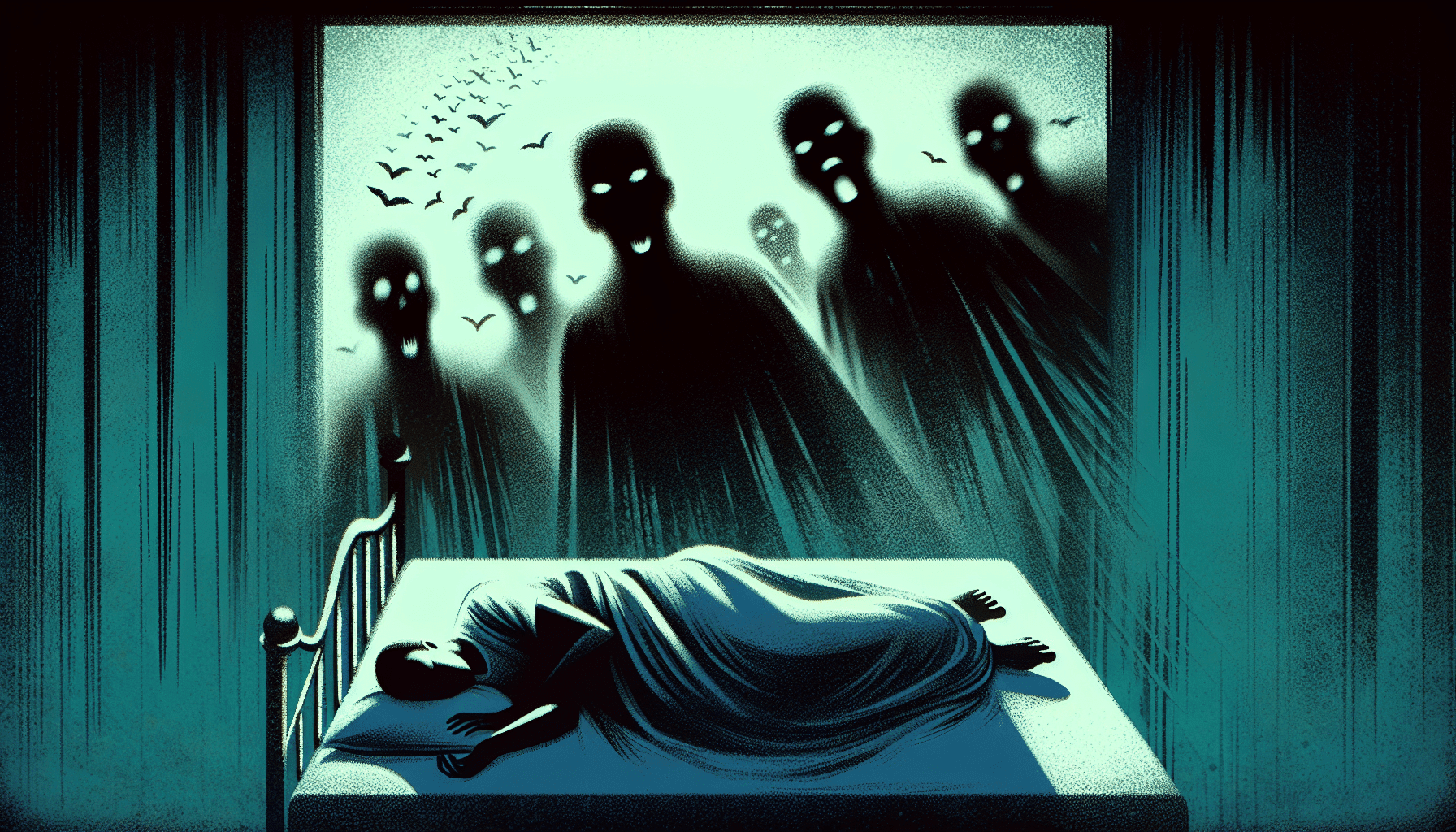
What is Sleep Paralysis?
Sleep paralysis is a phenomenon where you are temporarily unable to move or speak when falling asleep or waking up. It typically lasts a few seconds to a few minutes, during which time you may feel frightened or anxious. It is a common experience and is not harmful.
Explaining the sensation to others
When you experience sleep paralysis, it can be difficult to describe the sensation to others who have never experienced it. It may feel like you are awake but unable to move, almost as if you are trapped in your own body. People may feel as though there is a presence in the room, adding to the fear and anxiety they experience during an episode.
Causes of Sleep Paralysis
Sleep paralysis occurs when the normal boundaries between wakefulness and sleep are blurred. It is often associated with other sleep disorders, such as narcolepsy, or with a lack of sleep. Stress, anxiety, and irregular sleep patterns can also contribute to episodes of sleep paralysis.
Connection to Sleep Disorders
If you have a sleep disorder such as narcolepsy, you may be more prone to experiencing sleep paralysis. In narcolepsy, the boundary between wakefulness and sleep is more easily crossed, leading to episodes of paralysis while falling asleep or waking up.
Impact of Stress and Anxiety
Stress and anxiety can trigger episodes of sleep paralysis. When your mind is preoccupied with worry or fear, your body may be more likely to experience disruptions in the natural sleep cycle, leading to paralysis.

Symptoms of Sleep Paralysis
During an episode of sleep paralysis, you may experience a range of symptoms that can be distressing. These can include:
- Inability to move or speak
- Feeling of pressure on the chest
- Hallucinations
- Fear or panic
Describing the Symptoms
When explaining sleep paralysis to others, it is important to describe the symptoms in a way that conveys the intensity of the experience. Talk about how it feels to be unable to move or speak, and how frightening it can be to have hallucinations or a feeling of pressure on the chest.

Treatment and Coping Strategies
While there is no specific treatment for sleep paralysis, there are several strategies that can help reduce the frequency and severity of episodes. These include:
- Improving sleep hygiene
- Managing stress and anxiety
- Seeking treatment for underlying sleep disorders
Lifestyle Changes
Making changes to your lifestyle, such as establishing a regular sleep schedule and avoiding caffeine and alcohol before bedtime, can help reduce the likelihood of experiencing sleep paralysis. Creating a relaxing bedtime routine can also promote better sleep quality.
Stress Management Techniques
Learning how to manage stress and anxiety through techniques such as mindfulness, meditation, and deep breathing exercises can help reduce the incidence of sleep paralysis. Finding healthy outlets for stress, such as exercise or hobbies, can also contribute to better sleep.
Seeking Professional Help
If you are experiencing frequent or distressing episodes of sleep paralysis, it may be helpful to seek guidance from a healthcare professional. A sleep specialist can help determine if there are underlying sleep disorders contributing to your symptoms and recommend appropriate treatment options.
Explaining Sleep Paralysis to Others
When discussing sleep paralysis with friends, family, or coworkers, it is important to convey the experience in a way that is understandable and relatable. Use simple language and avoid jargon that may confuse or intimidate your audience. Be open to questions and provide reassurance that sleep paralysis is a common phenomenon that is not harmful.
Starting the Conversation
If you are unsure how to broach the topic of sleep paralysis with someone, consider starting the conversation by sharing your own experiences. By opening up about your struggles with sleep paralysis, you may encourage others to share their own experiences or ask questions.
Addressing Misconceptions
Many people have misconceptions about sleep paralysis, such as believing that it is a supernatural phenomenon or a sign of a mental illness. Take the time to correct these misunderstandings and educate others about the scientific basis for sleep paralysis.
Offering Support
If someone you know is experiencing sleep paralysis, offer your support and understanding. Listen to their concerns and provide reassurance that they are not alone in their experiences. Encourage them to seek help from a healthcare professional if needed.

Conclusion
Explaining sleep paralysis to others can be challenging, but with the right approach, you can help others understand and empathize with your experiences. By sharing your knowledge and insights, you can raise awareness about this common phenomenon and create a supportive community for those who are affected by sleep paralysis. Remember that you are not alone in your struggles, and there are resources available to help you cope with and manage episodes of sleep paralysis.