How Does Sleep Paralysis Affect Different Age Groups?
How does sleep paralysis affect different age groups?
Understanding Sleep Paralysis
Sleep paralysis is a phenomenon that occurs when a person is unable to move or speak for a few seconds to several minutes when falling asleep or waking up. It can be a frightening experience as individuals may feel like they are trapped in their bodies. Sleep paralysis is relatively common and can happen to anyone at any age.
What Causes Sleep Paralysis?
Sleep paralysis occurs when the body is not able to smoothly transition between the stages of sleep. During the rapid eye movement (REM) stage of sleep, the body’s muscles are typically paralyzed to prevent individuals from acting out their dreams. However, in the case of sleep paralysis, this paralysis persists even as the individual becomes partially conscious.
Sleep Paralysis in Children
Children can also experience sleep paralysis, although it is less common in younger age groups. Sleep paralysis in children is usually linked to other underlying sleep disorders or conditions. It can be a disturbing experience for children, especially if they do not understand what is happening to them.
Signs of Sleep Paralysis in Children
- Waking up unable to move or speak
- Feeling a sense of pressure on the chest
- Seeing or hearing things that are not there
Sleep paralysis in children can lead to fear and anxiety about going to sleep, affecting their overall sleep quality and well-being.
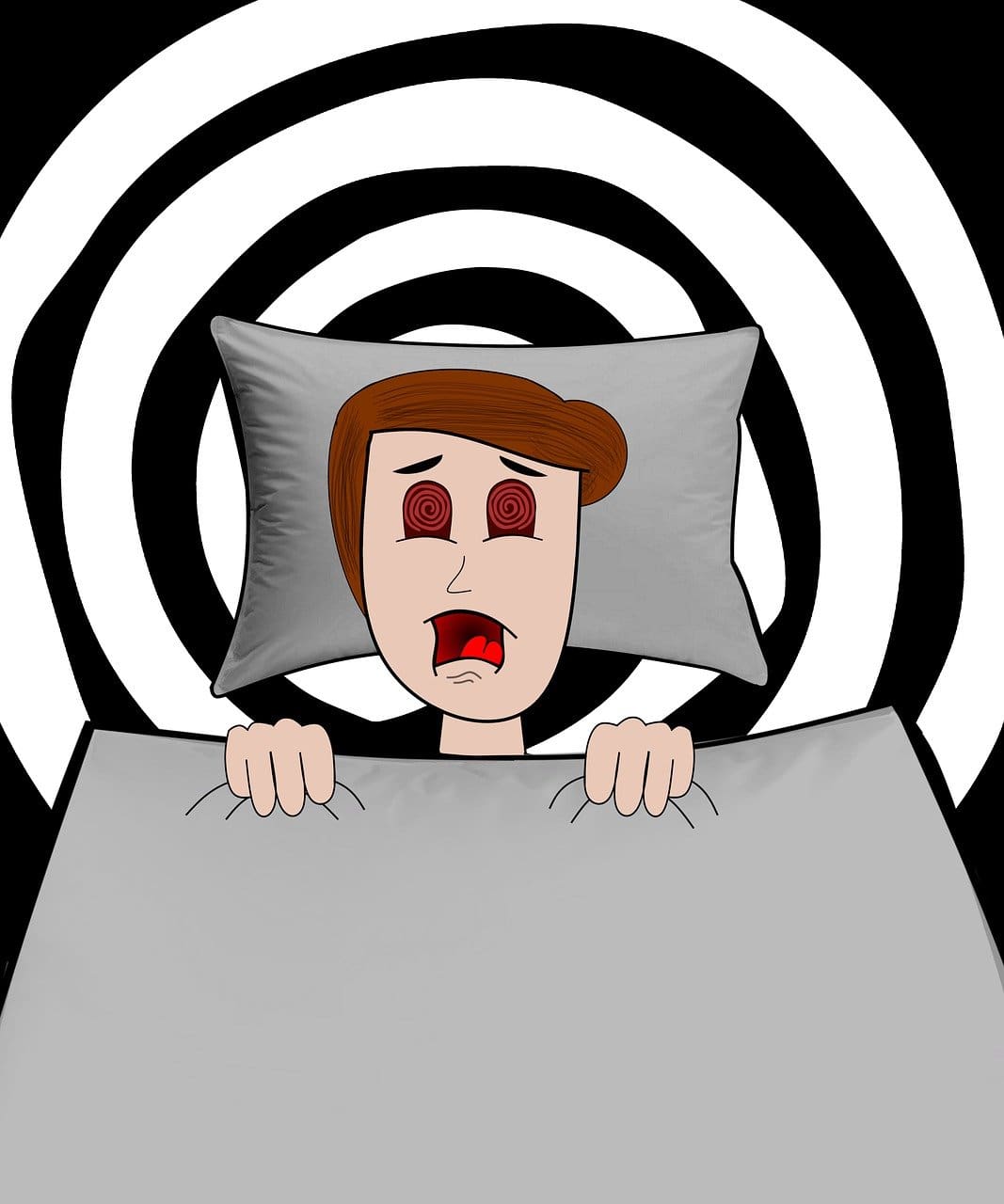
Sleep Paralysis in Adolescents
Adolescents are more likely to experience sleep paralysis compared to younger children. This can be attributed to the hormonal changes and increased stress levels that teenagers often face. Sleep paralysis in adolescents can exacerbate feelings of anxiety and contribute to disturbances in their sleep patterns.
Coping with Sleep Paralysis in Adolescents
- Encouraging healthy sleep habits, such as maintaining a consistent sleep schedule
- Addressing any underlying stress or anxiety through therapy or relaxation techniques
- Educating adolescents about sleep paralysis to alleviate any fear or confusion associated with the experience
Support from parents and caregivers is crucial in helping adolescents cope with sleep paralysis and ensuring they get the rest they need for their overall health and well-being.
Sleep Paralysis in Adults
Adults are the most common age group to experience sleep paralysis. It is estimated that up to 40% of adults will experience sleep paralysis at least once in their lifetime. The frequency of sleep paralysis episodes may vary among individuals, with some experiencing it more frequently than others.
Impact of Sleep Paralysis on Adults
- Disrupted sleep patterns leading to daytime fatigue
- Increased stress and anxiety related to sleep
- Potential impact on mental health, such as depression and mood disorders
Addressing any underlying sleep disorders or conditions, as well as managing stress effectively, can help minimize the impact of sleep paralysis on adults.
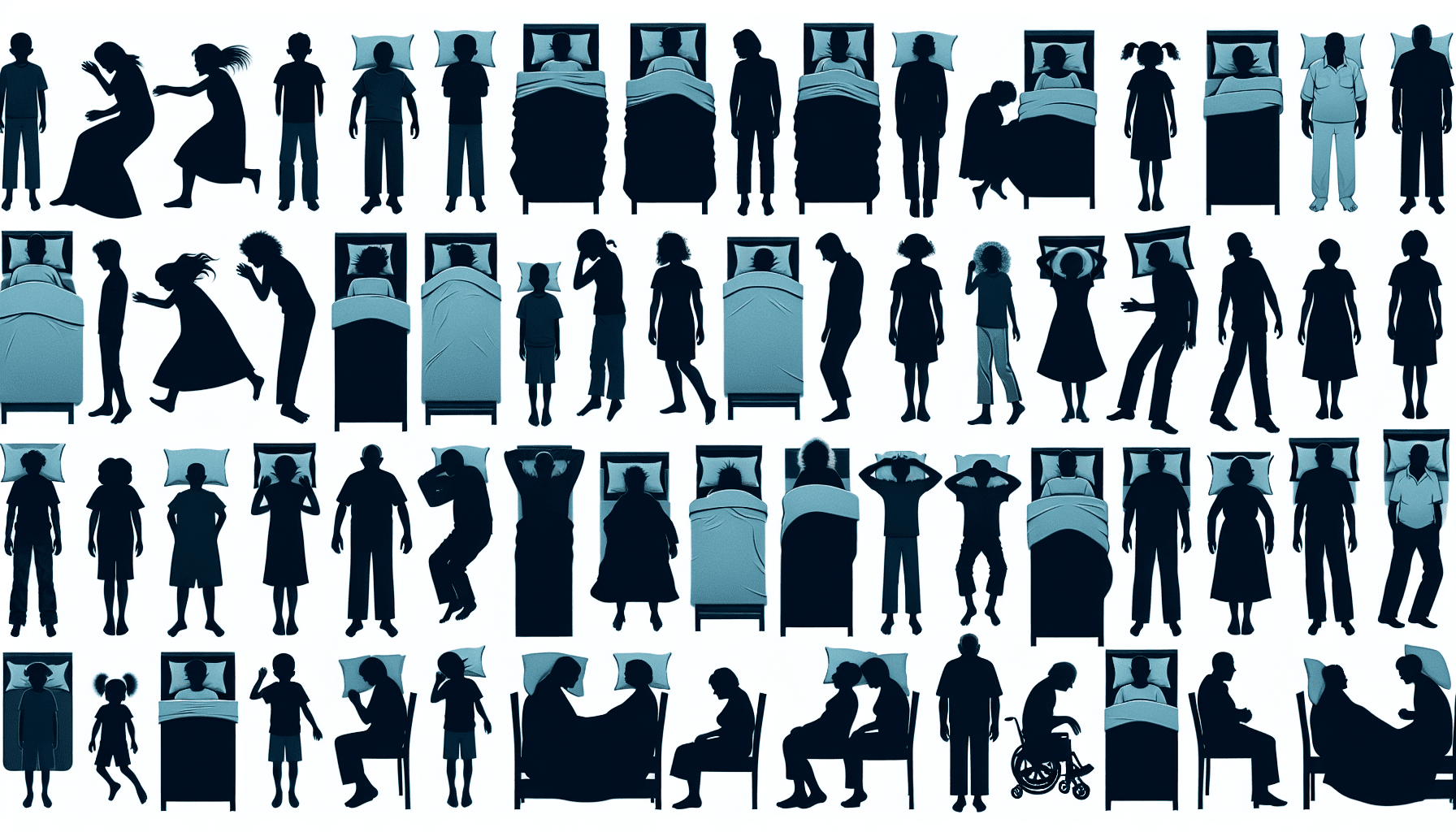
Sleep Paralysis in Older Adults
Older adults may also experience sleep paralysis, although it is less common compared to younger age groups. Sleep paralysis in older adults can be linked to age-related factors, such as changes in sleep architecture and overall health conditions.
Management of Sleep Paralysis in Older Adults
- Consulting a healthcare provider to rule out any underlying medical conditions
- Making adjustments to the sleep environment to promote better sleep quality
- Engaging in relaxation techniques or mindfulness practices to reduce stress and anxiety
It is essential for older adults experiencing sleep paralysis to seek medical advice to ensure there are no underlying health concerns contributing to their symptoms.
Coping Strategies for Sleep Paralysis
Regardless of age, experiencing sleep paralysis can be a frightening and unsettling experience. However, there are coping strategies that individuals can use to manage and reduce the occurrence of sleep paralysis episodes.
Coping Strategies
- Improving sleep hygiene by establishing a bedtime routine and creating a comfortable sleep environment
- Practicing relaxation techniques, such as deep breathing or meditation, to reduce stress and anxiety
- Seeking support from a healthcare provider or sleep specialist if sleep paralysis is impacting daily life
By implementing these coping strategies, individuals can better manage sleep paralysis and improve their overall sleep quality and well-being.
In conclusion, sleep paralysis can affect individuals of all age groups, from children to older adults. Understanding the factors that contribute to sleep paralysis in different age groups and implementing appropriate coping strategies can help individuals navigate this phenomenon and improve their overall sleep health. If you or someone you know is experiencing frequent episodes of sleep paralysis, it is essential to consult a healthcare provider for further evaluation and support. Remember, you are not alone in experiencing sleep paralysis, and there are resources available to help you manage this challenging sleep disorder.