
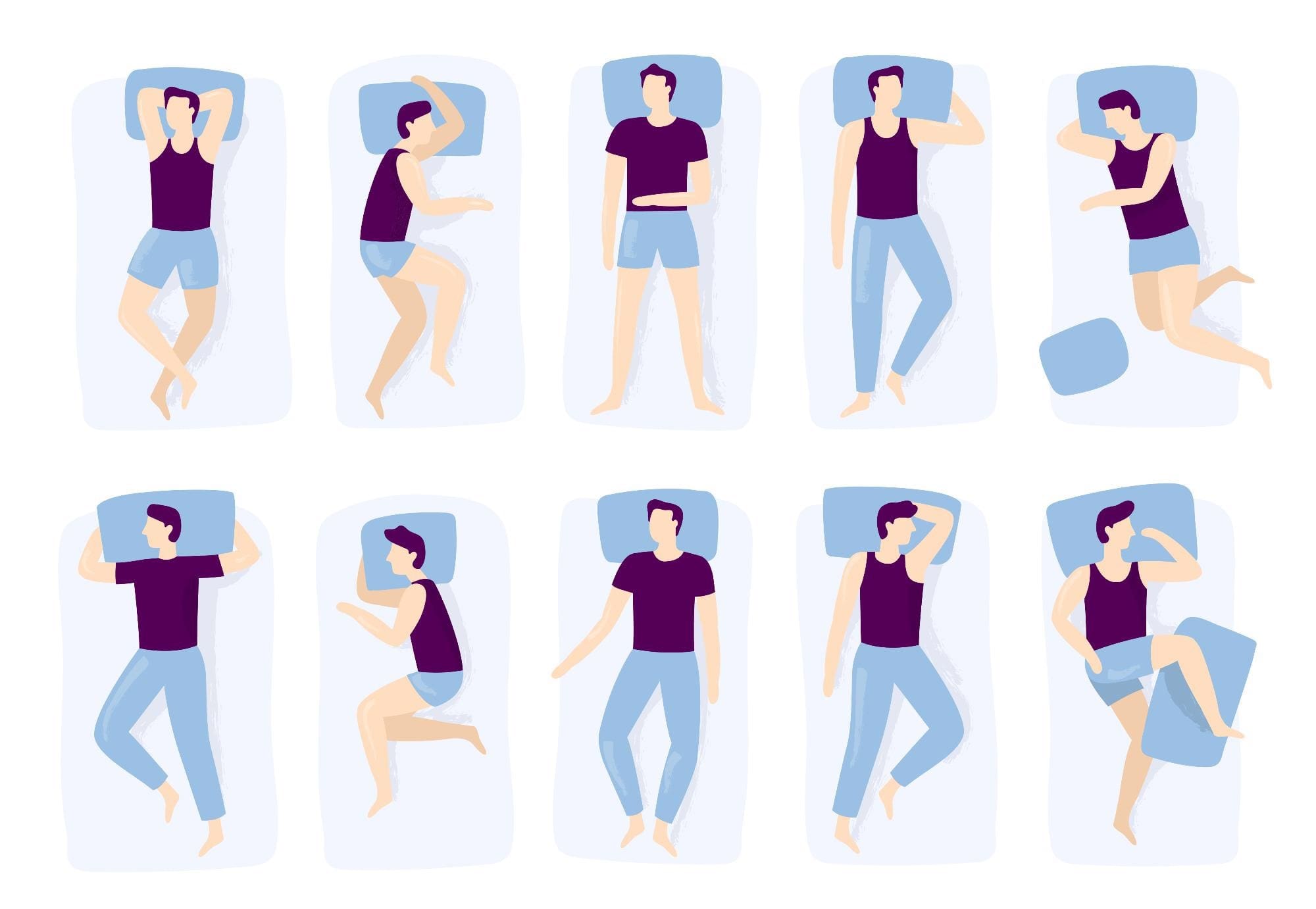
Have you ever woken up in the middle of the night, unable to move a muscle, paralyzed by an unseen force? If so, you might have experienced sleep paralysis. In this intriguing article, we delve into the fascinating world of sleep paralysis and explore the potential impact of sleep position on this peculiar phenomenon. Join us as we uncover the connection between the way you sleep and the occurrence of sleep paralysis, shedding light on this mysterious and unsettling experience.

Understanding Sleep Paralysis
Sleep paralysis is a phenomenon that occurs during the transition between sleep and wakefulness. It is a state in which the body is temporarily unable to move or speak, despite being fully conscious. This can be a frightening experience, as individuals may feel paralyzed and even hallucinate. Sleep paralysis typically lasts for a few seconds to a couple of minutes, but it can feel much longer.
Causes of Sleep Paralysis
The exact cause of sleep paralysis is still not fully understood. However, researchers believe that it might be linked to disrupted sleep patterns and the body’s inability to transition smoothly between sleep stages. It often occurs during one of two sleep stages: rapid eye movement (REM) sleep or hypnagogic/hypnopompic sleep.
Symptoms of Sleep Paralysis
The most obvious symptom of sleep paralysis is the inability to move or speak, accompanied by a sense of being awake and aware of one’s surroundings. Other common symptoms include a feeling of pressure on the chest, difficulty breathing, and a sense of impending doom or presence of a malevolent force in the room. Some individuals also report visual and auditory hallucinations during sleep paralysis episodes.
Sleep Positions and Sleep Paralysis
Sleep positions can play a significant role in the occurrence of sleep paralysis. Different sleep positions can affect the body’s physiology and increase the likelihood of experiencing sleep paralysis episodes. Understanding the impact of sleep positions on sleep paralysis can help individuals in managing this condition and improving their sleep quality.
Effect of Sleep Positions on Sleep Paralysis
The relationship between sleep positions and sleep paralysis lies in the fact that certain positions can create physical and physiological conditions that make sleep paralysis more likely to occur. Different sleep positions can affect the airway and breathing patterns, muscle tone, and even the alignment of the spine, all of which can influence the occurrence of sleep paralysis episodes.
Common Sleep Positions and their Association with Sleep Paralysis
Three common sleep positions – supine (on the back), prone (on the stomach), and side (on the side) – have been found to have varying associations with sleep paralysis.

Supine Sleep Position
The supine sleep position refers to sleeping on your back with your face and torso facing upward. It is one of the most common sleep positions. Studies have shown that supine sleep position is associated with an increased likelihood of experiencing sleep paralysis episodes. This is thought to be due to the relaxed state of the muscles and the potential for airway obstruction in this position.
Prone Sleep Position
The prone sleep position involves sleeping on your stomach. While it is less common than the supine position, some individuals find it more comfortable. Interestingly, sleeping in the prone position has been found to be associated with a lower likelihood of experiencing sleep paralysis. This might be because this position reduces airway obstruction and promotes easier breathing during sleep.
Side Sleep Positions
Side sleep positions involve sleeping on either the left or the right side of the body. This position is considered to be the healthiest and most natural for the body, as it allows for optimal alignment of the spine and unrestricted airflow. Side sleep positions have been found to be generally less associated with sleep paralysis compared to the supine position.

Impact of Sleep Position on Sleep Quality
Sleep position can also impact the overall quality of sleep, regardless of sleep paralysis. Different positions can affect sleep disturbances and subsequent sleep quality.
Sleep Position and Sleep Disruptions
Certain sleep positions, especially those that can lead to airway obstruction or muscle tension, can contribute to sleep disruptions such as snoring, sleep apnea, and restless leg syndrome. These disruptions can fragment sleep and lead to poor sleep quality.
Quality of Sleep in Different Sleep Positions
Side sleep positions have been found to be the most favorable for quality sleep. The alignment of the spine and improved airflow in the side position promote better sleep quality and reduce the likelihood of sleep disruptions. On the other hand, the supine position has been associated with an increased occurrence of sleep disturbances and poorer sleep quality.

Optimal Sleep Position
Finding an optimal sleep position is crucial for both managing sleep paralysis and promoting overall sleep quality. Factors such as comfort, alignment of the spine, and ease of airflow should be taken into consideration when determining the optimal sleep position.
Importance of Finding an Optimal Sleep Position
An optimal sleep position can significantly improve the quality of sleep and reduce the likelihood of experiencing sleep disturbances, including sleep paralysis episodes. It can also enhance overall sleep health and contribute to better physical and mental well-being.
Factors to Consider for Finding an Optimal Sleep Position
When determining the optimal sleep position, several factors should be considered. These include personal comfort, any pre-existing sleep disorders, such as sleep apnea or acid reflux, and any potential impact on the alignment of the spine.

Tips for Maintaining an Optimal Sleep Position
Maintaining an optimal sleep position can be challenging, especially for individuals who tend to shift positions frequently during sleep. However, there are some tips and techniques that can help in maintaining the desired sleep position. These include using pillows for support, practicing sleep position training, and utilizing devices and tools designed to alter sleep position.
Sleep Position Modification Techniques
Various techniques can be employed to modify sleep position and promote better sleep quality. These techniques range from simple adjustments with pillows to more specialized sleep position training programs.
Pillows and Sleep Position
Pillows can be used strategically to support the body and encourage an optimal sleep position. For example, placing a pillow between the legs while sleeping on the side can provide better spinal alignment and reduce strain on the hips and lower back.
Sleep Position Training
Sleep position training involves consciously and consistently practicing a desired sleep position over time. This technique helps train the body to adopt and maintain the optimal sleep position, ultimately promoting better sleep quality.
Devices and Tools for Altering Sleep Position
There are several devices and tools available that can help alter sleep position and reduce the likelihood of sleep paralysis episodes. These may include specialized pillows, mattress toppers, or wearable devices that provide gentle cues or vibrations to encourage shifting to a preferred sleep position.
Other Factors Influencing Sleep Paralysis
While sleep position is an important factor in sleep paralysis, there are other factors that can contribute to the occurrence and frequency of sleep paralysis episodes.
Impact of Sleep Disorders on Sleep Paralysis
Sleep disorders such as narcolepsy, sleep apnea, and insomnia have been found to be associated with an increased likelihood of experiencing sleep paralysis. Addressing and managing these sleep disorders can help reduce the occurrence of sleep paralysis.
Influence of Body Movement during Sleep on Sleep Paralysis
Certain movements during sleep, such as hypnic jerks or sudden muscle contractions, have been connected to sleep paralysis. These movements can trigger the transition between sleep stages and increase the chances of experiencing sleep paralysis episodes.
Contribution of Sleep Environment to Sleep Paralysis
The sleep environment, including factors such as lighting, noise, and temperature, can influence sleep quality and the occurrence of sleep paralysis. Creating a sleep-friendly environment with minimal distractions and promoting relaxation can help reduce the likelihood of sleep paralysis.
Managing Sleep Paralysis
If you are experiencing frequent sleep paralysis episodes, it is essential to seek professional help for a proper diagnosis and guidance on managing the condition.
Seeking Professional Help
Consulting a healthcare professional, such as a sleep specialist or a psychologist, can provide valuable insights and guidance on managing sleep paralysis. They can help identify any underlying conditions or factors contributing to sleep paralysis and recommend appropriate treatment options.
Lifestyle Modifications for Reducing Sleep Paralysis
Making lifestyle modifications can also be beneficial in reducing the frequency and severity of sleep paralysis episodes. These may include establishing a regular sleep schedule, practicing relaxation techniques before bed, and avoiding caffeine and stimulating activities close to bedtime.
Alternative Therapies for Sleep Paralysis Management
In addition to seeking professional help and making lifestyle modifications, alternative therapies such as cognitive-behavioral therapy (CBT) and stress reduction techniques may be utilized to manage sleep paralysis. These therapies aim to address any underlying psychological factors contributing to sleep paralysis and promote better sleep hygiene.
In conclusion, understanding the role of sleep position in sleep paralysis can help individuals manage this condition and improve their overall sleep quality. While certain sleep positions, such as the supine position, can increase the likelihood of experiencing sleep paralysis, finding an optimal sleep position that promotes spinal alignment and unrestricted airflow can significantly reduce the occurrence of sleep disturbances. Moreover, addressing other factors such as sleep disorders and sleep environment can contribute to managing sleep paralysis effectively. By seeking professional help, making lifestyle modifications, and exploring alternative therapies, individuals can gain control over sleep paralysis and enjoy restful nights of sleep.