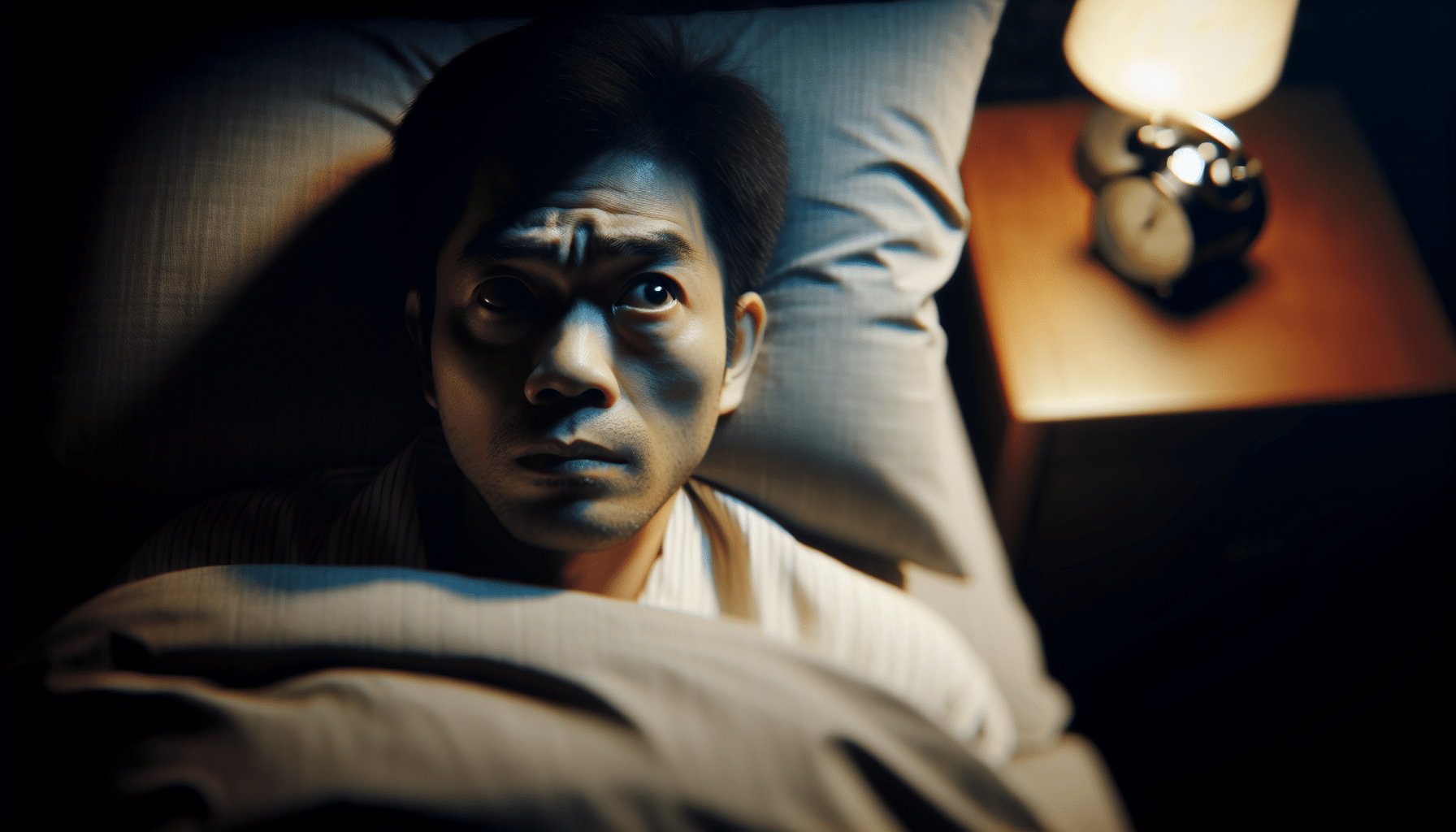
Have you been experiencing unsettling episodes of feeling paralyzed while falling asleep or waking up? If so, you may be dealing with a condition known as sleep paralysis. It can be a frightening experience, but understanding what causes it and how to seek professional help can provide relief and improve your quality of sleep.

What is Sleep Paralysis?
Sleep paralysis is a temporary inability to move or speak that occurs when you are falling asleep or waking up. During an episode of sleep paralysis, you may feel conscious and aware of your surroundings but unable to move your body. This can be accompanied by hallucinations or a sense of pressure on your chest. While episodes of sleep paralysis typically last a few seconds to a few minutes, they can feel much longer.
Your body’s natural response to sleep paralysis
Your body naturally goes into a state of paralysis during REM (rapid eye movement) sleep to prevent you from acting out your dreams and potentially harming yourself. Sleep paralysis occurs when this protective mechanism continues after waking up or begins before falling asleep.
Causes of Sleep Paralysis
Sleep paralysis can be caused by various factors, including:
Sleep deprivation
Lack of sufficient sleep can disrupt your sleep cycle, leading to an increased likelihood of sleep paralysis episodes. Establishing a regular sleep schedule and practicing good sleep hygiene can help reduce the occurrence of sleep paralysis.
Irregular sleep patterns
Shift work, jet lag, or irregular sleeping hours can disrupt your body’s natural sleep-wake cycle, making you more susceptible to sleep paralysis. Maintaining a consistent sleep routine can help regulate your sleep patterns and reduce the risk of experiencing sleep paralysis.
Stress and anxiety
High levels of stress or anxiety can trigger sleep paralysis episodes by disrupting your ability to relax and fall asleep. Engaging in stress-reducing activities such as meditation, exercise, or therapy can help alleviate anxiety and improve your sleep quality.
Narcolepsy
Narcolepsy is a neurological disorder characterized by excessive daytime sleepiness and sudden sleep attacks. Sleep paralysis is common among individuals with narcolepsy and often occurs in conjunction with other symptoms such as cataplexy (sudden loss of muscle tone).
Other sleep disorders
Underlying sleep disorders such as obstructive sleep apnea, insomnia, or narcolepsy can increase your risk of experiencing sleep paralysis. Treating these primary sleep disorders can help reduce the frequency of sleep paralysis episodes.
Seeking Professional Help for Sleep Paralysis
If you are experiencing frequent episodes of sleep paralysis that interfere with your sleep quality and daily life, it may be time to seek professional help. A healthcare provider, such as a primary care physician or sleep specialist, can help diagnose the underlying cause of your sleep paralysis and recommend appropriate treatment options.
Consultation with a healthcare provider
Schedule an appointment with a healthcare provider to discuss your symptoms and concerns related to sleep paralysis. Be prepared to provide detailed information about your sleep patterns, medical history, and any stressors that may be contributing to your sleep paralysis episodes.
Sleep study evaluation
Your healthcare provider may recommend a sleep study evaluation to monitor your sleep patterns and identify any underlying sleep disorders that could be causing sleep paralysis. During a sleep study, you will be monitored while sleeping to analyze your brain activity, breathing patterns, and movement during sleep.
Treatment options for sleep paralysis
Treatment for sleep paralysis depends on the underlying cause and may include:
- Improving sleep hygiene: Establishing a consistent sleep schedule, creating a comfortable sleep environment, and avoiding stimulants before bedtime can help improve your sleep quality and reduce the frequency of sleep paralysis episodes.
- Managing stress and anxiety: Engaging in relaxation techniques, mindfulness meditation, or therapy can help reduce stress and anxiety levels, improving your ability to relax and fall asleep.
- Medication: In some cases, healthcare providers may prescribe medication to help regulate your sleep cycle, alleviate anxiety, or treat underlying sleep disorders contributing to sleep paralysis.
- Continuous Positive Airway Pressure (CPAP) therapy: If you have obstructive sleep apnea, CPAP therapy can help improve your breathing during sleep, reducing the risk of sleep paralysis episodes.
Support and coping strategies
Dealing with sleep paralysis can be challenging and frightening, but there are strategies you can use to cope with episodes:
- Educate yourself: Learning more about sleep paralysis can help demystify the experience and reduce feelings of fear or helplessness during episodes.
- Establish a bedtime routine: Creating a relaxing bedtime routine can signal to your body that it’s time to wind down and prepare for sleep, reducing the likelihood of sleep paralysis.
- Seek emotional support: Talking to friends, family, or a therapist about your experiences with sleep paralysis can provide emotional support and help you manage the psychological impact of these episodes.
Conclusion
Sleep paralysis can be a distressing experience, but understanding its causes and seeking professional help can lead to effective management and improvement in your sleep quality. By consulting with a healthcare provider, undergoing a sleep study evaluation, and exploring treatment options, you can take proactive steps to address the underlying factors contributing to your sleep paralysis. Remember that you are not alone in dealing with sleep paralysis, and there are resources and support available to help you navigate this challenging sleep disorder.