

Have you ever experienced the terrifying sensation of being awake but unable to move, often accompanied by hallucinations and a feeling of pressure on your chest? If so, you may have experienced sleep paralysis. This phenomenon can have a significant psychological impact on those who experience it, causing fear, anxiety, and even post-traumatic stress disorder. In this article, we will explore the role of mindfulness in coping with the psychological effects of sleep paralysis.
What is Sleep Paralysis?
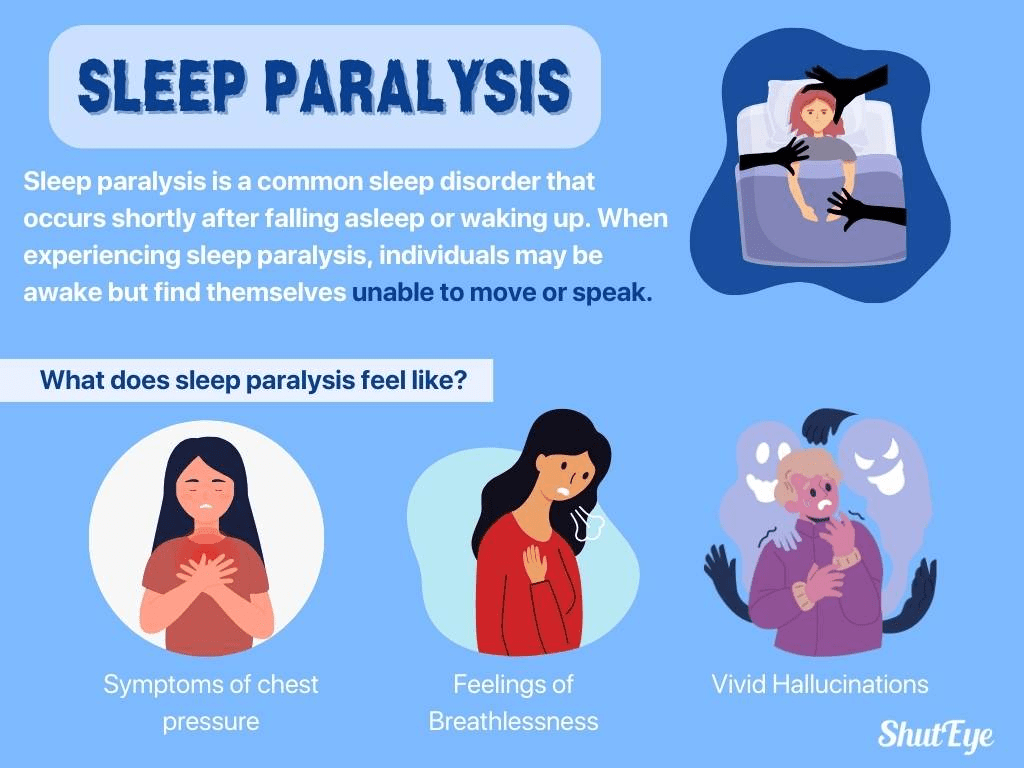
Sleep paralysis is a phenomenon in which a person experiences a temporary inability to move or speak while falling asleep or waking up. It often occurs during the transition between wakefulness and sleep, when the body is temporarily paralyzed to prevent acting out dreams. During episodes of sleep paralysis, individuals may experience hallucinations, feelings of pressure on the chest, and a sense of impending doom.
Have you ever had a experience of waking up but feeling like you’re still asleep? Share your experiences with sleep paralysis if you’ve ever had it.
Psychological Impact of Sleep Paralysis
Sleep paralysis can have a profound psychological impact on those who experience it. The feelings of helplessness, fear, and confusion that accompany sleep paralysis can be extremely distressing and can lead to long-term psychological consequences. Research has shown that individuals who experience frequent episodes of sleep paralysis are more likely to develop anxiety disorders, depression, and post-traumatic stress disorder.
Do you feel anxious or scared after experiencing sleep paralysis? It’s important to acknowledge these feelings and seek out coping mechanisms to help you deal with the psychological impact.
Coping Strategies for Sleep Paralysis
There are various coping strategies that individuals can use to manage the psychological impact of sleep paralysis. One such strategy is mindfulness, which involves paying attention to the present moment in a non-judgmental way. By cultivating mindfulness, individuals can learn to observe their thoughts and feelings without becoming overwhelmed by them, thereby reducing the negative psychological effects of sleep paralysis.
Have you ever tried mindfulness techniques to cope with the psychological impact of sleep paralysis? Share your experiences with using mindfulness as a coping strategy.
The Role of Mindfulness in Coping with Sleep Paralysis
Mindfulness can play a crucial role in helping individuals cope with the psychological impact of sleep paralysis. By practicing mindfulness techniques, individuals can learn to stay calm and focused during episodes of sleep paralysis, reducing their fear and anxiety. Mindfulness can also help individuals develop a greater sense of self-awareness and self-compassion, which can be particularly beneficial for those who experience frequent episodes of sleep paralysis.
How has mindfulness helped you cope with the psychological effects of sleep paralysis? Share your thoughts on the role of mindfulness in managing sleep paralysis.

Mindfulness Techniques for Coping with Sleep Paralysis
There are several mindfulness techniques that can be useful for coping with the psychological impact of sleep paralysis. One such technique is deep breathing, which involves taking slow, deep breaths to induce a state of relaxation and calm. By focusing on their breath, individuals can help calm their nervous system and reduce the intensity of their fear and anxiety during episodes of sleep paralysis.
Have you tried deep breathing as a mindfulness technique to cope with sleep paralysis? Share your experiences with using this technique and how it has helped you manage your symptoms.
| Mindfulness Technique | Description | Benefits |
|---|---|---|
| Deep Breathing | Involves taking slow, deep breaths to induce relaxation and calm | Reduces fear and anxiety, calms the nervous system |
| Body Scan | Involves systematically scanning the body for areas of tension or discomfort | Promotes relaxation and self-awareness, reduces physical symptoms of stress |
| Grounding Exercises | Involves focusing on the sensations of the present moment to stay grounded and present | Reduces feelings of disorientation and panic, calms the mind |
Combining Mindfulness with Cognitive Behavioral Therapy
In addition to mindfulness techniques, individuals coping with the psychological impact of sleep paralysis may benefit from cognitive behavioral therapy (CBT). CBT is a type of psychotherapy that focuses on changing negative thought patterns and behaviors to promote positive mental health. By combining mindfulness with CBT, individuals can learn to challenge and reframe their negative thoughts and fears related to sleep paralysis, helping them develop healthier coping mechanisms.
Have you ever considered combining mindfulness with cognitive behavioral therapy to manage the psychological effects of sleep paralysis? Share your thoughts on how these two approaches can work together to promote psychological well-being.

Seeking Professional Help
If you experience frequent episodes of sleep paralysis that significantly impact your psychological well-being, it is important to seek professional help. A mental health professional, such as a therapist or counselor, can provide you with the support and guidance you need to cope with the psychological effects of sleep paralysis. They can also help you develop personalized coping strategies based on your individual needs and experiences.
Have you ever reached out to a mental health professional for support with managing the psychological impact of sleep paralysis? Share your experiences with seeking professional help.
In conclusion, experiencing sleep paralysis can be a distressing and frightening experience, especially when it has a significant impact on your psychological well-being. By incorporating mindfulness techniques into your coping strategies, you can learn to stay calm and focused during episodes of sleep paralysis, reducing fear and anxiety. Remember that seeking support from a mental health professional is always an option if you find yourself struggling to cope with the psychological effects of sleep paralysis.