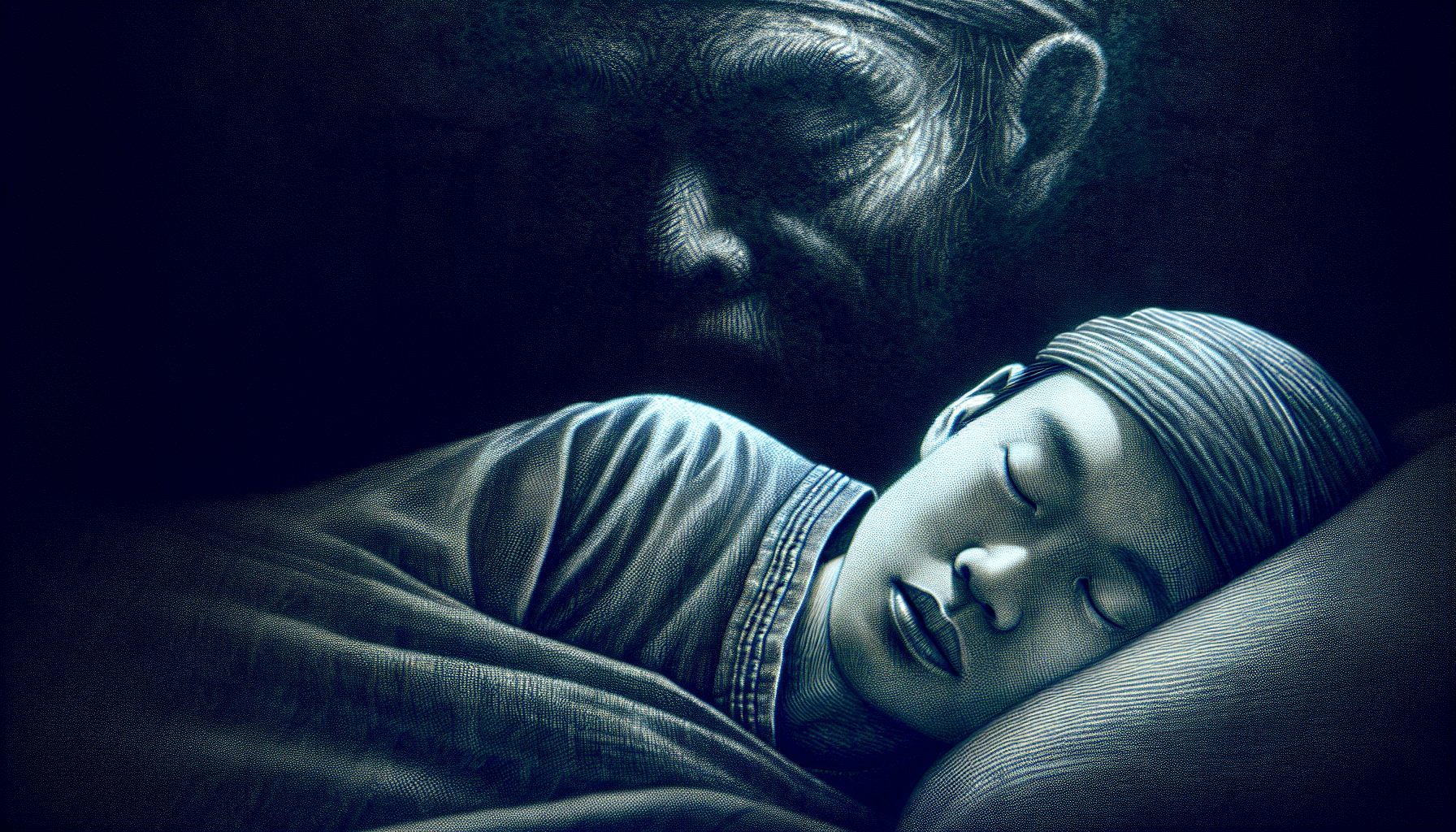
Have you ever experienced a feeling of being awake but unable to move or speak when falling asleep or waking up? This phenomenon, known as sleep paralysis, can be a terrifying experience for those who go through it. There are many myths and misconceptions surrounding sleep paralysis, so let’s dive into the common myths and facts to help you better understand this unsettling occurrence.
Understanding Sleep Paralysis
Sleep paralysis is a temporary inability to move or speak that occurs when you are either falling asleep or waking up. During an episode of sleep paralysis, you may feel as though you are fully conscious but unable to move your body. This can be a frightening experience, as it may also be accompanied by hallucinations or a feeling of pressure on your chest. However, it is essential to note that sleep paralysis is a natural and harmless occurrence that happens when your body transitions between different stages of sleep.
Myth: Sleep Paralysis is Caused by Supernatural Entities
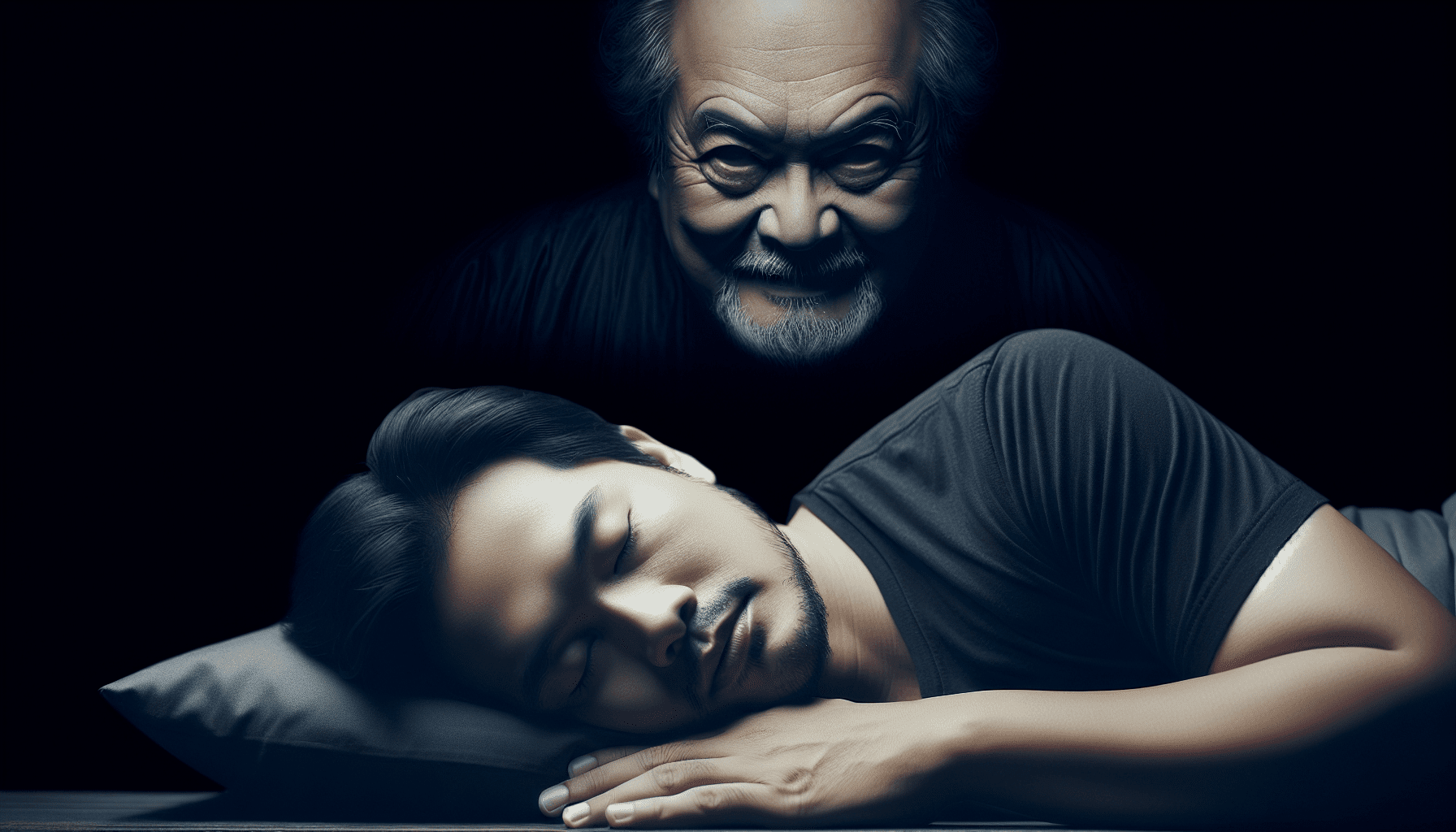
One common myth about sleep paralysis is that it is caused by supernatural entities, such as ghosts or demons, trying to harm you while you sleep. These beliefs have been perpetuated throughout history and across various cultures, leading to fear and misconceptions about this natural phenomenon. In reality, sleep paralysis is a product of your body’s natural sleep cycle and poses no threat from supernatural forces.
Fact: Sleep Paralysis is Linked to REM Sleep
During a typical night of sleep, your body goes through different stages of sleep, including rapid eye movement (REM) sleep. REM sleep is a stage of sleep where most dreaming occurs, and your brain is highly active. Sleep paralysis occurs when your body transitions in and out of REM sleep and experiences a temporary disconnect between your brain and muscles. This disconnect prevents you from moving your body, resulting in the sensation of being paralyzed.

Common Myths About Sleep Paralysis
There are several misconceptions and myths about sleep paralysis that contribute to fear and misunderstanding of this phenomenon. Let’s debunk some of the common myths to help you better understand sleep paralysis.
Myth: Sleep Paralysis is Harmful to Your Health
One prevalent myth about sleep paralysis is that it is harmful to your health and can lead to physical or psychological damage. While sleep paralysis can be a distressing experience, it is not inherently harmful to your health. By understanding the causes and triggers of sleep paralysis, you can learn to manage and reduce the frequency of episodes.
Fact: Sleep Paralysis is a Natural Occurrence
It is essential to recognize that sleep paralysis is a natural occurrence that happens to many people at least once in their lifetime. It is a result of your body’s sleep cycle and the transitions between different stages of sleep. Although it can be unsettling, especially when accompanied by hallucinations, sleep paralysis is not a sign of an underlying health condition.

Facts About Sleep Paralysis
Understanding the facts about sleep paralysis can help demystify this phenomenon and alleviate fears associated with it. Let’s explore some key facts about sleep paralysis to shed light on this common occurrence.
Fact: Sleep Paralysis Can Happen to Anyone
Sleep paralysis can occur in people of all ages and backgrounds, regardless of their overall health or lifestyle. While some factors, such as sleep deprivation or irregular sleep patterns, may increase the likelihood of experiencing sleep paralysis, it can happen to anyone. By understanding the triggers and risk factors associated with sleep paralysis, you can take steps to reduce the frequency of episodes.
Myth: Sleep Paralysis Lasts a Long Time
One common misconception about sleep paralysis is that it lasts for an extended period, causing prolonged periods of immobility and fear. In reality, episodes of sleep paralysis typically last for a few seconds to a few minutes, although they may feel much longer due to the intense sensations and emotions experienced during an episode. It is crucial to remember that sleep paralysis is a temporary and fleeting occurrence that will pass once your body fully wakes up.

Coping Strategies for Sleep Paralysis
If you have experienced sleep paralysis or are concerned about experiencing it in the future, there are strategies you can implement to cope with and manage this phenomenon effectively.
Fact: Relaxation Techniques Can Help Reduce the Frequency of Sleep Paralysis
Practicing relaxation techniques, such as deep breathing or progressive muscle relaxation, can help reduce stress and anxiety levels, which may contribute to episodes of sleep paralysis. By incorporating these techniques into your daily routine, you can promote a sense of calm and relaxation before bedtime, decreasing the likelihood of experiencing sleep paralysis.
Myth: Sleep Paralysis Requires Medical Intervention
While sleep paralysis can be distressing and unsettling, it typically does not require medical intervention unless it is a frequent and disruptive occurrence. In most cases, sleep paralysis can be managed through lifestyle changes, stress reduction techniques, and improving sleep hygiene. However, if you are experiencing frequent episodes of sleep paralysis that significantly impact your quality of life, it may be helpful to consult with a healthcare professional or sleep specialist for further evaluation.
Conclusion
Sleep paralysis is a common occurrence that many people experience at least once in their lifetime. By understanding the facts and myths surrounding sleep paralysis, you can better cope with and manage this phenomenon if you ever encounter it. Remember that sleep paralysis is a natural and harmless occurrence that is a result of your body’s sleep cycle and transitions between different stages of sleep. By practicing relaxation techniques, improving sleep hygiene, and addressing any underlying stress or anxiety, you can reduce the frequency of sleep paralysis episodes and promote restful and restorative sleep.