
Can Sleep Paralysis Be Dangerous?
Have you ever experienced sleep paralysis before? It can be a terrifying experience, but is it dangerous as well? Let’s explore the potential risks associated with sleep paralysis and how you can manage them.
Understanding Sleep Paralysis
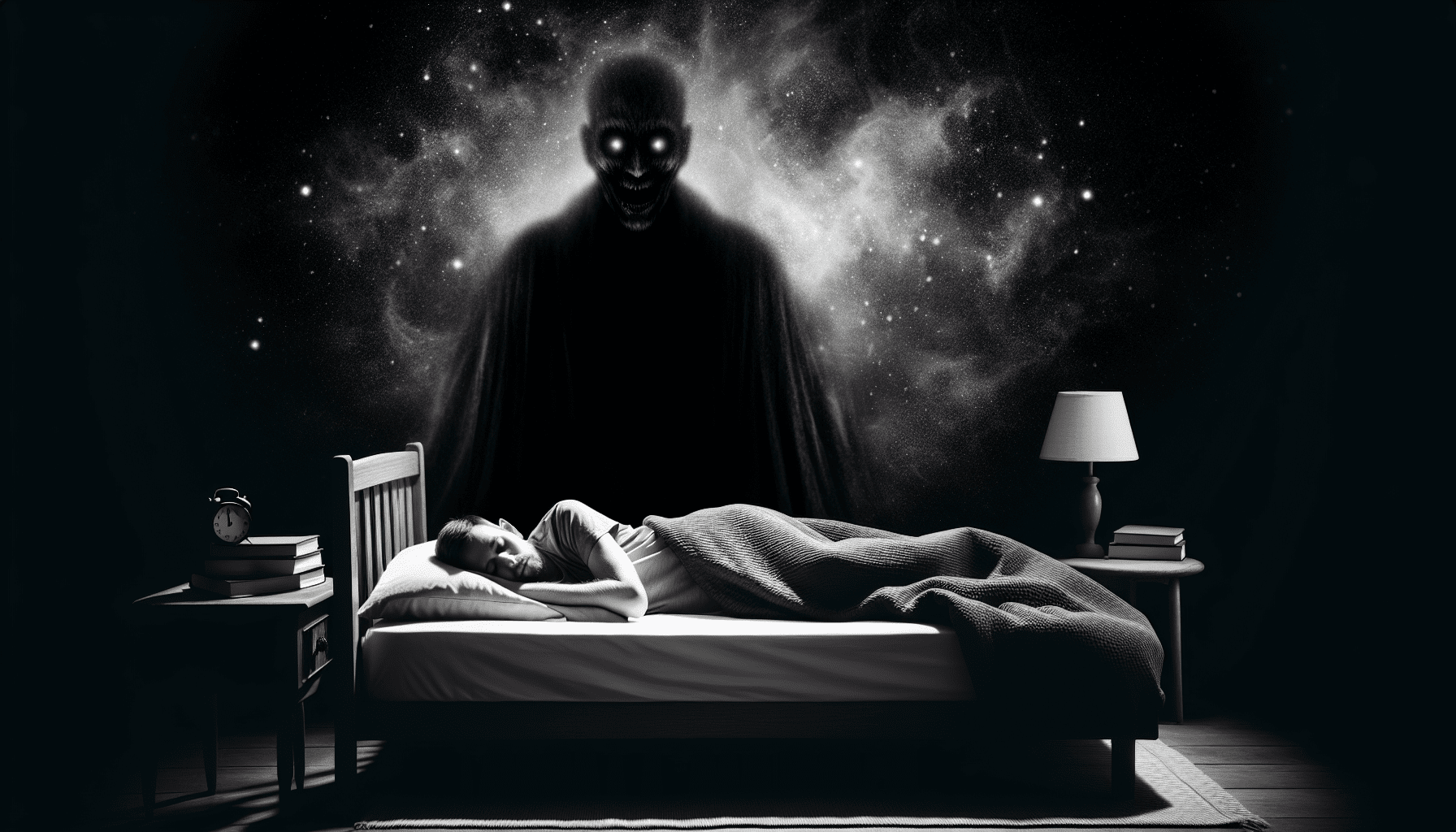
Sleep paralysis is a phenomenon that occurs when you wake up or are about to fall asleep and you find yourself unable to move or speak. It can be accompanied by a sense of pressure on your chest, as well as hallucinations. This experience can last a few seconds to several minutes, leaving you feeling scared and confused.
Sleep paralysis is a common occurrence and is usually not harmful. It is more likely to happen if you have irregular sleep patterns, are sleep-deprived, or are under significant stress. While frightening, it is important to understand that sleep paralysis is a natural part of the sleep cycle and typically does not pose any serious health risks.

The Connection Between Sleep Paralysis and Other Sleep Disorders
It is essential to note that sleep paralysis can also be linked to other sleep disorders such as narcolepsy. Narcolepsy is a chronic neurological disorder characterized by excessive daytime sleepiness and sudden attacks of sleep. In some cases, individuals with narcolepsy may experience sleep paralysis as a symptom of this disorder.
If you are consistently experiencing sleep paralysis along with other symptoms such as excessive daytime sleepiness, sudden loss of muscle tone (cataplexy), or vivid hallucinations when falling asleep or waking up, you may want to consult a healthcare professional for a proper diagnosis and treatment plan.
Consult a Healthcare Professional for Accurate Diagnosis
If you suspect that you may have a sleep disorder like narcolepsy or are concerned about the frequency of your sleep paralysis episodes, it is crucial to consult a healthcare professional. A sleep specialist will be able to evaluate your symptoms, medical history, and potentially recommend a sleep study to monitor your sleep patterns and brain activity.
Your doctor may also ask you to keep a sleep diary to track your sleep habits and the occurrences of sleep paralysis. This information will help them make an accurate diagnosis and determine the best course of action to manage your symptoms effectively.

Coping Strategies for Sleep Paralysis
While sleep paralysis can be terrifying, there are coping strategies you can implement to reduce the frequency of episodes and manage the fear associated with them. Here are some tips to help you cope with sleep paralysis:
Improve Your Sleep Hygiene
Maintaining a consistent sleep schedule and creating a relaxing bedtime routine can improve the quality of your sleep and reduce the likelihood of experiencing sleep paralysis. Avoiding stimulants like caffeine and electronic devices before bed can also help you fall asleep more easily.
Reduce Stress and Anxiety
Stress and anxiety are common triggers for sleep paralysis. Practicing relaxation techniques such as deep breathing, meditation, or yoga can help you manage your stress levels and promote better sleep. Additionally, seeking support from a therapist or counselor can be beneficial in addressing underlying anxiety issues.
Create a Comfortable Sleep Environment
Creating a comfortable sleep environment that is conducive to relaxation can help prevent sleep disturbances like sleep paralysis. Ensure that your bedroom is dark, quiet, and at a comfortable temperature to promote restful sleep. Investing in a supportive mattress and pillows can also improve your overall sleep quality.
Change Your Sleep Position
Sleeping on your back can increase the likelihood of experiencing sleep paralysis. Try changing your sleep position to your side or stomach to reduce the pressure on your chest and decrease the chances of waking up in a paralyzed state. Using a body pillow or wedge pillow can help you maintain a comfortable and side-sleeping position throughout the night.
Stay Calm During Episodes
When experiencing sleep paralysis, it is important to stay calm and remind yourself that the episode will pass. Focus on regulating your breathing and try to remain relaxed. Attempting to move small body parts like your fingers or toes can help you break out of the paralyzed state and transition back into full consciousness.
Seek Professional Help If Needed
If you are struggling to cope with frequent episodes of sleep paralysis or are experiencing significant distress, do not hesitate to seek help from a healthcare professional. A therapist or counselor can provide you with coping strategies and support to manage the fear and anxiety associated with sleep paralysis effectively.

Potential Risks of Sleep Paralysis
While sleep paralysis is generally not considered dangerous, there are some potential risks associated with this phenomenon that you should be aware of. Understanding these risks can help you take appropriate precautions and seek medical attention if necessary.
Risk of Sleep Disruption
Frequent episodes of sleep paralysis can disrupt your sleep patterns and lead to sleep deprivation. This can result in daytime fatigue, irritability, and difficulty concentrating on daily tasks. It is essential to address the underlying causes of sleep paralysis to improve your overall sleep quality and prevent these negative consequences.
Impact on Mental Health
The fear and anxiety associated with sleep paralysis can take a toll on your mental health over time. Chronic stress and sleep disturbances can worsen symptoms of anxiety and depression, leading to a decline in your overall well-being. Seeking professional help to address these mental health issues is crucial for your long-term health and quality of life.
Risk of Sleep-Related Hallucinations
Some individuals may experience vivid hallucinations during sleep paralysis, which can be frightening and disorienting. While these hallucinations are not harmful in themselves, they can contribute to increased anxiety and fear surrounding sleep paralysis episodes. Developing coping strategies to manage these hallucinations can help you feel more in control during sleep paralysis episodes.
Potential Impact on Physical Health
Although rare, prolonged episodes of sleep paralysis can lead to physical sensations such as chest pain, difficulty breathing, or a sense of impending doom. These physical symptoms can mimic those of a panic attack or heart condition, causing significant distress to the individual experiencing them. It is essential to seek medical attention if you are experiencing severe or persistent physical symptoms during sleep paralysis.
Conclusion
In conclusion, sleep paralysis is a common and usually harmless phenomenon that can be managed with the right coping strategies and lifestyle adjustments. While it can be frightening, especially if experienced frequently, understanding the potential risks associated with sleep paralysis can help you take proactive steps to address your symptoms and improve your overall sleep quality.
If you are concerned about the frequency or impact of your sleep paralysis episodes, do not hesitate to seek help from a healthcare professional. A proper diagnosis and treatment plan can help you effectively manage your symptoms and regain control over your sleep cycles. Remember that you are not alone in experiencing sleep paralysis, and there are resources available to support you in overcoming this sleep disorder.