
Imagine finally settling into bed after a long day, only to be jolted awake by the terrifying sensation of being completely paralyzed, unable to move or even speak. Sleep paralysis is a perplexing phenomenon that has plagued countless individuals throughout history. But could exercise be the key to minimizing the frequency of these episodes? This article aims to explore the potential benefits of incorporating exercise into one’s routine as a means of combating sleep paralysis. So, grab a cup of tea, get cozy, and let’s dive into the fascinating realm of sleep paralysis and its possible connection to exercise.
What is sleep paralysis?
Definition of sleep paralysis
Sleep paralysis is a phenomenon that occurs during the transition between wakefulness and sleep, where the individual becomes temporarily unable to move or speak. It is often accompanied by a feeling of pressure on the chest and a sense of impending doom. This condition typically lasts for a few seconds to a couple of minutes, but can be a frightening and distressing experience for those who undergo it.
Causes of sleep paralysis
Sleep paralysis can be caused by a variety of factors, including disrupted sleep patterns, irregular sleep schedules, sleep deprivation, and certain sleep disorders such as narcolepsy. It can also occur as a result of stress, anxiety, and underlying medical conditions. During sleep paralysis, the brain’s mechanisms that prevent us from acting out our dreams are activated while we are still conscious, leading to temporary paralysis.
The link between exercise and sleep
Impact of exercise on sleep quality
Regular exercise has been shown to have a positive impact on sleep quality. Engaging in physical activity can help regulate sleep-wake cycles and promote deeper, more restorative sleep. Exercise increases the production of endorphins, which are natural mood boosters that can aid in relaxation and stress reduction. By promoting overall sleep quality, exercise may indirectly help reduce the occurrence of sleep paralysis episodes.
Effects of exercise on sleep paralysis
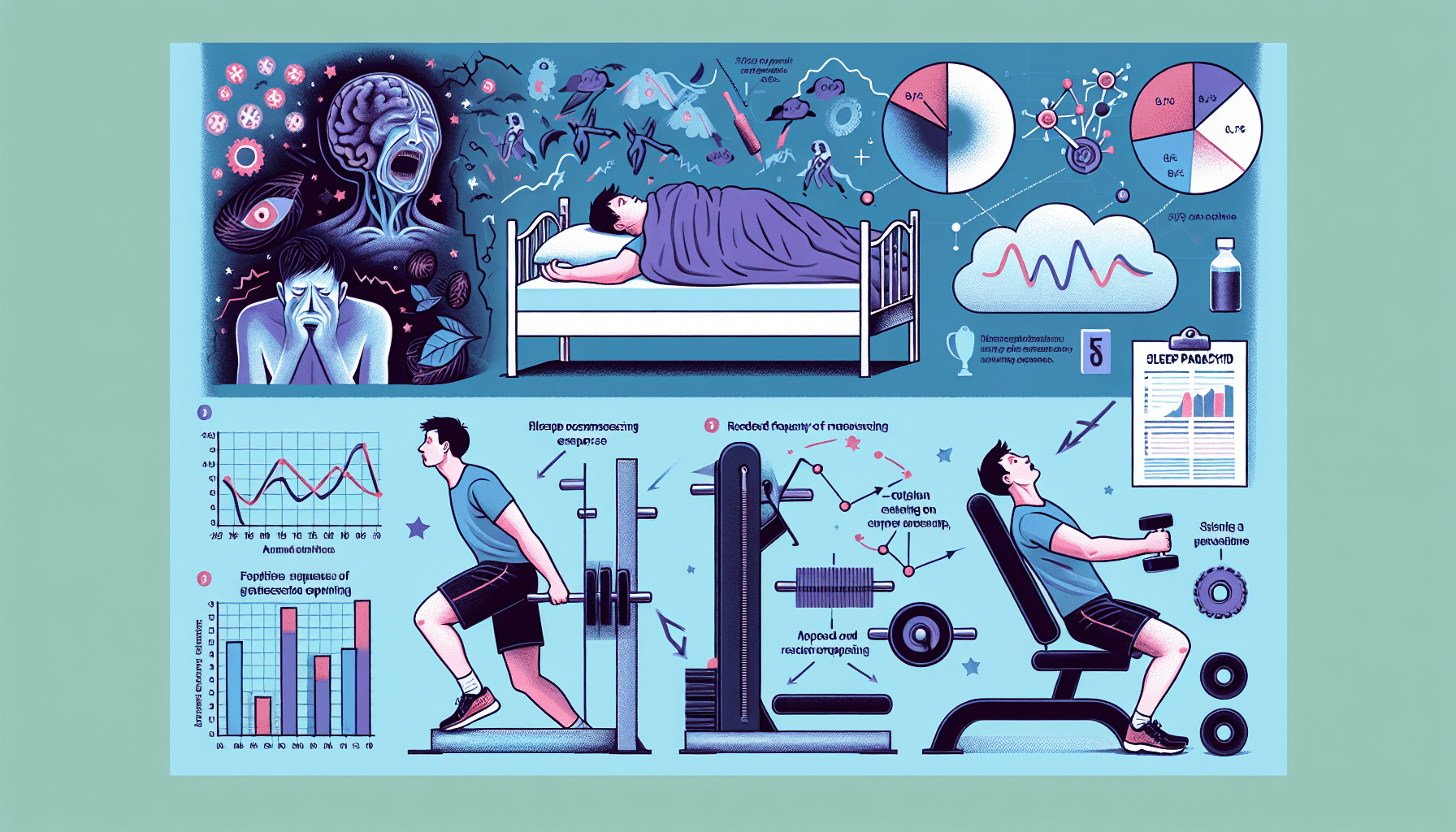
While research specifically focusing on exercise’s direct impact on sleep paralysis is limited, anecdotal evidence suggests that regular exercise may be beneficial in reducing the frequency of sleep paralysis episodes. Exercise is known to decrease stress levels and improve mental well-being, which may contribute to a more relaxed state before sleep. Additionally, exercise promotes healthy sleep patterns, and better sleep hygiene has been associated with fewer experiences of sleep paralysis.
Benefits of regular exercise
Improved overall sleep quality
Regular exercise has been consistently linked to improved sleep quality. Engaging in physical activity helps increase the time spent in deep sleep, which is essential for restfulness and rejuvenation. By promoting a more restorative sleep cycle, exercise can contribute to overall better sleep quality, which in turn can help reduce the occurrence of sleep paralysis episodes.
Reduced anxiety and stress
Exercise is a natural stress reliever and has been shown to significantly reduce symptoms of anxiety and stress. By engaging in regular exercise, you can release built-up tension and improve your mental well-being. Reducing anxiety and stress levels can have a positive impact on sleep, as it promotes relaxation and a calmer state of mind before bedtime. This can potentially mitigate the occurrence of sleep paralysis episodes.
Enhanced physical and mental well-being
Regular exercise not only benefits your sleep, but also enhances your physical and mental well-being. Exercise helps improve cardiovascular health, boosts immune function, and increases overall energy levels. Additionally, it can improve mood and cognitive function, reducing the likelihood of experiencing sleep disturbances such as sleep paralysis.
Types of exercise that may help
Aerobic exercises
Aerobic exercises, such as jogging, swimming, or cycling, are excellent choices for improving sleep quality. These activities elevate your heart rate and increase oxygen intake, promoting better overall cardiovascular health. Aerobic exercises also release endorphins, which can help reduce stress levels and regulate sleep patterns.
Strength training
Strength training exercises, such as weightlifting or resistance training, can also have a positive impact on sleep quality. Building muscle through strength training boosts metabolism and improves overall body composition. In addition to physical benefits, strength training increases feelings of self-confidence and promotes a sense of accomplishment, which can positively impact mental well-being and sleep quality.
Yoga and stretching
Yoga and stretching exercises focus on relaxation, flexibility, and mindful breathing techniques. These activities can help reduce muscle tension, promote relaxation, and improve overall sleep quality. Yoga and stretching exercises are particularly beneficial for those experiencing sleep paralysis, as they help cultivate a sense of inner calmness and relaxation before bedtime.

Timing of exercise for sleep paralysis relief
Exercising in the morning
Exercising in the morning can be especially beneficial for sleep quality and reducing the frequency of sleep paralysis episodes. Morning exercise helps jumpstart your metabolism and provides a natural energy boost throughout the day. By exercising in the morning, you allow your body to fully recover and wind down in the evening, promoting a more restful sleep.
Exercising in the afternoon or early evening
Exercising in the afternoon or early evening can also have a positive impact on sleep quality. During these times, your body temperature is naturally higher, which enhances the sleep-promoting effects of exercise. However, it is important to avoid vigorous exercise too close to bedtime, as it can stimulate your body and make it harder to fall asleep.
Tips for incorporating exercise into your routine
Setting realistic goals
When incorporating exercise into your routine, it is important to set realistic goals that are both achievable and sustainable. Start with small steps and gradually increase the intensity and duration of your workouts. By setting realistic goals, you are more likely to stick with your exercise routine and derive long-term benefits for your sleep and overall health.
Finding activities you enjoy
To ensure consistency and adherence to an exercise routine, it is crucial to find activities that you genuinely enjoy. Whether it’s dancing, hiking, or playing a sport, engaging in activities that bring you joy and satisfaction increases the likelihood of exercise becoming a regular part of your lifestyle. Experiment with different activities until you find the ones that resonate with you.
Creating a consistent exercise schedule
Establishing a consistent exercise schedule is key to forming a habit. Find a time of day that works best for you and commit to exercising during that time. Consistency is important for reaping the long-term benefits of exercise on sleep quality and reducing the frequency of sleep paralysis episodes. Consider incorporating exercise into your daily routine by blocking off dedicated time in your schedule.
Additional lifestyle changes to improve sleep paralysis
Maintaining a regular sleep schedule
In addition to exercise, maintaining a regular sleep schedule is crucial for improving sleep quality and reducing the occurrence of sleep paralysis. Going to bed and waking up at the same time every day helps regulate your body’s internal clock and promotes a consistent sleep pattern. Create a relaxing bedtime routine and ensure your sleep environment is comfortable, quiet, and conducive to quality sleep.
Creating a soothing bedtime routine
Establishing a soothing bedtime routine can signal to your body and mind that it’s time to unwind and prepare for sleep. Engage in activities that help you relax, such as reading a book, taking a warm bath, or practicing meditation. Avoid stimulants like caffeine and electronics before bed, as they can interfere with your ability to fall asleep. A consistent and calming bedtime routine can enhance sleep quality and potentially reduce the occurrence of sleep paralysis.
Practicing relaxation techniques
Incorporating relaxation techniques into your daily routine can help reduce stress levels and promote better sleep. Techniques such as deep breathing exercises, progressive muscle relaxation, and guided imagery can calm your mind and body, making it easier to transition into a restful sleep. By practicing relaxation techniques regularly, you can cultivate a sense of relaxation and potentially reduce the frequency of sleep paralysis episodes.
Consulting a healthcare professional
Importance of medical guidance
If you frequently experience sleep paralysis or have concerns about incorporating exercise into your routine, it is important to seek medical guidance. A healthcare professional can assess your overall health, provide personalized recommendations, and address any underlying medical conditions that may contribute to sleep paralysis. They can also help ensure that any exercise program you undertake is safe and appropriate for your individual needs.
Discussing sleep paralysis with a doctor
When discussing sleep paralysis with a doctor, be prepared to provide a detailed account of your symptoms, including the frequency and duration of episodes. Your doctor may recommend a sleep study to gather more information about your sleep patterns and potentially uncover any underlying sleep disorders. By having an open and honest conversation with your doctor, you can receive tailored advice and guidance on managing and reducing sleep paralysis episodes.
Case studies and personal experiences
Success stories of exercise reducing sleep paralysis
Many individuals have reported success in reducing sleep paralysis episodes through regular exercise. These success stories highlight the potential benefits of incorporating exercise into a healthy lifestyle. While personal experiences may differ, exercise has been shown to have positive effects on sleep quality and overall well-being, which can potentially contribute to a decrease in the frequency of sleep paralysis episodes.
Individual accounts and testimonials
Numerous individuals have shared their personal accounts and testimonials regarding the impact of exercise on sleep paralysis. These accounts often emphasize the importance of finding the right exercise routine, consistency, and patience in experiencing positive changes. Reading these accounts can provide inspiration and motivation for those seeking to reduce the occurrence of sleep paralysis through exercise.
Conclusion
Incorporating exercise into a healthy lifestyle can potentially have a positive impact on sleep quality and reduce the frequency of sleep paralysis episodes. Regular exercise promotes overall sleep quality, reduces anxiety and stress, and enhances physical and mental well-being. Aerobic exercises, strength training, and yoga/stretching are beneficial forms of exercise that can contribute to better sleep hygiene. Consider finding a time to exercise that works best for your schedule, and focus on setting realistic goals and finding activities you enjoy. Alongside exercise, maintaining a regular sleep schedule, creating a soothing bedtime routine, and practicing relaxation techniques can further enhance sleep quality and potentially reduce sleep paralysis episodes. Remember to consult with a healthcare professional for personalized guidance and to discuss any concerns regarding sleep paralysis. By prioritizing exercise and implementing other lifestyle changes, you can create a foundation for better sleep and overall well-being.