
Can Cultural Traditions Influence The Experience Of Sleep Paralysis?
Can cultural traditions influence the experience of sleep paralysis?
Understanding Sleep Paralysis
Sleep paralysis is a condition that occurs when you are partially awake during the REM (rapid eye movement) stage of sleep. During this state, your body is temporarily paralyzed, and you may experience auditory or visual hallucinations. This phenomenon can be quite frightening and is often associated with feelings of being trapped or suffocated.
Symptoms of Sleep Paralysis
The symptoms of sleep paralysis can vary from person to person, but some common experiences include:
- Inability to move or speak
- Feeling a presence in the room
- Hallucinations, such as seeing shadowy figures or hearing strange noises
- Sensation of pressure on the chest
- Shortness of breath
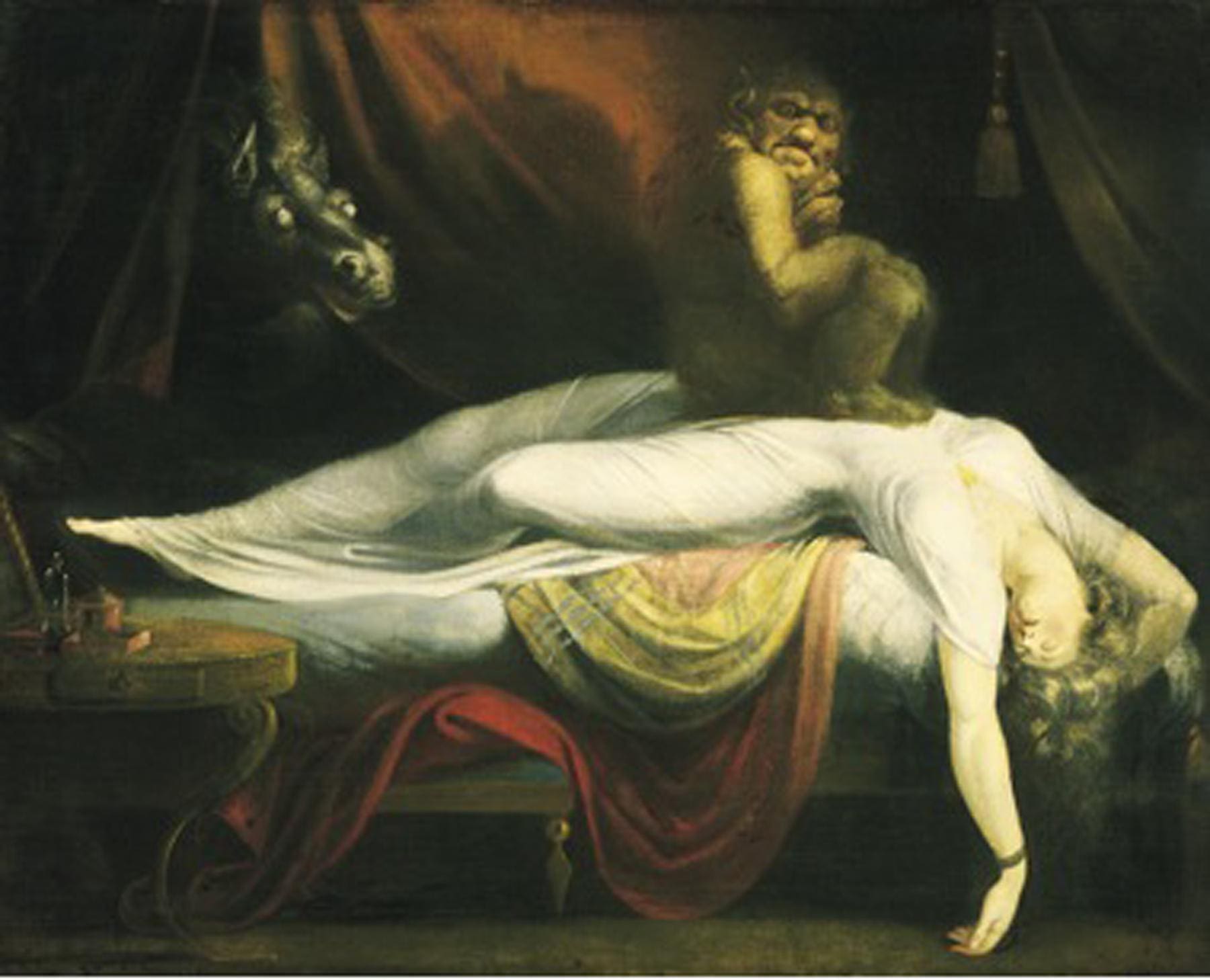
Cultural Differences in Sleep Paralysis
Cultural traditions and beliefs can play a significant role in how individuals perceive and experience sleep paralysis. In some cultures, sleep paralysis is seen as a purely physiological phenomenon, while in others, it is viewed as a supernatural or spiritual experience.
Cultural Interpretation of Sleep Paralysis
In cultures where sleep paralysis is interpreted as a supernatural event, individuals may seek out traditional healers or religious leaders for guidance and protection. These beliefs can influence how the individual copes with the experience and may impact their overall mental health and well-being.
Influence of Cultural Symbols
Cultural symbols and narratives can also influence how sleep paralysis is experienced. For example, in cultures where shadowy figures are associated with malevolent spirits or demons, individuals experiencing sleep paralysis may interpret their hallucinations as a manifestation of these beings. This can heighten feelings of fear and anxiety during an episode of sleep paralysis.
Impact of Cultural Traditions on Coping Mechanisms
Cultural traditions can also influence how individuals cope with episodes of sleep paralysis. In some cultures, rituals or prayers may be performed to ward off evil spirits or protect the individual from harm. These practices can provide a sense of comfort and security during a frightening episode of sleep paralysis.
Rituals and Practices
Rituals and practices vary widely across different cultures and may include actions such as burning herbs, reciting prayers, or wearing protective charms. These rituals are believed to create a barrier between the individual and malevolent forces, providing a sense of control over the situation.
Seeking Spiritual Guidance
In cultures where sleep paralysis is viewed as a spiritual or supernatural event, seeking guidance from spiritual leaders or healers is a common coping mechanism. These individuals may provide reassurance and guidance on how to navigate the experience and protect oneself from negative influences.
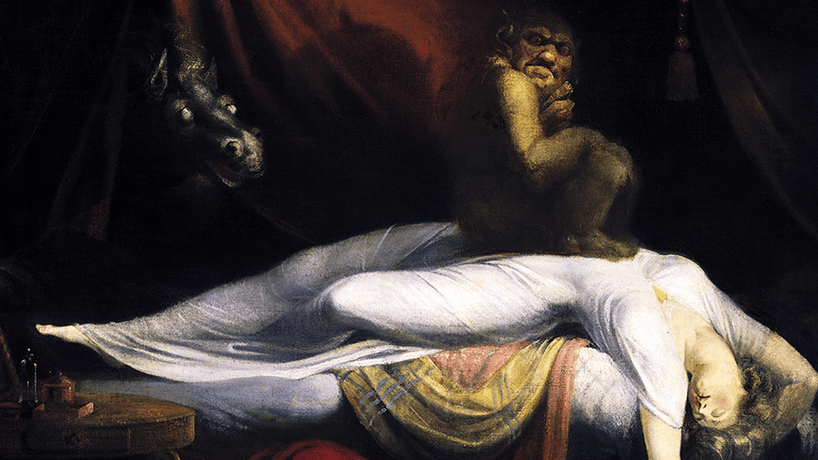
Cultural Perspectives on Sleep Paralysis Treatment
Cultural perspectives on sleep paralysis treatment can also influence how individuals seek help for their symptoms. In some cultures, traditional remedies or therapies may be preferred over modern medical interventions.
Traditional Healing Practices
Traditional healing practices, such as herbal remedies or acupuncture, may be used to treat sleep paralysis in cultures where natural or holistic approaches are valued. These practices focus on restoring balance and harmony within the body to alleviate symptoms of sleep paralysis.
Modern Medical Interventions
In cultures where modern medicine is the preferred mode of treatment, individuals experiencing sleep paralysis may seek out medical professionals for help. This can include therapies such as cognitive-behavioral therapy or medications to address underlying sleep disorders.
The Role of Cultural Beliefs in Recovery
The role of cultural beliefs in recovery from sleep paralysis cannot be overstated. Beliefs about the causes of sleep paralysis, as well as the effectiveness of different treatments, can significantly impact an individual’s recovery process.
Belief in Spiritual Protection
Individuals who believe in the power of spiritual protection may feel more empowered to overcome episodes of sleep paralysis. By seeking out spiritual guidance or performing protective rituals, they can create a sense of agency in dealing with their symptoms.
Integration of Modern and Traditional Approaches
Some individuals may choose to integrate both modern and traditional approaches to managing sleep paralysis. This can involve seeking medical treatment for underlying sleep disorders while also engaging in cultural practices to address spiritual or emotional aspects of the condition.

Conclusion
In conclusion, cultural traditions can have a significant impact on how individuals experience and cope with sleep paralysis. Understanding the role of cultural beliefs and practices is essential for providing effective support and treatment for those affected by this condition. By recognizing the influence of cultural traditions, we can better address the diverse needs of individuals experiencing sleep paralysis.