
Have you ever experienced the frightening phenomenon of waking up from sleep only to find that you are unable to move or speak? This sensation is known as sleep paralysis, and it can be a distressing experience for those who have never encountered it before. In this article, you will learn about the best practices for recognizing the onset of sleep paralysis so that you can better understand what is happening and how to cope with it effectively.

What Is Sleep Paralysis?
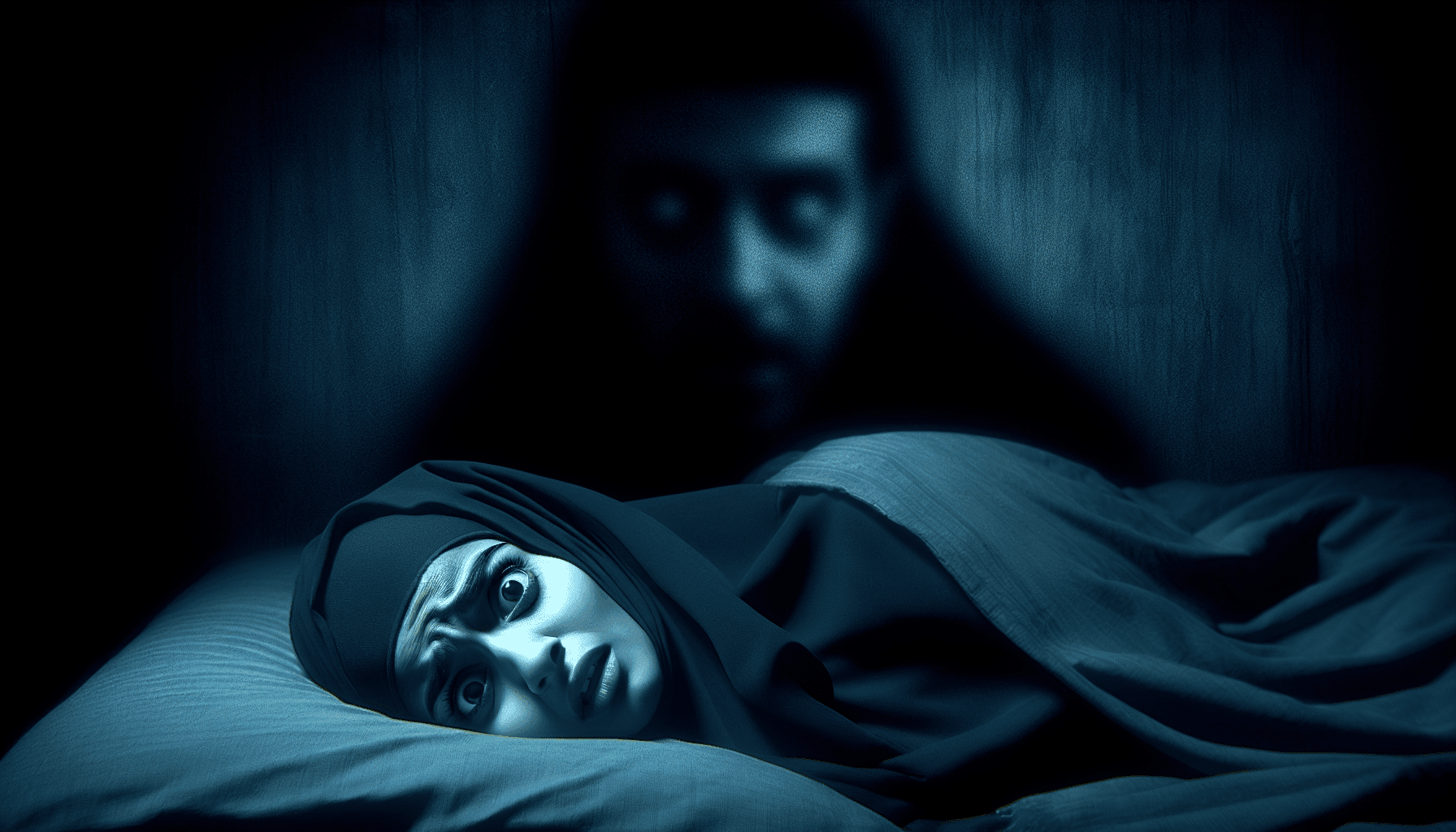
Sleep paralysis is a temporary inability to move or speak that occurs when you are waking up or falling asleep. During an episode of sleep paralysis, your mind is awake, but your body is still in a state of sleep, resulting in the sensation of being paralyzed. This can be a terrifying experience as you may also hallucinate or feel a presence in the room with you.
Understanding the Causes of Sleep Paralysis
The exact cause of sleep paralysis is not fully understood, but it is believed to be linked to disrupted REM (rapid eye movement) sleep. REM sleep is the stage of sleep where most dreaming occurs, and during this phase, your muscles are typically paralyzed to prevent you from acting out your dreams. In some cases, this paralysis can persist when you wake up, leading to an episode of sleep paralysis.
The Role of Sleep Disorders in Sleep Paralysis
Sleep disorders such as narcolepsy and insomnia have been associated with an increased risk of experiencing sleep paralysis. If you have a sleep disorder, you may be more likely to have episodes of sleep paralysis, as your sleep patterns are already disrupted. It is essential to manage any underlying sleep disorders to reduce the frequency of sleep paralysis episodes.
Recognizing the Symptoms of Sleep Paralysis
Recognizing the symptoms of sleep paralysis is crucial in differentiating it from other sleep-related phenomena. By understanding the signs of an episode of sleep paralysis, you can better prepare yourself for the experience and reduce feelings of fear and anxiety.
Feeling of Paralysis
The most obvious symptom of sleep paralysis is the sensation of being paralyzed. You may find that you are unable to move any part of your body, despite being fully conscious. This feeling of paralysis can be extremely distressing, as it may be accompanied by a sense of helplessness.
Hallucinations
During an episode of sleep paralysis, you may experience vivid hallucinations that can be visual, auditory, or tactile in nature. These hallucinations can range from seeing shadowy figures in the room to hearing strange noises or feeling a presence touching you. While these hallucinations are not real, they can feel incredibly lifelike and add to the overall sense of fear during a sleep paralysis episode.
Shortness of Breath
Some individuals may also experience a sensation of pressure on their chest or difficulty breathing during sleep paralysis. This feeling of suffocation can be frightening and lead to panic if not recognized as a symptom of the episode. It is essential to remain calm and remind yourself that the sensation will pass once the episode is over.

Coping Strategies for Dealing with Sleep Paralysis
If you have experienced sleep paralysis in the past, it is important to have coping strategies in place to help you manage the episodes effectively. By implementing these best practices, you can reduce the impact of sleep paralysis on your mental well-being and overall sleep quality.
Focus on Your Breathing
During an episode of sleep paralysis, it is common to feel panicked and overwhelmed by the sensation of being unable to move. One effective coping strategy is to focus on your breathing and take slow, deep breaths to calm yourself down. By concentrating on your breathing, you can shift your focus away from the paralysis and reduce feelings of fear and anxiety.
Visualization Techniques
Visualization techniques can also be helpful in managing sleep paralysis episodes. By picturing a calming image or scenario in your mind, you can create a sense of safety and security that can help alleviate feelings of fear during the episode. Visualizing yourself in a peaceful environment can also promote relaxation and reduce the intensity of the paralysis.
Reality Checking
During a sleep paralysis episode, it can be challenging to distinguish between the hallucinations and reality. One way to combat this is to practice reality checking by reminding yourself that the sensations you are experiencing are a result of the sleep paralysis and not actual occurrences. By grounding yourself in reality, you can reduce the impact of the hallucinations and alleviate feelings of fear.
Establish a Sleep Routine
Maintaining a consistent sleep routine can help prevent episodes of sleep paralysis by regulating your sleep patterns and promoting healthy sleep habits. Going to bed and waking up at the same time each day can help stabilize your sleep-wake cycle and reduce the likelihood of experiencing disruptions that can trigger sleep paralysis.
Seek Support
If you are struggling to cope with sleep paralysis on your own, it may be beneficial to seek support from a healthcare professional or therapist. Talking to someone about your experiences can help you gain a deeper understanding of sleep paralysis and develop personalized coping strategies that work best for you. Remember that you are not alone, and there are resources available to help you manage and overcome sleep paralysis.

When to Seek Medical Help
While sleep paralysis is a common phenomenon that many people experience at least once in their lives, frequent or severe episodes may warrant medical attention. If you are experiencing sleep paralysis regularly and it is significantly impacting your quality of life, it is essential to consult a healthcare professional for further evaluation and potential treatment options.
Consult Your Doctor
If you are unsure about the cause of your sleep paralysis episodes or if they are accompanied by other symptoms such as excessive daytime sleepiness or sudden muscle weakness, it is crucial to consult your doctor for a comprehensive evaluation. Your doctor can help determine if an underlying sleep disorder is contributing to your episodes and recommend appropriate treatment options.
Sleep Study
In some cases, a sleep study may be recommended to monitor your sleep patterns and identify any disruptions that could be leading to episodes of sleep paralysis. A sleep study involves monitoring your brain activity, heart rate, breathing, and other key indicators while you sleep to provide insights into any underlying issues that may be contributing to your symptoms.
Cognitive-Behavioral Therapy
Cognitive-behavioral therapy (CBT) may also be beneficial for managing sleep paralysis and reducing the frequency of episodes. CBT can help you address any negative thought patterns or beliefs that may be contributing to your fear of sleep paralysis and develop coping strategies to navigate the experience more effectively. Working with a therapist trained in CBT can provide you with valuable tools and techniques to overcome sleep paralysis.
Conclusion
In conclusion, recognizing the onset of sleep paralysis is crucial in understanding this phenomenon and coping with it effectively. By recognizing the symptoms, implementing coping strategies, and seeking support when needed, you can navigate sleep paralysis episodes with greater ease and reduce their impact on your overall well-being. Remember that sleep paralysis is a common experience that many people face, and there are resources available to help you manage and overcome it. Stay informed, stay calm, and remember that you are not alone in dealing with sleep paralysis.