What Are the Latest Research Findings on Sleep Paralysis?
Have you ever experienced waking up in the middle of the night, unable to move or speak? It may feel like a scary experience, but it is actually a common phenomenon known as sleep paralysis. In this article, we will explore the latest research findings on sleep paralysis and discuss what experts have discovered about this mysterious phenomenon.
Understanding Sleep Paralysis
Sleep paralysis is a temporary inability to move or speak that occurs when waking up or falling asleep. It is often accompanied by hallucinations and a feeling of pressure on the chest. While it can be a frightening experience, experts believe that it is a normal part of the sleep cycle.
What Happens During Sleep Paralysis?
During sleep paralysis, your body is temporarily paralyzed, preventing you from physically acting out your dreams. This phenomenon occurs during the rapid eye movement (REM) stage of sleep when the brain is active but the body is still. This disconnect between the brain and body can lead to feelings of helplessness and fear.
Causes of Sleep Paralysis
Researchers believe that sleep paralysis can be caused by a disruption in the normal sleep cycle. It often occurs in individuals who have erratic sleep patterns or suffer from sleep disorders such as narcolepsy. Stress, anxiety, and substance abuse can also contribute to the occurrence of sleep paralysis.
Genetics and Sleep Paralysis
Studies have shown that genetics may play a role in the development of sleep paralysis. If you have a family history of sleep disorders, you may be more prone to experiencing sleep paralysis. Research is ongoing to better understand the genetic factors that contribute to this phenomenon.
Sleep Disorders and Sleep Paralysis
Individuals who suffer from sleep disorders such as narcolepsy are more likely to experience sleep paralysis. Narcolepsy is a chronic sleep disorder that affects the brain’s ability to control sleep-wake cycles. This disruption in the sleep cycle can lead to episodes of sleep paralysis.
Symptoms of Sleep Paralysis
The most common symptom of sleep paralysis is the inability to move or speak upon waking up. Other symptoms may include hallucinations, a feeling of pressure on the chest, and a sense of impending doom. These symptoms can be frightening, but they are usually temporary and do not pose any long-term health risks.
Visual Hallucinations
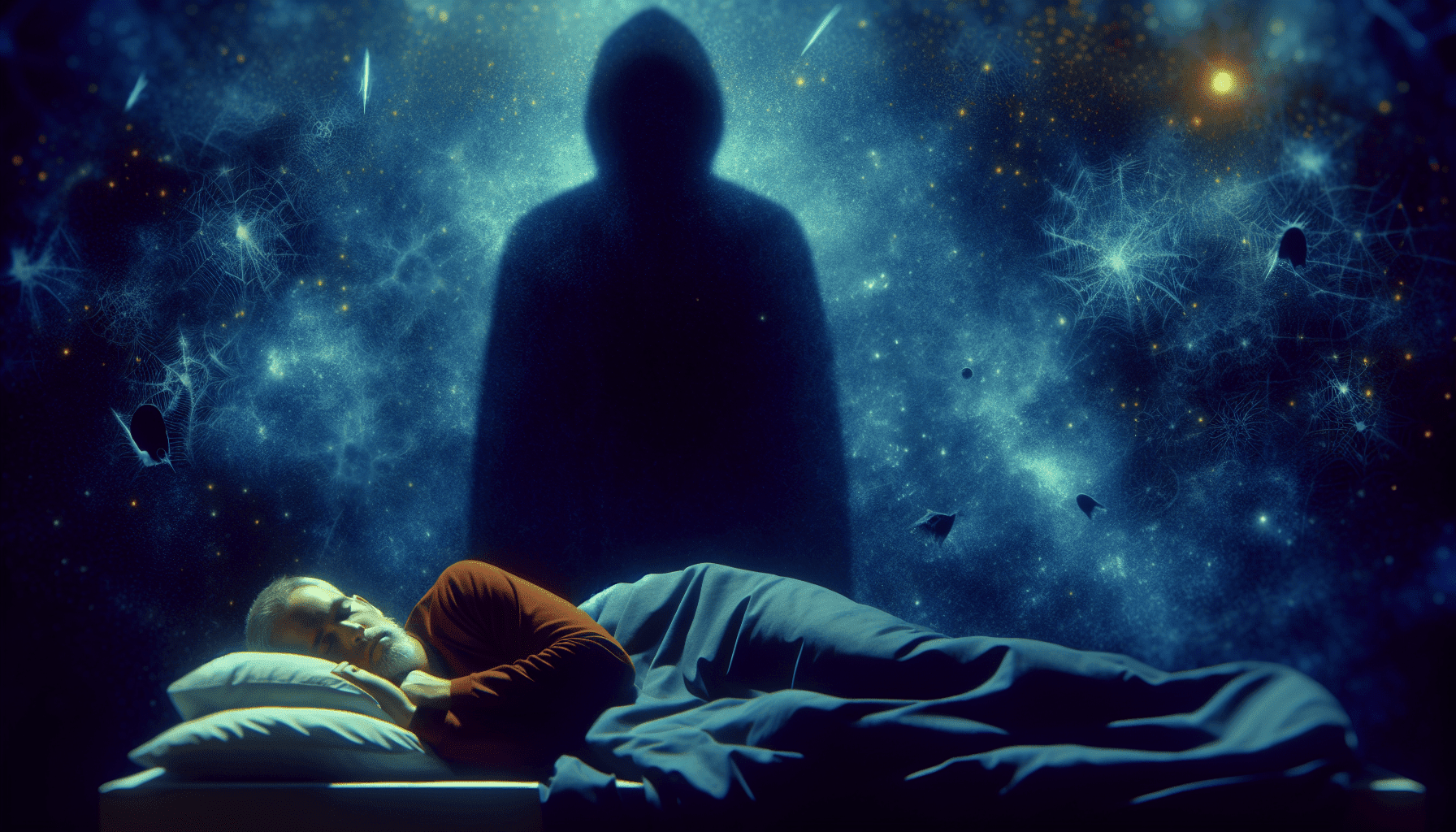
During sleep paralysis, individuals may experience vivid visual hallucinations. These hallucinations can take the form of shadowy figures, demons, or other frightening images. While these hallucinations may seem real, they are a normal part of the sleep paralysis experience and are not a cause for concern.
Sensory Hallucinations
In addition to visual hallucinations, individuals may also experience sensory hallucinations during sleep paralysis. This can include feelings of being touched, grabbed, or even pulled out of bed. These sensations can be unsettling, but they are a common feature of sleep paralysis.
Treatment for Sleep Paralysis
While there is no specific treatment for sleep paralysis, there are steps you can take to reduce the frequency of episodes and alleviate symptoms. Maintaining a regular sleep schedule, practicing relaxation techniques, and reducing stress can help prevent episodes of sleep paralysis.
Lifestyle Changes
Making lifestyle changes such as limiting caffeine and alcohol intake, avoiding heavy meals before bedtime, and creating a comfortable sleep environment can help improve the quality of your sleep and reduce the likelihood of experiencing sleep paralysis.
Relaxation Techniques
Practicing relaxation techniques such as deep breathing, meditation, and progressive muscle relaxation can help reduce stress and anxiety, which are common triggers for sleep paralysis. These techniques can also improve the quality of your sleep and help prevent episodes of sleep paralysis.
Coping with Sleep Paralysis
If you experience sleep paralysis, it is important to remember that it is a common and temporary phenomenon that does not pose any serious health risks. Taking deep breaths, focusing on positive thoughts, and reminding yourself that the experience will pass can help alleviate feelings of fear and helplessness.
Support Groups
Joining a support group or online forum for individuals who experience sleep paralysis can provide you with a sense of community and understanding. Sharing your experiences with others who have gone through similar situations can help you cope with the emotional effects of sleep paralysis.
Seeking Professional Help
If you find that sleep paralysis is affecting your daily life or causing significant distress, it may be helpful to seek professional help from a sleep specialist or therapist. They can provide you with strategies to cope with sleep paralysis and address any underlying sleep disorders that may be contributing to the episodes.
Conclusion
Sleep paralysis is a common phenomenon that occurs when waking up or falling asleep. While it can be a frightening experience, experts believe that it is a normal part of the sleep cycle. By understanding the causes and symptoms of sleep paralysis, you can take steps to reduce the frequency of episodes and alleviate symptoms. Remember that sleep paralysis is temporary and does not pose any serious health risks. If you continue to experience sleep paralysis or have concerns about your sleep health, it is important to seek professional help.