
In this article, you will delve into the intricate web of factors that contribute to the phenomenon known as sleep paralysis. By examining the various causes behind this mysterious occurrence, you will gain a deeper understanding of the complex interplay between the mind and body during sleep. From disruptions in REM sleep to underlying medical conditions, each potential cause offers a unique insight into the perplexing nature of sleep paralysis. By exploring these causes, you will be able to comprehend the scientific basis behind this phenomenon and the implications it may have on overall sleep health. Have you ever woken up in the middle of the night, unable to move or speak, feeling like there is a heavy weight on your chest? If so, you may have experienced sleep paralysis. This phenomenon can be terrifying and confusing, but understanding the causes behind it can help you make sense of what you are experiencing.
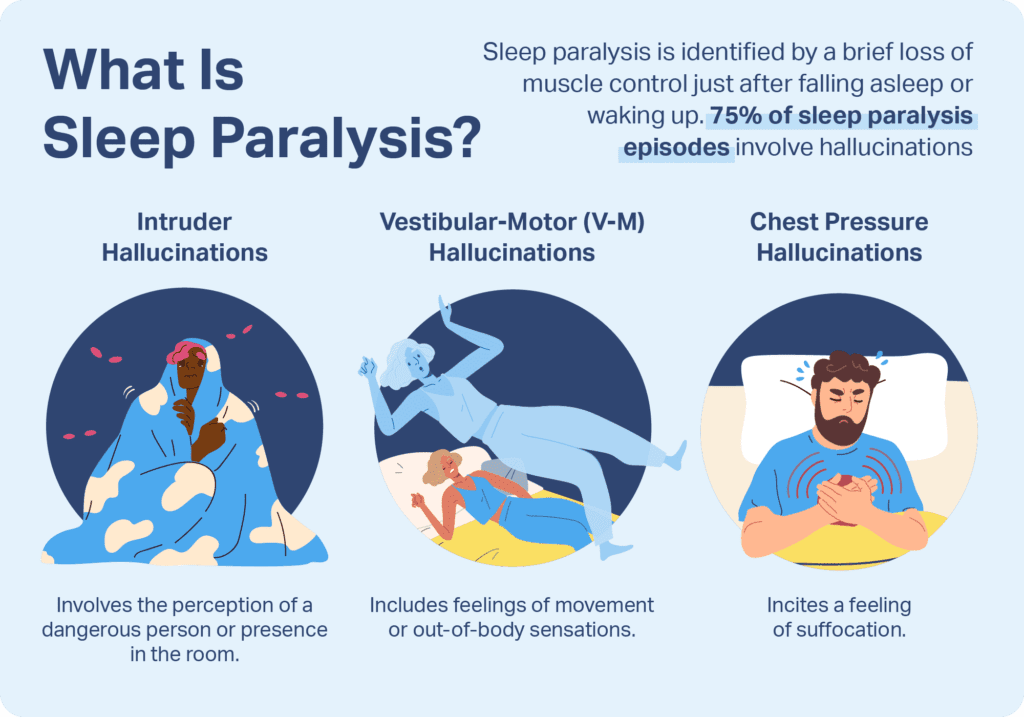
What is Sleep Paralysis?
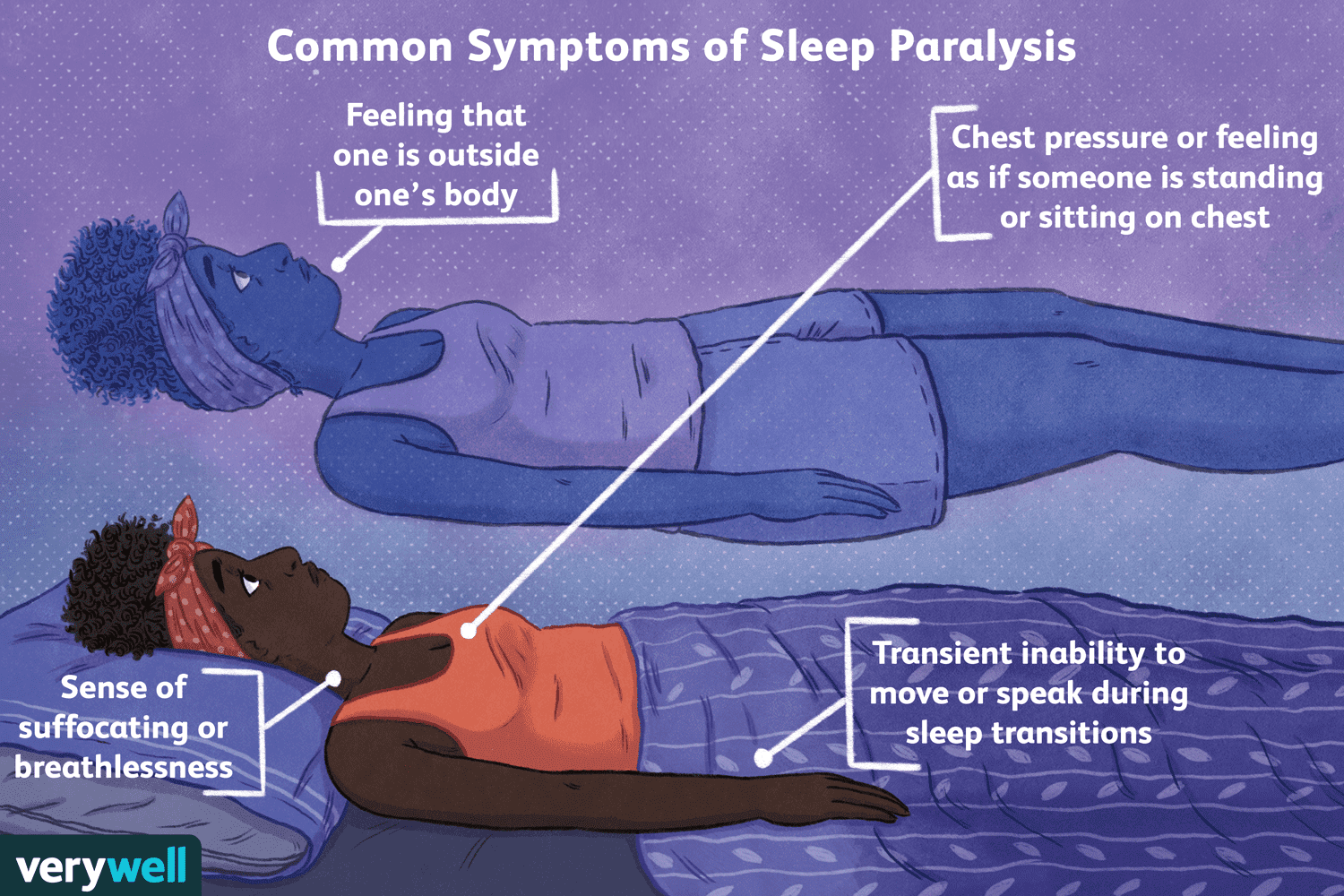
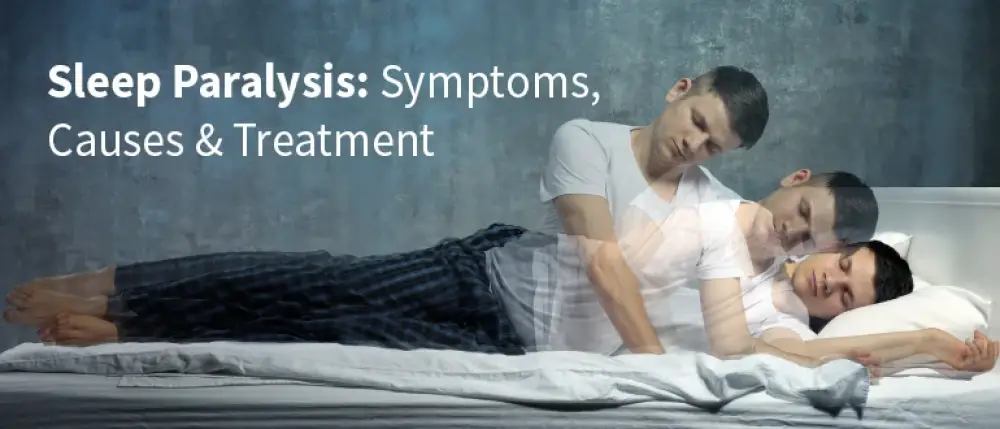
Sleep paralysis is a phenomenon in which a person wakes up during the REM (rapid eye movement) stage of sleep, but their muscles remain paralyzed. This paralysis can last anywhere from a few seconds to several minutes, during which the individual may experience hallucinations or feelings of pressure on their body. While this experience can be terrifying, it is usually harmless and does not cause any long-term physical harm.
Understanding the REM Stage of Sleep
During the REM stage of sleep, the brain is highly active, and dreams are most likely to occur. The body goes into a state of muscle atonia, or paralysis, to prevent individuals from acting out their dreams and potentially injuring themselves. When a person wakes up during this stage, they may still be in a state of paralysis, leading to the experience of sleep paralysis.
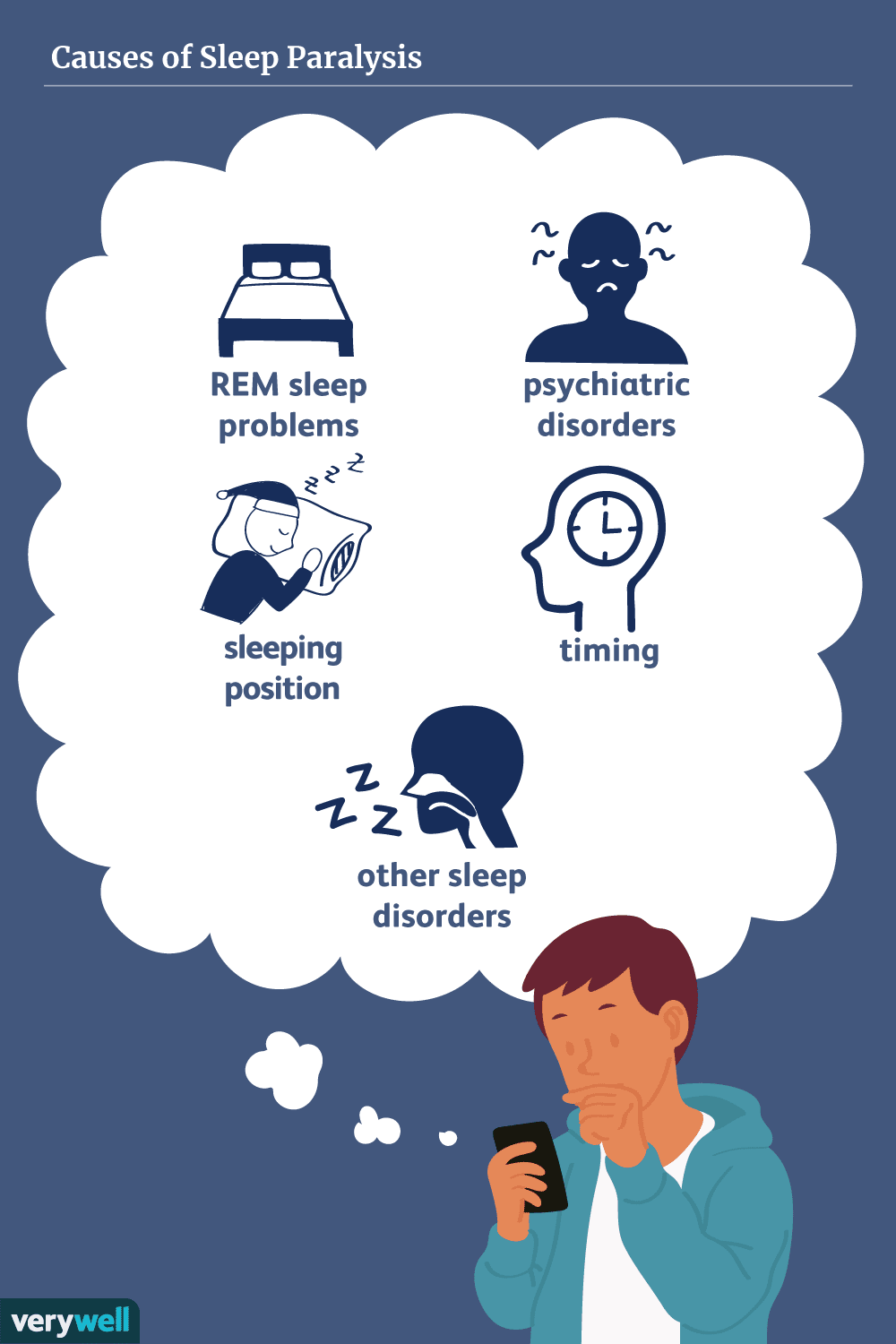
Common Causes of Sleep Paralysis
There are several factors that can contribute to the occurrence of sleep paralysis. Understanding these causes can help individuals identify potential triggers and take steps to prevent episodes of sleep paralysis.
Sleep Deprivation
Lack of sleep or irregular sleep patterns can disrupt the normal sleep cycle, increasing the likelihood of experiencing sleep paralysis. It is essential to prioritize good sleep hygiene and establish a consistent sleep schedule to reduce the risk of sleep paralysis.
Stress and Anxiety
High levels of stress and anxiety can also trigger episodes of sleep paralysis. Managing stress through relaxation techniques, mindfulness, and therapy can help reduce the frequency of sleep paralysis episodes.
Sleeping Position
Sleeping on your back can increase the likelihood of experiencing sleep paralysis, as this position can contribute to episodes of breathing difficulties and disrupted sleep. Sleeping on your side or in a more elevated position may help prevent sleep paralysis.
Underlying Sleep Disorders
Certain sleep disorders, such as narcolepsy or insomnia, can increase the risk of experiencing sleep paralysis. Treating these underlying sleep conditions can help reduce the frequency of sleep paralysis episodes.
Substance Use
Consuming alcohol, caffeine, or nicotine close to bedtime can disrupt the sleep cycle and increase the likelihood of experiencing sleep paralysis. Avoiding these substances before bedtime can help promote better sleep and reduce the risk of sleep paralysis.
Cultural and Historical Beliefs About Sleep Paralysis
Sleep paralysis has been documented in various cultures throughout history, often associated with supernatural or paranormal beliefs. Understanding the cultural and historical context of sleep paralysis can provide insight into how different societies have interpreted and explained this phenomenon.
Folklore and Myths
Sleep paralysis has been a common theme in folklore and myths around the world. In many cultures, sleep paralysis is attributed to evil spirits, demons, or witches who visit individuals while they sleep. These supernatural interpretations often involve rituals or talismans to protect against or ward off these malevolent entities.
Medical and Scientific Perspectives
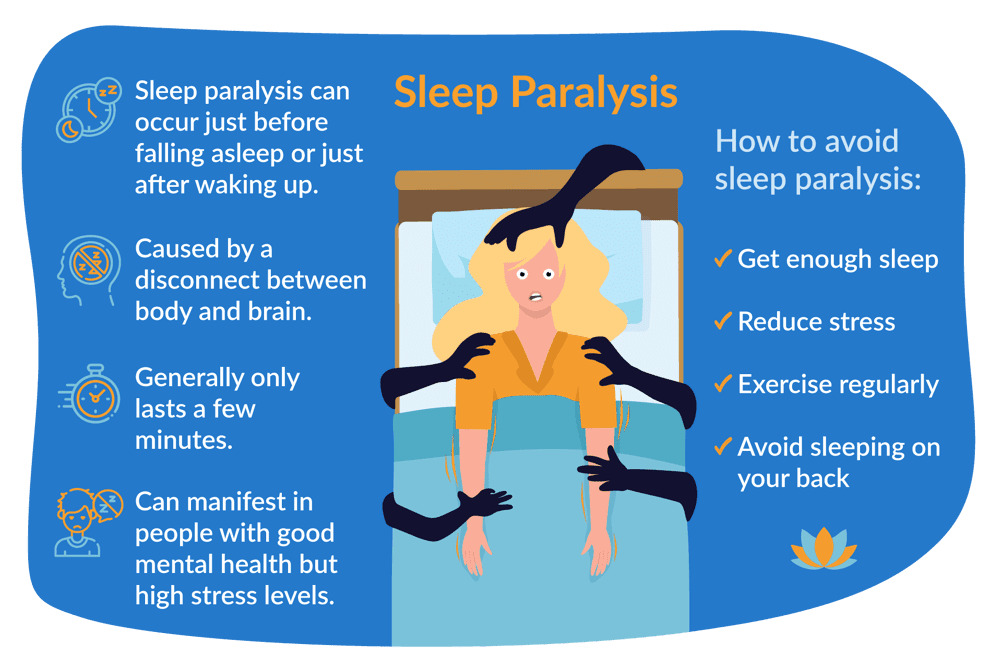
While sleep paralysis has been historically associated with supernatural beliefs, modern medicine and science offer a more rational explanation for this phenomenon. Understanding the physiological and neurological basis of sleep paralysis can help demystify the experience and provide individuals with a more grounded understanding of what they are experiencing.
Demystifying Sleep Paralysis Through Research and Studies
Advances in sleep science and research have shed light on the underlying mechanisms of sleep paralysis. By examining the physiological and neurological processes involved in sleep paralysis, researchers have made significant strides in understanding this phenomenon and developing effective treatment options.
Neurological Basis of Sleep Paralysis
Studies have shown that sleep paralysis is linked to disruptions in the normal functioning of the brainstem and areas of the brain responsible for regulating sleep and wake cycles. In particular, abnormalities in neurotransmitters such as serotonin and dopamine may play a role in the occurrence of sleep paralysis.
Sleep Disorders and Sleep Paralysis
Research has also revealed a strong correlation between certain sleep disorders, such as narcolepsy, and the occurrence of sleep paralysis. Individuals with narcolepsy are more likely to experience episodes of sleep paralysis, highlighting the complex interplay between sleep disturbances and paralysis.
Treatment and Management Strategies
While there is no definitive cure for sleep paralysis, various treatment and management strategies can help reduce the frequency and severity of episodes. Cognitive-behavioral therapy, medication, and lifestyle modifications are commonly recommended approaches for individuals experiencing recurrent sleep paralysis.
Conclusion
In conclusion, understanding the causes behind sleep paralysis can help individuals demystify this phenomenon and take steps to prevent and manage episodes. By addressing factors such as sleep deprivation, stress, sleep position, and underlying sleep disorders, individuals can reduce the likelihood of experiencing sleep paralysis and improve their overall sleep quality. Additionally, exploring the cultural and historical beliefs surrounding sleep paralysis can provide valuable insights into how different societies have interpreted this experience throughout history. Through continued research and understanding, the causes behind sleep paralysis can be further elucidated, leading to more effective treatment options and support for individuals experiencing this phenomenon.