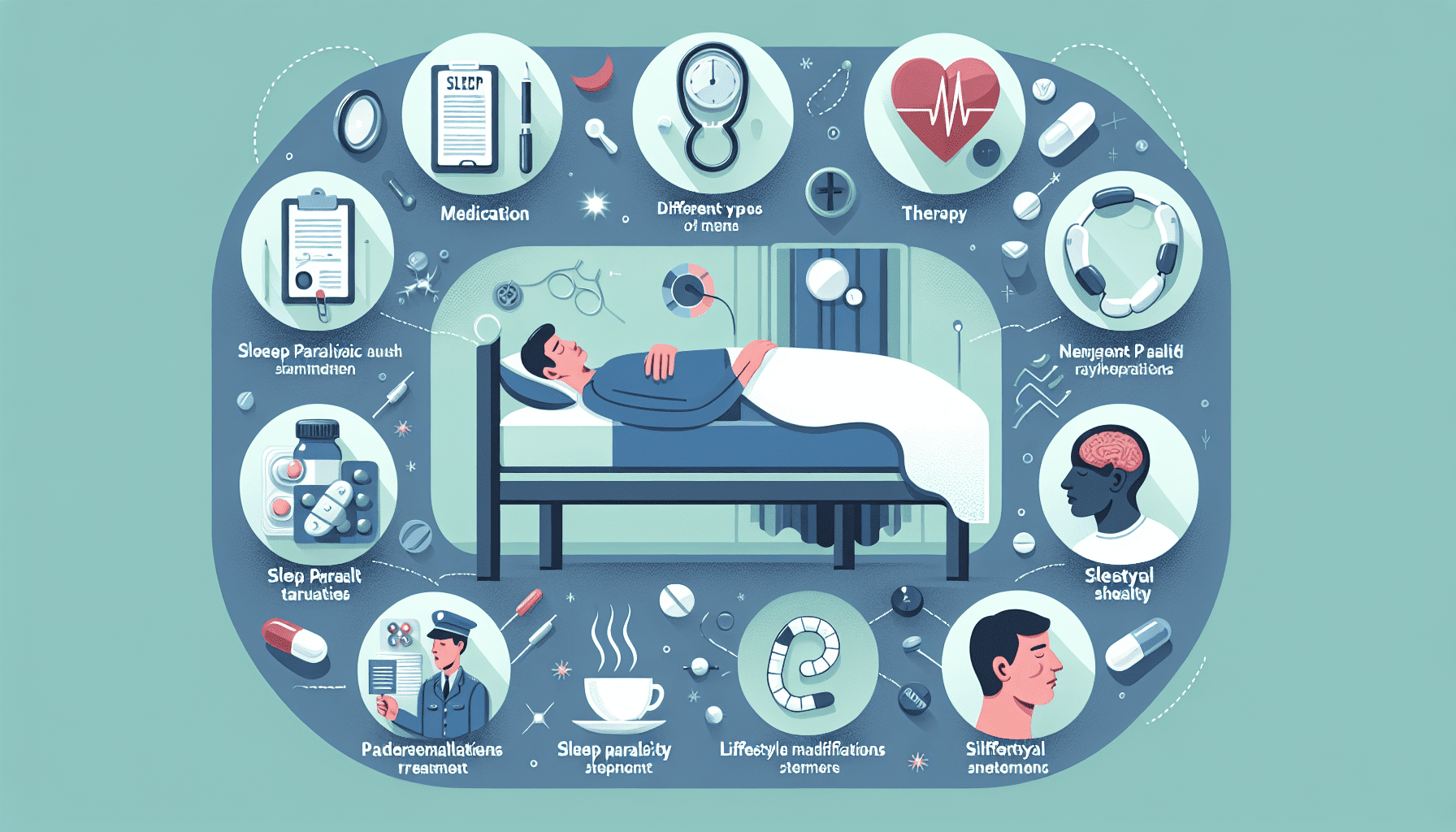
Understanding Sleep Paralysis Treatment Options
Have you ever experienced that frightening feeling when you’re awake but unable to move? Sleep paralysis can be a terrifying experience, but there are treatment options available to help manage and prevent its occurrence.

What is Sleep Paralysis?
Sleep paralysis is a phenomenon that occurs when your mind is awake, but your body is still in the state of sleep. This can last for a few seconds to a few minutes, during which you may feel like you are unable to move or speak. It often happens when falling asleep or waking up.
Causes of Sleep Paralysis
There are several factors that can contribute to the occurrence of sleep paralysis. Stress, irregular sleep patterns, bipolar disorder, and sleep disorders such as narcolepsy are some common causes. Understanding the underlying cause of your sleep paralysis can help in finding the most effective treatment option.
Lifestyle Changes
One of the first steps in managing sleep paralysis is making lifestyle changes that promote better sleep hygiene. This includes establishing a regular sleep schedule, creating a relaxing bedtime routine, avoiding stimulants like caffeine before bed, and creating a comfortable sleep environment.
Making these changes can help improve the quality of your sleep and reduce the likelihood of experiencing sleep paralysis episodes.
Cognitive Behavioral Therapy
Cognitive Behavioral Therapy (CBT) can be a beneficial treatment option for individuals experiencing sleep paralysis. This type of therapy focuses on changing negative thought patterns and behaviors that may contribute to sleep issues.
Through CBT, you can learn relaxation techniques, stress management strategies, and coping mechanisms to help reduce the frequency and intensity of sleep paralysis episodes.

Medications
In some cases, medications may be prescribed to help manage sleep paralysis. These may include antidepressants, anti-anxiety medications, or sleep aids. It is essential to consult with a healthcare professional before starting any medication to determine the most suitable option for your specific needs.
It’s important to note that while medications can be helpful in some cases, they may not address the underlying causes of sleep paralysis.
Sleep Hygiene
Improving your sleep hygiene is crucial in managing sleep paralysis. This involves creating a conducive sleep environment, maintaining a regular sleep schedule, and avoiding stimulants and electronic devices before bed.
By making these changes, you can promote better sleep quality, which may help reduce the frequency and severity of sleep paralysis episodes.

Relaxation Techniques
Practicing relaxation techniques can help reduce stress and anxiety, which are common triggers for sleep paralysis. Techniques such as deep breathing, meditation, and progressive muscle relaxation can help calm your mind and body before bedtime.
Incorporating these relaxation techniques into your daily routine can promote better sleep and decrease the likelihood of experiencing sleep paralysis.
Sleep Position
Your sleeping position can also play a significant role in the occurrence of sleep paralysis episodes. Sleeping on your back can increase the likelihood of experiencing sleep paralysis, as it can lead to breathing difficulties and muscle relaxation.
If you frequently experience sleep paralysis, try sleeping on your side instead. This can help reduce the chances of an episode occurring during the night.
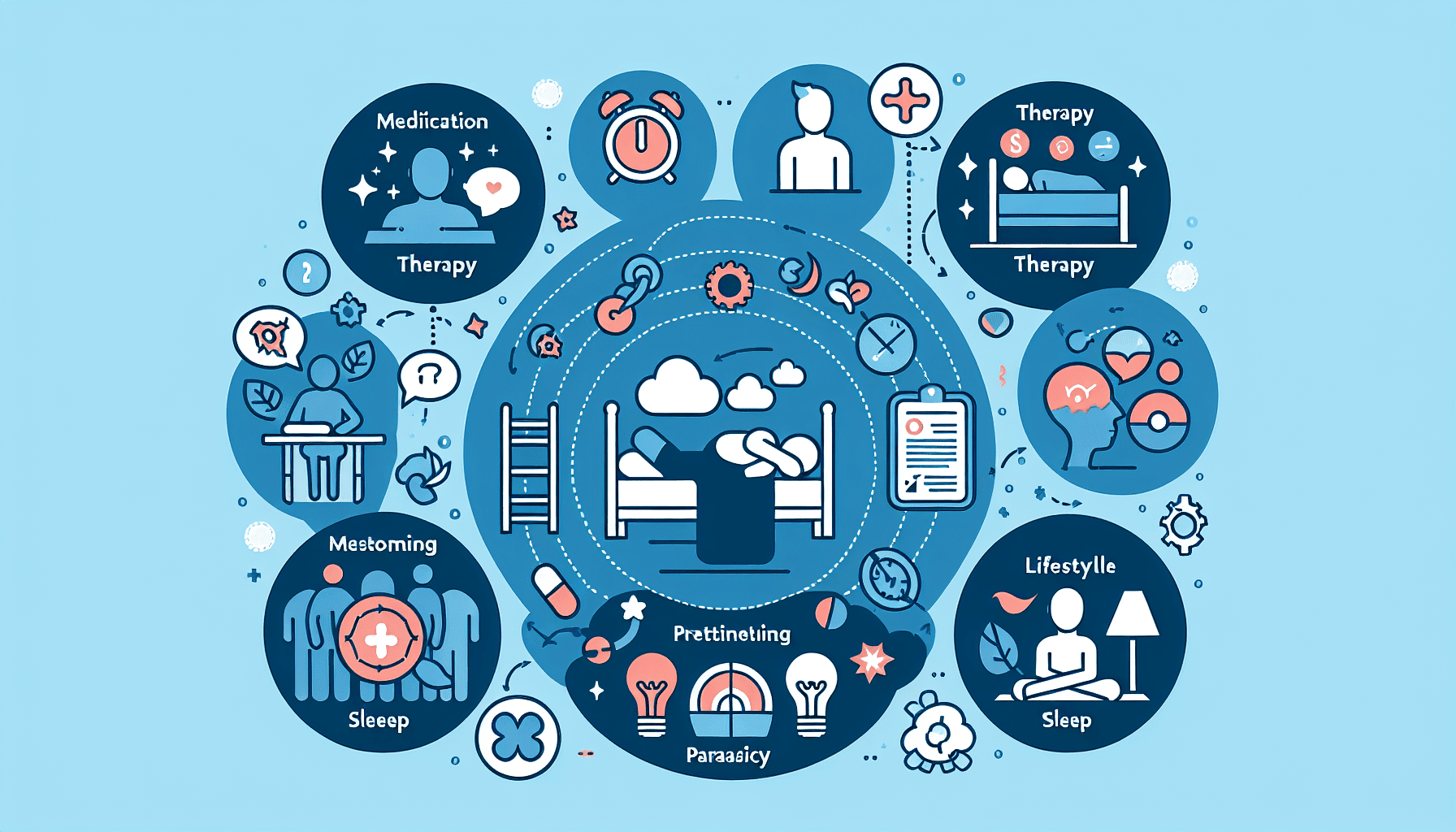
Seeking Professional Help
If you continue to experience sleep paralysis despite making lifestyle changes and implementing treatment options, it may be beneficial to seek professional help. A sleep specialist can evaluate your symptoms, conduct tests if necessary, and provide tailored treatment recommendations.
Don’t hesitate to reach out to a healthcare provider if you’re struggling with sleep paralysis. They can help identify the underlying causes and create a personalized treatment plan to address your specific needs.
Conclusion
Sleep paralysis can be a distressing experience, but there are various treatment options available to help manage and prevent its occurrence. From lifestyle changes to therapy and medications, finding the right approach for you is essential in improving your sleep quality and overall well-being.
By understanding the causes of sleep paralysis and exploring different treatment options, you can take control of your sleep and reduce the impact of this phenomenon on your life. Remember, you’re not alone in this, and support is available to help you overcome sleep paralysis.