In this article, you will delve into the fascinating world of sleep paralysis and explore the underlying root causes of this unsettling phenomenon. You will examine the intricate relationship between the brain and body during sleep, as well as the potential psychological and physiological factors that contribute to episodes of sleep paralysis. By uncovering the root causes of sleep paralysis, you will gain a deeper understanding of this mysterious condition and how it can be effectively managed and treated. Have you ever woken up in the middle of the night unable to move, feeling like a heavy weight is pressing down on your chest? If so, you may have experienced sleep paralysis. This phenomenon is not only terrifying but also a mysterious occurrence that has puzzled scientists and researchers for years. In this article, we will delve deep into the root causes of sleep paralysis to uncover the underlying factors that contribute to this perplexing condition.

Understanding Sleep Paralysis
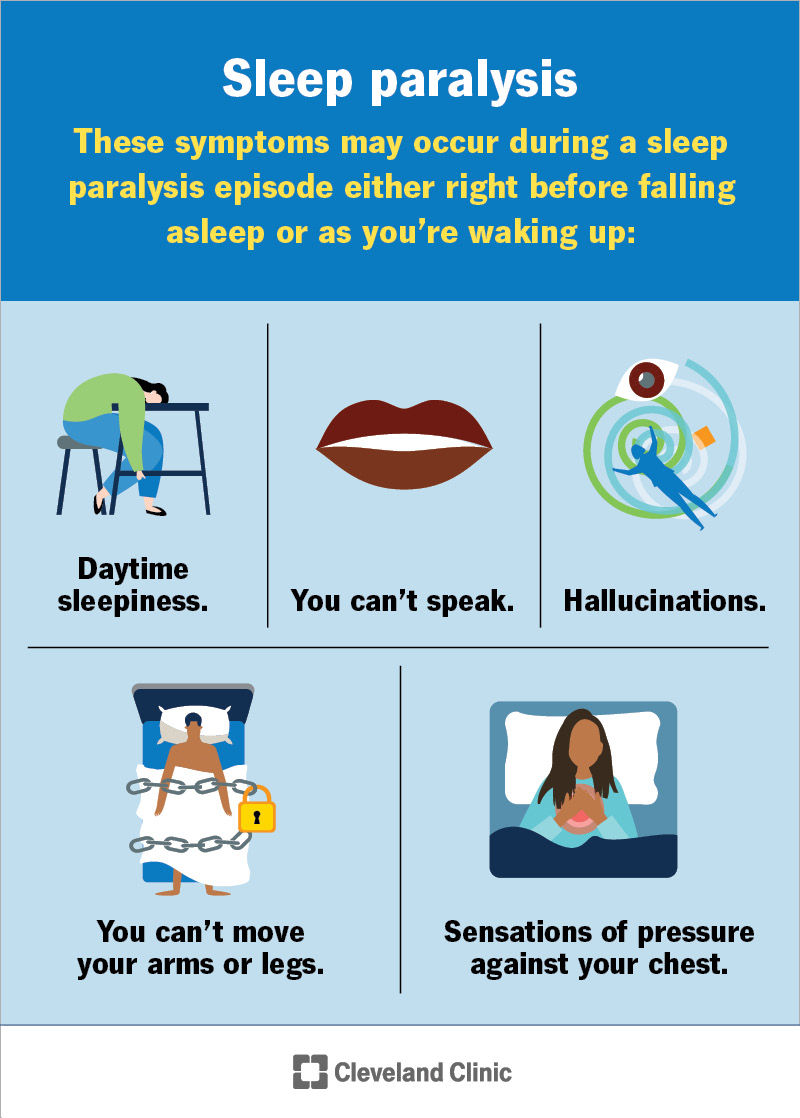
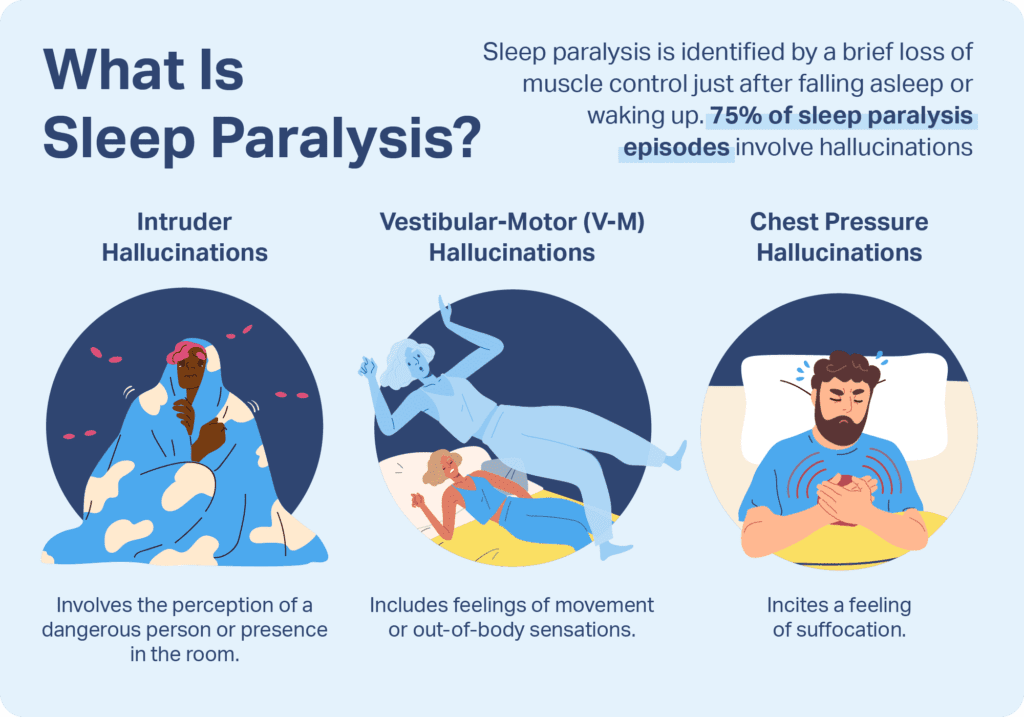
Sleep paralysis is a phenomenon that occurs when a person either falls asleep or wakes up and finds themselves unable to move or speak for a few seconds to a few minutes. During an episode of sleep paralysis, individuals may also experience hallucinations, feelings of pressure on their chest, or a sense of impending doom. This eerie experience can be quite distressing and can lead to significant levels of anxiety and fear.
The Biology of Sleep Paralysis
Sleep paralysis is closely related to REM (rapid eye movement) sleep, a stage of sleep where most dreaming occurs. During REM sleep, the brain is active, but the body’s muscles are paralyzed to prevent individuals from acting out their dreams. In some cases, when a person wakes up during REM sleep, they may experience sleep paralysis because their brain has not yet turned off the muscle paralysis that accompanies this stage of sleep.
Understanding the biology of sleep paralysis can shed light on why this phenomenon occurs and what factors contribute to its manifestation. By studying the brain’s activity during sleep, researchers have been able to uncover some of the root causes of sleep paralysis.
Factors Contributing to Sleep Paralysis
While sleep paralysis can happen to anyone, certain factors may increase the likelihood of experiencing this unsettling phenomenon. Let’s explore some of the common factors that contribute to the occurrence of sleep paralysis.
Genetics
Research suggests that genetics may play a role in predisposing individuals to sleep paralysis. Studies have shown that individuals with a family history of sleep disorders may be more likely to experience sleep paralysis themselves. This genetic link points to a possible hereditary component that influences the occurrence of this condition.
Sleep Deprivation
Lack of sleep or irregular sleep patterns can disrupt the body’s natural sleep-wake cycle, making individuals more susceptible to sleep paralysis. Sleep deprivation can also affect the quality of REM sleep, increasing the likelihood of experiencing episodes of sleep paralysis.
Stress and Anxiety
High levels of stress and anxiety can trigger episodes of sleep paralysis in some individuals. Emotional distress can disrupt the brain’s ability to regulate sleep cycles properly, leading to disturbances in the sleep-wake cycle that can result in sleep paralysis.
Substance Use
The use of certain substances, such as alcohol, caffeine, or drugs, can interfere with normal sleep patterns and increase the likelihood of experiencing sleep paralysis. These substances can disrupt the brain’s neurotransmitter balance, affecting the quality of sleep and contributing to episodes of sleep paralysis.
Sleep Disorders
Underlying sleep disorders, such as narcolepsy or sleep apnea, can increase the risk of experiencing sleep paralysis. These conditions can disrupt normal sleep patterns and interfere with the brain’s ability to regulate REM sleep, leading to episodes of sleep paralysis.
Treatment and Management of Sleep Paralysis
While sleep paralysis can be a terrifying experience, there are ways to manage and reduce the occurrence of episodes. Let’s explore some of the treatment options and strategies that can help individuals cope with sleep paralysis.
Improve Sleep Hygiene
Establishing a regular sleep schedule, creating a relaxing bedtime routine, and optimizing your sleep environment can help improve the quality of your sleep and reduce the likelihood of experiencing sleep paralysis. Practicing good sleep hygiene can promote healthy sleep patterns and contribute to a more restful night’s sleep.
Manage Stress and Anxiety
Finding ways to manage stress and anxiety, such as practicing relaxation techniques, mindfulness, or therapy, can help reduce the occurrence of sleep paralysis. By addressing underlying emotional issues, individuals can improve their sleep quality and reduce the impact of stress on their sleep-wake cycle.
Avoid Stimulants and Substances
Limiting the intake of stimulants, such as caffeine or nicotine, and avoiding the use of substances that can disrupt sleep, such as alcohol or drugs, can help reduce the risk of experiencing sleep paralysis. These substances can interfere with the brain’s ability to regulate sleep, leading to disturbances in the sleep-wake cycle that can trigger episodes of sleep paralysis.
Seek Medical Treatment
If sleep paralysis persists and significantly impacts your quality of life, it may be beneficial to seek medical treatment. A healthcare provider can conduct a thorough evaluation to rule out underlying sleep disorders or other medical conditions that may be contributing to the occurrence of sleep paralysis. In some cases, medication or therapy may be recommended to help manage episodes of sleep paralysis.

Conclusion
In conclusion, sleep paralysis is a complex phenomenon that can be distressing and frightening for those who experience it. By understanding the root causes of sleep paralysis and exploring the factors that contribute to its occurrence, individuals can gain insight into this mysterious condition and learn how to manage and reduce the impact of sleep paralysis on their lives. Through effective treatment strategies and lifestyle modifications, individuals can improve their sleep quality and reduce the likelihood of experiencing episodes of sleep paralysis. By shedding light on this enigmatic phenomenon, we can help individuals navigate the challenges of sleep paralysis and achieve restful and rejuvenating sleep.