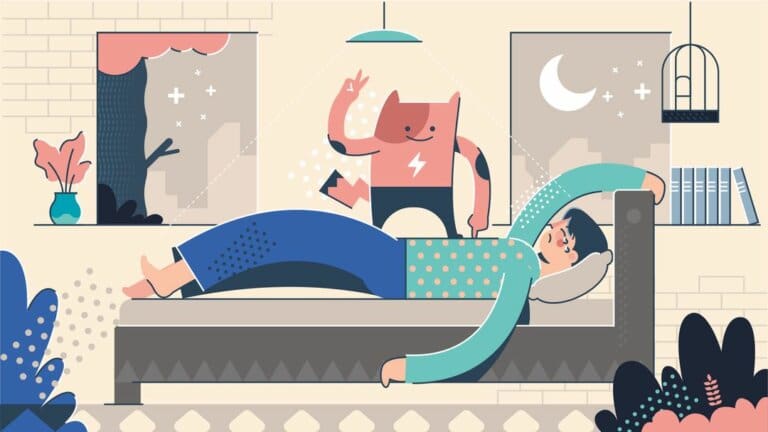
Have you ever experienced sleep paralysis? It can be a terrifying experience, leaving you feeling helpless and scared. If you are looking for ways to treat sleep paralysis, consider cognitive behavioral therapy (CBT). In this article, we will explore how CBT can help you overcome sleep paralysis and get a better night’s sleep.
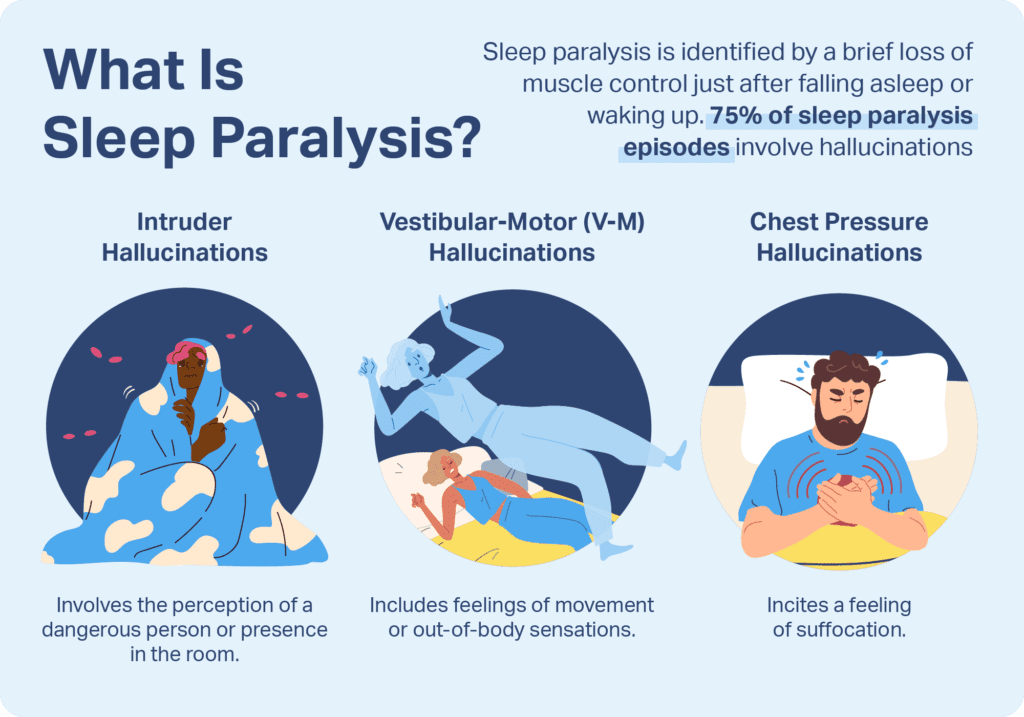
What is Sleep Paralysis?
Sleep paralysis is a phenomenon in which a person is temporarily unable to move or speak while falling asleep or waking up. It occurs when the brain wakes up during REM (rapid eye movement) sleep, which is the stage of sleep when vivid dreams occur. During REM sleep, your body is typically paralyzed to prevent you from acting out your dreams. However, in sleep paralysis, this paralysis continues even after you have woken up, leading to a feeling of being trapped in your own body.
It’s important to note that sleep paralysis is a relatively common experience and is not considered dangerous. However, it can be distressing and disruptive to your sleep patterns.
How Does Cognitive Behavioral Therapy Work?
Cognitive Behavioral Therapy (CBT) is a type of psychotherapy that focuses on changing negative thought patterns and behaviors. It is commonly used to treat various mental health conditions, such as anxiety and depression. When it comes to treating sleep paralysis, CBT can be effective in addressing the underlying fears and anxieties that may contribute to the experience.
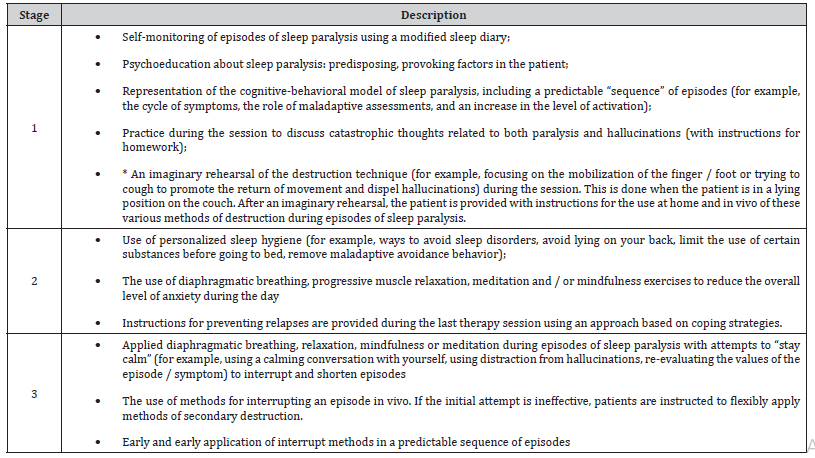
CBT for sleep paralysis typically involves identifying and challenging negative beliefs about sleep paralysis, learning relaxation techniques to reduce anxiety, and improving sleep hygiene practices. The goal of CBT is to help you feel more in control of your thoughts and emotions, reducing the frequency and intensity of sleep paralysis episodes.
Identifying Negative Thought Patterns
One of the key components of CBT for sleep paralysis is identifying and challenging negative thought patterns related to the experience. Many people with sleep paralysis may have irrational beliefs about the phenomenon, such as believing that they are in danger or that they are being attacked by a malevolent presence.
By working with a therapist, you can learn to recognize these negative thought patterns and replace them with more rational and positive beliefs. This can help you feel less anxious and fearful when experiencing sleep paralysis, ultimately reducing the impact it has on your overall well-being.
Relaxation Techniques
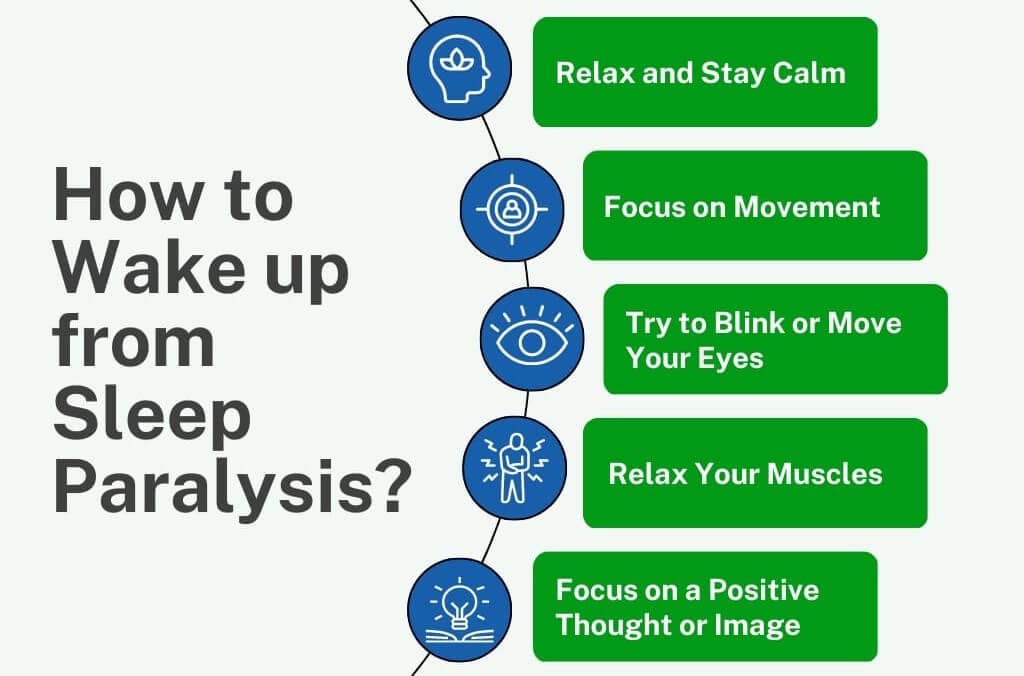
Learning relaxation techniques is another important aspect of CBT for sleep paralysis. Anxiety and stress can contribute to the likelihood of experiencing sleep paralysis, so finding ways to calm your mind and body can be beneficial in reducing the frequency of episodes.
Some common relaxation techniques that may be helpful include deep breathing exercises, progressive muscle relaxation, and visualization techniques. By practicing these techniques regularly, you can train your body to relax more easily, making it less likely that you will experience sleep paralysis.
Improving Sleep Hygiene Practices
Sleep hygiene refers to a set of habits and practices that promote good sleep quality. Poor sleep hygiene can contribute to sleep problems, including sleep paralysis. As part of CBT for sleep paralysis, a therapist may work with you to improve your sleep hygiene practices to support better sleep overall.
Some tips for improving sleep hygiene include maintaining a consistent sleep schedule, creating a relaxing bedtime routine, and avoiding stimulants like caffeine and electronics before bed. By making these changes, you can create a sleep-friendly environment that may help reduce the occurrence of sleep paralysis.
Tracking Sleep Patterns
Keeping track of your sleep patterns can be a helpful tool in identifying triggers for sleep paralysis episodes. By recording when and how often you experience sleep paralysis, as well as any factors that may have contributed to it (such as stress or poor sleep hygiene), you can gain insights into the patterns and trends surrounding your sleep paralysis.
| Day | Time of Sleep Paralysis Episode | Triggers | Duration |
|---|---|---|---|
| 1 | 3:00 AM | Stress | 1 minute |
| 3 | 4:30 AM | Poor Sleep Hygiene | 2 minutes |
| 5 | 2:45 AM | Anxiety | 1 minute |
By tracking your sleep patterns, you can work with your therapist to develop strategies for managing and reducing the frequency of sleep paralysis episodes. This can be a valuable tool in your journey to better sleep.

Creating a Sleep-Friendly Environment
Your sleep environment plays a crucial role in the quality of your sleep. Creating a sleep-friendly environment can help you feel more comfortable and relaxed at bedtime, making it easier to fall asleep and stay asleep throughout the night. As part of CBT for sleep paralysis, a therapist may work with you to optimize your sleep environment for better sleep quality.
Some tips for creating a sleep-friendly environment include keeping your bedroom cool, dark, and quiet, investing in a comfortable mattress and pillows, and removing distractions like electronics from your bedroom. By making these changes, you can set yourself up for a more restful night’s sleep, reducing the likelihood of experiencing sleep paralysis.
Setting Realistic Goals
Setting realistic goals is an essential part of any CBT treatment plan. When it comes to treating sleep paralysis, it’s important to set achievable goals that can help you track your progress and stay motivated throughout the process. Your therapist can work with you to develop SMART (Specific, Measurable, Achievable, Relevant, Time-bound) goals that are tailored to your individual needs and circumstances.
Some examples of realistic goals for treating sleep paralysis with CBT might include reducing the frequency of sleep paralysis episodes by 50% within three months, improving your sleep hygiene practices by following a consistent bedtime routine every night, or learning to use relaxation techniques to calm your mind and body before bed. By setting specific goals and tracking your progress, you can stay focused on your journey to better sleep.
Seeking Support
Dealing with sleep paralysis can be challenging, and it’s important to remember that you don’t have to face it alone. Seeking support from a therapist or counselor can provide you with the guidance, encouragement, and tools you need to overcome sleep paralysis and improve your sleep quality. A therapist can work with you to develop a personalized treatment plan that addresses your specific needs and goals, helping you feel more confident and in control of your sleep.
In addition to professional support, it can also be helpful to connect with others who have experienced sleep paralysis. Online support groups and forums can provide a sense of community and understanding, allowing you to share your experiences, learn from others, and gain valuable insights into managing and overcoming sleep paralysis.
Conclusion
Sleep paralysis can be a distressing experience, but it is possible to overcome it with the right treatment approach. Cognitive Behavioral Therapy (CBT) is an effective treatment option for addressing the underlying fears and anxieties that may contribute to sleep paralysis. By working with a therapist to identify negative thought patterns, learn relaxation techniques, and improve sleep hygiene practices, you can reduce the frequency and intensity of sleep paralysis episodes, ultimately improving your sleep quality and overall well-being.
Remember, you are not alone in your journey to better sleep. Seek support, set realistic goals, and stay committed to your treatment plan. With dedication and perseverance, you can overcome sleep paralysis and enjoy a restful night’s sleep once again.