
The Influence Of Environmental Factors On Sleep Paralysis Experiences
Have you ever experienced sleep paralysis? If so, you may have wondered what environmental factors could be contributing to these unsettling episodes. In this article, we will explore how various environmental factors can influence sleep paralysis experiences and what you can do to minimize their impact on your sleep.
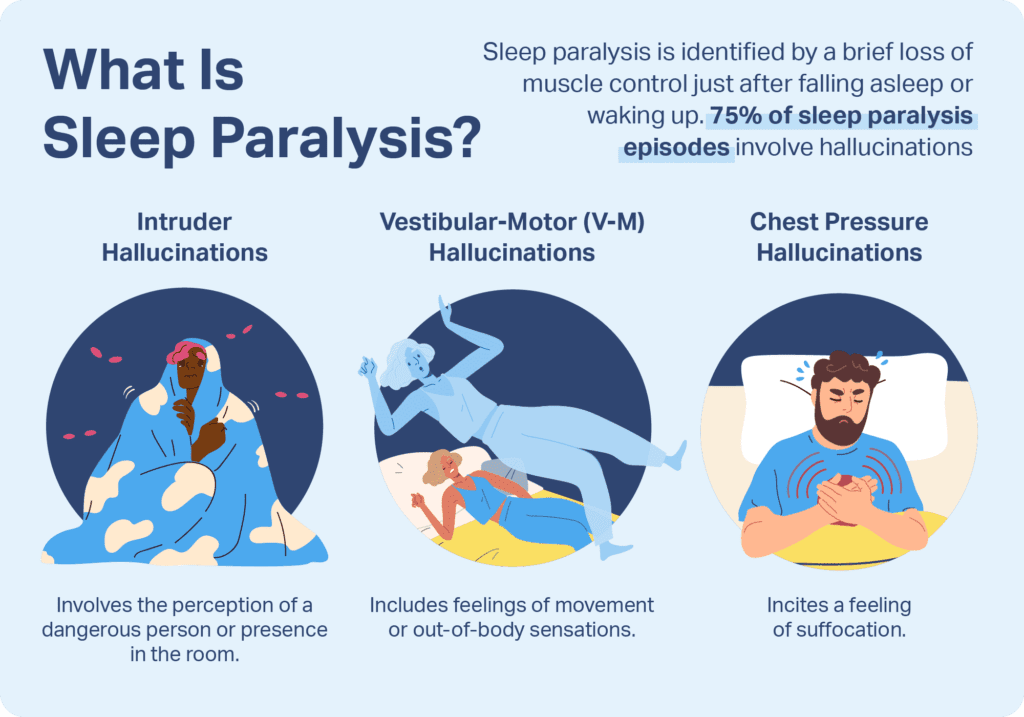
What is Sleep Paralysis?
Sleep paralysis is a temporary inability to move or speak that occurs when you are waking up or falling asleep. It is often accompanied by a feeling of pressure on the chest, difficulty breathing, and intense fear. While sleep paralysis is not harmful in itself, it can be a frightening and distressing experience for those who have it.
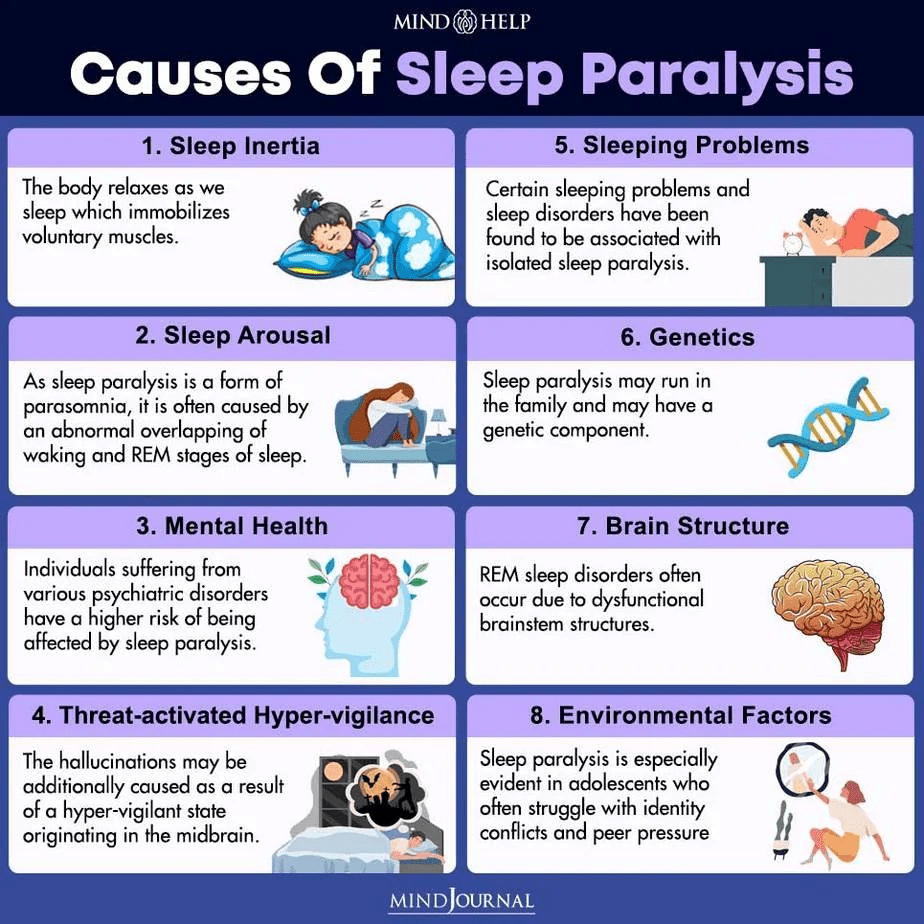
If you have ever experienced sleep paralysis, you are not alone. It is estimated that up to 8% of the population will experience sleep paralysis at some point in their lives. While the exact cause of sleep paralysis is not fully understood, researchers believe that a combination of genetic, environmental, and neurological factors play a role in its occurrence.
Genetic Factors
Genetics may play a role in determining who is more likely to experience sleep paralysis. Studies have shown that individuals with a family history of sleep paralysis are more likely to have episodes themselves. This suggests that there may be a genetic predisposition to experiencing sleep paralysis.
If you have a family history of sleep paralysis, you may be more susceptible to experiencing episodes yourself. While genetics cannot be changed, there are steps you can take to minimize the impact of environmental factors on your sleep paralysis experiences.
Environmental Factors
Environmental factors can also play a significant role in the occurrence of sleep paralysis. These factors can include:
-
Sleep Position: Sleeping on your back can increase the likelihood of experiencing sleep paralysis. This is because sleeping on your back can lead to increased pressure on the chest, making it more difficult to breathe and potentially triggering an episode of sleep paralysis.
-
Sleep Environment: The quality of your sleep environment can also influence your likelihood of experiencing sleep paralysis. Factors such as noise, light levels, and temperature can all impact your ability to fall asleep and stay asleep, increasing the likelihood of sleep paralysis episodes.
-
Stress and Anxiety: High levels of stress and anxiety can increase the likelihood of experiencing sleep paralysis. Stress can disrupt your sleep cycles, making it more likely that you will experience an episode of sleep paralysis during the night.
-
Sleep Deprivation: Not getting enough sleep can also increase the likelihood of experiencing sleep paralysis. Sleep deprivation can disrupt your sleep cycles, leading to an increased risk of experiencing episodes of sleep paralysis.
Sleep Position
As mentioned earlier, sleep position can have a significant impact on the occurrence of sleep paralysis episodes. Sleeping on your back is often associated with a higher likelihood of experiencing sleep paralysis due to the increased pressure on the chest that can occur in this position.
If you find that you are more likely to experience sleep paralysis when sleeping on your back, try sleeping on your side instead. This can help to reduce the pressure on your chest and make it less likely that you will experience an episode of sleep paralysis.
Sleep Environment
Creating a sleep environment that is conducive to restful sleep can help to minimize the occurrence of sleep paralysis episodes. Factors to consider when optimizing your sleep environment include:
-
Noise Levels: Try to minimize noise in your sleep environment by using earplugs or a white noise machine. Noise can disrupt your sleep and increase the likelihood of experiencing sleep paralysis.
-
Light Levels: Keep your sleep environment as dark as possible to promote restful sleep. Exposure to light can disrupt your circadian rhythms and make it harder to fall asleep, increasing the risk of sleep paralysis.
-
Temperature: Keep your sleep environment at a comfortable temperature to promote restful sleep. A room that is too hot or too cold can disrupt your sleep and increase the likelihood of experiencing sleep paralysis.
-
Comfort: Invest in a comfortable mattress and pillows to ensure that you are getting restful sleep. Discomfort can make it harder to fall asleep and stay asleep, increasing the risk of sleep paralysis.

Stress and Anxiety
High levels of stress and anxiety can increase the likelihood of experiencing sleep paralysis episodes. Managing stress and anxiety can help to reduce the frequency of episodes and improve the quality of your sleep. Some strategies for reducing stress and anxiety include:
-
Meditation: Practicing meditation can help to calm your mind and reduce stress levels. Try incorporating meditation into your daily routine to see if it helps to reduce the frequency of sleep paralysis episodes.
-
Exercise: Regular exercise can help to reduce stress and anxiety levels, making it less likely that you will experience episodes of sleep paralysis. Try to incorporate physical activity into your daily routine to see if it helps to improve the quality of your sleep.
-
Therapy: If you are struggling to manage stress and anxiety on your own, consider seeking therapy. A therapist can help you identify the underlying causes of your stress and anxiety and develop strategies for managing them more effectively.
Sleep Deprivation
Not getting enough sleep can increase the likelihood of experiencing sleep paralysis episodes. To reduce the risk of sleep paralysis, aim to get 7-9 hours of sleep per night. Some tips for improving the quality of your sleep include:
-
Establish a bedtime routine: Establishing a consistent bedtime routine can help to signal to your body that it is time to sleep. Try to go to bed and wake up at the same time every day to regulate your sleep cycles.
-
Limit screen time: The blue light emitted by screens can disrupt your circadian rhythms and make it harder to fall asleep. Try to limit screen time in the hours leading up to bedtime to improve the quality of your sleep.
-
Avoid caffeine and alcohol: Caffeine and alcohol can interfere with your sleep cycles, making it harder to fall asleep and stay asleep. Try to avoid consuming these substances in the hours leading up to bedtime to improve the quality of your sleep.
By taking steps to optimize your sleep environment, manage stress and anxiety, and prioritize getting enough sleep, you can reduce the likelihood of experiencing sleep paralysis episodes. While sleep paralysis can be a frightening experience, understanding the environmental factors that can influence it can help you take control of your sleep and minimize its impact on your overall well-being.
Remember, if you continue to experience sleep paralysis episodes despite making changes to your sleep environment and managing stress and anxiety, it may be helpful to consult with a healthcare professional for further guidance and support.
Sweet dreams!
