
Imagine waking up in the middle of the night, unable to move a muscle, trapped in your own body. This eerie experience is known as sleep paralysis, a phenomenon that affects countless individuals worldwide. But what if I told you that sleep paralysis not only affects your physical body but also has a profound impact on your confidence and self-worth? In this article, we will explore the relationship between sleep paralysis and these crucial aspects of our personal lives, shedding light on a subject that is often shrouded in mystery. Brace yourself as we delve into the fascinating world of sleep paralysis and its hidden effects on the human psyche.
Understanding Sleep Paralysis
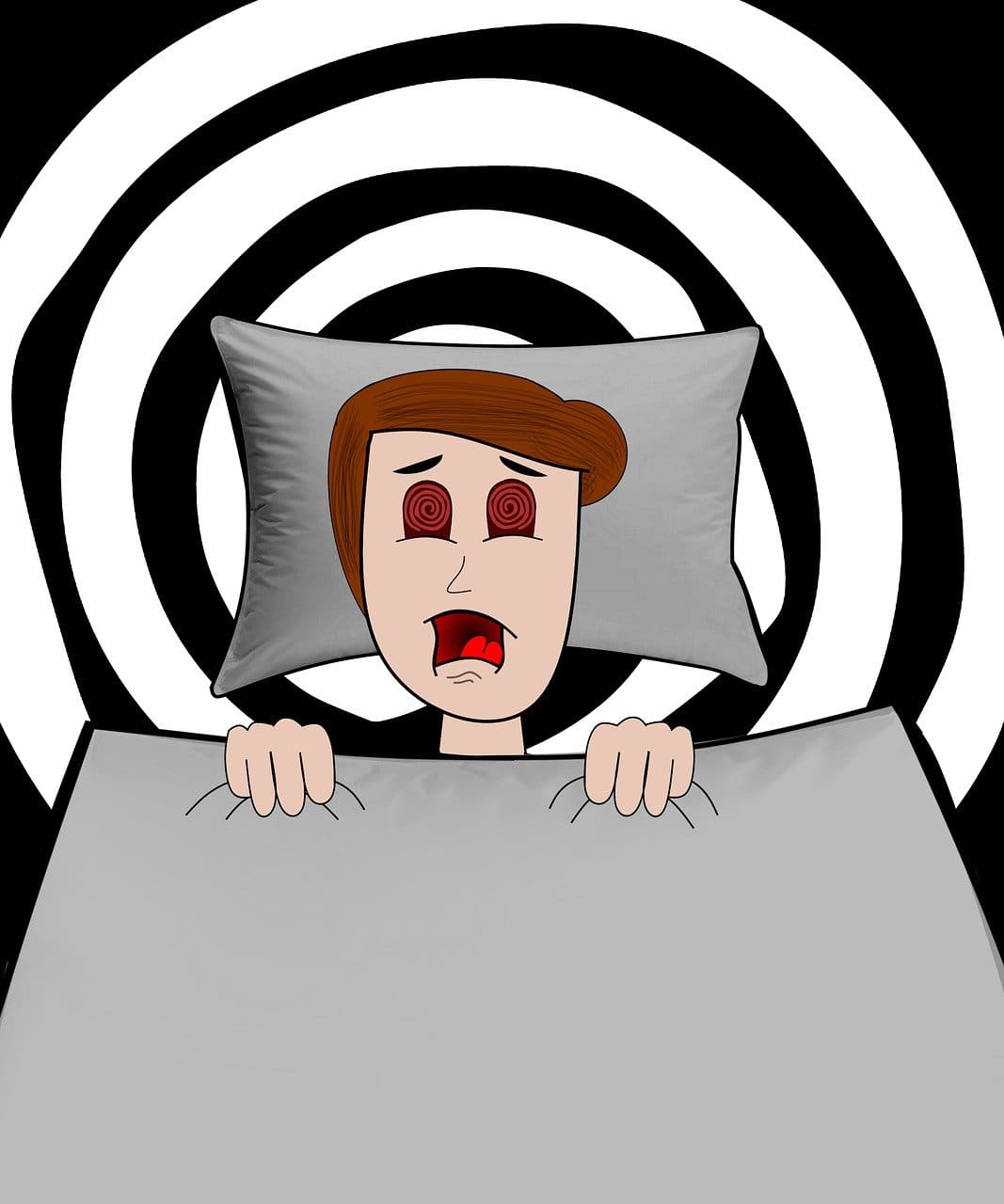
Sleep paralysis is a phenomenon that occurs during the transition between sleep and wakefulness. It is characterized by a brief period of muscle paralysis, where individuals find themselves unable to move or speak. It can be a terrifying experience, often accompanied by hallucinations and a sense of pressure on the chest.
Causes of Sleep Paralysis
Sleep paralysis is believed to be caused by a disruption in the normal sleep cycle. It is most commonly associated with rapid eye movement (REM) sleep, which is the stage of sleep where dreaming occurs. During REM sleep, the muscles are naturally paralyzed to prevent individuals from acting out their dreams. In sleep paralysis, this paralysis continues even after waking up.
Other factors that can contribute to sleep paralysis include sleep deprivation, irregular sleep patterns, and stress. It has also been linked to certain sleep disorders, such as narcolepsy and sleep apnea.
Prevalence of Sleep Paralysis
Sleep paralysis is more common than most people realize. Studies have shown that approximately 8% of the general population experiences sleep paralysis at some point in their lives. It tends to occur more frequently in individuals who have a history of other sleep disorders or mental health conditions.
Symptoms of Sleep Paralysis
The most notable symptom of sleep paralysis is the inability to move or speak, despite being mentally awake. Other common symptoms include a feeling of pressure on the chest, difficulty breathing, and hallucinations. These hallucinations can range from vivid and frightening images to a sense of a presence in the room.
Sleep paralysis episodes typically last for a few seconds to a few minutes, but they can feel much longer to the individual experiencing them. They often occur upon waking up or falling asleep.
Impact of Sleep Paralysis on Mental Well-being
Sleep paralysis can have a significant impact on an individual’s mental well-being. The experience of being unable to move or speak can cause psychological distress and lead to feelings of helplessness and vulnerability. This can in turn contribute to anxiety and depression.
Psychological Distress
Sleep paralysis can be an incredibly distressing experience. Waking up to find oneself unable to move or speak can trigger feelings of panic and fear. The accompanying hallucinations can intensify these feelings and create a sense of being trapped or threatened.
Effect on Anxiety and Depression
Research has shown a strong link between sleep paralysis and anxiety and depression. The fear and uncertainty associated with sleep paralysis can heighten anxiety levels, while the sense of helplessness and vulnerability can contribute to feelings of depression.
Impaired Quality of Sleep
Sleep paralysis can disrupt the normal sleep patterns and lead to sleep disturbances. The fear of experiencing another episode can cause individuals to avoid sleep or develop insomnia. This can result in a chronic lack of quality sleep, which can further exacerbate mental health issues.
Influence on Daily Functioning
The impact of sleep paralysis extends beyond the confines of sleep. The fear and anxiety surrounding sleep paralysis can spill over into everyday life, affecting an individual’s ability to concentrate, perform at work or school, and engage in social activities. It can lead to a decreased quality of life and hinder personal growth.
Confidence and Self-Worth: An Overview
Confidence is the belief in oneself and one’s abilities, while self-worth refers to an individual’s sense of value and self-esteem. They are essential elements of mental well-being and play a crucial role in one’s overall happiness and success.
Definition of Confidence
Confidence is the belief in one’s own abilities and qualities. It is the trust and assurance that one can successfully face life’s challenges and navigate through various situations.
Importance of Self-Worth
Self-worth is the perception and value one places on oneself. It encompasses an individual’s beliefs about their worthiness, deservingness, and overall value as a person. Self-worth is closely tied to self-esteem and has a significant impact on one’s mental health and quality of life.
Factors Influencing Confidence and Self-Worth
Confidence and self-worth are shaped by a variety of factors, including personal experiences, upbringing, societal influences, and individual traits. Positive experiences, supportive relationships, and a healthy self-image can contribute to higher levels of confidence and self-worth. On the other hand, negative experiences, criticism, and self-doubt can erode confidence and self-worth.
The Relationship Between Sleep Paralysis and Confidence
Sleep paralysis can have a negative impact on an individual’s confidence and self-worth. The symptoms and psychological distress associated with sleep paralysis can lead to self-doubt, insecurity, and a fear of judgment.
Negative Impact on Confidence
Experiencing sleep paralysis can be highly unsettling and frightening. The inability to move or speak during these episodes can leave individuals feeling powerless and vulnerable. This can erode their confidence and create a sense of dependency on others.
Self-Doubt and Insecurity
Sleep paralysis can trigger self-doubt and insecurity. The fear and uncertainty surrounding the episodes can lead individuals to question their own abilities and capabilities. They may start to doubt themselves and their capacity to handle challenging situations, both during sleep paralysis episodes and in daily life.
Fear and Avoidance Behaviors
The fear of experiencing another sleep paralysis episode can lead to avoidance behaviors. Individuals may avoid certain sleep positions or try to stay awake for extended periods to prevent the occurrence of sleep paralysis. These avoidance behaviors can further reinforce feelings of fear and insecurity, impacting one’s confidence.
Limitations in Personal Growth
Sleep paralysis can hinder personal growth and development. The fear and anxiety associated with sleep paralysis can prevent individuals from taking risks, trying new things, or pursuing their goals. This can result in missed opportunities and a restricted sense of self-worth.
Sleep Paralysis and Self-Worth: A Complex Connection
Sleep paralysis can pose significant challenges to an individual’s self-worth. The psychological impact and negative self-perception associated with sleep paralysis can affect various aspects of their lives and relationships.
Challenges to Self-Worth
The experience of sleep paralysis can challenge an individual’s self-worth. The feelings of helplessness and vulnerability can contribute to a diminished sense of self-value and worthiness. The inability to control or prevent sleep paralysis episodes can lead individuals to question their own worth and capabilities.
Negative Self-Perception
Sleep paralysis can lead to negative self-perception. The fear and anxiety associated with sleep paralysis can create a distorted view of oneself. Individuals may perceive themselves as weak, inadequate, or flawed, further eroding their self-worth.
Impact on Relationships
Sleep paralysis can impact relationships, both romantic and platonic. The fear and insecurity associated with sleep paralysis can make it challenging to establish and maintain healthy connections. Individuals may fear judgment or feel embarrassed about their experiences, leading to social withdrawal and isolation.
Interference with Identity Development
Sleep paralysis can interfere with an individual’s identity development. The negative impact on confidence and self-worth can hinder the exploration and cultivation of one’s interests, goals, and passions. This can prevent individuals from fully embracing their true selves and reaching their potential.
Coping Mechanisms and Strategies
While sleep paralysis can be challenging, there are coping mechanisms and strategies that individuals can utilize to manage its impact on confidence and self-worth.
Seeking Professional Help
One of the most effective ways to cope with sleep paralysis is to seek professional help. Mental health professionals, such as therapists and counselors, can provide the necessary support and guidance to navigate the psychological impact of sleep paralysis.
Educating Yourself
Learning more about sleep paralysis can help individuals gain a better understanding of the condition and its associated psychological effects. This knowledge can provide a sense of empowerment and enable individuals to develop effective coping mechanisms.
Creating a Supportive Environment
Building a supportive network of friends, family, or support groups can be beneficial for individuals experiencing sleep paralysis. Having a safe space to discuss and share experiences can alleviate feelings of isolation and provide validation and understanding.
Cognitive-Behavioral Techniques
Cognitive-behavioral techniques, such as relaxation exercises, cognitive restructuring, and exposure therapy, can be effective in managing the psychological distress associated with sleep paralysis. These techniques focus on changing negative thoughts and behaviors to promote a healthier mindset.
Developing Resilience and Strengthening Self-Worth
Developing resilience and strengthening self-worth can help individuals navigate the challenges posed by sleep paralysis. These strategies focus on building inner strength and cultivating a positive mindset.
Building a Support Network
Surrounding oneself with supportive and understanding individuals can contribute to a sense of belonging and bolster self-worth. Building a support network of friends, family, or support groups can provide encouragement, validation, and strength during difficult times.
Exploring Inner Strengths
Identifying and nurturing personal strengths can enhance confidence and self-worth. By recognizing and harnessing their unique qualities, individuals can develop a strong sense of self and regain a positive outlook.
Setting Realistic Goals
Setting realistic and achievable goals can help individuals regain a sense of control and build confidence. Breaking larger goals into smaller, manageable steps allows for a sense of progress and accomplishment, boosting self-worth along the way.
Creating Positive Daily Habits
Engaging in self-care and cultivating positive daily habits can have a transformative impact on confidence and self-worth. Prioritizing activities such as exercise, mindfulness, and maintaining healthy sleep hygiene can promote physical and mental well-being.
Enhancing Confidence: Practical Techniques
There are various practical techniques individuals can utilize to enhance their confidence despite the challenges posed by sleep paralysis.
Visualization and Affirmations
Visualization and affirmations can be powerful tools for building confidence. By mentally rehearsing successful outcomes and repeating positive affirmations, individuals can train their minds to focus on their strengths and potential.
Exposure Therapy
Exposure therapy involves gradually exposing oneself to the feared situation or trigger in a controlled and safe environment. By facing sleep paralysis-related fears and gradually increasing exposure, individuals can develop a sense of confidence and control.
Body Language and Posture
Adopting confident body language and maintaining good posture can have a positive impact on self-perception. Standing tall, making eye contact, and using assertive gestures can signal confidence to oneself and others.
Embracing Failure and Learning
Embracing failure as an opportunity for growth and learning is crucial for building confidence. Recognizing that setbacks and challenges are part of the learning process can help individuals overcome self-doubt and develop resilience.
Seeking Professional Help and Therapy Options
For individuals struggling with the psychological impact of sleep paralysis, seeking professional help can be instrumental in their journey towards healing and empowerment.
Psychotherapy and Counseling
Psychotherapy and counseling provide a safe and supportive space for individuals to explore and address their emotions, thoughts, and experiences related to sleep paralysis. Therapists can utilize various therapeutic approaches to help individuals develop coping strategies and explore underlying issues contributing to their challenges.
Cognitive-Behavioral Therapy (CBT)
Cognitive-Behavioral Therapy (CBT) is a widely used therapeutic approach for addressing anxiety, depression, and related issues. CBT can help individuals reframe negative thoughts, develop healthier coping mechanisms, and regain control over their lives.
Medication Options
In some cases, medication may be prescribed to help manage the symptoms of sleep paralysis, particularly if it is associated with an underlying sleep disorder or mental health condition. It is important to consult with a healthcare professional to determine the appropriate medication options based on an individual’s specific needs.
Alternative and Complementary Approaches
Some individuals may find alternative and complementary approaches, such as yoga, meditation, or relaxation techniques, beneficial in managing the psychological impact of sleep paralysis. These approaches can help promote relaxation, reduce stress, and enhance overall well-being.
Conclusion: Empowering Individuals with Sleep Paralysis
While sleep paralysis can have a significant impact on an individual’s confidence and self-worth, it is important to remember that it does not define them. By understanding the psychological effects of sleep paralysis and implementing coping mechanisms and strategies, individuals can reclaim their confidence and strengthen their self-worth.
Acceptance and self-compassion are key in embracing the challenges posed by sleep paralysis. It is essential to continually reflect on one’s journey, acknowledging the progress made and celebrating small victories. Persistence and a growth mindset are vital in navigating the ups and downs and fostering personal growth.
Lastly, contributing to sleep paralysis awareness can create a supportive community and increase understanding of this often misunderstood condition. By sharing experiences, educating others, and advocating for research and support, individuals can empower themselves and others on their journey towards healing and resilience.