
Sleep Paralysis In Traditional Music And Dance
Have you ever experienced sleep paralysis? It’s a phenomenon that affects many people around the world. But did you know that sleep paralysis has also been a theme in traditional music and dance? In this article, we will explore the connections between sleep paralysis and these art forms.
Understanding Sleep Paralysis
Sleep paralysis is a phenomenon that occurs when a person is temporarily unable to move or speak while falling asleep or waking up. It can be a frightening experience, as the individual may feel like they are awake but unable to move. This phenomenon is often accompanied by hallucinations, which can be visual, auditory, or tactile.
Sleep Paralysis In Folklore And Culture
In many cultures around the world, sleep paralysis has been associated with malevolent spirits or supernatural entities. These beliefs stem from a lack of scientific understanding of the phenomenon and the intense fear that sleep paralysis can induce. In some cultures, it is believed that sleep paralysis is caused by demons or evil spirits who sit on the chest of the sleeping person, making it difficult for them to breathe.
Sleep Paralysis In Traditional Music
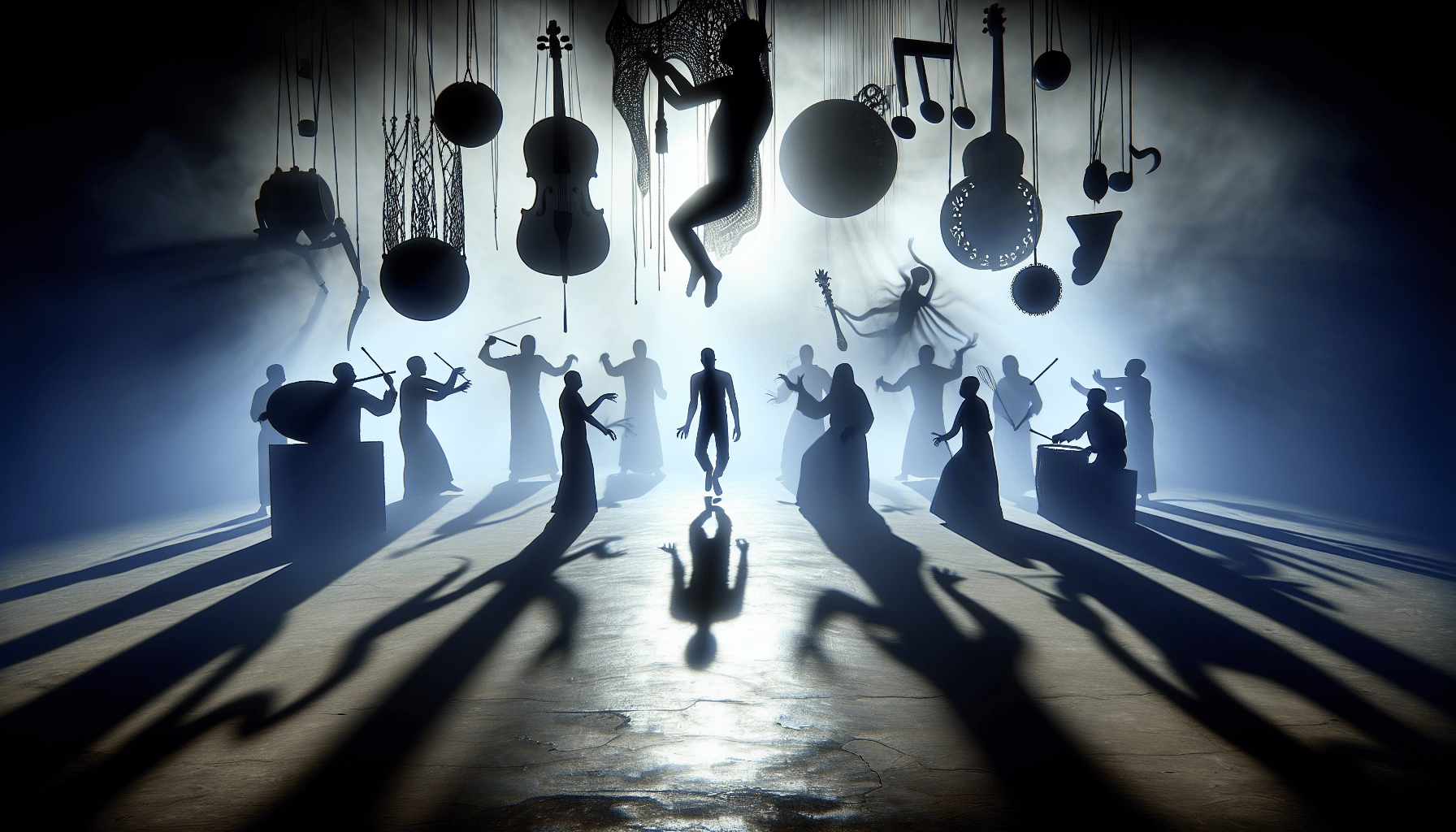
Traditional music has often been a way for cultures to express their beliefs, fears, and experiences. In some cultures, sleep paralysis has been a recurring theme in traditional music. For example, in some African cultures, there are songs and chants that are sung to protect individuals from malevolent spirits during sleep paralysis. These songs are believed to have protective powers and can ward off evil entities.
Sleep Paralysis In Dance
Dance has also been a means for cultures to express various emotions and experiences. In some traditional dances, sleep paralysis has been portrayed through movements that mimic the feeling of being trapped or unable to move. These dances often incorporate slow, deliberate movements that convey the sense of being in a state of paralysis.
Sleep Paralysis In Traditional Music And Dance
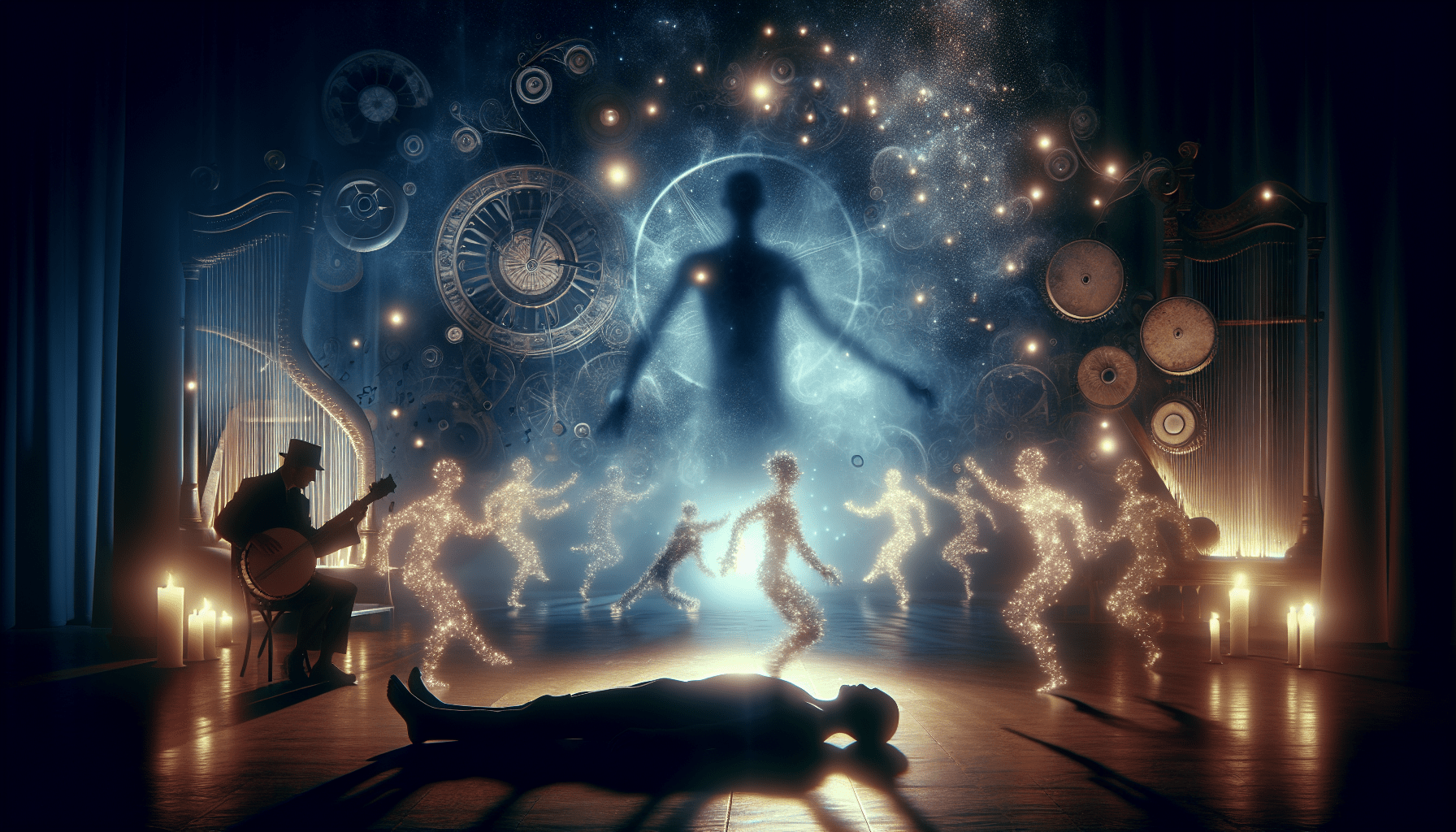
The combination of traditional music and dance can create a powerful narrative around sleep paralysis. Through the use of music, lyrics, and movements, artists can convey the fear, helplessness, and ultimately, the triumph over sleep paralysis. This fusion of art forms can provide a cathartic experience for both the performers and the audience.
Sleep Paralysis In Modern Society
While sleep paralysis has been a theme in traditional music and dance for centuries, it is also a phenomenon that continues to affect individuals in modern society. With the advances in science and medicine, we now have a better understanding of the causes and effects of sleep paralysis. However, the fear and anxiety that it can induce are still very real for those who experience it.
Coping Mechanisms
If you experience sleep paralysis, there are several coping mechanisms that you can try to help reduce the frequency and intensity of episodes. Some common techniques include:
- Improving Sleep Hygiene: Ensuring that you have a regular sleep schedule, a comfortable sleep environment, and avoiding caffeine and electronics before bedtime can help improve your overall sleep quality.
- Relaxation Techniques: Practice relaxation techniques such as deep breathing, meditation, or progressive muscle relaxation before bedtime to help reduce stress and anxiety.
- Seeking Support: Talking to a therapist or joining a support group can help you cope with the fear and anxiety that can accompany sleep paralysis.
Conclusion
Sleep paralysis is a fascinating phenomenon that has been reflected in traditional music and dance for centuries. Through the power of music and movement, cultures have found ways to express their fears and experiences surrounding sleep paralysis. While modern science has shed light on the causes of sleep paralysis, the emotional impact of this phenomenon is still very real for those who experience it. By exploring the connections between sleep paralysis, traditional music, and dance, we can gain a deeper understanding of this intriguing phenomenon.