
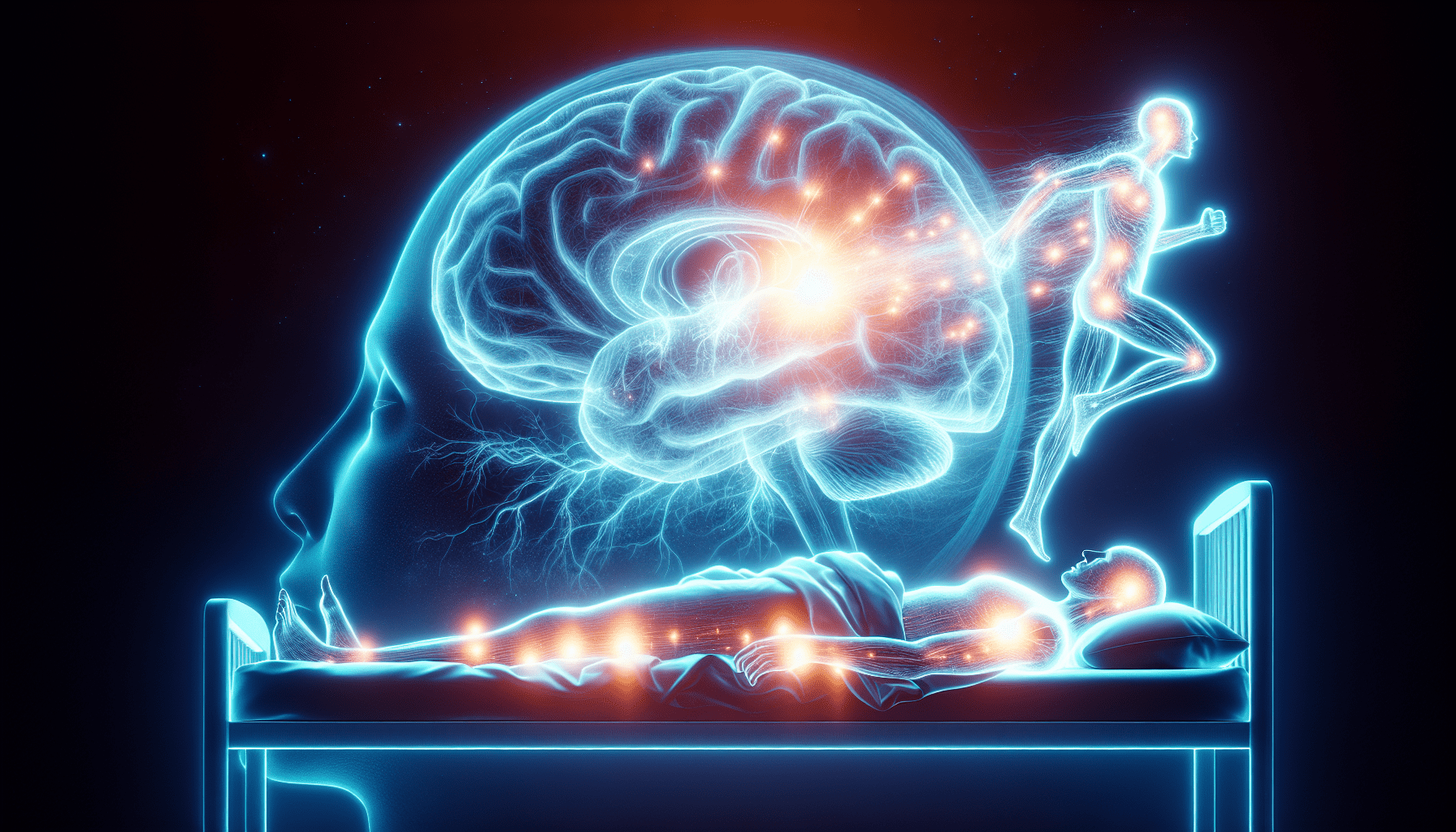
Imagine waking up in the middle of the night, unable to move a muscle. Your mind is awake, but your body feels locked in place. Panic sets in as you try to call out for help, but no sound escapes your lips. This phenomenon is known as sleep paralysis, a temporary inability to move or speak that affects millions of people around the world. But what if there was more to sleep paralysis than just a strange bodily occurrence? Recent studies have suggested a fascinating link between sleep paralysis and out-of-body experiences, leaving many to wonder if there is a hidden world beyond our physical bodies that we can explore while we sleep. In this article, we will delve into the intriguing connection between sleep paralysis and out-of-body experiences and uncover the mysteries of these enigmatic phenomena.
Definition of Sleep Paralysis
Sleep paralysis is a phenomenon that occurs during the transition between sleep and wakefulness, where a person is temporarily unable to move or speak. It is often accompanied by a feeling of pressure on the chest, a sense of impending doom, and intense hallucinations. These episodes typically last for a few seconds to a couple of minutes, but can feel much longer to the person experiencing it. Sleep paralysis is classified as a sleep disorder and can be quite distressing for those who experience it.
Explanation and Symptoms of Sleep Paralysis
During sleep, our brain goes through different stages, including Rapid Eye Movement (REM) sleep. REM sleep is characterized by rapid eye movement, vivid dreams, and muscular paralysis. This paralysis is a natural mechanism meant to prevent us from acting out our dreams and potentially harming ourselves. However, in the case of sleep paralysis, this paralysis continues even as the person wakes up or becomes partially conscious, resulting in the inability to move or speak.
Some of the common symptoms of sleep paralysis include the feeling of being awake but unable to move, a sense of pressure on the chest, hallucinations that can be visual, auditory, or tactile in nature, and a feeling of being watched or accompanied by a presence in the room. These symptoms can be extremely frightening and can contribute to a sense of helplessness and fear.
Prevalence and Frequency of Sleep Paralysis
Sleep paralysis is more common than one might think. Studies have estimated that approximately 8% of the general population experiences sleep paralysis at least once in their lifetime. However, among certain groups such as individuals with anxiety or post-traumatic stress disorder, it can occur more frequently. Episodes of sleep paralysis can vary in frequency, with some individuals experiencing them only occasionally while others may have them several times a week.
Historical and Cultural Beliefs
Ancient Interpretations of Sleep Paralysis
Sleep paralysis has been documented throughout history, and ancient civilizations often attributed the experience to supernatural phenomena or spiritual encounters. In ancient Greece, sleep paralysis was associated with the presence of evil spirits or demons, often referred to as “incubi” or “succubi.” These entities were believed to sit on the chest of the afflicted person, causing the sensation of pressure and immobilization.
In Egyptian mythology, sleep paralysis was seen as a visitation from the goddess Hathor, symbolizing death and rebirth. Similarly, the Vikings believed that sleep paralysis was caused by a mythical creature known as the “mare,” which would sit on the chest of a person during sleep, causing nightmares and paralysis.
Folklore and Supernatural Associations with Sleep Paralysis
Sleep paralysis has also been a subject of folklore and supernatural beliefs in various cultures around the world. In many traditional societies, sleep paralysis is linked to stories of witches, demons, or spirits who visit individuals during the night, causing terror and paralysis. In some cultures, sleep paralysis is seen as a result of a curse or witchcraft, with remedies involving chants, prayers, or protective talismans.
These historical and cultural interpretations reflect the human tendency to seek explanations for the unexplained, especially when faced with terrifying and inexplicable experiences such as sleep paralysis.
Scientific Explanations of Sleep Paralysis
Neurological Explanations of Sleep Paralysis
From a scientific standpoint, sleep paralysis can be explained by the interruption of the normal sleep-wake cycle and the unique characteristics of REM sleep. During REM sleep, the brainstem sends signals to inhibit the activity of certain muscles, resulting in temporary paralysis. This paralysis is essential to prevent us from physically acting out our dreams.
In individuals with sleep paralysis, it is believed that there is a disruption in the synchronization between the brainstem and the higher brain regions responsible for consciousness. This results in a person becoming aware of their surroundings while still experiencing the muscle paralysis associated with REM sleep. The hallucinations and sense of pressure on the chest may arise from the brain’s attempt to make sense of this mismatch between wakefulness and REM-related paralysis.
Physiological Explanations of Sleep Paralysis
Physiological factors such as disrupted sleep patterns, irregular sleep schedules, and sleep deprivation have been associated with an increased likelihood of experiencing sleep paralysis. Sleep deprivation can lead to changes in brain activity and neurotransmitter imbalances, which may contribute to the occurrence of sleep paralysis episodes.
Other factors that have been associated with sleep paralysis include sleep disorders such as narcolepsy and sleep apnea. These conditions can disrupt the normal sleep architecture and increase the likelihood of experiencing sleep paralysis.
Out-of-Body Experiences (OBE)
Definition and Characteristics of OBE
An out-of-body experience (OBE) is a subjective phenomenon where an individual perceives their consciousness as being located outside of their physical body. During an OBE, a person may have the perception of floating, flying, or viewing their own body from a different vantage point. OBEs can be spontaneous or induced through various practices such as meditation or sensory deprivation.
Characteristics of an OBE often include a sense of freedom from the physical body, enhanced perception, and a feeling of expanded consciousness. Some individuals report having profound spiritual or mystical experiences during OBEs, leading to a sense of interconnectedness or oneness with the universe.
Historical Accounts and Cultural Interpretations of OBE
OBEs have been documented in various cultures throughout history and are often linked to spiritual or religious beliefs. In ancient Egypt, for example, OBEs were seen as a form of astral travel, where the soul would separate from the body and explore different realms. Similar beliefs can be found in ancient Hindu and Buddhist traditions, where OBEs were seen as a means to transcend the limitations of physical existence and gain spiritual insight.
In modern times, the concept of OBEs has gained popularity through accounts of near-death experiences, where individuals report leaving their bodies and having a sense of floating or moving towards a light. These experiences have sparked curiosity and scientific investigation into the nature of consciousness and the possibility of existence beyond the physical body.
The Link between Sleep Paralysis and OBE
Research Studies and Findings
There is a growing body of research exploring the link between sleep paralysis and OBE. Some studies have found a significant overlap between the two experiences, with individuals who frequently experience sleep paralysis also reporting a higher incidence of OBEs. This suggests a potential connection between the neurological mechanisms underlying sleep paralysis and OBEs.
One study conducted by neuroscientist Olaf Blanke and his team used transcranial magnetic stimulation to induce OBE-like sensations in participants. The study revealed that stimulating specific regions of the brain could create the illusion of being located outside the body. These findings provide further support for the idea that certain aspects of OBEs can be attributed to the brain’s interpretation of sensory information and self-perception.
Common Experiences Reported by Individuals with Sleep Paralysis and OBE
Individuals who experience sleep paralysis often report similar sensations to those described during OBEs. These include feelings of floating, flying, or leaving the body, as well as the perception of an external presence or entities in the room. The vivid hallucinations and altered sense of self often associated with sleep paralysis can create an environment conducive to the occurrence of OBE-like experiences.
While the exact relationship between sleep paralysis and OBEs is still not fully understood, it is clear that there are overlapping elements and shared characteristics between the two phenomena.
Neurological Mechanisms and Brain Activity
Brain Patterns During Sleep Paralysis
Studies utilizing neuroimaging techniques have provided insights into the neurological mechanisms underlying sleep paralysis. During sleep paralysis episodes, there is increased activity in certain regions of the brain, such as the amygdala, which is involved in processing emotions and fear. This heightened activity may contribute to the intense feelings of fear and anxiety commonly experienced during sleep paralysis.
Furthermore, neuroimaging studies have revealed abnormal activation patterns and connectivity in the frontal cortex, which is associated with self-awareness and perspective taking. The disrupted synchronization between different brain regions during sleep paralysis may contribute to the altered sense of self and the perception of being outside of one’s own body.
Similarities and Differences in Brain Activity between Sleep Paralysis and OBE
Research comparing brain activity during sleep paralysis and OBEs has shown both similarities and differences. Some studies have found overlapping activation patterns in the temporoparietal junction and the prefrontal cortex, areas of the brain involved in self-related processing and body representation. These findings suggest that certain neural processes involved in self-perception may play a role in both sleep paralysis and OBEs.
However, there are also distinct differences in brain activity during sleep paralysis and OBEs. OBEs have been associated with patterns of brain activity resembling wakefulness, while sleep paralysis shows patterns more closely resembling the REM sleep state. These differences suggest that while there may be shared underlying mechanisms, the experiences of sleep paralysis and OBEs are distinct phenomena.
Psychological Perspectives on Sleep Paralysis and OBE
Psychological Factors Contributing to Sleep Paralysis and OBE
Psychological factors such as stress, anxiety, and sleep-related beliefs can contribute to the occurrence of sleep paralysis and OBEs. Sleep paralysis is commonly associated with high levels of stress and the presence of anxiety disorders. The fear and distress associated with sleep paralysis can further perpetuate the occurrence of episodes.
Similarly, OBEs can be influenced by psychological factors such as a desire for escapism, a need for spiritual experiences, or a belief in the existence of a non-physical self. These factors can shape the interpretation and significance individuals attribute to their OBEs, influencing their overall experience and the impact it has on their well-being.
The Role of Culture and Beliefs in Interpreting Sleep Paralysis and OBE
Culture and personal beliefs play a significant role in how individuals interpret and make sense of sleep paralysis and OBEs. As discussed earlier, different cultures have their own historical interpretations of these experiences, ranging from supernatural encounters to spiritual awakenings. These cultural beliefs and societal expectations can shape an individual’s understanding of their own experiences and may influence their emotional response.
Additionally, personal beliefs regarding consciousness, the afterlife, and the nature of reality can also influence the interpretation and significance attributed to sleep paralysis and OBEs. Some individuals may see these experiences as evidence of a non-physical self or as a glimpse into higher realms of existence, while others may view them as mere neurological constructs or hallucinations. These different interpretations can contribute to the diversity of experiences reported and the subjective impact on individuals.
Ways to Manage Sleep Paralysis
Sleep Hygiene Practices
Maintaining good sleep hygiene can help reduce the frequency and severity of sleep paralysis episodes. Some recommended practices include maintaining a regular sleep schedule, creating a relaxing sleep environment, avoiding stimulants and heavy meals before bedtime, and engaging in relaxation techniques such as meditation or deep breathing exercises.
Establishing a consistent bedtime routine and ensuring a comfortable sleep environment can promote better sleep quality and reduce the likelihood of disruptions in the sleep-wake cycle that can trigger sleep paralysis. Additionally, reducing stress levels through relaxation techniques can help alleviate anxiety and minimize the psychological factors that can contribute to sleep paralysis.
Relaxation Techniques to Reduce Sleep Paralysis Episodes
Relaxation techniques can be beneficial in managing sleep paralysis episodes and minimizing associated anxiety. Techniques such as progressive muscle relaxation, guided imagery, and deep breathing exercises can help induce a state of relaxation and promote better sleep.
Progressive muscle relaxation involves systematically tensing and then releasing different muscle groups, promoting physical relaxation and reducing muscle tension. Guided imagery involves visualizing calming and peaceful scenes, helping to shift focus away from the fear and anxiety associated with sleep paralysis. Deep breathing exercises can induce a state of calm and relaxation by activating the body’s relaxation response.
By incorporating these relaxation techniques into a regular sleep routine, individuals experiencing sleep paralysis may find relief and a reduction in the frequency and intensity of episodes.
Benefits and Drawbacks of Out-of-Body Experiences
Spiritual and Transcendent Experiences
For some individuals, OBEs can provide a sense of spiritual exploration and a feeling of connection to something greater than themselves. OBEs have been described as moments of transcendent awareness, where individuals perceive a sense of expanded consciousness and a greater understanding of the nature of reality. These experiences can be deeply meaningful and even transformative, leading to personal growth and a reevaluation of one’s beliefs.
OBEs have also been associated with experiences of floating, flying, or visiting other realms or dimensions. These experiences can foster a sense of freedom from the physical body and open possibilities for exploration beyond the confines of ordinary perception.
Potential Psychological and Emotional Challenges
While OBEs can offer profound experiences, they can also present challenges for individuals. The intense nature of these experiences, particularly if they occur spontaneously or without proper guidance, can be overwhelming and confusing. Individuals may struggle to integrate and make sense of their OBEs within their everyday lives, leading to feelings of disconnection, alienation, or even existential crisis.
Additionally, individuals who place excessive importance on OBEs or become overly preoccupied with seeking such experiences may neglect their present physical and psychological well-being. The pursuit of OBEs can sometimes lead to a detachment from reality and a neglect of one’s responsibilities and relationships.
Future Research and Implications
Areas for Further Study
As our understanding of sleep paralysis and OBEs continues to evolve, there are several areas that warrant further research. One important area of study is the exploration of the underlying neurological mechanisms that contribute to the occurrence of sleep paralysis and OBEs. Understanding the brain regions involved, how they interact, and how they relate to self-perception and altered states of consciousness can provide valuable insights into the nature of these phenomena.
Additionally, more research is needed to examine the specific psychological factors that contribute to the occurrence and interpretation of sleep paralysis and OBEs. Identifying the role of stress, anxiety, beliefs, and cultural influences can help inform interventions and management strategies for individuals experiencing these phenomena.
Possible Therapeutic Applications and Treatment Approaches
The findings from research on sleep paralysis and OBEs may have implications for therapeutic applications and treatment approaches. Understanding the underlying mechanisms of sleep paralysis could inform the development of interventions aimed at reducing the frequency and severity of episodes, such as medication or cognitive-behavioral therapy.
For individuals who experience distressing OBEs, therapeutic approaches that focus on integrating these experiences into their lives may be beneficial. These approaches could involve exploring the meaning and significance individuals attribute to their OBEs, developing coping strategies for managing the emotional impact, and fostering a sense of integration between the OBE experiences and their overall well-being.
In conclusion, sleep paralysis and its potential link to out-of-body experiences are intriguing phenomena that have been the subject of scientific, cultural, and historical exploration. While there is still much to learn about the underlying mechanisms and the subjective experiences associated with these phenomena, the emerging research provides valuable insights into the interplay between neuroscience, psychology, and the human experience of sleep and consciousness.