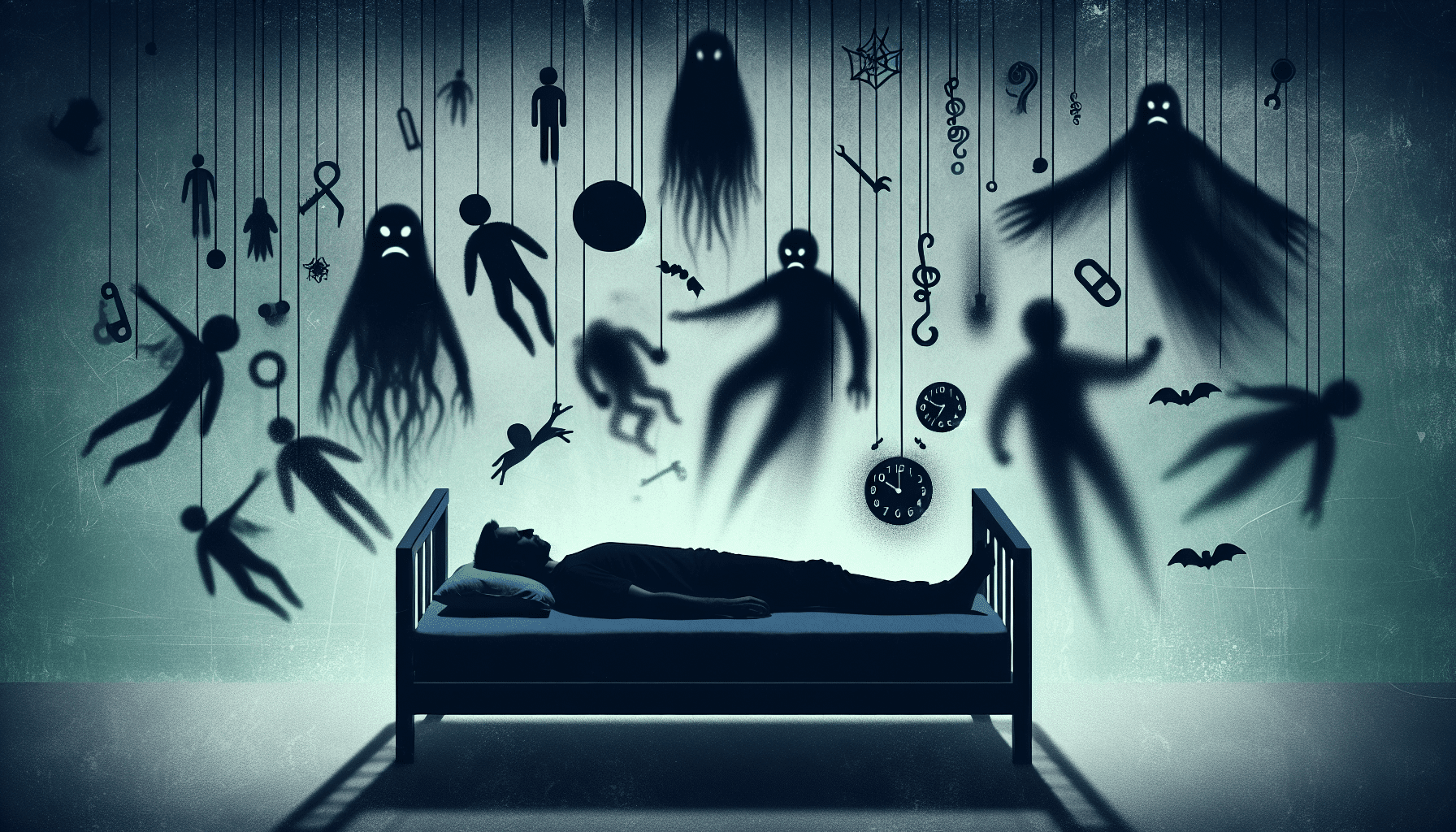
Welcome to an insightful exploration of the relationship between sleep paralysis and mental well-being. In this article, you will learn about the phenomenon of sleep paralysis and how it can impact your overall mental health. By understanding the connections between these two aspects, you may gain a deeper insight into your own well-being and find ways to improve your quality of sleep and mental health. Let’s delve into the fascinating world of sleep paralysis and its implications for your mental well-being. Have you ever experienced the terrifying feeling of being unable to move or speak while waking up or falling asleep? If so, you may have experienced sleep paralysis. In this article, we will explore the phenomenon of sleep paralysis and its connection to your mental well-being. Let’s dive in and discover more about this mysterious and often misunderstood experience.
What is Sleep Paralysis?
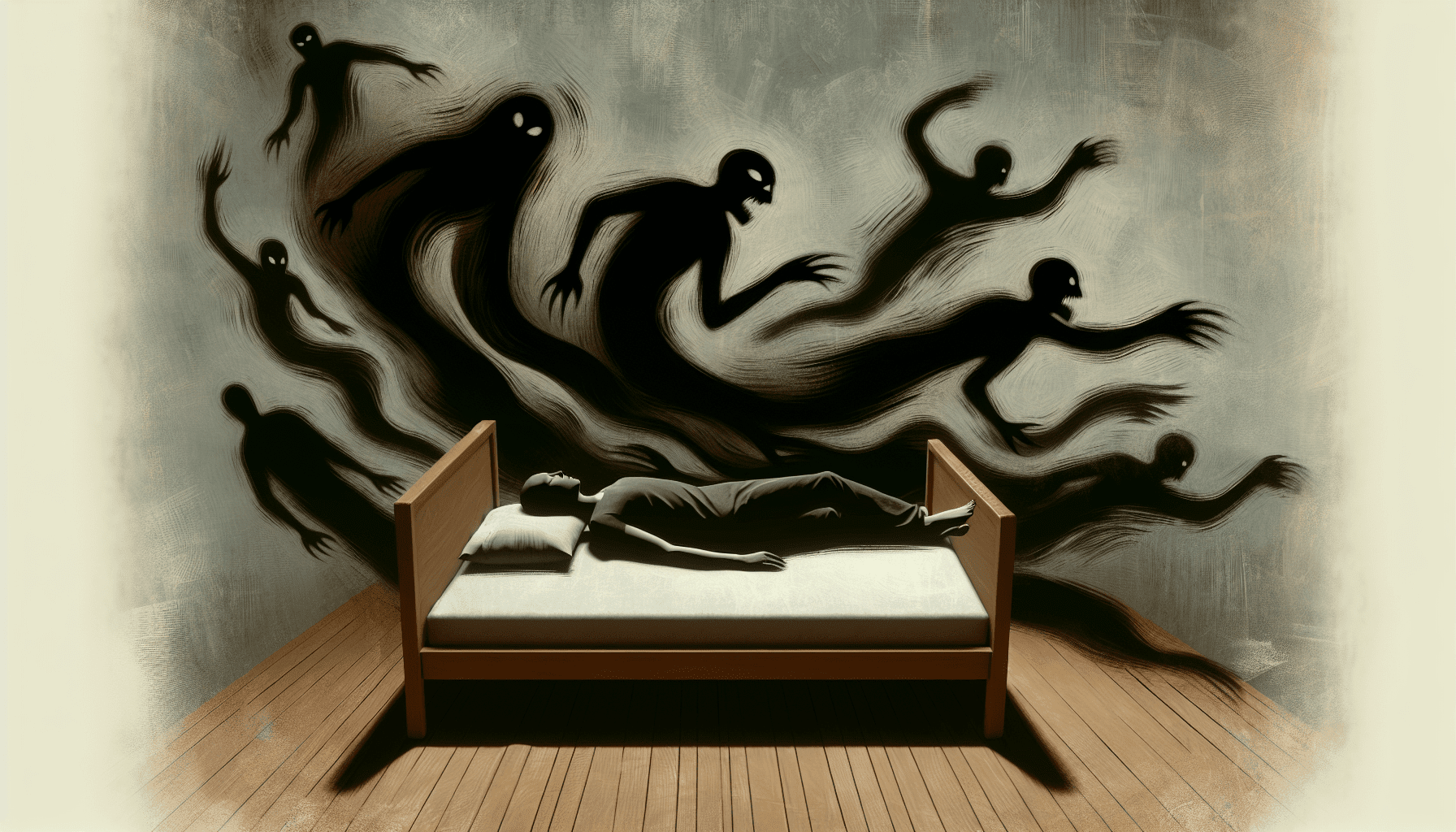
Sleep paralysis occurs when your mind wakes up, but your body remains asleep. This results in the inability to move or speak, often accompanied by a feeling of pressure on your chest and a sense of impending doom. It can be a frightening experience, leaving you feeling trapped and scared.
Why Does Sleep Paralysis Happen?
During REM (rapid eye movement) sleep, your body is usually paralyzed to prevent you from acting out your dreams. In sleep paralysis, this paralysis continues even as you wake up, causing you to feel unable to move. It can be triggered by sleep deprivation, irregular sleep patterns, stress, and other factors.

Types of Sleep Paralysis
There are two main types of sleep paralysis: isolated sleep paralysis and recurrent sleep paralysis.
Isolated Sleep Paralysis
Isolated sleep paralysis occurs sporadically and is not linked to any underlying sleep disorders. It may happen once or twice in your life and is often triggered by stress or lack of sleep. While it can be frightening, isolated sleep paralysis is generally not a cause for concern.
Recurrent Sleep Paralysis
Recurrent sleep paralysis is characterized by experiencing episodes of sleep paralysis regularly. This type of sleep paralysis can be more distressing and may be associated with underlying sleep disorders such as narcolepsy. If you are experiencing recurrent sleep paralysis, it is essential to consult a healthcare professional for further evaluation and treatment.

The Connection to Mental Well-being
Sleep paralysis can have a significant impact on your mental well-being. The fear and anxiety associated with sleep paralysis can lead to increased stress and sleep disturbances, further exacerbating the issue.
Anxiety and Fear
The intense fear experienced during sleep paralysis can trigger anxiety in individuals who have had multiple episodes. The fear of experiencing sleep paralysis again can disrupt your sleep and lead to heightened levels of anxiety during bedtime, creating a vicious cycle of fear and sleep disturbances.
Impact on Sleep Quality
Sleep paralysis can disrupt your sleep patterns and prevent you from getting a restful night’s sleep. The fear of experiencing another episode can make it challenging to fall asleep, leading to insomnia and sleep deprivation. Poor sleep quality can affect your mood, concentration, and overall well-being.
Psychological Effects
The psychological effects of sleep paralysis can vary from person to person. Some individuals may experience feelings of helplessness, depression, or even post-traumatic stress disorder (PTSD) after recurrent episodes of sleep paralysis. It is essential to address these psychological effects and seek support from a mental health professional if needed.
Coping Strategies
While sleep paralysis can be a challenging experience, there are coping strategies that you can use to manage the fear and anxiety associated with it.
Improve Sleep Hygiene
Maintaining good sleep hygiene is essential for managing sleep paralysis. Establish a regular sleep schedule, create a calming bedtime routine, and create a comfortable sleep environment to promote restful sleep. Avoiding caffeine, screens, and stimulating activities before bedtime can also help improve your sleep quality.
Stress Management Techniques
Stress can exacerbate sleep paralysis, so incorporating stress management techniques into your daily routine can be beneficial. Practice relaxation techniques such as deep breathing, meditation, yoga, or mindfulness to reduce stress levels and promote relaxation before bedtime.
Seek Professional Help
If you are experiencing recurrent sleep paralysis or struggling with the psychological effects of this phenomenon, it is essential to seek help from a healthcare professional. A sleep specialist can evaluate your sleep patterns and provide treatment options to manage sleep paralysis. Additionally, a mental health professional can help you address any underlying anxiety or depression related to your experiences.
Conclusion
Sleep paralysis is a complex phenomenon that can have a significant impact on your mental well-being. By understanding the causes and types of sleep paralysis and implementing coping strategies, you can better manage this experience and improve your overall sleep quality. Remember to prioritize your mental health and seek support when needed. You are not alone in this journey towards better sleep and well-being.
Thank you for taking the time to explore the connection between sleep paralysis and your mental well-being. If you have any questions or would like to share your experience, feel free to reach out. Take care of yourself and prioritize your mental health. Good night and sweet dreams.