
Have you ever experienced sleep paralysis? If so, you’re not alone. This common sleep disorder can be terrifying, but there are ways to manage and cope with it. In this article, we will explore psychoeducation and coping strategies for sleep paralysis to help you better understand and deal with this phenomenon.
What is Sleep Paralysis?
Sleep paralysis is a phenomenon that occurs when you are unable to move or speak while falling asleep or waking up. This temporary inability to move usually only lasts a few seconds to a few minutes but can be incredibly frightening. Many people describe feeling as though they are awake but unable to move or speak, often accompanied by hallucinations or a sense of impending doom.
It can be a terrifying experience
Sleep paralysis can be an incredibly terrifying experience, causing feelings of helplessness and fear. It is important to remember that sleep paralysis is a relatively common occurrence and is not typically a sign of a serious underlying health condition.
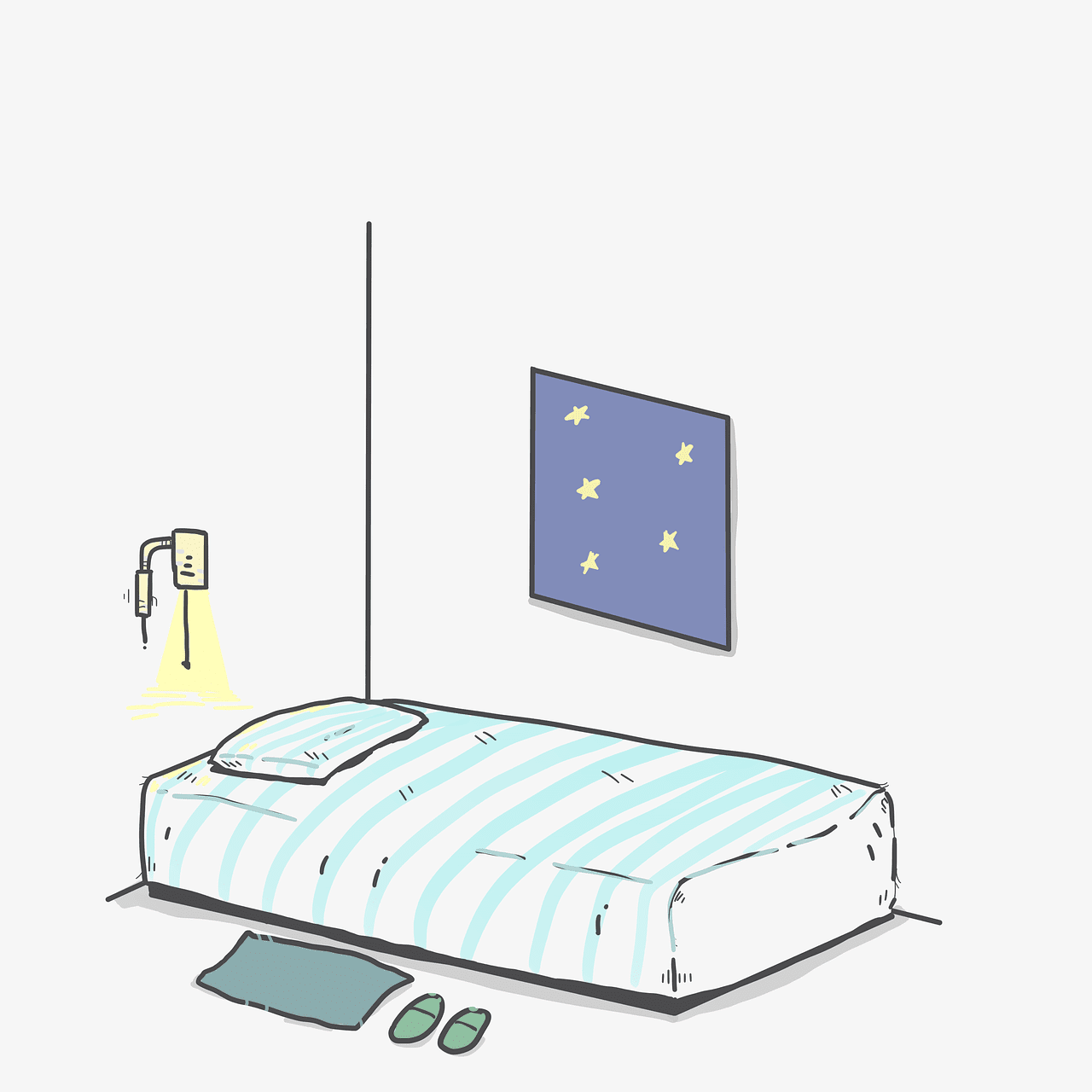
Causes of Sleep Paralysis
The exact cause of sleep paralysis is not fully understood, but it is thought to occur when the body is momentarily stuck between the stages of sleep. During REM (rapid eye movement) sleep, the body is typically in a state of paralysis to prevent movements during dreaming. When sleep paralysis happens, this paralysis persists even as you start to wake up, leading to the sensation of being unable to move.
REM sleep disturbances
Disturbances in REM sleep have been linked to sleep paralysis. Factors such as sleep deprivation, irregular sleep schedules, stress, and sleep disorders like narcolepsy can all contribute to episodes of sleep paralysis.
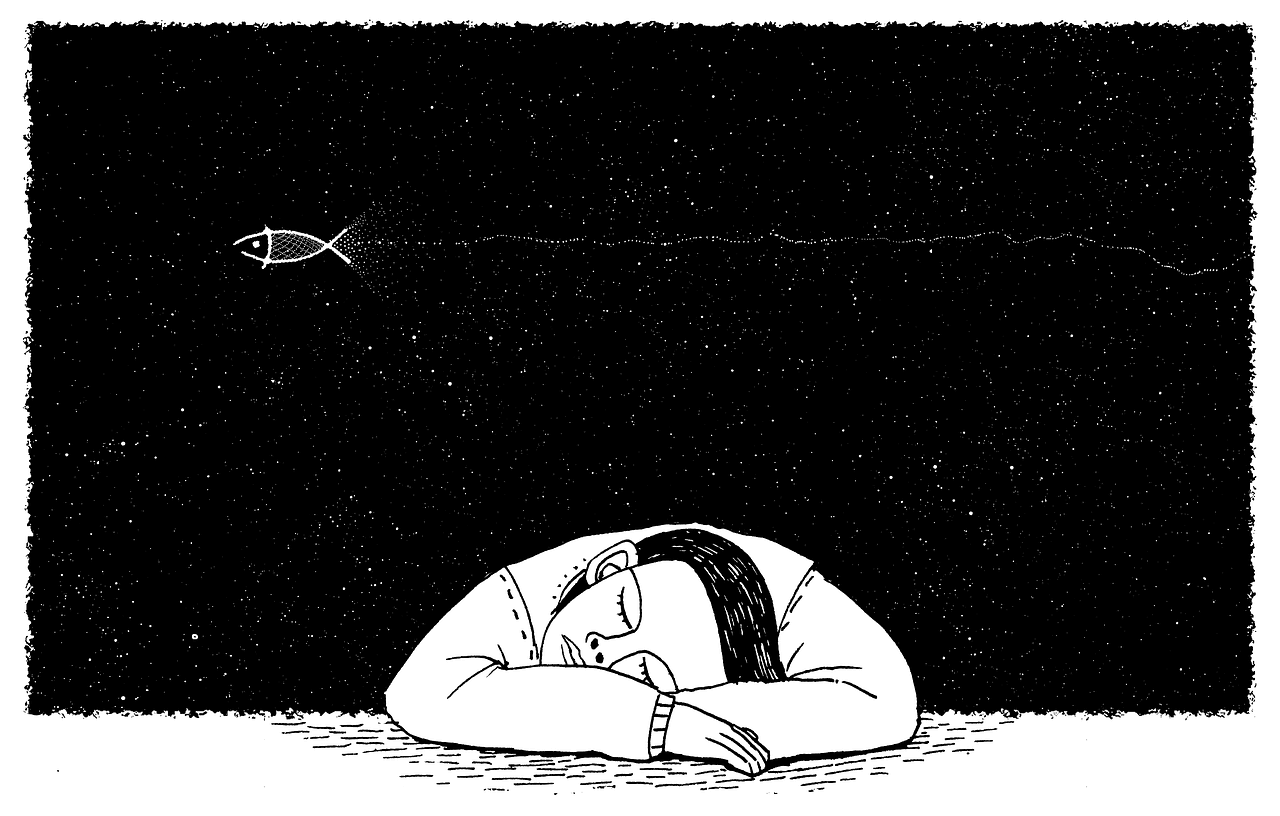
Coping Strategies for Sleep Paralysis
While sleep paralysis can be a frightening experience, there are coping strategies that can help you manage and reduce its occurrence. By understanding the triggers and learning to relax your body and mind, you can lessen the impact of sleep paralysis on your sleep and overall well-being.
Coping with fear and anxiety
One of the most important coping strategies for sleep paralysis is to manage fear and anxiety. It can be helpful to remind yourself that sleep paralysis is a temporary and harmless experience. Practicing relaxation techniques such as deep breathing or visualization can also help calm your mind and body during episodes of sleep paralysis.
Improve sleep hygiene
Maintaining good sleep hygiene is crucial for reducing the occurrence of sleep paralysis. This includes maintaining a consistent sleep schedule, creating a relaxing bedtime routine, avoiding caffeine and electronics before bed, and creating a comfortable sleeping environment. By improving your sleep habits, you can promote deeper and more restful sleep, reducing the likelihood of experiencing sleep paralysis.
Seek support
Talking to a therapist or counselor can also be beneficial for managing sleep paralysis. Therapists can provide psychoeducation on sleep disorders and coping strategies, as well as help you address any underlying stress or anxiety that may be contributing to your experiences of sleep paralysis. Support groups or online forums can also be a valuable source of support and understanding from others who have experienced sleep paralysis.

Psychoeducation for Sleep Paralysis
Psychoeducation involves learning about sleep paralysis and understanding its causes and effects. By educating yourself about sleep paralysis, you can gain a greater sense of control over the experience and learn how to manage it effectively.
Understanding the sleep cycle
Learning about the stages of sleep and the role of REM sleep can help you understand why sleep paralysis occurs. During REM sleep, the body enters a state of paralysis to prevent movement while dreaming. When this paralysis continues into wakefulness, sleep paralysis can occur. By understanding the sleep cycle, you can better understand the mechanics of sleep paralysis.
Identifying triggers
Keeping a sleep diary can help you identify triggers for sleep paralysis. Note any patterns or factors that may contribute to episodes, such as stress, sleep deprivation, or certain sleep positions. By identifying triggers, you can take steps to avoid or minimize them, reducing the likelihood of experiencing sleep paralysis.
Educating others
Educating friends and family members about sleep paralysis can help them understand and support you during episodes. Letting loved ones know about your experiences and how they can help can reduce feelings of isolation and fear surrounding sleep paralysis. By sharing information about sleep paralysis, you can also help raise awareness and reduce stigma around this common sleep disorder.

Conclusion
Sleep paralysis can be a frightening and distressing experience, but with understanding and coping strategies, you can learn to manage and reduce its impact on your sleep and overall well-being. By practicing relaxation techniques, improving sleep hygiene, seeking support, and educating yourself and others about sleep paralysis, you can take control of your experiences and find ways to cope effectively. Remember, you are not alone in experiencing sleep paralysis, and there are resources and strategies available to help you navigate this common sleep disorder.