Is There A Genetic Predisposition To Experiencing Sleep Paralysis?
Is there a genetic predisposition to experiencing sleep paralysis?
The Basics of Sleep Paralysis
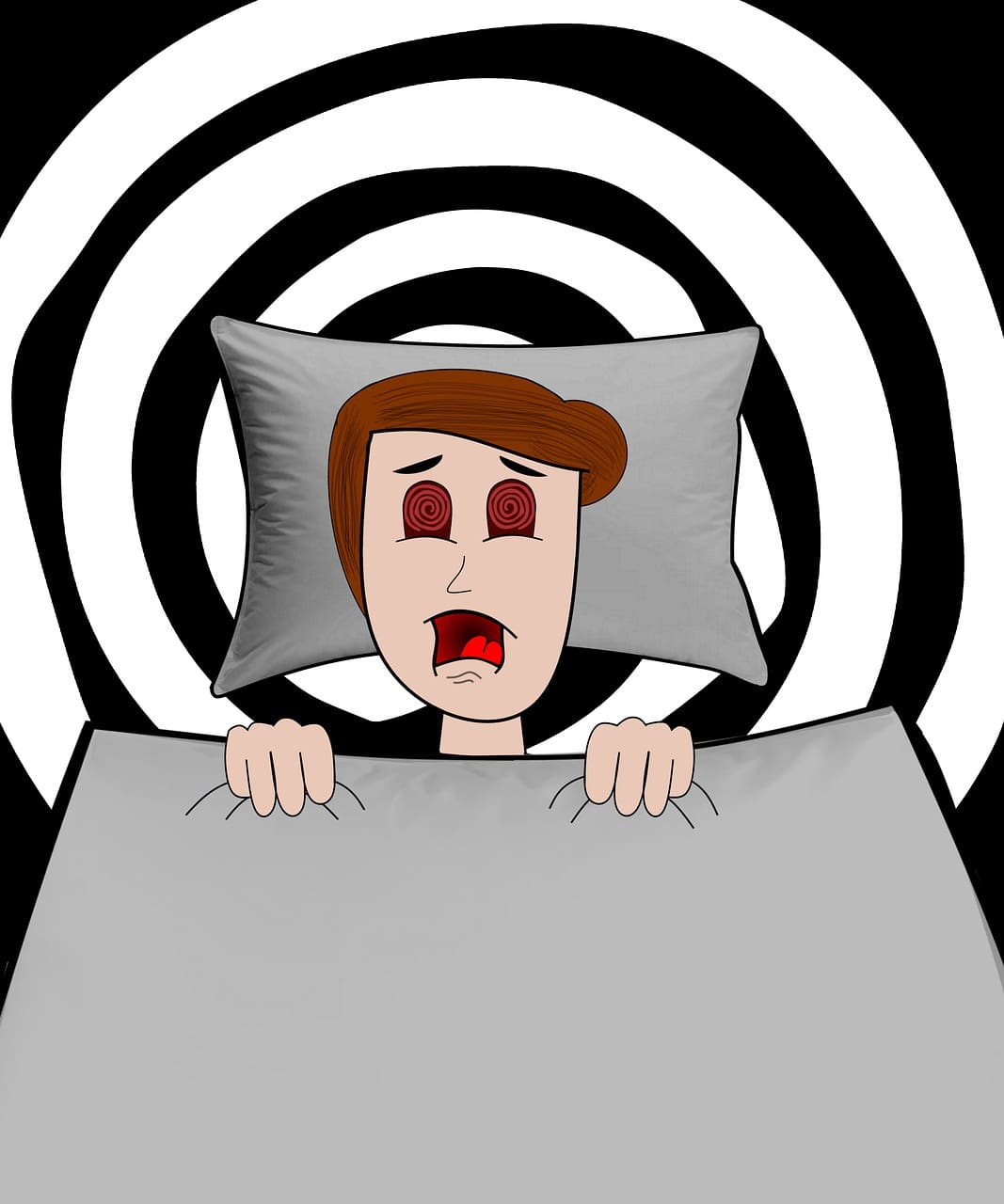
Sleep paralysis is a phenomenon that occurs when you wake up from sleep but are unable to move or speak. It is often accompanied by a feeling of pressure on your chest and a sense of fear or impending doom. While sleep paralysis is usually a harmless occurrence, it can be quite alarming and unsettling for those who experience it.
What Causes Sleep Paralysis?
Sleep paralysis is believed to occur when you transition between sleep stages. During rapid eye movement (REM) sleep, your brain is active and dreams occur, while your muscles are temporarily paralyzed to prevent you from acting out your dreams. When you wake up suddenly from REM sleep, your body may still be in a state of paralysis, leading to the sensation of being unable to move.
The Role of Genetics in Sleep Paralysis
Research suggests that there may be a genetic component to experiencing sleep paralysis. While the exact genes involved have not been identified, studies have shown that individuals with a family history of sleep paralysis are more likely to experience it themselves.
Family Studies on Sleep Paralysis
Family studies have been conducted to investigate the heritability of sleep paralysis. These studies have found that individuals with a first-degree relative who has experienced sleep paralysis are more likely to have episodes of sleep paralysis themselves. This suggests that there may be a genetic predisposition to experiencing this phenomenon.
Twin Studies on Sleep Paralysis
Twin studies have also provided insights into the genetic factors influencing sleep paralysis. Identical twins, who share 100% of their genes, are more likely to both experience sleep paralysis compared to fraternal twins, who share only about 50% of their genes. This further supports the notion that genetic factors play a role in the occurrence of sleep paralysis.
Genetic Markers and Sleep Paralysis
While specific genes have not yet been identified as definitive markers for sleep paralysis, researchers have begun to explore the genetic basis of this phenomenon. By studying the genomes of individuals who experience sleep paralysis, scientists hope to pinpoint genetic variations that may predispose individuals to this condition.
Genome-Wide Association Studies
Genome-wide association studies (GWAS) are a powerful tool used to identify genetic variations associated with certain traits or conditions. By comparing the genomes of individuals who experience sleep paralysis with those who do not, researchers can identify potential genetic markers linked to this phenomenon.
Candidate Gene Studies
Candidate gene studies focus on specific genes that are believed to play a role in a particular condition. In the case of sleep paralysis, researchers may investigate genes involved in neurotransmission, muscle control, or REM sleep regulation. By analyzing these candidate genes in individuals with sleep paralysis, scientists can gain insights into the genetic factors contributing to this phenomenon.
Environmental Factors and Sleep Paralysis
While genetics may predispose individuals to experiencing sleep paralysis, environmental factors also play a significant role in the occurrence of this phenomenon. Stress, sleep deprivation, irregular sleep schedules, and substance use have all been linked to an increased risk of sleep paralysis.
Stress and Sleep Paralysis
Stress is a common trigger for sleep paralysis. High levels of stress can disrupt your sleep patterns and increase the likelihood of experiencing episodes of sleep paralysis. Managing stress through relaxation techniques, mindfulness, and therapy may help reduce the frequency of sleep paralysis episodes.
Sleep Deprivation and Sleep Paralysis
Lack of sleep is another factor that can contribute to sleep paralysis. Irregular sleep patterns, such as staying up late or waking up at inconsistent times, can disrupt your sleep cycle and increase the chances of experiencing sleep paralysis. Establishing a regular sleep routine and prioritizing sleep hygiene can help reduce the risk of sleep paralysis.
Substance Use and Sleep Paralysis
Substance use, including alcohol, drugs, and medications, can also influence the occurrence of sleep paralysis. Certain substances may affect your sleep quality, disrupt your REM sleep cycle, or trigger episodes of sleep paralysis. Limiting or avoiding substances that interfere with your sleep can help decrease the likelihood of experiencing sleep paralysis.

Coping Strategies for Sleep Paralysis
If you experience sleep paralysis, there are several coping strategies you can use to manage and reduce the impact of this phenomenon on your sleep quality and overall well-being.
Improve Sleep Hygiene
Maintaining good sleep hygiene can help reduce the frequency of sleep paralysis episodes. This includes establishing a regular sleep schedule, creating a relaxing bedtime routine, and ensuring your sleep environment is conducive to restful sleep. Avoiding caffeine, electronics, and stimulating activities before bed can also promote better sleep quality.
Relaxation Techniques
Engaging in relaxation techniques, such as deep breathing, meditation, or progressive muscle relaxation, can help alleviate stress and anxiety associated with sleep paralysis. These techniques can promote relaxation and calmness, making it easier to fall asleep and reduce the likelihood of experiencing sleep paralysis.
Seek Support
Talking to a healthcare provider, therapist, or sleep specialist can provide valuable support and guidance for managing sleep paralysis. They can help identify underlying factors contributing to your episodes of sleep paralysis and recommend appropriate treatment options, such as cognitive-behavioral therapy for sleep or medication.
Conclusion
In conclusion, while the exact genetic factors contributing to sleep paralysis remain to be fully elucidated, there is evidence to suggest that genetics may play a role in predisposing individuals to this phenomenon. Family and twin studies have shown a hereditary component to sleep paralysis, and ongoing research is exploring the genetic markers associated with this condition. By understanding the interplay between genetic predisposition and environmental factors, individuals can take steps to manage and cope with sleep paralysis effectively. Remember, if you experience sleep paralysis, seeking support from healthcare professionals and implementing coping strategies can help improve your sleep quality and overall well-being.