
How To Incorporate Mindfulness Practices To Reduce Sleep Paralysis Occurrences
Have you ever experienced sleep paralysis? It can be a frightening and unsettling phenomenon where you are temporarily unable to move or speak while transitioning between wakefulness and sleep. If you are looking for ways to reduce the frequency of these occurrences, incorporating mindfulness practices into your routine can be a helpful strategy. In this article, we will explore how mindfulness techniques can be used to manage sleep paralysis and improve your overall sleep quality.

Understanding Sleep Paralysis
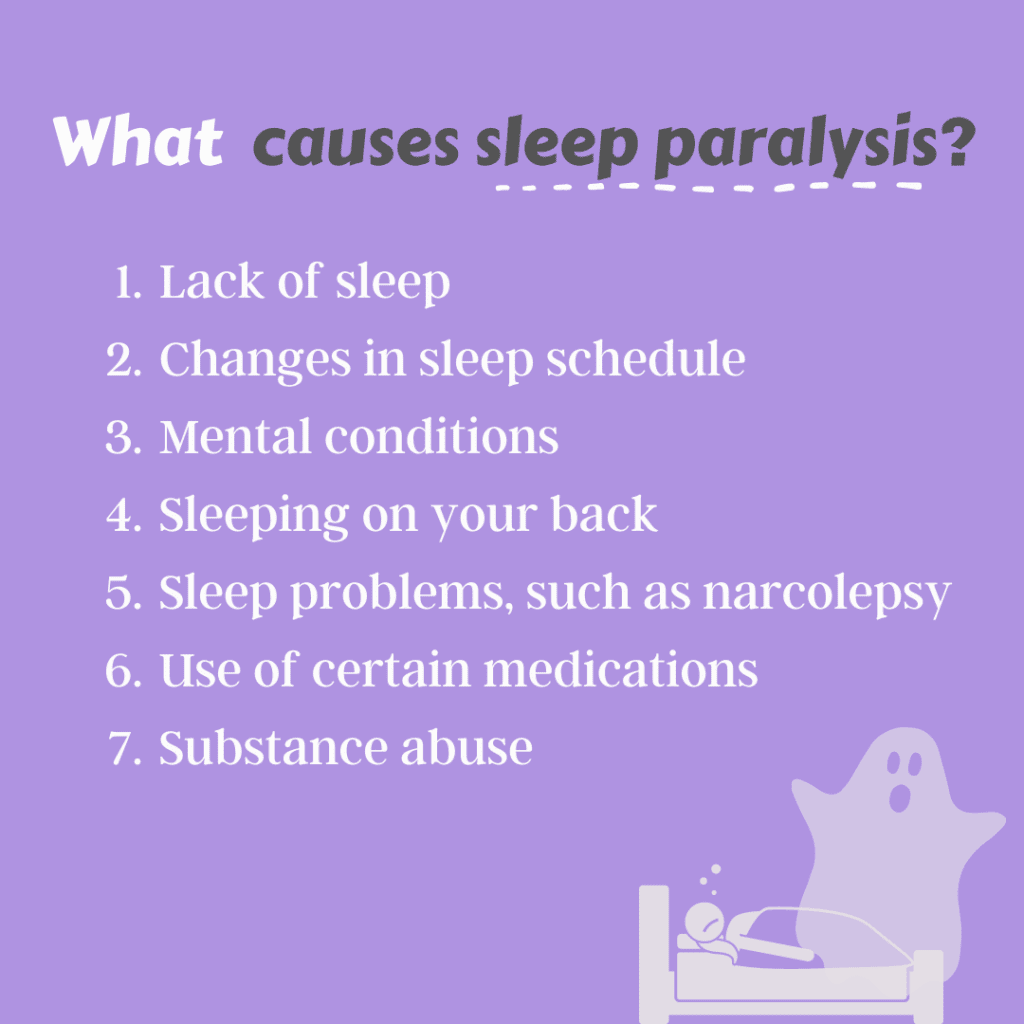
Before we delve into how mindfulness practices can help reduce sleep paralysis occurrences, let’s first understand what sleep paralysis is. Sleep paralysis is a condition where your mind is awake, but your body is still in a state of sleep, leading to temporary paralysis. This can be accompanied by hallucinations, a feeling of pressure on your chest, and an inability to move or speak. While the exact cause of sleep paralysis is not fully understood, stress, sleep deprivation, and irregular sleep patterns are common triggers.
What Happens During Sleep Paralysis
During sleep paralysis, your brain wakes up from REM sleep, the stage of sleep where dreaming occurs. However, your body remains in a state of muscle atonia, where your muscles are temporarily paralyzed to prevent you from acting out your dreams. This disconnect between your mind and body can result in the sensation of being trapped in your own body, unable to move or speak.
Role of Mindfulness in Managing Sleep Paralysis
Mindfulness is a practice that involves bringing your attention to the present moment without judgment. By incorporating mindfulness techniques into your daily routine, you can learn to manage stress, improve your sleep quality, and reduce the frequency of sleep paralysis occurrences. Mindfulness can help you stay grounded in the present moment and reduce anxiety, which are key factors in preventing sleep paralysis episodes.
Benefits of Mindfulness for Sleep Paralysis
Practicing mindfulness can have a variety of benefits for managing sleep paralysis, including:
- Reducing stress and anxiety levels
- Improving sleep quality and overall well-being
- Enhancing self-awareness and emotional regulation
- Cultivating a sense of calm and relaxation

Mindfulness Practices to Reduce Sleep Paralysis
Now that you understand the role of mindfulness in managing sleep paralysis, let’s explore some specific mindfulness practices that you can incorporate into your daily routine to reduce the occurrence of sleep paralysis episodes.
Meditation
Meditation is a powerful mindfulness practice that can help calm your mind, reduce stress, and improve your overall well-being. By setting aside a few minutes each day to meditate, you can cultivate a sense of inner peace and relaxation that can carry over into your sleep. Try focusing on your breath, body sensations, or a mantra to help quiet your mind before bedtime.
Deep Breathing Exercises
Deep breathing exercises are another effective way to reduce stress and promote relaxation before sleep. By taking slow, deep breaths and focusing on the sensation of air entering and leaving your body, you can activate your body’s relaxation response and calm your nervous system. Practice deep breathing exercises for a few minutes before bedtime to prepare your mind and body for sleep.
Body Scan Meditation
Body scan meditation involves bringing your awareness to different parts of your body, starting from your toes and moving up to your head. This practice can help you tune into physical sensations, release tension, and promote relaxation throughout your body. By practicing body scan meditation before bed, you can create a sense of ease and comfort that can enhance your sleep quality and reduce the likelihood of experiencing sleep paralysis.
Mindful Movement
Engaging in mindful movement practices such as yoga or tai chi can also help reduce stress and improve your overall sleep quality. These gentle and calming exercises focus on connecting your mind and body through deliberate movements and breath awareness. By incorporating mindful movement into your daily routine, you can promote relaxation, reduce muscle tension, and prepare your body for restful sleep.

Creating a Mindfulness Routine for Better Sleep
To effectively reduce sleep paralysis occurrences, it’s essential to create a consistent mindfulness routine that fits into your daily schedule and promotes relaxation before bedtime. By incorporating a variety of mindfulness practices into your routine, you can address different aspects of your well-being and create a more peaceful environment for sleep.
Tips for Establishing a Mindfulness Routine
- Start small and gradually increase the duration of your mindfulness practices as you become more comfortable.
- Find a quiet and comfortable space where you can practice mindfulness without distractions.
- Set a regular schedule for your mindfulness sessions to establish a consistent routine.
- Experiment with different mindfulness techniques to find what works best for you and your sleep needs.
- Be patient and gentle with yourself as you explore mindfulness practices and their effects on your sleep.

Additional Strategies for Managing Sleep Paralysis
In addition to incorporating mindfulness practices into your routine, there are several other strategies you can use to manage sleep paralysis and improve your overall sleep quality. By addressing potential triggers and creating a relaxing sleep environment, you can reduce the frequency of sleep paralysis occurrences and enjoy more restful sleep.
Improve Sleep Hygiene
Maintaining good sleep hygiene practices can help promote healthy sleep patterns and reduce the likelihood of experiencing sleep paralysis. Establish a consistent sleep schedule, create a relaxing bedtime routine, and optimize your sleep environment by keeping your bedroom cool, dark, and quiet. Avoid electronic devices and stimulating activities before bed to prepare your mind and body for sleep.
Address Underlying Stress
Stress is a common trigger for sleep paralysis, so it’s essential to identify and address any sources of stress in your life. Practice stress-reducing techniques such as mindfulness, meditation, deep breathing exercises, or yoga to help relax your mind and body before bedtime. Consider talking to a therapist or counselor if you need support in managing stress and anxiety.
Seek Professional Help
If you continue to experience frequent sleep paralysis episodes despite trying mindfulness practices and other strategies, it may be helpful to seek professional help from a sleep specialist or healthcare provider. They can conduct a thorough evaluation, identify any underlying sleep disorders or medical conditions, and recommend appropriate treatment options to improve your sleep quality and overall well-being.
Conclusion
Incorporating mindfulness practices into your daily routine can be an effective strategy for reducing sleep paralysis occurrences and improving your overall sleep quality. By cultivating a sense of self-awareness, relaxation, and inner peace, you can create a more peaceful environment for sleep and reduce the likelihood of experiencing frightening sleep paralysis episodes. Experiment with different mindfulness techniques, establish a consistent mindfulness routine, and address any underlying stress or triggers to achieve better sleep and well-being. Remember to be patient and gentle with yourself as you explore mindfulness practices and their effects on your sleep. Sweet dreams!