
Have you ever experienced the feeling of being awake but unable to move or speak? If so, you may have had a brush with sleep paralysis. In this article, we will explore the historical perspectives on sleep paralysis, delving into ancient beliefs and cultural interpretations of this intriguing phenomenon. From the supernatural entities that haunted people’s dreams to the scientific explanations that have emerged in recent years, join us as we uncover the captivating stories and theories behind sleep paralysis throughout history.
Ancient Beliefs and Superstitions
Sleep Paralysis in Ancient Egypt
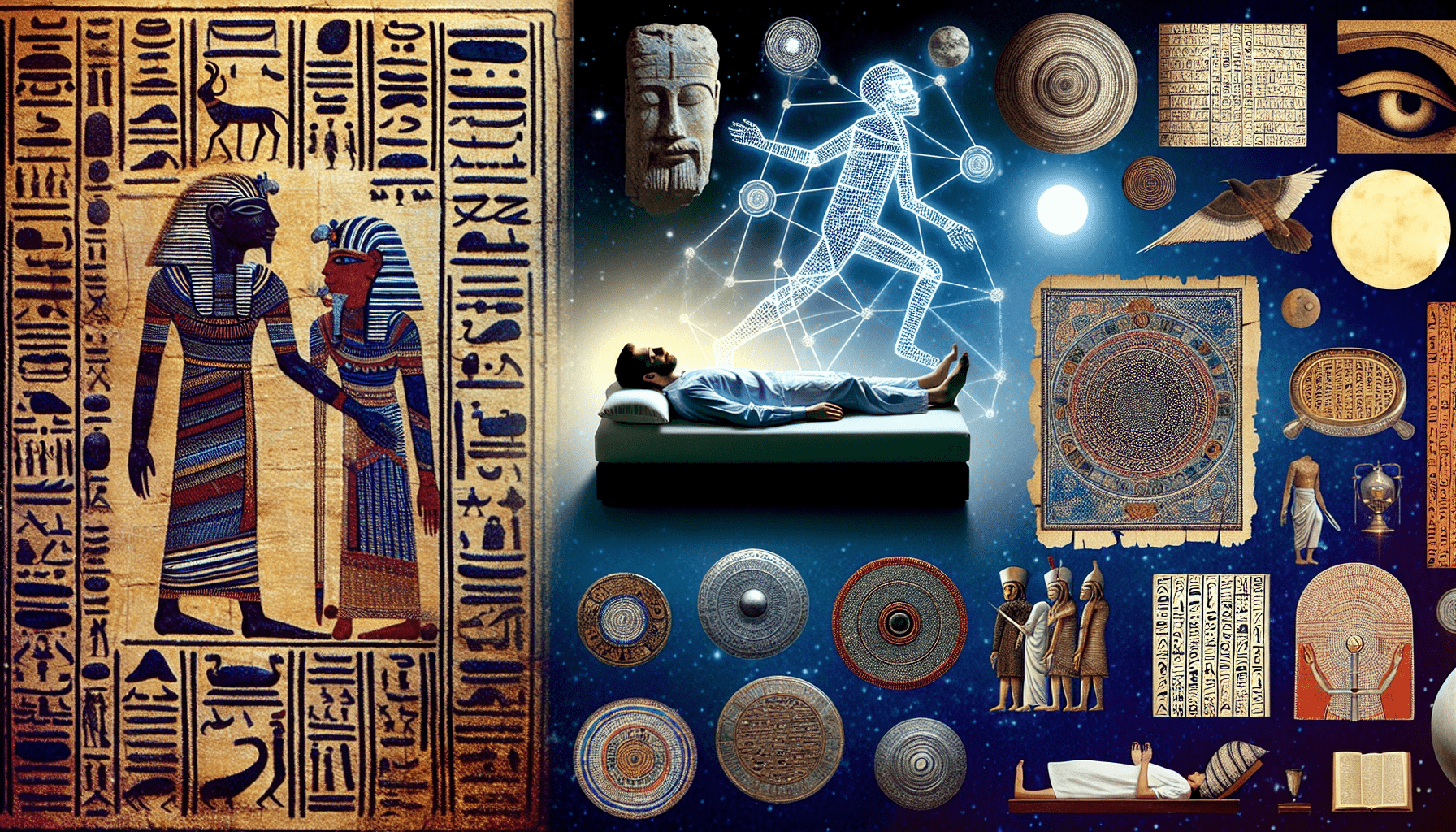
In ancient Egypt, sleep paralysis was believed to be the work of evil spirits or demons. They believed that during sleep, the body’s defenses were weakened, allowing these malevolent entities to attack and overwhelm the individual. The Egyptians sought protection from these nocturnal intruders by placing amulets under their pillows or wearing protective charms during sleep.
Sleep Paralysis in Ancient Greece
The ancient Greeks attributed sleep paralysis to the goddess of the night, Nyx. They believed that when Nyx touched someone during their slumber, it resulted in sleep paralysis. Greek mythology also introduced the idea of the Oneiroi, the gods of dreams. They were believed to have the power to induce sleep paralysis as a means of communication or punishment.
Sleep Paralysis in Ancient China
In ancient China, sleep paralysis was associated with a creature called the “Gui Ya” or “ghost pressure.” It was believed that when a person’s soul wandered away from their body during sleep, it could be captured and held by malicious ghosts, causing paralysis. This belief led to the practice of placing specific objects, such as swords or bells, near the bed to scare away the ghosts and protect the sleeper.
Sleep Paralysis in Ancient Japan
In ancient Japan, sleep paralysis was commonly known as “Kanashibari.” It was believed to be the result of a vengeful spirit or demon sitting on the sleeper’s chest, making it difficult to breathe or move. Japanese folklore attributed Kanashibari to beings such as the “Oni” or “Yokai,” supernatural creatures known for their malevolent nature. To prevent or resist these attacks, rituals and prayers were performed before bedtime.
Sleep Paralysis in Medieval Europe
During the medieval period in Europe, sleep paralysis was often linked to witchcraft and demonic possessions. People believed that witches or demons would visit them during the night, causing paralysis and inducing nightmares. The fear and superstition surrounding sleep paralysis led to the persecution of many individuals accused of practicing witchcraft, further escalating the association between the condition and evil forces.
Cultural Interpretations
Sleep Paralysis in African Cultures
In various African cultures, sleep paralysis was often interpreted as the work of supernatural beings or spirits. These entities were believed to be seeking contact or causing harm. Different rituals and practices were employed to protect against these nocturnal assaults, such as the use of charms, talismans, or prayers to ward off evil spirits.
Sleep Paralysis in Native American Cultures
In Native American cultures, sleep paralysis was often seen as a spiritual experience or a visitation from the spirit world. Some tribes believed that during sleep paralysis, individuals were receiving messages or visions from ancestors or spirits. These experiences were regarded as an opportunity for spiritual growth and enlightenment.
Sleep Paralysis in Asian Cultures
Asian cultures, such as those in India and Thailand, often associated sleep paralysis with supernatural beings or malevolent spirits. The belief in vengeful ghosts or demons causing paralysis during sleep was widespread. Rituals, prayers, and the use of protective amulets were common practices to ward off these entities and ensure a restful sleep.
Sleep Paralysis in European Cultures
In European cultures, sleep paralysis was often viewed as a result of supernatural forces or spellcasting. Witches and sorcerers were believed to possess the power to paralyze people during their sleep, rendering them helpless. Various rituals and folk remedies, such as placing a piece of iron or herb under the pillow, were thought to provide protection against these magical attacks.
Religious and Spiritual Explanations
Sleep Paralysis in Christian and Catholic Traditions
Within Christian and Catholic traditions, sleep paralysis was often associated with demonic presence or spiritual warfare. The belief was that evil spirits would seize control of an individual’s body during sleep, causing temporary paralysis. Prayers, religious symbols, and the assistance of clergy members were sought to combat these spiritual intrusions.
Sleep Paralysis in Islamic and Middle Eastern Traditions
In Islamic and Middle Eastern traditions, sleep paralysis was attributed to the jinn, supernatural creatures mentioned in the Quran. It was believed that the jinn could possess or torment individuals during sleep, causing paralysis and distressing experiences. Prayers, recitation of specific verses from the Quran, and rituals were performed to protect against such encounters.
Sleep Paralysis in Hindu and Buddhist Traditions
In Hindu and Buddhist traditions, sleep paralysis was seen as a result of karma or past actions. It was believed that certain negative deeds could lead to disturbances during sleep, including paralysis. Practices such as meditation, prayers, and performing good deeds were undertaken to cleanse the soul and attain liberation from these afflictions.
Scientific Discoveries and Medical Interpretations
Sleep Paralysis in the 17th-19th Centuries
During the 17th to 19th centuries, sleep paralysis began to be explained through a scientific lens. Many considered it a result of physical factors such as poor sleeping positions or excessive fatigue. These explanations provided a shift from supernatural beliefs to more rational understandings of sleep paralysis.
The Influence of Sigmund Freud’s Psychoanalysis
Sigmund Freud’s psychoanalytic theories greatly influenced the interpretation of sleep paralysis. According to Freud, sleep paralysis was linked to repressed desires and unresolved internal conflicts. He believed that the experience represented a struggle between the conscious and unconscious mind.
Sleep Paralysis in Modern Medicine
In modern medicine, sleep paralysis is recognized as a sleep disorder that occurs during rapid eye movement (REM) sleep. It is characterized by temporary paralysis of the voluntary muscles while the mind remains awake. This condition is considered a normal bodily response during REM sleep, preventing individuals from acting out their dreams and protecting them from injury.
The Role of Neurology and Sleep Research
Advancements in neurology and sleep research have shed light on the underlying mechanisms of sleep paralysis. Studies have revealed that sleep paralysis is associated with the interruption of the normal transition between sleep stages, specifically the disconnection between REM sleep and wakefulness. This disruption leads to the experience of paralysis while remaining aware of one’s surroundings.
Folklore and Mythology
Sleep Paralysis Creatures and Entities
Across various cultures, sleep paralysis has been attributed to different creatures or entities. These include the Night Hag, an old hag-like figure that sits on the chest of sleepers, and the Succubus or Incubus, demonic entities that seduce and torment individuals during sleep. These mythical beings have become synonymous with the experience of sleep paralysis.
The Night Hag Phenomenon
The Night Hag phenomenon refers to the sensation of a presence or entity during sleep paralysis. It often involves the feeling of pressure on the chest, difficulty breathing, and a sense of impending doom. This common experience has been described in numerous historical accounts and continues to be a prominent theme in folklore and cultural interpretations of sleep paralysis.
Sleep Paralysis in Folktales and Legends
Sleep paralysis has been woven into the fabric of folktales and legends throughout history. These stories often portray sleep paralysis as a result of encounters with supernatural beings or as a punishment for disobedience. Such folktales serve as cautionary tales and reinforce cultural beliefs and superstitions surrounding sleep paralysis.
Artistic Representations
Sleep Paralysis in Paintings and Sculptures
The phenomenon of sleep paralysis has been depicted in various paintings and sculptures throughout history. Artists have sought to capture the eerie atmosphere and the feeling of paralysis through symbolic imagery. These artistic representations provide insight into how sleep paralysis has been perceived and interpreted within different cultural and historical contexts.
Sleep Paralysis in Literature and Poetry
Numerous literary works and poems have explored the themes of sleep paralysis and the associated psychological and supernatural elements. Writers have utilized the experience to convey a sense of fear, vulnerability, and introspection. These creative expressions offer glimpses into the impact and influence of sleep paralysis on artistic minds.
Sleep Paralysis in Film and Television
In recent times, sleep paralysis has become a subject of interest in the realm of film and television. It has been featured in horror movies and documentaries, allowing audiences to witness the terrifying experiences associated with sleep paralysis. These visual representations contribute to the understanding and awareness of this intriguing phenomenon.
Historical Medical Treatments and Remedies
Herbal Remedies and Potions
Throughout history, various herbal remedies and potions have been used to alleviate sleep paralysis symptoms. These included herbal teas, concoctions, and poultices made from plants believed to possess protective or calming properties. While their efficacy may be questioned from a modern medical perspective, these remedies reflect the creative ways individuals sought relief from sleep paralysis in the past.
Magical and Ritualistic Practices
Magical and ritualistic practices were often employed to combat sleep paralysis in different historical periods. Spells, incantations, and rituals were carried out to ward off evil spirits or counteract the effects of paralysis. These practices served not only as physical remedies but also as psychological coping mechanisms for those experiencing sleep paralysis.
Exorcisms and Religious Rituals
In societies heavily influenced by religious beliefs, exorcisms and religious rituals were common responses to sleep paralysis. The idea was to expel or banish the malevolent spirits believed to be causing paralysis through prayers, sacred objects, or the intervention of religious figures. These ceremonies aimed to restore balance and protect individuals from further episodes of sleep paralysis.
Psychological Treatments
As psychological knowledge advanced, various treatments emerged to address the psychological impact of sleep paralysis. Therapies such as cognitive-behavioral therapy (CBT) and exposure therapy were utilized to help individuals cope with the fear and anxiety associated with sleep paralysis. These treatments aimed to reframe negative thoughts and develop coping strategies.
Modern Medical Interventions
In modern medicine, treatment options for sleep paralysis focus on managing underlying sleep disorders or improving sleep hygiene. This may involve the use of medications to regulate sleep cycles, lifestyle modifications, and relaxation techniques. The aim is to optimize overall sleep quality and minimize the occurrence of sleep paralysis episodes.
Historical Case Studies and Personal Accounts
Notable Historical Individuals with Sleep Paralysis
Throughout history, numerous notable individuals have reported experiencing sleep paralysis. These include artists, writers, and historical figures who have documented their encounters with this puzzling phenomenon. Within their personal accounts, they provide glimpses into the subjective experiences and the impact of sleep paralysis on their lives and creativity.
Illustrated Accounts in Historical Journals and Diaries
Historical journals and diaries often contain personal accounts of sleep paralysis experiences. These accounts offer insights into the perceptions and interpretations of sleep paralysis in different time periods and cultural contexts. The detailed illustrations accompanying these writings further enrich our understanding of the visual elements that individuals associated with their sleep paralysis episodes.
Evolution of Scientific Understanding
Sleep Paralysis as a Sleep Disorder
The evolution of scientific understanding has classified sleep paralysis as a sleep disorder within the broader spectrum of parasomnias. It is now recognized as a common phenomenon that occurs during REM sleep due to the temporary disconnect between the brain and the voluntary muscles. This classification has contributed to demystifying sleep paralysis as a medical condition.
Neurological and Psychological Explanations
Advancements in neuroscience and psychology have elucidated the neurological and psychological explanations for sleep paralysis. Neurologically, sleep paralysis is linked to the brain’s regulation of sleep stages and the suppression of muscle activity during REM sleep. Psychologically, it is connected to heightened emotional states, stress, and disrupted sleep patterns.
The Role of REM Sleep and Muscle Atonia
The understanding of sleep paralysis centers around the role of rapid eye movement (REM) sleep and the phenomenon of muscle atonia. During REM sleep, the brain experiences heightened neural activity while the rest of the body is temporarily paralyzed, except for essential functions like breathing and eye movement. It is this muscle atonia that accounts for the experience of sleep paralysis.
The Link to Other Sleep Disorders
Research has shown that sleep paralysis often coexists with other sleep disorders such as narcolepsy and sleep apnea. This suggests a possible link between these conditions and shared underlying mechanisms. Understanding the connections between sleep paralysis and other sleep disorders allows for comprehensive diagnosis and treatment approaches.
Historical Perspectives Influence on Modern Understanding
Cross-cultural Comparisons
The study of historical perspectives on sleep paralysis allows for cross-cultural comparisons and the identification of common themes and experiences. By examining how different cultures interpreted and responded to sleep paralysis, researchers can gain a more nuanced understanding of the phenomenon and its impact on individuals’ lives.
Integration of Historical Perspectives in Current Research
Modern research often incorporates historical perspectives on sleep paralysis to provide a holistic understanding of the condition. By considering cultural beliefs, folklore, and traditional remedies, researchers can explore the psychological, social, and spiritual aspects of sleep paralysis beyond the medical model. This integration enhances the richness of current research findings.
Impact on Diagnosis and Treatment Approaches
The historical perspectives on sleep paralysis have influenced diagnosis and treatment approaches in modern medicine. Understanding the cultural and psychological dimensions of sleep paralysis allows healthcare professionals to take a more compassionate and comprehensive approach to the condition. Consideration of historical contexts helps clinicians tailor treatment plans to address the unique needs and beliefs of individuals experiencing sleep paralysis.
In conclusion, sleep paralysis has been interpreted and understood through various lenses throughout history. From supernatural explanations to scientific advancements, each era and culture has contributed to our ever-evolving understanding of this intriguing phenomenon. By exploring these historical perspectives, we gain valuable insights that inform our current knowledge and appreciation of sleep paralysis.